Neurocosmetics is a skincare discipline that formulates products to interact with the skin's nervous system, targeting biochemical communication between skin cells and the brain to improve both skin health and emotional well-being.
This guide covers the skin's role as a neurological organ, the bidirectional skin-brain axis, neurotransmitters active in cutaneous tissue, how emotions and stress reshape skin through neuroimmune pathways, neurocosmetic ingredients and their mechanisms, and how multisensory rituals amplify product efficacy.
The skin contains dense networks of sensory nerve endings and produces neurotransmitters like serotonin, dopamine, and beta-endorphin locally, making it far more than a passive barrier. Keratinocytes synthesize neurochemical signals that directly modulate nearby nerve activity.
The skin-brain axis operates through neural, hormonal, and immune pathways. Sensory receptors relay signals to the central nervous system, the vagus nerve mediates parasympathetic calming responses, and the hypothalamic-pituitary-adrenal axis governs cortisol release that can impair collagen synthesis and delay barrier repair when chronically activated.
Cortisol, oxytocin, serotonin, and dopamine each shape skin cell behavior in distinct ways; from regulating circadian DNA repair cycles to controlling inflammation and lipid homeostasis. Chronic psychological stress accelerates aging, while positive sensory input supports barrier recovery by lowering cortisol and promoting neuropeptide release.
Neurocosmetic formulations use neuropeptide-targeting peptides, neurosoother compounds, and adaptogens to interrupt stress-driven damage at the receptor level. Sensory design elements (texture, fragrance, ritualistic repetition) engage olfactory and somatosensory pathways that trigger measurable neurochemical shifts, strengthening synaptic patterns tied to relaxation over time.
What Does Neurocosmetics Mean in Skincare Science?
Neurocosmetics in skincare science refers to a specialized discipline that formulates cosmetic products designed to interact with the skin's nervous system, targeting the biochemical communication between skin cells and the brain. Rather than addressing surface-level concerns alone, neurocosmetic formulations work through neurochemical pathways to influence both skin health and emotional well-being.
According to a 2025 review published in Clinics in Dermatology (Elsevier), neurocosmetics sits at the intersection of neuroscience, dermatology, and psychodermatology, aiming to target the skin-brain axis to enhance not only skin health but also emotional well-being. This dual-action approach distinguishes the field from conventional skincare, which typically treats skin as an isolated organ. By engaging sensory receptors, neuropeptide signaling, and neurotransmitter activity within the skin, neurocosmetic ingredients can modulate processes such as inflammation, barrier repair, and stress response at a neurological level.
For brands like BONJIL, whose philosophy centers on multisensory ritual and the connection between skin and the nervous system, neurocosmetics provides the scientific framework underlying product design. Understanding this foundation clarifies why the skin qualifies as a neurological organ, a concept explored next.
Why Is the Skin Considered a Neurological Organ?
The skin is considered a neurological organ because it contains dense networks of sensory nerve endings, produces neurotransmitters, and communicates directly with the central nervous system. The sections below explore cutaneous nerve signaling, keratinocyte neurochemistry, and neuropeptide production.

How Do Cutaneous Nerve Endings Transmit Sensory Signals?
Cutaneous nerve endings transmit sensory signals by detecting stimuli such as temperature, pressure, and pain, then relaying electrochemical impulses to the spinal cord and brain. These specialized receptors convert external input into neural messages that the central nervous system interprets almost instantaneously.
When triggered by irritants or injury, sensory nerve endings also release signaling molecules that influence the surrounding tissue. According to research published in Protein & Cell (Springer Nature), cutaneous neurogenic inflammation is inflammation induced or enhanced in the skin by the release of neuropeptides from sensory nerve endings. This dual function, both sensing and responding, positions the skin as an active participant in neurological processing rather than a passive barrier.
What Role Do Keratinocytes Play in Neurochemical Signaling?
Keratinocytes play a critical role in neurochemical signaling by synthesizing and releasing neurotransmitter-like molecules that communicate with nearby nerve fibers. These cells, which compose roughly 90% of the epidermis, function as more than structural components. They produce acetylcholine, catecholamines, and glutamate, all of which modulate local nerve activity.
Through receptor-mediated crosstalk with sensory neurons, keratinocytes amplify or dampen inflammatory and sensory responses. This bidirectional communication means that skin cells actively shape how the nervous system perceives and reacts to environmental changes. For neurocosmetics, this makes keratinocytes a primary target for ingredients designed to calm or stimulate cutaneous nerve pathways.
How Does the Skin Produce Neuropeptides and Neurotransmitters?
The skin produces neuropeptides and neurotransmitters through enzymatic pathways within epidermal cells, melanocytes, and resident immune cells. Substance P, calcitonin gene-related peptide, and beta-endorphin are all synthesized locally, enabling the skin to regulate inflammation, pain perception, and mood-related signaling without direct brain involvement.
The biochemical environment of the epidermis strongly influences this production. According to research published in Annals of Dermatology, an acidic stratum corneum environment boosts the activity of enzymes that produce ceramides vital for skin health, while elevated pH leads to increased infections and reduced lipid-processing enzyme activity. Maintaining optimal skin chemistry supports not only barrier integrity but also the neurochemical signaling that neurocosmetic formulations aim to enhance.
Understanding how the skin functions as a neurological organ sets the foundation for examining the broader skin-brain axis.
What Is the Skin-Brain Axis and How Does It Function?
The skin-brain axis is a bidirectional communication network linking cutaneous tissue to the central nervous system through neural, hormonal, and immune pathways. The sections below explain how sensory receptors relay signals, how the vagus nerve mediates communication, and how the HPA axis responds to skin stimulation.
How Do Sensory Receptors in Skin Communicate With the Central Nervous System?
Sensory receptors in skin communicate with the central nervous system by converting mechanical, thermal, and chemical stimuli into electrical signals that travel along peripheral sensory neurons to the spinal cord and brain. These neurons detect far more than simple touch or temperature. According to a study published in Trends in Immunology, peripheral sensory neurons recognize diverse noxious stimuli, including microbial products and allergens traditionally thought to be targets of the mammalian immune system. This dual role means the skin functions as both a sensory interface and an immunological surveillance organ. Once activated, these neurons transmit neuropeptide signals, such as substance P and calcitonin gene-related peptide, that influence local inflammation and central nervous system processing simultaneously.
What Role Does the Vagus Nerve Play in Skin-Brain Communication?
The vagus nerve plays a critical role in skin-brain communication by serving as a primary conduit between peripheral sensory input and central autonomic regulation. As the longest cranial nerve, it carries afferent signals from cutaneous tissue to brainstem nuclei, where the information modulates parasympathetic tone, heart rate, and inflammatory responses. Gentle touch on the skin activates C-tactile afferents that feed into vagal pathways, triggering oxytocin release and cortisol reduction. This mechanism helps explain why tactile rituals, including deliberate skincare application, can shift the nervous system toward a calmer state. For neurocosmetic formulations, engaging vagal tone through intentional sensory experience represents a measurable pathway to emotional regulation.
How Does the Hypothalamic-Pituitary-Adrenal Axis Respond to Skin Stimulation?
The hypothalamic-pituitary-adrenal axis responds to skin stimulation by initiating a hormonal cascade that begins in the hypothalamus and ends with cortisol release from the adrenal glands. When cutaneous receptors detect stressors, the hypothalamus secretes corticotropin-releasing hormone, which prompts the pituitary gland to release adrenocorticotropic hormone into the bloodstream. The adrenal cortex then produces cortisol, a glucocorticoid that modulates immune function, inflammation, and skin barrier integrity. Sustained HPA activation from chronic stress elevates circulating cortisol, which can impair collagen synthesis and delay wound repair. Conversely, calming sensory input through the skin can down-regulate this cascade, supporting both barrier recovery and emotional equilibrium.
With the skin-brain axis mapped, the specific neurotransmitters active within the skin reveal how this communication shapes cellular behavior.
Which Neurotransmitters Are Active in the Skin?
The neurotransmitters active in the skin include beta-endorphin, serotonin, dopamine, cortisol, and oxytocin. Each plays a distinct role in skin health, from regulating cell repair to modulating barrier function and inflammation.

How Does Beta-Endorphin Release Affect Skin Health?
Beta-endorphin release affects skin health by reducing pain perception, suppressing local inflammation, and promoting wound healing. Skin cells, particularly keratinocytes, produce beta-endorphins in response to UV exposure and physical stimulation. This endogenous opioid peptide binds to mu-opioid receptors in cutaneous tissue, triggering anti-inflammatory cascades that calm reactive skin. Beyond its protective function, beta-endorphin also contributes to the pleasurable sensation people associate with sunlight or gentle touch. For neurocosmetics, this mechanism is significant: formulations and rituals that stimulate endorphin pathways may help soothe stressed skin while simultaneously improving the user's emotional state.
What Is the Role of Serotonin in Cutaneous Function?
The role of serotonin in cutaneous function spans wound healing, thermoregulation, and inflammatory modulation. Skin cells synthesize serotonin locally from the amino acid tryptophan, independent of the central nervous system. Serotonin receptors expressed on keratinocytes, melanocytes, and fibroblasts enable this neurotransmitter to influence cell proliferation and collagen remodeling. When serotonin levels in cutaneous tissue drop, wound closure slows and inflammatory responses become dysregulated. This local serotonin system also connects to mood; the skin's neurochemical environment can shift alongside emotional states. For anyone building a neurocosmetic ritual, ingredients that support tryptophan metabolism may help maintain balanced cutaneous serotonin activity.
How Does Dopamine Influence Skin Cell Behavior?
Dopamine influences skin cell behavior by regulating melanin synthesis, cell proliferation, and circadian repair cycles. As a catecholamine neurotransmitter, dopamine acts on specific receptors in keratinocytes and melanocytes, modulating pigmentation pathways and cellular turnover. Dopamine also serves as a precursor in the tyrosine-to-melanin conversion pathway, linking it directly to skin pigmentation. Timing matters considerably for dopamine-related skin processes. According to research published in the Journal of Clinical and Aesthetic Dermatology, repair of DNA-damaged skin cells, as a result of UV exposure, peaks at night. This nocturnal repair window aligns with dopamine's role in circadian biology, reinforcing why evening skincare rituals hold genuine physiological value.
What Effect Does Cortisol Have on Skin Aging and Barrier Function?
Cortisol accelerates skin aging and impairs barrier function through sustained degradation of structural proteins and disruption of lipid homeostasis. As the primary glucocorticoid stress hormone, cortisol breaks down collagen and elastin when chronically elevated, leading to thinning skin, increased wrinkling, and delayed wound repair.
Barrier integrity suffers significantly under cortisol's influence. A study published in the Journal of Investigative Dermatology found that interview stress caused a delay in the recovery of skin barrier function, alongside increases in plasma cortisol, norepinephrine, interleukin-1β, and interleukin-10. Skin barrier function relies on three essential components: stratum corneum lipids, natural moisturizing factors, and the acidic pH of the stratum corneum surface. Cortisol disrupts all three.
Clinicians measure this damage through transepidermal water loss, recognized as a critical objective parameter for assessing barrier function recovery. Managing cortisol through stress-reducing rituals is one of the most underappreciated strategies in skin longevity.
How Does Oxytocin Released Through Touch Impact Skin?
Oxytocin released through touch impacts skin by reducing cortisol levels, lowering local inflammation, and accelerating tissue repair. Gentle, rhythmic touch activates C-tactile afferent nerve fibers in the skin, which signal the brain to release oxytocin systemically. This neuropeptide then circulates back to cutaneous tissue, where it binds to oxytocin receptors on keratinocytes and fibroblasts. The result is a measurable anti-inflammatory effect paired with enhanced cellular regeneration. Because oxytocin simultaneously promotes feelings of calm and bonding, it creates a direct feedback loop between emotional well-being and skin health. Tactile skincare application methods, including slow facial massage, leverage this mechanism to deliver benefits that purely topical ingredients cannot replicate alone.
With these neurotransmitter pathways mapped, the next step is understanding how emotions and stress reshape skin through these same channels.
How Do Emotions and Stress Affect Skin Through Neuroscience?
Emotions and stress affect skin through neuroscience by activating neuroimmune pathways that alter barrier function, accelerate aging, and trigger inflammation. The following subsections cover chronic stress and skin aging, anxiety-driven inflammatory conditions, and how positive emotions support barrier recovery.

How Does Chronic Psychological Stress Accelerate Skin Aging?
Chronic psychological stress accelerates skin aging by sustaining elevated cortisol levels that degrade collagen, thin the epidermis, and impair the skin's ability to repair itself. Prolonged hypothalamic-pituitary-adrenal axis activation floods the dermis with glucocorticoids, reducing fibroblast proliferation and slowing extracellular matrix turnover.
Over time, this hormonal imbalance compounds. Oxidative stress increases as antioxidant defenses weaken under persistent cortisol exposure, leading to visible fine lines, loss of elasticity, and uneven tone. Telomere shortening in skin cells has also been linked to sustained psychological burden.
For anyone serious about anti-aging, managing chronic stress is not optional; it is a foundational step that no topical ingredient can fully compensate for.
Why Does Anxiety Trigger Inflammatory Skin Conditions?
Anxiety triggers inflammatory skin conditions because sustained nervous system arousal prompts sensory nerve endings to release pro-inflammatory neuropeptides, such as substance P and calcitonin gene-related peptide. These neuropeptides activate mast cells, dilate blood vessels, and recruit immune cells to the skin, creating a cycle of neurogenic inflammation.
This mechanism explains why conditions like eczema, psoriasis, and rosacea often flare during periods of heightened anxiety. The gut-brain-skin axis amplifies this loop further; anxiety disrupts gut microbiota balance, which increases systemic inflammatory signaling that eventually reaches cutaneous tissue. Breaking the cycle requires addressing the neurological trigger, not just the visible symptoms.
How Does Positive Emotional State Improve Skin Barrier Recovery?
Positive emotional state improves skin barrier recovery by lowering cortisol output and promoting the release of neuropeptides like beta-endorphin and oxytocin, which support cellular repair. When the nervous system shifts from sympathetic dominance toward parasympathetic calm, transepidermal water loss decreases and lipid synthesis in the stratum corneum normalizes.
According to research published in the International Journal of Molecular Sciences, preclinical and clinical studies indicate that acetyl hexapeptide-8 may reduce wrinkle depth, improve skin elasticity, and enhance hydration. This neuropeptide-modulating compound mirrors the relaxation signals that positive emotional states naturally generate.
Rituals that cultivate calm, such as mindful skincare application, create real neurochemical shifts that measurably benefit the skin's protective barrier over time.
What Ingredients Do Neurocosmetic Formulations Use?
Neurocosmetic formulations use ingredients that target neuropeptides, calm sensory nerve endings, and modulate the skin's stress response. The key categories include neuropeptide-targeting actives, neurosoother compounds, and adaptogens.
How Do Neuropeptide-Targeting Ingredients Reduce Wrinkles?
Neuropeptide-targeting ingredients reduce wrinkles by inhibiting the neurotransmitter signals that cause repeated muscle micro-contractions in the skin. Acetyl hexapeptide-8, one of the most studied actives in this category, works by limiting the release of catecholamines at the neuromuscular junction. According to a study published in the International Journal of Molecular Sciences (MDPI), preclinical and clinical research indicates that acetyl hexapeptide-8 may reduce wrinkle depth, improve skin elasticity, and enhance hydration. Unlike neurotoxin injections, these peptides are applied topically, offering a non-invasive approach to expression line reduction. For brands committed to ritual-driven skincare, peptide serums also pair well with massage techniques that further relax facial tension.
What Are Neurosoother Compounds and How Do They Calm Skin?
Neurosoother compounds are ingredients that calm skin by downregulating sensory neuron activation and reducing neurogenic inflammation. When irritants trigger TRPV ion channels on cutaneous nerve endings, the result is an increase in calcitonin gene-related peptide and substance P, which induce the release of pro-inflammatory mediators, as documented in Protein & Cell (Springer Nature). Neurosoothers interrupt this cascade at the receptor level. Common examples include:
-
Bisabolol, which inhibits sensory nerve firing and reduces redness.
-
Niacinamide, which strengthens the barrier while calming inflammatory signaling.
-
High molecular weight hyaluronic acid, which exhibits anti-inflammatory and regenerative characteristics rather than the pro-inflammatory behavior of its low molecular weight counterpart.
These compounds are particularly valuable for reactive, sensitized skin where the neuro-immune loop perpetuates chronic irritation.
How Do Adaptogens in Skincare Modulate the Stress Response?
Adaptogens in skincare modulate the stress response by helping skin cells resist cortisol-driven damage and recover homeostasis faster. Psychological stress directly impairs the skin; a study published in the Journal of Investigative Dermatology (Elsevier) found that interview stress caused delayed skin barrier recovery alongside increases in plasma cortisol, norepinephrine, and inflammatory interleukins. Adaptogenic botanicals, such as ashwagandha, rhodiola, and reishi, counteract this pathway by normalizing hypothalamic-pituitary-adrenal axis signaling at the cutaneous level. Rather than suppressing one receptor, adaptogens offer broad-spectrum resilience. This makes them especially relevant in neurocosmetic formulations designed to protect against the visible effects of modern life's chronic stressors.
With the right active ingredients identified, sensory experience during application amplifies their neurocosmetic benefits.
How Does Sensory Experience Enhance Neurocosmetic Efficacy?
Sensory experience enhances neurocosmetic efficacy by activating neural pathways through touch, scent, and repetition, amplifying the biological effects of active ingredients. The following sections explore texture, fragrance, and ritualistic practice.

Why Does Texture and Touch Activation Matter in Product Application?
Texture and touch activation matter in product application because tactile stimulation engages cutaneous mechanoreceptors that relay signals through the skin-brain axis, influencing neurochemical release at the point of contact. When fingers apply a cream with deliberate pressure, sensory nerve endings release neuropeptides that modulate local inflammation and blood flow.
The quality of a formulation's texture, whether a rich balm or a lightweight serum, determines how long and how intentionally the user massages the skin. Prolonged, mindful application increases oxytocin and beta-endorphin activity, both of which support barrier repair. This makes product texture a functional design element, not merely an aesthetic preference. Formulators who neglect tactile quality miss a direct pathway to neurocosmetic benefit.
How Do Fragrance and Olfactory Pathways Trigger Neurochemical Shifts?
Fragrance and olfactory pathways trigger neurochemical shifts because inhaled aromatic compounds travel directly to the limbic system, bypassing higher cortical processing to influence emotional state within seconds. This rapid neural route connects scent molecules to the amygdala and hippocampus, regions governing stress response and memory formation.
According to a 2024 review in Pharmaceuticals (MDPI), placebo-controlled studies revealed positive effects of kānuka oil and frankincense oil in the treatment of psoriasis and eczema. These findings suggest that certain botanical aromatics deliver measurable dermatological outcomes beyond placebo, likely through combined topical and neurochemical mechanisms. Fragrance selection in neurocosmetics, therefore, serves a dual role: calming the nervous system while directly supporting skin health.
What Effect Does Ritualistic Repetition Have on Neuroplasticity?
Ritualistic repetition has a measurable effect on neuroplasticity because consistently pairing sensory cues, such as a specific scent, texture, and sequence of movements, strengthens synaptic connections associated with relaxation and self-care over time. The brain encodes repeated multisensory patterns as predictive loops, meaning the ritual itself begins triggering calming neurochemical cascades before active ingredients even penetrate the skin.
This conditioning effect is why a skincare routine performed at the same time each evening can progressively lower baseline cortisol more effectively than sporadic application. For practitioners serious about long-term skin health, commitment to a consistent sensory ritual is as important as the formulation itself. Understanding this principle sets the stage for how neurocosmetics diverge from conventional skincare approaches.
How Does Neurocosmetics Differ From Traditional Skincare?
Neurocosmetics differs from traditional skincare by targeting the skin-brain axis rather than treating skin as an isolated organ. Traditional formulations focus on surface-level concerns, such as hydration, exfoliation, and pigmentation correction. Neurocosmetic products, by contrast, address the neurochemical pathways that influence how skin behaves, heals, and ages.
Traditional skincare ingredients like hyaluronic acid and tyrosinase inhibitors work directly on structural or enzymatic targets in the epidermis. According to a 2022 study published in the Journal of Cosmetic Dermatology, low molecular weight hyaluronic acid has pro-inflammatory characteristics while high molecular weight hyaluronic acid is considered anti-inflammatory and regenerative. These ingredients act locally, without engaging neural signaling.
Neurocosmetic formulations take a fundamentally different approach. They incorporate compounds such as neuropeptide modulators, adaptogens, and sensory-active botanicals designed to influence neurotransmitter activity, calm stress-driven inflammation, and support barrier recovery through nervous system regulation. The sensory experience itself becomes functional: texture, scent, and ritual application activate olfactory and somatosensory pathways that trigger measurable neurochemical shifts.
This distinction matters because many persistent skin concerns, from chronic redness to accelerated aging, originate not at the skin's surface but in the stress response and neural signaling cascades beneath it. Neurocosmetics treats skin as part of a living communication network, making the emotional and neurological context of application as relevant as the formula itself. For brands built on this philosophy, the entire product experience is the active ingredient, not just what sits inside the jar.
What Does Current Clinical Research Say About Neurocosmetics?
Current clinical research on neurocosmetics confirms that targeting the skin-brain axis produces measurable improvements in both skin health and emotional well-being. Studies span neuropeptide-targeting ingredients, stress-barrier interactions, essential oil therapies, and evolving regulatory frameworks.
Neurocosmetics represents one of the most evidence-backed shifts in skincare philosophy to emerge in recent years. According to a 2025 review published in Clinics in Dermatology, neurocosmetics sits at the intersection of neuroscience, dermatology, and psychodermatology, aiming to target the skin-brain axis to enhance not only skin health but also emotional well-being. This positions the field well beyond conventional topical treatment, grounding product development in verifiable neurological and immunological mechanisms.
Research into specific active ingredients further supports this clinical trajectory. Studies published in the International Journal of Molecular Sciences indicate that acetyl hexapeptide-8 may reduce wrinkle depth, improve skin elasticity, and enhance hydration based on both preclinical and clinical evidence. Meanwhile, findings in the Journal of Cosmetic Dermatology demonstrate that low molecular weight hyaluronic acid exhibits pro-inflammatory characteristics, while high molecular weight hyaluronic acid is considered anti-inflammatory and regenerative. These molecular distinctions matter because neurocosmetic formulations must account for how ingredients interact with cutaneous nerve signaling, not just surface-level skin cells.
Clinical evidence also extends to plant-derived compounds. Research published in Pharmaceuticals found that tea tree oil gel demonstrated efficacy for acne treatment with fewer adverse reactions compared to conventional treatments. Placebo-controlled studies in the same journal revealed positive effects of kānuka oil and frankincense oil in the treatment of psoriasis and eczema. These findings suggest essential oils can modulate skin conditions through sensory and anti-inflammatory pathways simultaneously.
On the regulatory side, the Modernization of Cosmetics Regulation Act (MoCRA) represents the most significant expansion of FDA authority to regulate cosmetics since 1938, according to the U.S. Food and Drug Administration. For neurocosmetics, this evolving framework signals increasing scrutiny of ingredient claims and safety substantiation.
What makes this body of research particularly compelling is its convergence: ingredient science, stress physiology, sensory modulation, and regulatory oversight are all advancing in parallel. For consumers invested in evidence-based skincare rituals, this clinical momentum validates the neurocosmetic approach as both scientifically grounded and practically meaningful.
How Can a Multisensory Skincare Ritual Activate the Skin-Brain Connection?
A multisensory skincare ritual can activate the skin-brain connection by combining tactile application, fragrance, and auditory cues to engage sensory pathways that trigger neurochemical responses. BONJIL's approach and the core science behind this connection are explored below.
How Does BONJIL Use Sensory Science and Music Boxes to Enhance Neurocosmetic Rituals?
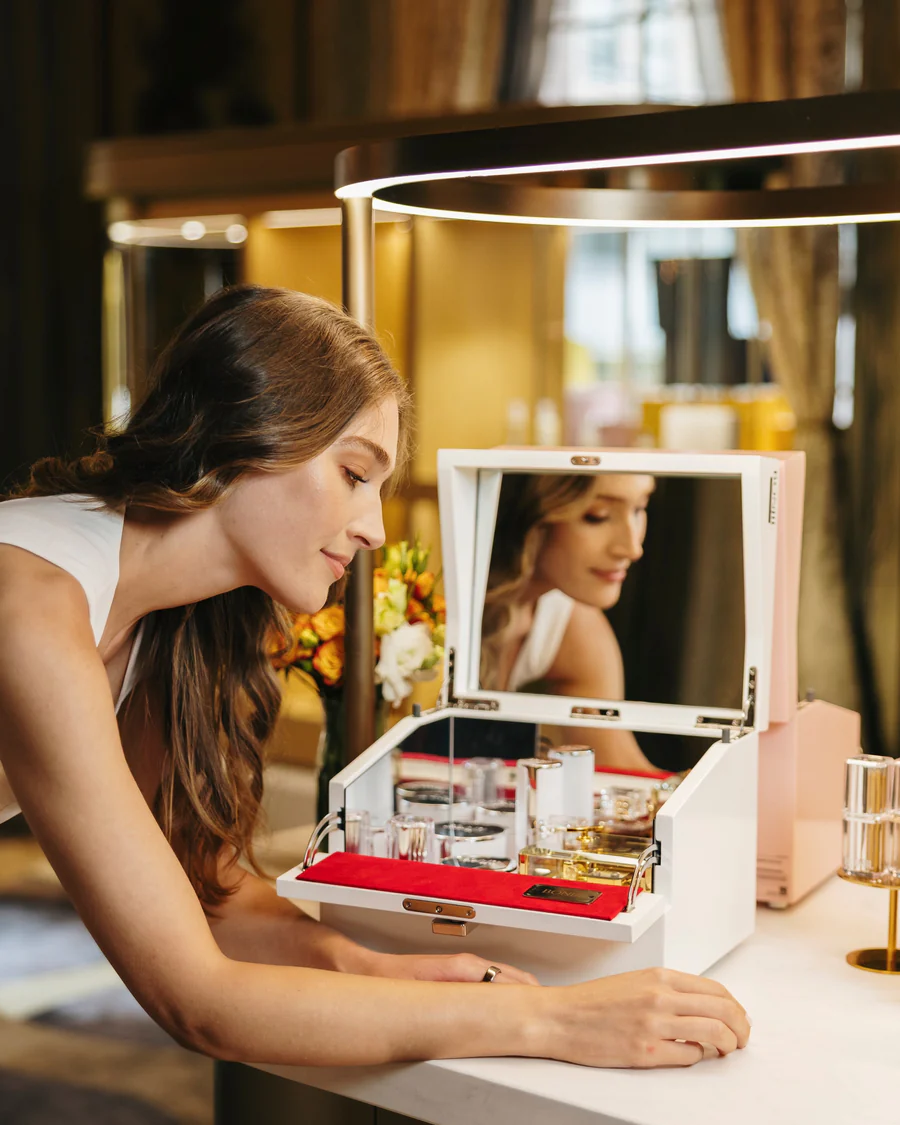
BONJIL uses sensory science and music boxes to enhance neurocosmetic rituals by layering touch, scent, and sound into a single skincare experience. Each product application becomes a deliberate ritual rather than a routine step. The BONJIL Music Box collection provides calming melodies designed to serve as a soothing auditory backdrop during skincare. This auditory element engages olfactory and somatosensory pathways simultaneously, reinforcing the skin-brain axis through multisensory co-activation. Guided by the tagline "Beauty, Felt With Every Sense," BONJIL positions texture-rich formulations alongside intentional sound to deepen the neurochemical shift that ritualistic repetition can build over time. For most consumers seeking genuine well-being benefits from skincare, this integrated sensory approach offers something topical ingredients alone cannot deliver.
What Are the Key Takeaways About Neurocosmetics Science and the Skin-Brain Connection?
The key takeaways about neurocosmetics science and the skin-brain connection center on a few core principles:
-
The skin functions as a neurological organ that produces neuropeptides, neurotransmitters, and hormones capable of influencing brain chemistry.
-
Chronic stress elevates cortisol and delays skin barrier recovery, while positive sensory experiences support repair processes.
-
Neurocosmetic formulations target the skin-brain axis by combining neuropeptide-modulating ingredients with sensory design elements such as texture, fragrance, and ritualistic application.
-
Multisensory rituals amplify product efficacy by engaging multiple neural pathways simultaneously, reinforcing neuroplastic patterns that benefit both skin health and emotional well-being.
As published in Clinics in Dermatology, neurocosmetics aims to target the skin-brain axis to enhance not only skin health but also emotional well-being. Understanding this bidirectional relationship transforms skincare from a cosmetic routine into a science-backed practice for holistic wellness.