Skincare for sensitive skin and anxiety is a calming approach that addresses both skin reactivity and emotional distress through ingredient selection, routine structure, and nervous system regulation. The skin-brain axis links these two conditions bidirectionally, meaning strategies that soothe one often stabilize the other.
This guide covers the biological connection between anxiety and skin sensitivity, symptoms and ingredient science, calming routines and multisensory rituals, mindfulness techniques, supportive lifestyle habits, and when to seek professional care.
Anxiety activates the HPA axis, flooding the skin with cortisol and inflammatory neuropeptides that compromise barrier function and trigger flare-ups. Visible symptoms then fuel further emotional distress, creating a self-reinforcing cycle that requires intervention on both fronts.
Common anxiety-linked skin responses include redness, flushing, hives, eczema flare-ups, barrier disruption, and stress breakouts. Each symptom traces back to specific neurochemical pathways that targeted ingredients can interrupt.
Peptides, centella asiatica, high-molecular-weight hyaluronic acid, and niacinamide each address distinct aspects of stress-driven reactivity, from neurotransmitter overactivation to moisture loss. Equally important is avoiding sulfates, synthetic fragrances, and alpha hydroxy acids that destabilize compromised barriers.
Consistent morning and evening rituals lower cortisol by providing predictable, structured self-care moments. Layering multisensory elements (aromatherapy, intentional touch, calming sound, and soothing textures) shifts the nervous system from sympathetic arousal into parasympathetic calm.
Mindfulness practices like deep breathing during cleansing, facial massage, and body scanning transform routine application into active stress regulation. Sleep quality, anti-inflammatory nutrition, and gentle exercise reinforce these benefits through shared biological pathways. When symptoms persist despite consistent care, integrated professional support from both dermatology and mental health can break the cycle.
What Is the Connection Between Sensitive Skin and Anxiety?
The connection between sensitive skin and anxiety is a bidirectional cycle: anxiety triggers skin reactions, and visible skin flare-ups intensify anxious feelings. The subsections below explore how anxiety provokes sensitivity, how skin symptoms feed back into emotional distress, and the neurological pathway linking both.
How Does Anxiety Trigger Sensitive Skin Reactions?
Anxiety triggers sensitive skin reactions by activating the body's stress response, which floods the system with inflammatory chemicals that destabilize the skin barrier. When anxiety escalates, the hypothalamic-pituitary-adrenal (HPA) axis releases cortisol, catecholamines, and neuropeptides such as Substance P and calcitonin gene-related peptide (CGRP). These stress mediators trigger mast cell degranulation and vascular hyperreactivity, producing redness, stinging, and heightened reactivity.
According to a 2018 study published in Scientific Reports (Nature), psychological stress increases the expression of 11β-hydroxysteroid dehydrogenase type 1 in the skin, converting inactive cortisone into active cortisol and directly contributing to barrier deterioration. This localized cortisol surge means anxious skin is not just "feeling" more sensitive; it is biochemically compromised.
How Does Sensitive Skin Flare Up and Worsen Anxiety?
Sensitive skin flare-ups worsen anxiety by creating visible symptoms that erode self-confidence and trigger social avoidance. Persistent redness, itching, or breakouts draw unwanted attention, and the unpredictability of flare-ups generates a cycle of hypervigilance and emotional distress.
The psychological burden is substantial. A 2024 meta-analysis published in the Journal of Prevention (Springer Nature) found that the pooled prevalence of anxiety in patients with skin diseases reaches 28.8%, with acne patients experiencing the highest rates at 36.5%. This constant interplay, where visible symptoms fuel worry that then worsens those same symptoms, makes sensitive skin conditions uniquely difficult to manage without addressing the emotional component alongside topical care.
What Is the Skin-Brain Axis and Why Does It Matter?
The skin-brain axis is a bidirectional communication network connecting the central nervous system to cutaneous immune and sensory cells through shared neurochemical signaling pathways. It matters because this axis explains why emotional states directly alter skin physiology, and why skin conditions influence mood.
Stress-induced cortisol binds to cutaneous glucocorticoid receptors, promoting local corticotropin-releasing hormone (CRH) release and proinflammatory cytokine expression in a feed-forward loop. Chronic activation of this pathway suppresses collagen synthesis and impairs barrier function, as documented in research published by PubMed Central (NIH). The brain-gut-skin axis further extends this network; chronic stress shifts gut microbial composition and promotes systemic inflammation that surfaces as skin reactivity. Understanding this axis reframes sensitive skin not as a purely topical issue, but as a whole-body response requiring calming strategies that address both mind and barrier.
Understanding these biological connections sets the stage for recognizing the specific symptoms that anxiety-driven sensitivity produces.
What Are the Common Sensitive Skin Symptoms Linked to Anxiety?
The common sensitive skin symptoms linked to anxiety include redness, flushing, itching, hives, eczema flare-ups, dryness, barrier disruption, and stress breakouts. Each symptom reflects a distinct pathway through which psychological stress manifests on the skin.

Redness and Flushing
Redness and flushing are among the most immediate visible responses when anxiety activates the skin's vascular system. Psychological stress triggers the release of neuropeptides such as Substance P and calcitonin gene-related peptide (CGRP), which cause mast cell degranulation and vascular hyperreactivity in the skin, according to a 2026 review published in Frontiers in Immunology. This process dilates blood vessels near the surface, producing the characteristic flush across the cheeks, forehead, and neck. For those already prone to sensitivity, even brief anxious episodes can leave skin visibly inflamed for hours. Calming formulations with anti-redness actives, such as niacinamide, can help counteract this reactivity over time.
Itching and Hives
Itching and hives represent the skin's neurogenic inflammatory response to anxiety. Stress-induced cortisol binds to cutaneous glucocorticoid receptors, promoting local corticotropin-releasing hormone (CRH) release and proinflammatory cytokine expression in a feed-forward loop, as documented in PubMed Central (NIH). This cascade stimulates sensory nerve endings, producing persistent itching that often worsens with scratching. Hives, or urticaria, can appear suddenly during periods of acute stress and resolve once the nervous system calms. In my experience, this itch-scratch-anxiety cycle is one of the most underestimated drivers of chronic skin sensitivity.
Eczema and Dermatitis Flare-Ups
Eczema and dermatitis flare-ups are closely tied to anxiety-driven immune dysregulation. Chronic stress activates the HPA axis, increasing cortisol and neuropeptides that impair gut barrier integrity, shift microbial composition, and promote systemic inflammation through the brain-gut-skin axis, according to the American Journal of Managed Care. This inflammatory surge weakens skin already compromised by atopic tendencies, triggering patches of red, weeping, or crusted skin. Psychodermatological conditions affect approximately 30 to 60% of patients with chronic skin diseases, underscoring how deeply emotional health and dermatitis are intertwined.
Dryness and Barrier Disruption
Dryness and barrier disruption occur when anxiety elevates local cortisol production within the skin itself. A study published in Scientific Reports (Nature) found that psychological stress increases the expression of 11β-hydroxysteroid dehydrogenase type 1 (11β-HSD1) in the skin, which converts inactive cortisone into active cortisol, directly contributing to skin barrier deterioration. With the barrier compromised, transepidermal water loss accelerates, leaving skin tight, flaky, and more reactive to environmental triggers. Prioritizing barrier-repair ingredients, such as ceramides and high-molecular-weight hyaluronic acid, becomes essential during prolonged anxious periods.
Acne and Stress Breakouts
Acne and stress breakouts are the most prevalent anxiety-linked skin symptom in clinical data. A pooled analysis published in the Journal of Prevention (Springer Nature) found that the highest prevalence of anxiety (36.5%) and stress (75.7%) occurred in patients with acne. Cortisol stimulates sebaceous gland activity, increasing oil production that clogs pores and feeds acne-causing bacteria. The resulting breakouts then fuel further self-consciousness and anxiety, creating a reinforcing cycle that is difficult to break without addressing both skin and emotional health together.
Understanding these specific symptoms is the first step toward choosing ingredients that target each pathway effectively.
What Ingredients Should You Look for in Sensitive Skin Products?
The ingredients you should look for in sensitive skin products include peptides, botanical extracts, hyaluronic acid, and niacinamide. Each targets a specific aspect of anxiety-driven skin reactivity.

Why Are Peptides Effective for Anxiety-Prone Sensitive Skin?
Peptides are effective for anxiety-prone sensitive skin because specific peptide types inhibit neurotransmitter activity that triggers sensory overreaction. According to a review published in Pharmaceuticals (MDPI), an analysis of 88 facial cosmetics for sensitive skin found peptides in 17% of products, with neurotransmitter-inhibiting mechanisms identified in three of seven peptides analyzed, including acetyl dipeptide-1 cetyl ester, palmitoyl tripeptide-8, and acetyl tetrapeptide-15. These signal-calming peptides work at the nerve-skin interface, reducing the exaggerated inflammatory responses that anxiety amplifies. For skin already primed by stress hormones, this neurotransmitter-level intervention addresses reactivity at its source rather than merely masking symptoms.
How Do Botanical Extracts Soothe Reactive Skin?
Botanical extracts soothe reactive skin by delivering anti-inflammatory compounds that interrupt the cytokine cascade responsible for redness and irritation. Centella asiatica is one of the most studied botanicals for sensitive skin. As reported in Pharmacia (Pensoft), Centella asiatica contains active compounds such as saponins, flavonoids, and phenolic acids that exert anti-inflammatory effects by inhibiting interleukin-6 (IL-6) and tumor necrosis factor-alpha (TNF-α) production while enhancing collagen synthesis. Its active constituent, madecassoside, has also demonstrated symptom relief in atopic and psoriasis-prone skin. When anxiety elevates systemic inflammation, these targeted botanical actives offer a gentle yet measurable counterbalance.
Why Is Hyaluronic Acid Essential for Stressed Skin Hydration?
Hyaluronic acid is essential for stressed skin hydration because stress-elevated cortisol directly compromises barrier function, accelerating moisture loss. High-molecular-weight hyaluronic acid (HMW-HA) forms a moisture-locking film on the skin surface to prevent water loss and strengthen the barrier. Low-molecular-weight HA penetrates deeper layers but may increase inflammation risk in certain contexts. For anxiety-prone skin already dealing with barrier disruption, prioritizing HMW-HA provides protective hydration without triggering additional sensitivity. This makes molecular weight selection a critical, often overlooked factor when choosing hyaluronic acid products for reactive skin.
How Does Niacinamide Help Calm Inflammation and Redness?
Niacinamide helps calm inflammation and redness by strengthening the skin barrier and suppressing pigment-related pathways that contribute to visible irritation. According to research cited by Ioka Skin Science, niacinamide at a 5% concentration demonstrated significant reductions in redness intensity, with up to 68.8% of participants in a ceramide-containing formulation noting visible improvement. Even at lower concentrations, topical niacinamide at 2% has shown measurable reductions in cutaneous redness by suppressing melanosome transfer from melanocytes to keratinocytes. For anyone managing anxiety-related flushing, niacinamide pairs well with the other actives covered here to build a comprehensive calming routine.
Understanding which ingredients to prioritize makes choosing the right formulations easier, but knowing what to avoid matters just as much.
What Ingredients Should You Avoid With Sensitive Anxious Skin?
The ingredients you should avoid with sensitive anxious skin include sulfates, synthetic fragrances, alpha hydroxy acids, and petroleum-based occlusives. These common cosmetic irritants compromise an already stressed skin barrier, amplifying both physical reactivity and the emotional distress that accompanies visible flare-ups.
Sensitive skin is frequently associated with higher adverse reaction rates to these ingredient categories, according to Epiphany Dermatology. When anxiety elevates cortisol and inflammatory neuropeptides, the barrier becomes even less tolerant of harsh formulations. Ingredients that might cause mild irritation in resilient skin can provoke pronounced redness, stinging, or breakouts on stress-compromised skin.
The key irritants to eliminate from your routine include:
-
Sulfates (SLS/SLES): These aggressive surfactants strip natural lipids from the skin barrier, increasing transepidermal water loss and leaving reactive skin vulnerable to environmental triggers.
-
Synthetic fragrances: Fragrance blends often contain dozens of undisclosed chemicals that activate sensory nerve endings, provoking stinging, flushing, and contact dermatitis in sensitized skin.
-
Alpha hydroxy acids (glycolic acid, lactic acid): While effective exfoliants for resilient skin types, AHAs lower skin pH rapidly and can cause burning, peeling, and prolonged redness on anxiety-prone complexions.
-
Denatured alcohol (alcohol denat.): This solvent disrupts the lipid matrix, accelerating moisture loss and creating a cycle of dryness and irritation that heightens skin anxiety.
-
Essential oils in high concentrations: Despite their natural origin, potent essential oils like peppermint, eucalyptus, and citrus extracts contain volatile compounds that irritate compromised barriers.
-
Petroleum-based occlusives in comedogenic formulations: Heavy petroleum derivatives can trap irritants against the skin surface and contribute to stress-related acne breakouts.
For anyone managing the intersection of skin sensitivity and anxiety, ingredient vigilance is one of the most impactful steps available. Reading labels carefully and choosing formulations specifically designed for reactive skin prevents the frustrating cycle where a new product triggers a flare-up, which then deepens anxiety about skincare itself.
Building a calming routine with barrier-supportive ingredients starts with understanding how daily rituals reinforce both skin resilience and emotional regulation.
How Can a Calming Skincare Routine Reduce Anxiety?
A calming skincare routine can reduce anxiety by providing structured, predictable self-care moments that lower stress hormones and protect the skin barrier. The sections below cover morning routines, evening rituals, and the role of consistency.
What Does a Morning Routine for Sensitive Anxious Skin Include?
A morning routine for sensitive anxious skin includes gentle cleansing, targeted hydration, and broad-spectrum sun protection, all applied with fragrance-free, barrier-supporting formulations. Starting the day with a predictable sequence of steps creates a sense of control that can ease anxious feelings before they escalate.
A simple morning routine involves:
-
Rinse with a sulfate-free micellar water or gentle cream cleanser to avoid stripping the skin barrier.
-
Apply a lightweight serum containing hyaluronic acid or calming peptides to restore hydration.
-
Follow with a fragrance-free moisturizer enriched with ceramides or niacinamide to reinforce barrier function.
-
Finish with a mineral sunscreen rated SPF 30 or higher, which tends to be less irritating than chemical alternatives.
Each step doubles as a brief mindfulness checkpoint. Paying attention to the texture and sensation of each product keeps focus anchored in the present rather than spiraling into worry.
What Does an Evening Wind-Down Skincare Ritual Look Like?
An evening wind-down skincare ritual looks like a slow, intentional sequence of cleansing, treatment, and deep hydration timed to support the skin's natural repair cycle. According to a 2023 study published in the Journal of Biological Rhythms, skin barrier function in individuals with atopic dermatitis exhibits a distinct circadian rhythm, often worsening in the evening when healthy skin typically undergoes rejuvenation and barrier repair. Aligning your routine with this cycle maximizes both calming and restorative benefits.
Key evening steps include:
-
Double cleanse using an oil-based cleanser followed by a gentle, pH-balanced wash.
-
Apply a soothing treatment serum with centella asiatica or palmitoyl tripeptide-8 to reduce overnight inflammation.
-
Seal everything with a richer night cream containing ceramides to minimize transepidermal water loss during sleep.
Dimming lights and slowing your movements during application signals the nervous system to transition toward rest.
How Does Consistency in Routine Help Regulate Stress?
Consistency in routine helps regulate stress by reinforcing a psychological sense of control and creating reliable neurochemical patterns that lower cortisol over time. According to Tiege Hanley, consistent skincare rituals have been shown to lower cortisol levels by up to 83% while providing a stabilizing sense of predictability that contributes to improved mental well-being.
Repeated, structured actions train the brain to associate specific cues (cleanser texture, a familiar scent, the same sequence of steps) with safety and calm. This conditioned response becomes stronger with each repetition, making the routine itself a form of passive stress management. For sensitive, anxiety-prone skin, predictability also reduces the risk of reactive flare-ups caused by constantly switching products or skipping protective steps.
From an expert standpoint, consistency is often underestimated: the most effective calming routine is the one performed reliably, not the one with the most expensive ingredients. Understanding how multisensory elements deepen this calming effect adds another dimension to a steady routine.
How Does Multisensory Skincare Calm the Nervous System?
Multisensory skincare calms the nervous system by engaging multiple senses simultaneously, shifting the body from a stress response into a parasympathetic state. The following sections explore how aromatherapy, intentional touch, visual and textural cues, and sound each contribute to this calming effect.

How Does Aromatherapy in Skincare Lower Cortisol Levels?
Aromatherapy in skincare lowers cortisol levels by delivering plant-derived scent compounds that activate the olfactory nerve, which connects directly to the brain's limbic system. This pathway influences the amygdala and hypothalamus, two regions that regulate the stress response and emotional processing. When calming botanical scents, such as lavender, chamomile, or sandalwood, are inhaled during product application, they signal the nervous system to reduce cortisol output and promote parasympathetic activity. For sensitive, anxiety-prone skin, fragrance selection matters enormously. Synthetic fragrances often trigger irritation, while carefully formulated botanical aromatics can deliver calming benefits without compromising barrier integrity. Choosing products with naturally derived scent profiles turns each application into a genuine stress-reduction moment.
Why Does Intentional Touch During Application Reduce Anxiety?
Intentional touch during application reduces anxiety because slow, deliberate contact with the skin activates C-tactile afferent nerve fibers. These specialized sensory neurons respond preferentially to gentle, stroking motions at speeds of roughly 1 to 10 centimeters per second. When stimulated, they send signals to the insular cortex, promoting oxytocin release and lowering sympathetic nervous system arousal. Applying serums or moisturizers with purposeful, rhythmic movements transforms a routine step into an active self-regulation practice. According to a randomized clinical trial published in JAMA Dermatology, mindfulness-based interventions for adults with atopic dermatitis produced significant improvements in quality of life and psychological outcomes compared to usual care alone. Pairing mindful touch with skincare amplifies both dermatological and emotional benefits.
How Do Visual and Textural Cues Create a Sense of Safety?
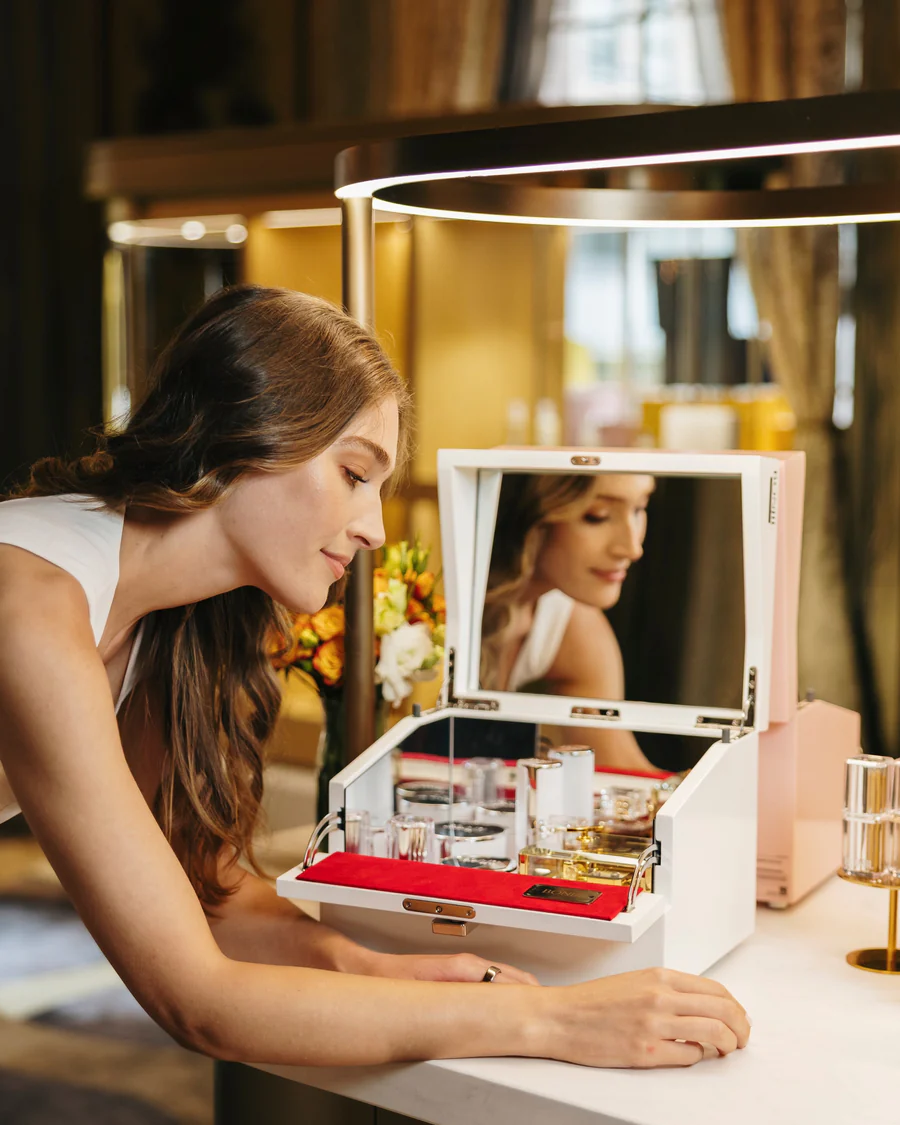
Visual and textural cues create a sense of safety by providing predictable, soothing sensory input that the brain interprets as non-threatening. Soft product textures, calming color palettes, and elegant packaging design activate a neuroaesthetic response, reducing the vigilance state that anxiety maintains. When a cream feels silky rather than gritty, or when a bottle's muted tones signal calm rather than urgency, the brain processes these inputs as environmental safety signals. For reactive skin, texture predictability also has a practical dimension. Consistent, smooth formulations reduce the tactile surprise that can heighten sensory sensitivity. This is why brands like BONJIL design their products as complete sensory experiences, where every visual and textural detail reinforces calm.
How Does Sound Paired With Skincare Deepen Relaxation?
Sound paired with skincare deepens relaxation by engaging the auditory pathway alongside tactile and olfactory input, creating a synchronized multisensory experience that accelerates parasympathetic activation. Slow-tempo music, nature sounds, or ambient tones at frequencies below 60 beats per minute can lower heart rate, reduce blood pressure, and decrease cortisol production. When layered into a skincare ritual, sound provides a consistent auditory anchor that keeps attention focused on the present moment rather than anxious thought patterns. BONJIL Music Box, a collection of elegantly designed music boxes with calming tunes, exemplifies this principle by providing a soothing auditory backdrop purpose-built for skincare rituals. Combining sound with scent, touch, and visual cues creates the most complete nervous system regulation experience possible during daily skincare.
What Mindfulness Techniques Enhance a Calming Skincare Ritual?
Mindfulness techniques that enhance a calming skincare ritual include deep breathing during cleansing, facial massage for stress relief, and body scanning while applying products. Each technique transforms routine steps into grounding, anxiety-reducing practices.
How Does Deep Breathing During Cleansing Ease Tension?
Deep breathing during cleansing eases tension by activating the parasympathetic nervous system, which counteracts the stress response that triggers sensitive skin flare-ups. Slow, diaphragmatic breaths while massaging cleanser into the skin shift the body from a fight-or-flight state into calm. A practical approach involves inhaling for four counts as you apply cleanser, holding briefly, then exhaling for six counts while rinsing. This deliberate pairing of breath with touch anchors attention to the present moment rather than anxious thoughts. According to a randomized clinical trial published in JAMA Dermatology, online mindfulness and self-compassion training for adults with atopic dermatitis showed significant improvements in quality of life and psychological outcomes compared to usual care alone. For anyone managing reactive skin alongside anxiety, this simple breathwork integration is one of the most accessible starting points.
What Is Facial Massage and How Does It Relieve Stress?
Facial massage is a technique that uses gentle, rhythmic pressure on the face to stimulate circulation, release muscular tension, and promote lymphatic drainage. It relieves stress by lowering cortisol activity in the skin while creating a focused, meditative sensory experience.
Key movements that reduce anxiety during a skincare ritual include:
-
Sweeping upward strokes from jawline to temples to release clenched tension.
-
Gentle circular motions around the brow bone and forehead to ease stress-held muscles.
-
Light pressing along the orbital bone to reduce puffiness and calm the nervous system.
When performed with intention, even two minutes of facial massage during serum or moisturizer application turns a functional step into a therapeutic one. This practice pairs especially well with peptide-rich or botanical formulations designed for sensitive skin, since the gentle touch enhances product absorption without overstimulating reactive complexions.
How Can Body Scanning While Applying Products Ground You?
Body scanning while applying products grounds you by directing focused awareness to each area of your body as you work through your skincare steps. This technique, borrowed from mindfulness meditation, systematically shifts attention from racing thoughts to physical sensations.
The process is straightforward: as you apply moisturizer or serum, notice the texture against your fingertips, the temperature of the product, and how each zone of your face feels. Starting at the forehead and moving deliberately downward to the chin creates a structured mental pathway that quiets anxious mental chatter. Sensitive skin, which often heightens body awareness through discomfort, actually becomes the anchor point rather than the source of stress. For those whose anxiety manifests physically, this reframing of sensation into neutral observation builds a healthier relationship with both skin and self.
With mindfulness techniques woven into each step, the next consideration is how broader lifestyle habits sustain these benefits.
What Lifestyle Habits Support Both Sensitive Skin and Anxiety?
Lifestyle habits that support both sensitive skin and anxiety include prioritizing sleep quality, eating anti-inflammatory nutrients, and exercising regularly. Each habit targets shared biological pathways, such as inflammation and cortisol regulation.
How Does Sleep Quality Affect Skin Sensitivity and Stress?
Sleep quality affects skin sensitivity and stress by regulating the body's repair cycles and inflammatory responses. During deep sleep, the skin undergoes collagen synthesis and barrier restoration. When this process is disrupted, the consequences compound quickly. According to research published by Liv Hospital, sleep deprivation impairs skin regeneration by reducing collagen synthesis and accelerating its breakdown, while also significantly increasing transepidermal water loss (TEWL) and inflammatory marker elevations.
Poor sleep also elevates cortisol, which heightens both anxious feelings and skin reactivity. Prioritizing consistent, restorative sleep is one of the most underrated strategies for managing sensitive, anxiety-prone skin.
What Role Does Nutrition Play in Skin Barrier and Mood Health?
Nutrition plays a central role in skin barrier and mood health by supplying the building blocks for anti-inflammatory processes and neurotransmitter production. Key nutrients include:
-
Omega-3 fatty acids reduce skin inflammation and support emotional regulation.
-
Zinc contributes to barrier repair and immune balance.
-
B vitamins, including niacinamide, support both nervous system function and skin resilience.
A study published in the Journal of Investigative Dermatology (ScienceDirect) found that dietary supplementation with omega-3 fatty acids helps manage atopic dermatitis symptoms by reducing lesion severity, dryness, and itching through modulation of inflammatory prostaglandin production. Gut health, closely tied to dietary choices, also influences skin and mood through the brain-gut-skin axis.
How Does Exercise Reduce Inflammation and Anxious Feelings?
Exercise reduces inflammation and anxious feelings by lowering circulating cortisol, promoting endorphin release, and improving blood flow to skin tissue. Even moderate physical activity, such as walking, yoga, or swimming, downregulates proinflammatory cytokines that worsen both anxiety and sensitive skin flare-ups.
For those with reactive skin, low-impact exercise tends to be best; intense or prolonged sessions can temporarily spike cortisol and trigger flushing. Gentle, consistent movement offers the strongest dual benefit, calming the nervous system while supporting skin barrier function over time.
Understanding how daily habits influence skin and stress creates a foundation for knowing when self-care alone is not enough.
When Should You Seek Professional Help for Skin and Anxiety?
You should seek professional help for skin and anxiety when symptoms persist despite consistent at-home care, when emotional distress intensifies alongside flare-ups, or when you notice signs of severe mental health risk co-occurring with dermatological changes.
Recognizing the threshold between manageable discomfort and a clinical concern can be difficult, especially when skin and mood symptoms feed each other. Certain red flags, however, signal that self-care alone is no longer sufficient.
Key situations that warrant professional consultation include:
-
Chronic, unresponsive flare-ups. Persistent redness, eczema, or hives that do not improve after weeks of gentle, consistent skincare may indicate an underlying condition requiring dermatological diagnosis.
-
Skin picking, scratching, or self-injury. Compulsive behaviors directed at the skin often reflect deeper psychological distress and benefit from therapeutic intervention.
-
Escalating anxiety or depressive symptoms. If visible skin changes trigger social withdrawal, sleep disruption, or feelings of hopelessness, a mental health professional can provide structured support.
-
Co-occurring severe mental illness. According to The Maudsley Practice Guidelines for Physical Health Conditions in Psychiatry, dermatologists should monitor for three primary psychiatric risks: risk of suicide or self-injury, risk to others, and the presence of severe mental illness co-occurring with dermatological symptoms.
Psychodermatology, the clinical field bridging psychiatry and dermatology, exists precisely because skin and mental health are biologically intertwined. A dermatologist can assess whether a skin condition has a stress-mediated component, while a therapist or psychiatrist can address the anxiety fueling the cycle. For many people, the most effective path forward combines both.
Waiting too long to seek help often deepens the skin-anxiety loop, making both conditions harder to treat. Integrated care, even starting with a single consultation, can shift the trajectory significantly. With the right professional support in place, a thoughtful skincare ritual becomes even more effective.
How Can a Neurocosmetics Ritual Transform Sensitive Skin Care?
A neurocosmetics ritual can transform sensitive skin care by targeting neurochemical receptor pathways on skin cells to calm both physiological reactivity and emotional distress simultaneously. BONJIL's sensory science approach and key takeaways are explored below.
Can BONJIL's Sensory Science Approach Help Calm Anxious Skin?
Yes, BONJIL's sensory science approach can help calm anxious skin by reimagining skincare as a multisensory neurocosmetics ritual. Neurocosmetics target neurochemical receptor pathways on skin cells, including cannabinoid, GABA, oxytocin, and serotonin receptors, to influence both skin function and emotional well-being. BONJIL builds on this science through collections that engage sight, sound, touch, and scent, turning each application into a calming practice rather than a purely functional step.
According to a 2024 SkyQuest Technology report, the global neurocosmetics market was valued at approximately USD 1.53 billion in 2024 and is projected to reach USD 3.16 billion by 2033, reflecting an 8.5% CAGR. This growth signals widening consumer recognition that skin health and nervous system regulation are deeply linked. BONJIL's Music Box collection, which pairs calming melodies with skincare application, exemplifies this sensory integration. For anxiety-prone sensitive skin, this kind of ritualized, multi-sensory engagement offers something topical ingredients alone cannot: a moment of genuine neurological calm.

What Are the Key Takeaways About Calming Skincare for Anxiety?
The key takeaways about calming skincare for anxiety center on three principles: ingredient intentionality, routine consistency, and mind-body integration.
-
Choose neuro-calming ingredients. Peptides, centella asiatica, hyaluronic acid, and niacinamide soothe reactive skin while supporting barrier repair.
-
Avoid known irritants. Sulfates, fragrances, and alpha hydroxy acids increase adverse reaction risk for sensitive, anxiety-prone skin.
-
Build a consistent ritual. Predictable morning and evening routines provide psychological control that helps regulate cortisol.
-
Engage multiple senses. Aromatherapy, intentional touch, and calming auditory cues deepen relaxation during application.
-
Practice mindfulness alongside skincare. Deep breathing, facial massage, and body scanning amplify the calming benefits of each step.
-
Support skin externally and internally. Quality sleep, omega-3 nutrition, and regular exercise reduce both inflammation and anxious feelings.
-
Seek professional help when needed. Persistent skin-anxiety cycles that interfere with daily life warrant dermatological and psychological evaluation.
Sensitive skin and anxiety share a bidirectional relationship through the skin-brain axis, which means calming one often calms the other. BONJIL's neurocosmetics philosophy transforms this insight into practice, offering sensory rituals that address both skin reactivity and emotional well-being in a single, intentional routine.