A neurocosmetic mask is a topical skincare treatment that interacts with the skin's sensory neurons and neuropeptides to calm stress pathways, strengthen the barrier, and improve skin quality from within. Most skin types benefit from one to three applications per week, with visible results emerging within four to eight weeks of consistent use.
This guide covers how neurocosmetic masks work compared to traditional formulations, optimal frequency by skin concern, timing and circadian factors, the risks of overuse and inconsistency, and the role of sensory ritual in amplifying results.
Neurocosmetic masks differ from conventional treatments by targeting the skin's internal communication processes rather than surface-level hydration alone. They engage neurotransmitter receptors and neuropeptide pathways to soothe irritation, reduce inflammation, and support both dermatologic function and emotional well-being.
Frequency depends on your specific goal. Anti-aging and firmness concerns respond best to two or three weekly sessions, radiance needs only one or two, and sensitive skin should start at once per week before increasing cautiously. Evening application optimizes absorption because skin permeability peaks after dark, aligning with the body's natural repair cycle.
Overuse disrupts the barrier and overstimulates nerve endings, while skipping sessions interrupts the cumulative signaling neuropeptides require. A steady weekly schedule outperforms sporadic bursts of application.
Mindful preparation and multisensory engagement during masking activate skin-brain pathways that trigger oxytocin and endorphin release, complementing the neuropeptide activity of the mask itself. This layered approach transforms passive application into an intentional neurocosmetic experience.
What Is a Neurocosmetic Mask and How Does It Work?
A neurocosmetic mask is a topical skincare treatment that interacts with the skin's sensory neurons, neurotransmitters, and neuropeptides to calm stress pathways and improve skin quality from within. The sections below explain how neuropeptides communicate with skin and what sets these masks apart from traditional formulations.

How Do Neuropeptides in a Mask Communicate With Skin?
Neuropeptides in a mask communicate with skin by interacting directly with sensory neurons and neurotransmitter receptors embedded in the skin's layers. According to a 2025 review in the Research Journal of Topical and Cosmetic Sciences, the mechanism of action of neurocosmetics involves interactions with sensory neurons, neurotransmitters, and neuropeptides in the skin, triggering a series of effects that reduce reactivity and support barrier repair.
This communication matters because reactive skin often stems from a weakened skin barrier and hyperactive nerve endings. Rather than simply moisturizing the surface, neuropeptide-rich masks modulate these deeper signaling pathways. Skincare is no longer just about vanity but also about emotional wellness, with emerging research exploring connections between the skin, brain, and nervous system.
What Makes a Neurocosmetic Mask Different From a Traditional Face Mask?
A neurocosmetic mask differs from a traditional face mask by targeting the skin's internal communication processes rather than only addressing surface-level concerns. Traditional cosmetics primarily focus on improving external appearance through moisturizers, cleansers, and nourishing creams.
According to Mi Harmony, while traditional cosmetics offer superficial and temporary results, neurocosmetics provide comprehensive care by nourishing the skin and balancing emotions, soothing irritation, improving comfort, and offering natural anti-aging benefits through less inflammation and more elasticity. The global neurocosmetics market reflects this shift; Grand View Research estimated it at USD 1.94 billion in 2024, with projected growth at a CAGR of 8.5% through 2030.
For anyone accustomed to conventional sheet masks or clay treatments, the distinction is significant. Neurocosmetic masks work with the nervous system rather than around it, making them particularly effective for stress-related skin concerns. Understanding this difference helps clarify why usage frequency matters so much for results.
How Often Should You Use a Neurocosmetic Mask?
You should use a neurocosmetic mask one to three times per week, depending on your skin concern. The ideal frequency varies for anti-aging, firmness, radiance, sensitive skin, and mature skin types.

How Often Should You Use a Neurocosmetic Mask for Anti-Aging?
You should use a neurocosmetic mask for anti-aging two to three times per week. Neuropeptides like acetyl hexapeptide-8 and palmitoyl pentapeptide-4 require consistent delivery to modulate neuromuscular activity and stimulate collagen production. Applying the mask on alternating evenings gives active peptides time to interact with sensory neurons between sessions without overwhelming the skin barrier. For most people targeting fine lines and expression wrinkles, this frequency strikes the right balance between sustained neuropeptide exposure and adequate recovery. Skipping below twice weekly often means the cumulative signaling never reaches the threshold needed for visible wrinkle reduction.
How Often Should You Use a Neurocosmetic Mask for Firmness?
You should use a neurocosmetic mask for firmness two to three times per week. Firmness relies on collagen and elastin synthesis, processes that respond to repeated peptide stimulation over time. According to a study published in the Journal of Clinical and Aesthetic Dermatology, palmitoyl pentapeptide-4 applied consistently over 28 days reduced fold depth by 18 percent and improved skin firmness by 21 percent. Twice-weekly sessions provide a reliable baseline, while a third weekly application can accelerate results for skin that tolerates it well. Consistency matters more than intensity here; steady neuropeptide delivery supports the structural scaffolding that keeps skin taut.
How Often Should You Use a Neurocosmetic Mask for Radiance?
You should use a neurocosmetic mask for radiance one to two times per week. Dull skin typically results from sluggish cell turnover, dehydration, and accumulated stress signals that disrupt the skin's natural glow. A weekly neurocosmetic mask session calms inflammation pathways and supports barrier lipid balance, allowing light to reflect more evenly from the skin surface. A second weekly session helps during high-stress periods when cortisol disrupts the skin's repair priorities. For radiance specifically, less frequent application works because the goal is surface luminosity and barrier harmony rather than deep structural remodeling.
How Often Should You Use a Neurocosmetic Mask for Sensitive Skin?
You should use a neurocosmetic mask for sensitive skin once per week. Sensitive skin features hyperactive nerve endings and a compromised barrier, so gradual neuropeptide exposure prevents overstimulation. As reported by Modern Aesthetics, neurocosmetics engage the skin's nervous system and influence psychophysiological responses to address underlying causes of skin stress and irritation. Starting with one session weekly allows the skin to adapt to calming neuropeptide signals without triggering reactivity. Once tolerance builds over four to six weeks, a second weekly session can be introduced cautiously. Rushing frequency with sensitive skin often backfires, amplifying the very inflammation these formulations are designed to quiet.
How Often Should You Use a Neurocosmetic Mask for Mature Skin?
You should use a neurocosmetic mask for mature skin two to three times per week. Mature skin faces compounding challenges: thinning dermal layers, slower cell turnover, and heightened vulnerability to stress-induced premature aging. Neurocosmetics address these concerns by engaging the skin's nervous system and influencing psychophysiological responses to improve aesthetic skin quality and emotional well-being. Two weekly sessions establish a strong foundation, while a third session targets the accelerated collagen loss and barrier weakening common in mature complexions. Because mature skin often tolerates neuropeptide formulations well, this higher frequency delivers the sustained signaling needed for meaningful improvement in texture and resilience.
With the right frequency established for your skin type, understanding when to apply your mask can further optimize results.
Can You Overuse a Neurocosmetic Mask?
Yes, you can overuse a neurocosmetic mask. Applying one too frequently risks disrupting the skin barrier and overstimulating cutaneous nerve pathways. The signs of overuse and the consequences of inconsistent use are outlined below.
What Are the Signs You Are Using a Neurocosmetic Mask Too Often?
The signs you are using a neurocosmetic mask too often include:
-
Increased dryness or tightness that was not present before starting the mask
-
Persistent redness or visible irritation between sessions
-
Heightened sensitivity to products that previously felt comfortable
-
A stinging or burning sensation upon application
According to a 2025 article from Dr. Oracle, overuse of skincare products can lead to skin barrier disruption. Because neurocosmetic formulations interact with sensory neurons and neuropeptides, excessive application may trigger hyperactive nerve endings, compounding reactivity rather than calming it. If your skin feels worse rather than better after consistent use, reducing frequency is the appropriate response.
What Happens If You Skip Too Many Sessions?
Skipping too many sessions interrupts the cumulative signaling that neurocosmetic ingredients rely on to deliver results. Neuropeptides require consistent exposure to modulate stress pathways, support barrier lipids, and reduce inflammation signals over time.
When sessions become irregular, the consequences typically include:
-
Loss of progress toward visible anti-aging changes, which commonly require 8 to 12 weeks of consistent use
-
Elevated cortisol influence on skin repair, since chronic stress and inconsistency can shift cortisol rhythms, leading to slower recovery and increased irritation
-
Reduced barrier integrity as ceramide and fatty acid synthesis lose the reinforcement that regular treatments provide
Consistency matters more than intensity with neurocosmetic masking. For most users, maintaining a steady weekly schedule produces better outcomes than sporadic bursts of frequent application followed by long gaps.
Finding the right balance between these extremes ensures your skin's neural pathways respond optimally over time.
What Is the Best Time of Day to Apply a Neurocosmetic Mask?
The best time of day to apply a neurocosmetic mask is evening, when skin permeability peaks and neuropeptide absorption improves. Both morning and evening use offer distinct advantages.

Should You Use a Neurocosmetic Mask in Your Morning Routine?
You can use a neurocosmetic mask in your morning routine, though absorption may be slightly lower than at night. Morning application works well for calming reactive skin before daily stressors, providing a protective neuropeptide layer throughout the day. However, peptide ingredients like copper peptides and SNAP-8 show superior absorption during evening hours due to circadian shifts in skin permeability. Morning masking suits those who prefer ritualistic self-care to set a calm, intentional tone. For maximum peptide efficacy, evening remains the stronger choice.
Should You Use a Neurocosmetic Mask in Your Evening Routine?
You should use a neurocosmetic mask in your evening routine for optimal results. According to Seek Peptides, nighttime creates optimal conditions for copper peptide absorption and activity because skin permeability increases significantly after dark. This circadian advantage means neuropeptides penetrate deeper when the stratum corneum is most receptive. Evening application also aligns with the body's natural repair cycle, when cell turnover accelerates and cortisol levels decline. The combination of heightened permeability and active regeneration makes nighttime the ideal window for neurocosmetic formulations to modulate nerve signaling and support collagen synthesis.
With timing established, a consistent masking schedule compounds these nightly benefits over weeks.
How Does a Consistent Masking Schedule Improve Skin Results?
A consistent masking schedule improves skin results by reinforcing the skin-brain pathways that reduce stress signals, strengthen the barrier, and build cumulative visible change. The following sections break down what to expect after one week, one month, and long-term sustained use.
What Results Can You Expect After One Week of Regular Use?
The results you can expect after one week of regular use center on immediate sensory comfort and early calming effects. Neurocosmetic actives begin interacting with cutaneous nerve receptors during each session, and soothing the skin through these targeted skin-brain pathways can help reduce stress signals and improve mood, according to Psychology Today. Within the first few applications, most users notice softer texture, reduced surface tension, and a calmer complexion. These early shifts reflect the skin's initial response to neuropeptide modulation rather than deep structural change. Think of the first week as resetting your skin's baseline reactivity, not delivering final results.
What Results Can You Expect After One Month of Regular Use?
The results you can expect after one month of regular use include measurable improvements in barrier quality, hydration retention, and early fine-line softening. By this stage, consistent neuropeptide delivery has begun influencing collagen-supporting pathways and calming chronic micro-inflammation. Visible results from neurocosmetic formulations typically emerge within four to eight weeks of regular application. Skin tone appears more even as the inflammatory stress response diminishes, and firmness starts to feel noticeably different under touch. For most users, the one-month mark is where the routine shifts from feeling beneficial to looking visibly different.
What Long-Term Benefits Come From Sustained Neurocosmetic Masking?
The long-term benefits that come from sustained neurocosmetic masking include strengthened barrier integrity, reduced expression-line depth, improved elasticity, and greater stress resilience at the skin-nerve level. By minimizing the body's inflammatory response to stress over months, consistent masking can improve the quality of the skin barrier, smooth, and plump the skin, as reported by Cosmopolitan. These cumulative effects compound because neuropeptide signaling pathways grow more responsive with repeated activation. Sustained use also reinforces the emotional wellness dimension; the ritual itself becomes a reliable stress-management tool that supports both skin health and mood.
Preparation before each session further amplifies these cumulative benefits.
How Should You Prepare Your Skin Before a Neurocosmetic Mask?
You should prepare your skin before a neurocosmetic mask by cleansing gently, calming your nervous system, and creating conditions that optimize neuropeptide absorption. Proper preparation involves both physical and sensory steps:
-
Cleanse with a mild, pH-balanced formula to remove impurities without stripping barrier lipids.
-
Pat skin dry gently rather than rubbing, preserving the stratum corneum's integrity.
-
Take 2-3 slow, deep breaths to lower cortisol and reduce stress signaling before application.
-
Massage the cleanser in slow, intentional motions to activate sensory pathways.
According to Psychology Today, the gentle touch involved in massaging creams or serums activates the brain's sensory pathways and can trigger the release of oxytocin and endorphins. This neurochemical shift primes the skin-brain connection before your neurocosmetic mask even makes contact.
For practitioners of neurocosmetics, pre-masking preparation is arguably as important as the mask itself. A calm nervous system means fewer inflammatory signals competing with the neuropeptides your mask delivers, which ultimately determines how effectively those active compounds communicate with cutaneous nerve endings.

What Role Does Sensory Ritual Play in Neurocosmetic Masking?
Sensory ritual plays a central role in neurocosmetic masking by connecting mindful application techniques to the skin's neurochemical pathways. The following subsections explore how intentional touch improves neuropeptide absorption and why emotional state during masking directly shapes skin outcomes.
How Does a Mindful Application Enhance Neuropeptide Absorption?
A mindful application enhances neuropeptide absorption by activating the skin's sensory neurons through deliberate, focused touch. Slow, intentional massage strokes increase local blood flow and warm the tissue, which helps active peptides penetrate the stratum corneum more effectively. When attention is directed to the application process rather than rushed through it, the gentle pressure stimulates cutaneous nerve endings that interact with neuropeptide receptors beneath the surface. This focused engagement creates optimal conditions for ingredients to reach their target pathways. For anyone using a neurocosmetic mask, treating application as a deliberate ritual rather than a hurried step is one of the simplest ways to maximize what the formulation can deliver.
Why Does Emotional State During Masking Affect Skin Outcomes?
Emotional state during masking affects skin outcomes because the skin functions as a neuroendocrine organ that responds directly to psychological signals. According to Modern Aesthetics, the skin contains neurotransmitter receptors and neuromediators, including serotonin, dopamine, corticotropin-releasing hormone, substance P, and β-endorphins, which influence local skin responses, mood states, and stress resilience. When stress is elevated during application, these pathways can trigger inflammation and reduce barrier function. Conversely, a calm emotional state supports the release of feel-good neuromediators that promote receptivity to active ingredients. This is precisely why neurocosmetic formulations are designed to work with the skin's nervous system, not just its surface.
Pairing intentional emotional awareness with sensory-rich masking creates a foundation for multisensory skincare rituals.
How Can a Multisensory Skincare Ritual Elevate Your Masking Routine?
A multisensory skincare ritual can elevate your masking routine by engaging multiple sensory pathways simultaneously, increasing both product adherence and neurological benefit. According to a 2025 study published in ScienceDirect, multisensory design leads to higher engagement, promotion of loyalty, and treatment adherence by differentiating topical skincare product brands. The subsections below explore how BONJIL integrates sensory science into masking and summarize key frequency takeaways.
Can BONJIL's Sensory Science Collections Enhance Your Neurocosmetic Masking Experience?
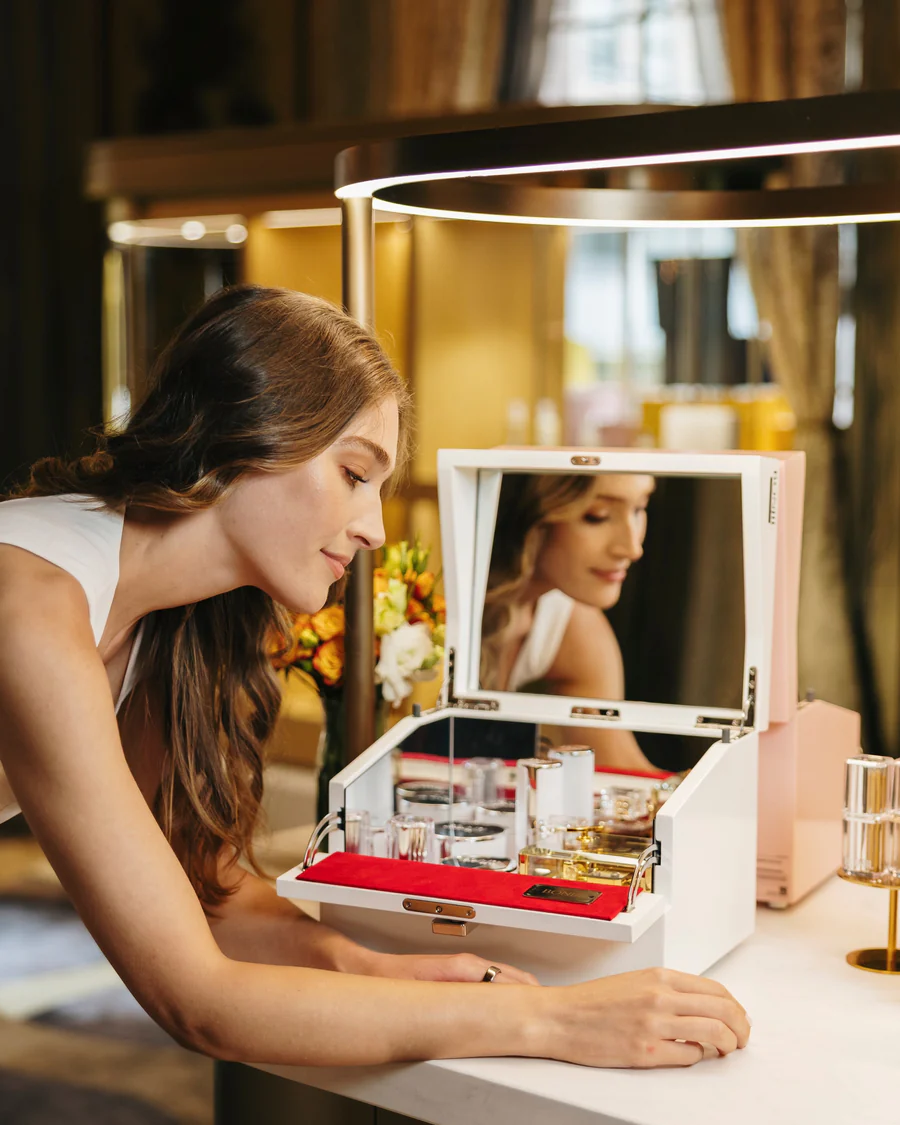
Yes, BONJIL's Sensory Science Collections can enhance your neurocosmetic masking experience by pairing active neuropeptide formulations with deliberate multisensory cues. BONJIL designs each product as part of a ritual, incorporating texture, fragrance, and even calming music through its Music Box collection to activate skin-brain pathways during application. The gentle touch involved in massaging creams or serums activates the brain's sensory pathways and can trigger the release of oxytocin and endorphins, as reported by Psychology Today in 2024. This neurochemical response complements the neuropeptide activity within the mask itself, creating a dual mechanism where both topical ingredients and sensory engagement work toward calmer, more resilient skin. For practitioners of consistent masking schedules, this layered approach represents the difference between passive product application and an intentional neurocosmetic experience.
What Are the Key Takeaways About Neurocosmetic Mask Frequency for Best Results?
The key takeaways about neurocosmetic mask frequency for best results are:
-
Most skin types benefit from applying a neurocosmetic mask one to two times per week.
-
Sensitive or reactive skin should begin at once weekly and increase only as tolerance confirms.
-
Evening application aligns with higher skin permeability and natural repair cycles.
-
Visible results from neuropeptide-based formulations typically emerge within four to eight weeks of consistent use.
-
Overuse risks barrier disruption, so more frequent application does not accelerate outcomes.
-
Pairing each session with a mindful, multisensory ritual amplifies both the neurological and dermatological benefits.
Consistency at the right frequency, rather than aggressive daily use, remains the most effective strategy for long-term neurocosmetic results.