Natural anti-aging skincare is a category of formulations built on clinically validated botanicals, certified natural ingredients, and emerging neuroscience that targets visible aging at its biological roots rather than masking surface symptoms.
This guide covers evolving definitions and regulatory standards, the most effective natural anti-aging ingredients, concern-specific ingredient strategies, product categories and routine building, ingredient compatibility and label verification, the role of clinical research, and how lifestyle factors and multisensory rituals amplify results.
The definition of "natural" in skincare has shifted from unregulated marketing language to a framework governed by third-party certifications like COSMOS and NATRUE, alongside new EU greenwashing protections. Neurocosmetics now plays a central role, as science confirms that chronic stress accelerates skin aging through measurable cortisol-driven pathways.
Ingredients with strong clinical backing lead the 2026 landscape. Bakuchiol matches retinol for wrinkle reduction with better tolerance. Plant-derived peptides stimulate collagen synthesis. Adaptogenic botanicals like Rhodiola rosea strengthen barrier resilience. Niacinamide, marine collagen boosters, mushroom-derived compounds, fermented extracts, plant stem cells, and polyhydroxy acids round out a category defined by peer-reviewed evidence rather than trend cycles.
Matching these actives to specific concerns (fine lines, firmness loss, hyperpigmentation, dullness, or barrier damage) and layering them correctly within a circadian-aligned routine determines whether they perform or underperform. Knowing which combinations to seek and which to avoid protects barrier integrity over time.
Beyond topical care, diet, sleep quality, and stress reduction directly influence skin aging at the cellular level. Multisensory rituals that calm the nervous system before product application create optimal conditions for active absorption, a principle central to BONJIL's neurocosmetics philosophy.
What Does Natural Anti-Aging Skincare Mean in 2026?
Natural anti-aging skincare in 2026 means formulations grounded in verified botanical efficacy, regulatory transparency, and the emerging science of the skin-brain axis. The following sections cover how the definition has evolved, what separates natural from clean labels, and why neurocosmetics now plays a central role.
How Has the Definition of Natural Skincare Evolved?
The definition of natural skincare has evolved from loosely regulated marketing language into a framework governed by third-party certifications and federal oversight. The FDA still has not established a legal definition for "natural," yet it intervenes when misleading anti-aging claims effectively reclassify a cosmetic as a drug.
Certification bodies now set measurable thresholds. The COSMOS standard for "Natural" certification requires at least 95% of the total formula to be of natural origin, permitting only a restricted list of approved synthetic ingredients for preservation. Meanwhile, the European Union's 2026 Green Claims Verification Mark, a leaf icon paired with a QR code, combats greenwashing by requiring verified environmental claims before a product can display the symbol.
This shift from self-declared "natural" labels to auditable, standards-backed verification represents the most significant evolution in the category's history.
What Is the Difference Between Natural and Clean Anti-Aging Skincare?
The difference between natural and clean anti-aging skincare lies in what each label prioritizes. Natural skincare focuses on ingredient origin, requiring that a defined percentage of the formula derives from plant, mineral, or marine sources. Clean skincare focuses on ingredient exclusion, removing substances considered potentially harmful, such as parabens, phthalates, or synthetic fragrances, regardless of whether replacements are naturally sourced.
A product can be clean without being natural if it uses lab-synthesized alternatives that pass safety screening. Conversely, a natural product may include permitted preservatives that a strict clean-beauty list would exclude. According to NATRUE certification standards, at least 95% of natural or natural-derived substances must come from certified organic farming for organic-level designation, a specificity that "clean" labels rarely match.
For consumers navigating anti-aging options, understanding this distinction prevents confusion at the shelf.
Why Is Neurocosmetics Shaping Natural Anti-Aging?
Neurocosmetics is shaping natural anti-aging in 2026 because science now confirms that chronic stress directly accelerates skin aging through measurable biological pathways. Elevated cortisol levels reduce skin hydration by up to 40% and compromise the skin barrier, while disrupting dermal repair, antioxidant capacity, and collagen integrity.
Dermatologist Emiliano Panconesi describes the brain and skin as "ectodermal twins" due to their shared embryonic origin, highlighting constant bidirectional communication through neuropeptides like beta-endorphins. This understanding has fueled rapid market growth; according to Fortune Business Insights, the global neurocosmetics market was valued at USD 1.94 billion in 2024 and is projected to reach USD 4.5 billion by 2034, growing at a CAGR of 8.61%.
Formulations now target this skin-brain axis directly. Neurocosmetic ingredients like Neurophroline can reduce cortisol production in skin cells by up to 70%, addressing aging at its neurological root rather than treating surface symptoms alone.
With the science of the skin-brain connection now well established, the next question becomes which specific natural ingredients deliver measurable anti-aging results.
What Are the Most Effective Natural Anti-Aging Ingredients?
The most effective natural anti-aging ingredients span plant-derived retinol alternatives, bioactive peptides, adaptogens, and fermented extracts. Below, each ingredient category is broken down by function and clinical evidence.

Bakuchiol
Bakuchiol is a plant-derived meroterpene extracted from the seeds of Psoralea corylifolia. It targets the same retinoid receptors as synthetic retinol, promoting cell turnover and collagen production without the irritation profile. According to a clinical study published in the British Journal of Dermatology, a 12-week trial demonstrated that 0.5% bakuchiol is comparable to retinol in reducing wrinkle surface area and hyperpigmentation, with significantly better skin tolerance and no reports of stinging or burning. This gentler mechanism makes bakuchiol particularly valuable for sensitive or reactive skin types that cannot tolerate traditional retinoids.
Peptides Derived From Plant Sources
Peptides derived from plant sources are short-chain amino acid sequences extracted from botanicals such as rice, soy, and legumes. These biomimetic peptides function as signaling molecules that communicate directly with fibroblasts to stimulate collagen synthesis. According to Sacra Cosmetics, plant-derived peptides used in 2026 formulations can reduce wrinkle depth by up to 30% in four weeks. Unlike synthetic peptides, plant-sourced variants often carry complementary antioxidant compounds from their botanical matrix, offering dual-action benefits within a single ingredient.
Adaptogenic Botanicals
Adaptogenic botanicals are stress-modulating plants, such as Rhodiola rosea, ashwagandha, and holy basil, that help skin cells resist environmental and hormonal stressors. These ingredients regulate cortisol-mediated damage at the cellular level. A 2026 study published in the International Research Journal of Pharmaceutical and Medical Sciences found that Rhodiola rosea increases local beta-endorphin levels by 15%, enhancing barrier resilience. With the global adaptogens market expected to reach USD 22.46 billion by 2034, these botanicals are rapidly transitioning from supplements into mainstream topical skincare.
Fermented Natural Extracts
Fermented natural extracts are botanical ingredients transformed through microbial fermentation to produce smaller, more bioavailable molecules. The fermentation process breaks down plant compounds into forms that penetrate the skin more effectively while generating beneficial postbiotics, including lactic acid, amino acids, and enzymes. Fermented rice water, galactomyces, and saccharomyces are among the most widely used in 2026 formulations. This pre-digestion of plant material also reduces the allergenic potential of raw botanicals. For those building a routine around gentle yet effective actives, fermented extracts pair well with barrier-supportive ingredients.
Plant-Based Retinol Alternatives
Plant-based retinol alternatives are naturally derived compounds that mimic retinol's collagen-boosting and cell-renewal effects through different biochemical pathways. Beyond bakuchiol, this category includes rosehip seed oil (rich in trans-retinoic acid), sea fennel extract, and bidens pilosa. These alternatives activate retinoid-like gene expression without binding to the same receptors that cause the flaking and photosensitivity associated with prescription retinoids. For practitioners who have seen clients abandon retinol due to intolerance, plant-based alternatives represent the most practical path to sustained compliance.
Niacinamide From Natural Sources
Niacinamide from natural sources is a form of vitamin B3 derived from whole-food origins, including nutritional yeast, sunflower seeds, and mushrooms. Niacinamide strengthens the lipid barrier, regulates sebum production, and inhibits melanin transfer. A 12-week clinical trial reported by Dermatology Times found that a topical 5% niacinamide emulsion produced a 21% improvement in fine lines and a 14% improvement in skin tone clarity. Naturally sourced niacinamide often retains trace co-factors from its botanical matrix, which may support enhanced bioactivity compared to isolated synthetic forms.
Marine Collagen Boosters
Marine collagen boosters are peptides sourced primarily from fish by-products, including skin, scales, and cartilage, that stimulate the body's own collagen production. These peptides feature a low molecular weight, allowing for efficient dermal absorption when applied topically or ingested as supplements. According to Persistence Market Research, the global marine collagen market is projected to grow from USD 1.3 billion in 2026 to USD 2.4 billion by 2033. Marine-sourced collagen is increasingly preferred over bovine alternatives due to its superior bioavailability and lower risk of allergenicity.
Mushroom-Derived Compounds
Mushroom-derived compounds are bioactive molecules extracted from medicinal fungi, including Reishi, chaga, tremella, and cordyceps. These extracts deliver potent antioxidant, anti-inflammatory, and hydrating properties. According to research published by the National Center for Biotechnology Information, L-ergothioneine from species like Reishi stabilizes collagen and protects against UV-induced photoaging. Tremella mushroom, often called "nature's hyaluronic acid," holds up to 500 times its weight in water. This combination of antioxidant defense and deep hydration makes mushroom compounds uniquely versatile.
Plant Stem Cells
Plant stem cells are undifferentiated cells harvested from the meristematic tissue of botanicals, then cultured in controlled environments to produce concentrated bioactive extracts. According to research published in Applied Sciences (MDPI), plant stem cells derived from Swiss apples (Malus domestica) stimulate human stem cell proliferation and protect skin cells from UV-induced oxidative stress. Other commonly used sources include grape, edelweiss, and argan stem cells. Because they are cultivated through biotechnology rather than wild harvesting, plant stem cells also represent a sustainable sourcing model.
Polyhydroxy Acids From Natural Origins
Polyhydroxy acids from natural origins are gentle exfoliating acids, such as gluconolactone and lactobionic acid, derived from natural sugars and plant-based fermentation processes. PHAs deliver anti-aging exfoliation comparable to AHAs but with significantly less irritation. According to research in the International Journal of Cosmetic Science, their larger molecular size prevents deep penetration, making them suitable for sensitive skin routines in 2026. PHAs also function as humectants, drawing moisture into the skin while they exfoliate. Understanding how these ingredients target specific skin concerns reveals their full strategic value.
How Do Natural Anti-Aging Ingredients Target Different Skin Concerns?
Natural anti-aging ingredients target different skin concerns by addressing specific biological mechanisms, from collagen loss and melanin overproduction to barrier dysfunction. The following sections match the best natural actives to five core aging concerns.
Which Natural Ingredients Work Best for Fine Lines and Wrinkles?
The natural ingredients that work best for fine lines and wrinkles are bakuchiol, plant-derived peptides, and niacinamide. Each stimulates collagen production or accelerates cell turnover to reduce wrinkle depth.
Bakuchiol stands out as a retinol alternative with clinical validation. A 12-week clinical study published in the British Journal of Dermatology found that 0.5% bakuchiol is comparable to retinol in reducing wrinkle surface area, with significantly better skin tolerance and no reports of stinging or burning. Plant-derived peptides from rice and soy act as signaling molecules that can reduce wrinkle depth by up to 30% in four weeks.
For those with sensitivity concerns, niacinamide offers a gentler path to visible results. Pairing bakuchiol with peptides in a single routine is one of the most practical strategies for addressing fine lines without compromising barrier health.
Which Natural Ingredients Work Best for Loss of Firmness?
The natural ingredients that work best for loss of firmness are marine collagen boosters, plant stem cells, and adaptogenic botanicals. These actives restore structural integrity by supporting the dermal matrix from multiple angles.
Marine collagen peptides sourced from fish by-products improve skin elasticity and hydration by supplying bioavailable amino acids that support the skin's own collagen network. Plant stem cells derived from Swiss apples (Malus domestica) stimulate human stem cell proliferation and protect skin cells from UV-induced oxidative stress, according to research published in Applied Sciences (MDPI). Adaptogenic botanicals like Rhodiola rosea further reinforce firmness by managing oxidative damage and enhancing barrier resilience.
Firmness loss is rarely caused by a single factor, which makes a multi-ingredient approach more effective than relying on any one active alone.
Which Natural Ingredients Work Best for Hyperpigmentation and Age Spots?
The natural ingredients that work best for hyperpigmentation and age spots are bakuchiol, niacinamide, and fermented natural extracts. These ingredients interrupt melanin overproduction at different stages of the pigmentation pathway.
Bakuchiol inhibits tyrosinase activity, the enzyme responsible for melanin synthesis, producing visible reductions in hyperpigmentation comparable to retinol. A 12-week clinical trial reported by Dermatology Times found that a topical 5% niacinamide emulsion delivered a 14% improvement in skin tone clarity, confirming its role as an effective brightening agent. Fermented extracts enhance this effect by improving the bioavailability of brightening compounds, allowing deeper penetration into the epidermis.
Consistent, long-term use matters more than concentration when targeting pigmentation. Layering a gentle melanin inhibitor like bakuchiol with niacinamide often yields better cumulative results than aggressive single-ingredient approaches.
Which Natural Ingredients Work Best for Dullness and Uneven Texture?
The natural ingredients that work best for dullness and uneven texture are polyhydroxy acids, niacinamide, and mushroom-derived compounds. These actives promote cell turnover, enhance radiance, and defend against oxidative damage that accelerates surface aging.
Polyhydroxy acids like gluconolactone provide exfoliation benefits similar to traditional AHAs but with less irritation due to their larger molecular size, making them well suited for sensitive skin. According to research published in the International Journal of Cosmetic Science, PHAs deliver anti-aging exfoliation while simultaneously hydrating the skin surface. Mushroom extracts containing L-ergothioneine, particularly from Reishi, stabilize collagen and neutralize free radicals that contribute to a lackluster complexion.
-
Gluconolactone gently dissolves dead cell buildup without triggering inflammation.
-
Niacinamide improves overall skin tone clarity and strengthens the moisture barrier.
-
L-ergothioneine provides antioxidant protection against UV-induced photoaging.
Dullness often signals both surface congestion and deeper oxidative stress, so combining a gentle exfoliant with an antioxidant-rich compound addresses both layers simultaneously.
Which Natural Ingredients Work Best for Dryness and Barrier Damage?
The natural ingredients that work best for dryness and barrier damage are adaptogenic botanicals, marine collagen peptides, and niacinamide. These ingredients restore moisture levels and reinforce the skin's protective lipid barrier.
Adaptogenic botanicals like Rhodiola rosea help the skin manage oxidative stress and have been shown in clinical studies published by IRJPMS to increase local beta-endorphin levels by 15%, enhancing barrier resilience. Niacinamide strengthens the ceramide layer that prevents transepidermal water loss, while marine collagen peptides replenish hydration from within the dermal matrix.
-
Rhodiola rosea reduces stress-driven barrier breakdown.
-
Niacinamide rebuilds the lipid barrier and retains moisture.
-
Marine collagen peptides improve deep skin hydration and elasticity.
Barrier repair is the foundation every other anti-aging benefit depends on. Prioritizing barrier-strengthening ingredients before adding potent actives like retinol alternatives prevents the cycle of irritation that undermines long-term results.
With concern-specific ingredients identified, choosing the right product format ensures these actives reach the skin effectively.
What Are the Best Natural Anti-Aging Product Categories?
The best natural anti-aging product categories for 2026 are serums, moisturizers, eye treatments, facial oils, and masks. Each category serves a distinct function in a complete routine, from deep active delivery to surface-level barrier protection.
What Should You Look for in a Natural Anti-Aging Serum?
You should look for a natural anti-aging serum that features concentrated actives in a lightweight, fast-absorbing base. Serums use smaller molecules designed to penetrate deeper into the skin's surface compared to heavier formulations. According to No7 Beauty, skincare serums are formulated with smaller molecules to penetrate up to 10 layers deep, whereas moisturizers use larger molecules to seal the surface and prevent transepidermal water loss. Priority ingredients include bakuchiol, plant-derived peptides, and stabilized vitamin C. Airless pump packaging is essential for preserving oxidation-sensitive natural actives. A serum with neurocosmetic compounds, such as adaptogens or cortisol-regulating botanicals, adds a skin-brain axis benefit that purely topical formulas miss.
What Should You Look for in a Natural Anti-Aging Moisturizer?
You should look for a natural anti-aging moisturizer that locks in hydration while reinforcing the skin barrier. The primary role of a moisturizer differs from a serum: it prevents transepidermal water loss (TEWL) rather than delivering deep-penetrating actives. Key ingredients to prioritize include:
-
Niacinamide for improving fine lines and skin tone clarity.
-
Ceramides or plant-derived lipids for barrier repair.
-
Adaptogenic botanicals like Rhodiola rosea for oxidative stress defense.
-
Polyhydroxy acids (PHAs) for gentle surface exfoliation suited to sensitive skin.
Rich, occlusive textures work best at night when skin repair peaks, while lighter gel-cream formulas pair well with morning antioxidant serums.
What Should You Look for in a Natural Anti-Aging Eye Treatment?
You should look for a natural anti-aging eye treatment formulated specifically for the thinner, more delicate periorbital skin. This area lacks sebaceous glands and loses elasticity faster than the rest of the face, making targeted care essential. Effective natural eye treatments contain plant-derived peptides that signal collagen synthesis, mushroom-derived L-ergothioneine for antioxidant protection, and marine collagen-boosting compounds that support firmness. Fragrance-free formulations reduce irritation risk in this sensitive zone. Lightweight textures, such as gel-balm hybrids, absorb without pulling or tugging during application, which matters for preventing mechanical stress on already-vulnerable tissue.
What Should You Look for in a Natural Anti-Aging Facial Oil?
You should look for a natural anti-aging facial oil rich in essential fatty acids and lipid-soluble antioxidants. Facial oils serve as the final occlusive step in an evening routine, sealing actives and moisture beneath a protective barrier. Plant stem cell extracts, such as those derived from Swiss apple (Malus domestica), offer UV-protective and cell-proliferative benefits when suspended in an oil base. According to Applied Sciences (MDPI), plant stem cells from Malus domestica stimulate human stem cell proliferation and protect skin cells from UV-induced oxidative stress. Cold-pressed botanical oils like rosehip, argan, and sea buckthorn deliver vitamin E and carotenoids without synthetic stabilizers. For the most discerning routines, a facial oil that incorporates sensory elements, such as calming botanical aromas, transforms application into a ritual.
What Should You Look for in a Natural Anti-Aging Mask?
You should look for a natural anti-aging mask that delivers intensive treatment-level concentrations of actives in a single session. Masks allow prolonged skin contact time, enabling deeper absorption of ingredients like fermented extracts, PHAs, and adaptogenic botanicals. Weekly masking with enzyme-rich or antioxidant-dense formulas addresses cumulative oxidative damage that daily products maintain rather than reverse. Clay-based masks suit oilier skin types, while hydrating sheet or cream masks benefit dry or barrier-compromised skin. The ritual aspect of masking also matters for skin longevity: dedicated, unhurried application encourages the mindful engagement that supports lower cortisol and better barrier recovery.
Understanding what each product category delivers helps you build a routine where every step serves a purpose.
How Should You Build a Natural Anti-Aging Skincare Routine?
You should build a natural anti-aging skincare routine by layering products from thinnest to thickest consistency, adapting steps to your skin type, and splitting actives between morning and evening. The following sections cover application order, skin type adjustments, and AM/PM priorities.

What Order Should You Apply Natural Anti-Aging Products?
You should apply natural anti-aging products in order of molecular weight, moving from lightest to heaviest consistency. According to No7 Beauty, skincare serums are formulated with smaller molecules to penetrate up to 10 layers deep into the skin's surface, whereas moisturizers utilize larger molecules to seal the surface and prevent transepidermal water loss.
The correct layering sequence is:
-
Cleanser removes impurities and prepares the skin for active absorption.
-
Toner or essence rebalances pH and delivers lightweight hydration.
-
Targeted serum delivers concentrated actives like bakuchiol, niacinamide, or plant-derived peptides.
-
Eye treatment addresses the thinner periorbital skin with gentle formulations.
-
Moisturizer locks in all prior layers and reinforces the skin barrier.
-
Sunscreen (morning only) provides broad-spectrum UV protection as the final step.
Skipping this sequence, particularly applying heavier formulas before serums, blocks active ingredient penetration and reduces efficacy.
How Does Your Routine Change by Skin Type?
Your routine changes by skin type in the weight of products chosen and the actives prioritized at each step. Not every natural anti-aging ingredient suits every complexion equally, so adjusting textures and formulations prevents irritation while maximizing results.
-
Oily skin benefits from lightweight, water-based serums with niacinamide and gel moisturizers that hydrate without congesting pores.
-
Dry skin responds well to richer plant oils, marine collagen boosters, and barrier-reinforcing creams containing adaptogenic botanicals.
-
Sensitive skin should favor gentle actives; polyhydroxy acids (PHAs) like gluconolactone deliver anti-aging benefits similar to AHAs but with significantly less irritation due to their larger molecular size, as noted in the International Journal of Cosmetic Science.
-
Combination skin often requires a split approach: lighter formulations on the T-zone and richer textures on drier areas like cheeks.
What Morning Versus Evening Steps Matter Most?
The morning versus evening steps that matter most differ because skin biology follows a circadian rhythm. During daytime hours, the skin faces UV exposure and elevated cortisol, making antioxidant defense the priority. According to chronomedical research published on Preprints.org, skin cortisol peaks in the morning, which makes antioxidant-rich natural products most effective during daytime application to counter stress-induced damage.
-
Morning priorities include vitamin C serums, adaptogenic botanicals for oxidative protection, lightweight hydration, and broad-spectrum sunscreen as the non-negotiable final layer.
-
Evening priorities shift toward repair and renewal: bakuchiol or plant-based retinol alternatives, nourishing facial oils, and richer moisturizers that support overnight cellular recovery.
This circadian-aligned approach ensures actives work with the skin's natural repair cycle rather than against it, making routine timing just as important as product selection.
What Ingredient Combinations Should You Avoid or Seek Out?
The ingredient combinations you should avoid include retinoids paired with AHAs and certain acid-vitamin conflicts, while the combinations you should seek out include vitamin C with sunscreen, niacinamide with peptides, and bakuchiol with hydrating actives. Knowing which pairings amplify results and which compromise your skin barrier is essential for building an effective natural anti-aging routine.
Certain active ingredients compete for the same pH range or exfoliation pathways, which leads to irritation rather than rejuvenation. According to The Inkey List, combining retinoids with alpha hydroxy acids can cause excessive irritation and barrier damage, while vitamin C and niacinamide have traditionally been avoided due to potential pH conflicts, though modern stabilized forms may be compatible. This distinction matters: outdated pairing rules can limit your routine unnecessarily when newer formulations have resolved the underlying stability issues.
The combinations worth seeking out work through complementary mechanisms:
-
Bakuchiol paired with hyaluronic acid delivers retinol-like wrinkle reduction without dryness.
-
Niacinamide layered with peptides supports barrier repair while stimulating collagen synthesis.
-
Vitamin C applied under broad-spectrum SPF amplifies antioxidant photoprotection during morning hours.
-
Adaptogenic botanicals combined with ceramides reinforce barrier resilience under environmental stress.
-
PHAs paired with squalane offer gentle exfoliation alongside lipid replenishment for sensitive skin.
Timing also influences compatibility. Chronomedical research shows that skin cortisol follows a circadian rhythm and peaks in the morning, making antioxidant-rich combinations most effective during daytime application. Reserving cell-renewing actives like bakuchiol or peptides for evening use aligns with the skin's natural overnight repair cycle.
For most routines, the safest strategy is separating strong exfoliants from retinol alternatives by alternating nights, rather than layering them simultaneously. This approach preserves barrier integrity while still delivering the full spectrum of anti-aging benefits over time.
Understanding which pairings to trust on a product label requires knowing how to verify the formulation itself.
How Do You Read Labels to Verify Truly Natural Formulations?
You read labels to verify truly natural formulations by checking for third-party certifications, scanning the INCI ingredient list for synthetic fillers, and understanding regulatory standards that define "natural" in 2026. The absence of a legal FDA definition for "natural" makes independent verification essential.
The INCI (International Nomenclature of Cosmetic Ingredients) list remains the most reliable tool on any product. Ingredients appear in descending order by concentration, so the first five entries reveal a formula's true foundation. If synthetic emulsifiers, artificial fragrances listed as "parfum," or petroleum derivatives like mineral oil appear near the top, the product relies more on synthetics than its front label suggests.
Third-party certification seals offer the strongest verification shortcut. Key certifications to recognize include:
-
COSMOS Natural requires at least 95% of the total formula to be of natural origin, permitting only a restricted list of approved synthetic ingredients for preservation.
-
NATRUE Organic mandates that at least 95% of natural or natural-derived substances come from certified organic farming.
-
EU Green Claims Verification Mark, introduced in 2026, displays a leaf icon with a QR code to signal verified environmental claims and combat greenwashing.
According to the U.S. Food and Drug Administration (FDA), no legal definition for "natural" currently exists in cosmetics regulation, though the agency intervenes when anti-aging claims cause a product to be reclassified as a drug under the FD&C Act.
Beyond certifications, watch for common greenwashing tactics. Brands may use terms like "plant-powered" or "nature-inspired" without meeting any recognized standard. A product listing "botanical extract" last among 30 ingredients contains only a trace amount. Similarly, green packaging and leaf imagery create natural associations that the formula itself may not support.
For consumers prioritizing skin longevity and barrier health, which independent studies show 92.9% of buyers now favor over quick-fix anti-aging claims, reading beyond the marketing copy is non-negotiable. The ingredient list never lies about what touches your skin; the front label often does.
Understanding how to decode labels builds the foundation for evaluating the clinical research behind any natural anti-aging product.

What Role Does Science-Backed Research Play in Natural Anti-Aging?
Science-backed research validates which natural ingredients genuinely reduce visible aging signs and separates effective formulations from marketing claims. Clinical trials, peer-reviewed studies, and emerging fields like neurocosmetics provide the evidence consumers need to make informed choices.
Clinical evidence is what transforms a promising botanical into a proven anti-aging active. Without controlled trials measuring outcomes like wrinkle reduction, collagen synthesis, or barrier recovery, "natural" remains a feel-good label rather than a functional guarantee. A 12-week clinical study published in the British Journal of Dermatology demonstrated that 0.5% bakuchiol matched retinol in reducing wrinkle surface area and hyperpigmentation, with significantly better skin tolerance and zero reports of stinging or burning. Results like these give consumers confidence that plant-derived alternatives deliver measurable outcomes, not just gentler textures.
For ingredients that lack this level of rigorous, independent validation, skepticism is warranted regardless of how appealing the origin story sounds. The most reliable natural anti-aging routines are built on actives whose benefits have been quantified under clinical conditions, not merely observed anecdotally.
Neurocosmetics represents one of the most compelling research frontiers validating a holistic approach to skin aging. This field studies how the nervous system directly influences skin health through neuropeptides, cortisol regulation, and the stress-skin feedback loop. According to a 2026 study published in GeroScience, chronic psychological stress elevates skin cortisol levels, which accelerates aging by disrupting dermal repair, reducing antioxidant capacity, and compromising collagen integrity.
This research reframes anti-aging beyond topical chemistry alone. When stress hormones actively degrade collagen and deplete the skin's defenses, addressing the nervous system becomes as relevant as choosing the right serum. Neurocosmetic ingredients like Neurophroline can reduce cortisol production in skin cells, while ritualistic application methods that calm the mind may amplify product efficacy. The convergence of dermatology and neuroscience is, in my experience, the most underappreciated advancement in natural skincare this decade.
Consumers benefit most when they treat published research as a filtering tool. Ingredients supported by peer-reviewed clinical trials, such as niacinamide, bakuchiol, and plant-derived peptides, deserve priority in any routine. Formulations making bold anti-aging claims without citing specific study parameters (duration, sample size, measured endpoints) should raise questions. In 2026, the gap between evidence-based natural skincare and unsubstantiated "clean beauty" marketing continues to widen, making scientific literacy an essential part of any anti-aging strategy.
Understanding how research validates ingredients sets the stage for recognizing which daily habits further support skin longevity.
How Do Lifestyle Factors Complement Natural Anti-Aging Skincare?
Lifestyle factors complement natural anti-aging skincare by addressing the internal biological processes that topical products alone cannot fully control. Diet, sleep, and stress management each influence skin aging at the cellular level.
How Does Diet Affect Skin Aging?
Diet affects skin aging by directly influencing hydration, collagen integrity, and wrinkle formation. According to a 2026 study published in the Journal of Lifestyle Medicine, high-sugar and high-salt diets are clinically associated with increased skin atrophy and wrinkle formation, whereas plant-predominant diets rich in antioxidants improve hydration biomarkers.
Antioxidant-dense foods, including berries, leafy greens, and fatty fish, provide the same protective compounds found in natural anti-aging ingredients like adaptogenic botanicals and niacinamide. When these nutrients reach skin cells through the bloodstream, they reinforce what topical formulations deliver from the outside. Pairing a clean diet with a consistent natural skincare routine creates a two-directional defense against premature aging that neither approach achieves in isolation.
Why Does Sleep Quality Matter for Anti-Aging?
Sleep quality matters for anti-aging because the skin's repair and regeneration cycles are most active during deep rest. According to Harvard Health, chronic sleep deprivation is linked to a 45% increase in transepidermal water loss (TEWL) and a significant decrease in skin barrier recovery rates.
This elevated TEWL accelerates fine lines, dullness, and barrier damage. During sleep, the body increases blood flow to the skin, enabling collagen rebuilding and cellular turnover. Even the most effective natural anti-aging ingredients, such as bakuchiol or plant-derived peptides, depend on this overnight repair window to deliver their full benefits. Prioritizing seven to nine hours of quality sleep is one of the simplest ways to amplify the results of any natural skincare routine.
How Do Mindfulness and Stress Reduction Enhance Skincare Results?
Mindfulness and stress reduction enhance skincare results by lowering cortisol, the hormone most directly responsible for accelerating skin aging. A 21-day consumer perception study of 35 participants found that incorporating mindfulness rituals into a skincare routine significantly improved smoothing effects and perceived skin restfulness.
Chronic stress disrupts dermal repair, reduces antioxidant capacity, and compromises collagen integrity. Techniques such as breathwork, meditation, or sensory rituals before product application help calm the nervous system, creating optimal conditions for active ingredients to absorb and perform. This is precisely why brands like BONJIL integrate multisensory elements into their skincare philosophy. When stress is managed consistently, the skin barrier functions more effectively, allowing natural formulations to work as intended.
With internal habits aligned, a multisensory ritual can further deepen these benefits.
How Can a Multisensory Ritual Elevate Your Natural Anti-Aging Routine?
A multisensory ritual can elevate your natural anti-aging routine by engaging the nervous system to lower stress hormones that directly accelerate skin aging. The following sections explore how BONJIL's neurocosmetics approach enhances results and summarize the key takeaways.

Can BONJIL's Neurocosmetics Approach Enhance Natural Anti-Aging Results?
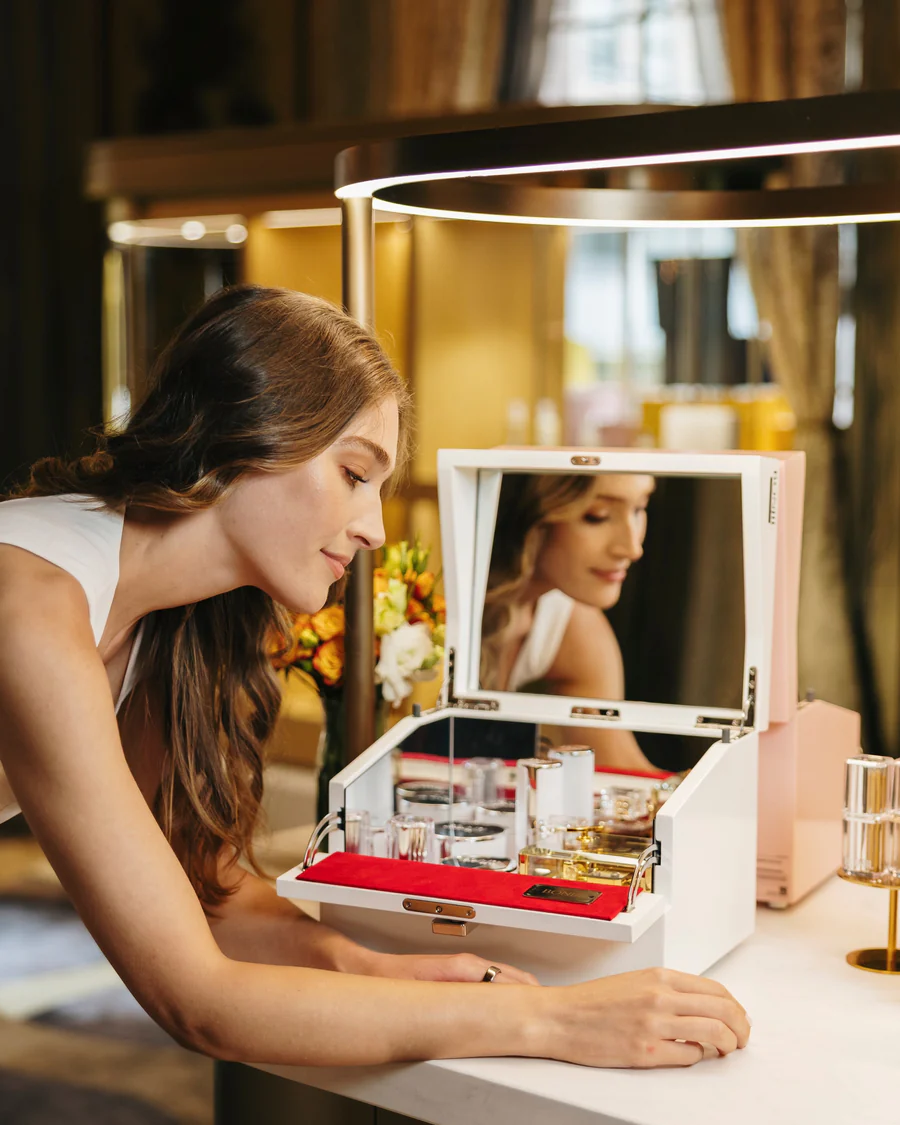
Yes, BONJIL's neurocosmetics approach can enhance natural anti-aging results by addressing the skin-brain axis before active ingredients ever touch the skin. BONJIL utilizes a "Music Box" ritual designed to reset the nervous system and lower cortisol levels before application of its neurosensory skincare formulations. This matters because chronic psychological stress elevates skin cortisol, which accelerates aging by disrupting dermal repair, reducing antioxidant capacity, and compromising collagen integrity.
By calming the nervous system first, the skin becomes more receptive to natural actives like bakuchiol, plant-derived peptides, and adaptogenic botanicals. According to Fortune Business Insights, the global neurocosmetics market was valued at USD 1.94 billion in 2024 and is projected to reach USD 4.5 billion by 2034, reflecting growing recognition that sensory experience and skin efficacy are inseparable. BONJIL's philosophy of "Beauty, Felt With Every Sense" positions the brand at this intersection, where ritual and science converge to deliver measurable anti-aging outcomes.
What Are the Key Takeaways About Natural Anti-Aging Skincare Products and Ingredients?
The key takeaways about natural anti-aging skincare products and ingredients center on three shifts: science-backed natural actives, stress-aware formulation, and intentional routine design.
-
Ingredients like bakuchiol, plant-derived peptides, niacinamide, and adaptogenic botanicals now have clinical evidence rivaling synthetic alternatives, with better tolerance profiles.
-
Neurocosmetics has emerged as a defining category, recognizing that cortisol management is as critical to skin longevity as any topical active.
-
Consumers overwhelmingly prioritize skin longevity and barrier health over quick-fix solutions, demanding transparency through certifications like COSMOS and NATRUE.
-
Routine order, ingredient compatibility, and circadian timing all influence how effectively natural products perform.
-
Multisensory rituals that engage the nervous system before product application represent a meaningful advancement in how skincare delivers results.
For anyone building a natural anti-aging routine in 2026, the most practical approach combines clinically validated ingredients with a mindful application process that accounts for both skin biology and emotional wellbeing.