Anxiety-related skin redness is a physiological response driven by stress hormones, nervous system activation, and inflammatory signaling that produces visible flushing, blotchiness, and sensory discomfort on the face, neck, and chest. The connection operates through the skin-brain axis, where emotional distress translates directly into vascular and barrier changes at the skin's surface.
This guide covers the biological mechanisms behind stress-induced flushing, the specific symptoms that distinguish anxiety redness from other causes, skin conditions that anxiety triggers or worsens, diagnostic approaches, evidence-based relief strategies, and daily skincare habits that protect stress-reactive skin.
Anxiety activates the HPA axis and sympathetic nervous system simultaneously, flooding the body with cortisol while neuropeptides like Substance P and CGRP trigger neurogenic inflammation and vasodilation. Chronically elevated cortisol thins the epidermis, impairs lipid production, and increases transepidermal water loss, leaving skin unable to self-regulate.
Anxiety flushing appears suddenly during emotional stress, typically bilateral across the cheeks, and resolves once the stressor passes. Tingling, burning, and prickling sensations often accompany or outlast the visible redness, driven by overactive nerve signaling rather than a separate dermatological cause.
Rosacea, eczema, hives, psoriasis, and contact dermatitis each worsen through distinct stress-inflammatory pathways. Women, younger adults, and those with pre-existing skin conditions face compounded susceptibility.
Effective relief pairs nervous system regulation (deep breathing, mindfulness meditation, cognitive behavioral therapy) with targeted skincare using barrier-supporting ingredients like niacinamide, centella asiatica, and azelaic acid. A consistent, gentle routine prevents further barrier compromise during high-anxiety periods, while multisensory skincare rituals transform daily application into a calming practice that addresses both the emotional trigger and the skin's inflammatory response.
Why Does Anxiety Cause Skin Redness?
Anxiety causes skin redness by activating the body's stress response, which triggers hormonal cascades, increased blood flow, and inflammatory signaling that manifest visibly on the skin. The following sections explain how flushing begins, cortisol's role, blood flow changes, and the path to chronic redness.
How Does the Stress Response Trigger Facial Flushing?
The stress response triggers facial flushing through a coordinated cascade involving the nervous system, stress hormones, and inflammatory neuropeptides. Psychological stress activates the hypothalamic-pituitary-adrenal (HPA) axis, releasing corticotropin-releasing hormone (CRH), which stimulates adrenocorticotropic hormone (ACTH) and ultimately cortisol.
Simultaneously, the sympathetic nervous system sends vasodilator fibers along conventional sympathetic pathways to the face, directly dilating blood vessels beneath the skin. According to a 2012 review in Acta Dermato-Venereologica (Suárez et al.), acute stress also stimulates sensory nerves to release neuropeptides like Substance P and calcitonin gene-related peptide (CGRP), which interact with mast cells to trigger neurogenic inflammation, vasodilation, and plasma extravasation.
This multi-pathway activation explains why anxiety-prone individuals, particularly the approximately 68% of rosacea patients who identify psychological stress as a flare-up trigger, experience rapid visible flushing.

What Role Does Cortisol Play in Anxiety-Related Redness?
Cortisol plays a central role in anxiety-related redness by weakening the skin's protective barrier and amplifying local inflammation. When anxiety activates the HPA axis, cortisol floods the bloodstream. While cortisol initially suppresses widespread inflammation, prolonged elevation produces the opposite effect in skin tissue.
Chronically elevated cortisol thins the epidermis, reduces lipid production, and increases sensitivity to environmental irritants. This compromised barrier allows moisture to escape and irritants to penetrate more easily, leaving skin prone to reactive redness. The skin essentially loses its ability to self-regulate, making even mild stressors capable of producing a visible flush. For anyone managing recurring anxiety, this cortisol-driven barrier dysfunction is often the hidden driver behind persistent, unexplained redness.
How Does Increased Blood Flow From Anxiety Affect the Skin?
Increased blood flow from anxiety affects the skin by producing sudden, visible flushing on the face, neck, and upper chest, often accompanied by heat and sweating. This occurs because the sympathetic nervous system redirects blood toward the skin's surface during a stress response.
Beyond surface flushing, anxiety-driven blood flow changes impair the skin barrier at a deeper level. According to a 2018 study published in Nature Scientific Reports (Choe et al.), psychological stress increases expression of 11β-hydroxysteroid dehydrogenase type 1 (11β-HSD1) in skin, converting inactive cortisone into active cortisol locally. This localized cortisol surge increases transepidermal water loss and weakens barrier integrity.
Women may experience these effects more frequently; the Anxiety and Depression Association of America reports that women are approximately twice as likely as men to be affected by generalized anxiety disorder.
Can Anxiety-Induced Inflammation Lead to Chronic Redness?
Yes, anxiety-induced inflammation can lead to chronic redness when the stress-inflammation cycle repeats without adequate recovery. Each anxiety episode activates neuropeptides and mast cells, producing temporary vasodilation and inflammation. When these episodes become frequent, the skin's inflammatory baseline shifts upward, and blood vessels may remain persistently dilated.
Over time, this sustained neurogenic inflammation damages capillary walls and disrupts the skin barrier's ability to calm itself. Conditions like rosacea, eczema, and stress urticaria often worsen through this exact feedback loop. Ingredients like niacinamide, which the Cleveland Clinic identifies as clinically proven to ease inflammation and calm redness associated with acne, rosacea, and eczema, can help interrupt this cycle by reinforcing barrier health.
Breaking the pattern requires addressing both the anxiety trigger and the skin's inflammatory response simultaneously. Understanding the specific symptoms of anxiety-related redness helps distinguish it from other causes and guides more targeted care.
What Are the Symptoms of Anxiety-Related Skin Redness?
The symptoms of anxiety-related skin redness include sudden flushing, blotchy patches, and sensations like tingling or burning. These signs vary by location and intensity, as the following sections explain.

How Does Anxiety Flushing Differ From Other Skin Redness?
Anxiety flushing differs from other skin redness in its timing, triggers, and pattern. It appears suddenly during moments of stress or panic, then fades once the nervous system calms. According to Cleveland Clinic, skin flushing involves a sudden rush of blood to the face, neck, or upper chest, causing redness often accompanied by warmth and sweating.
Key distinguishing features of anxiety flushing include:
-
Onset coincides with a specific emotional trigger, not sun exposure, allergens, or temperature changes.
-
Redness is typically bilateral and symmetrical across the cheeks and forehead.
-
Episodes resolve within minutes to hours without treatment once the stressor passes.
-
No persistent papules, pustules, or textural changes remain after flushing subsides.
Conditions like rosacea or allergic reactions produce redness that persists independently of emotional state. When flushing consistently tracks with anxious episodes, the nervous system is the most likely driver.
What Does Stress-Induced Blotchiness Look Like on the Face?
Stress-induced blotchiness on the face appears as irregular, patchy areas of redness that lack the uniform distribution of a typical flush. These patches often concentrate around the cheeks, jawline, and forehead, with uneven borders that shift between episodes.
Unlike a solid flush, blotchiness reflects localized inflammatory responses where blood vessels dilate unevenly. The skin may look mottled, with some areas appearing significantly redder than surrounding tissue. In individuals with conditions like psoriasis, stress-induced inflammatory cytokines such as IL-17 and TNF-α intensify this patchiness through a bidirectional loop between mental state and skin pathology, according to a 2023 study published in Annals of Translational Medicine.
Blotchiness often worsens with repeated stress cycles, making early pattern recognition valuable for managing flare-ups.
Can Anxiety Cause Redness on the Neck and Chest?
Yes, anxiety can cause redness on the neck and chest. These areas contain dense networks of blood vessels close to the skin's surface, making them particularly responsive to the vasodilation that occurs during a stress response.
The neck and upper chest are common sites for anxiety-related flushing because:
-
Sympathetic nerve pathways extend beyond the face into these regions.
-
Thinner skin in these areas makes blood vessel dilation more visible.
-
Clothing friction and heat retention can amplify the redness during anxious episodes.
This pattern, sometimes called a "stress rash" or "emotional blush," frequently spreads downward from the face during intense anxiety. For many people, neck and chest redness is actually more noticeable and distressing than facial flushing itself.
What Are the Tingling or Burning Sensations That Accompany It?
The tingling or burning sensations that accompany anxiety-related skin redness are forms of paresthesia caused by neuro-sensitivity and overactive nerve signaling. According to AnxietyCentre.com, these sensations include tingling, prickling, or burning feelings that can occur even without visible skin eruptions, driven by heightened nervous system activity.
Common sensory symptoms during anxiety-related redness include:
-
A warm, burning feeling across flushed areas of the face, neck, or chest.
-
Prickling or "pins and needles" sensations on the skin surface.
-
Itchiness that intensifies with scratching, potentially triggering hive-like welts.
-
Skin that feels hypersensitive to touch, fabrics, or skincare products.
These sensations often precede or outlast visible redness, which can make them particularly unsettling. Recognizing these nerve-driven symptoms as part of the anxiety response, rather than a separate skin condition, helps guide more effective relief strategies.
What Skin Conditions Can Anxiety Trigger or Worsen?
Anxiety can trigger or worsen several skin conditions, including rosacea, eczema, hives, psoriasis, and contact dermatitis. Each condition responds to stress through distinct inflammatory pathways.
Rosacea
Rosacea is a chronic inflammatory skin condition that anxiety frequently triggers or intensifies. Stress activates neurogenic inflammation and vasodilation in facial blood vessels, producing persistent redness, visible capillaries, and papules. According to a 2023 National Rosacea Society survey of 544 patients, 62% reported experiencing a flare-up from stress at least once a month. Because rosacea already involves a hypersensitive vascular system, the added burden of anxiety-driven cortisol and neuropeptide release can push mild cases into more severe, treatment-resistant phases. Managing anxiety is often as important as topical therapy for long-term rosacea control.
Eczema
Eczema is a condition that anxiety worsens through a specific neuroimmune pathway. Chronic stress activates sympathetic neurons that release the chemokine CCL11, which recruits eosinophils to the skin and drives inflammation. This process intensifies the itch-scratch cycle characteristic of eczema flare-ups. Elevated cortisol also impairs the skin barrier, increasing transepidermal water loss and leaving skin more vulnerable to irritants. For eczema-prone individuals, stress reduction is not optional; it is a core component of flare prevention alongside moisturizers and anti-inflammatory treatments.
Hives and Stress Urticaria
Hives and stress urticaria are acute allergic-like skin reactions that anxiety can directly trigger. According to GoodRx (2025), stress-induced urticaria results from the release of inflammatory mediators like histamine from mast cells, which are activated by stress hormones and neuropeptides. These raised, itchy welts can appear anywhere on the body and may last minutes to hours. Unlike allergen-triggered hives, stress urticaria often recurs without an identifiable external cause, making anxiety management a critical part of treatment.
Psoriasis
Psoriasis is a chronic autoimmune skin condition that anxiety significantly worsens. Stress-induced inflammatory cytokines, particularly IL-17 and TNF-α, amplify the overactive immune response that drives psoriatic plaques. This creates a bidirectional cycle: psoriasis causes psychological distress, and that distress accelerates further flare-ups. Patients often notice new plaques or worsening of existing ones during periods of heightened anxiety. Breaking this feedback loop typically requires addressing both the dermatological symptoms and the underlying stress response simultaneously.
Contact Dermatitis Flare-Ups
Contact dermatitis flare-ups are episodes of skin inflammation that anxiety can intensify even without new allergen exposure. Stress compromises the skin barrier by increasing local cortisol conversion, which raises transepidermal water loss and lowers the threshold for irritant reactions. Neurodermatitis, characterized by raised, rough, itchy patches on the neck, wrists, forearms, or legs, often develops when chronic stress perpetuates an itch-scratch cycle. For individuals already sensitized to certain substances, anxiety makes the skin more reactive, turning minor exposures into full flare-ups. Understanding which conditions anxiety worsens helps guide both skincare and stress-management strategies.
Who Is Most Susceptible to Anxiety-Related Skin Redness?
The people most susceptible to anxiety-related skin redness include women, younger adults, individuals with pre-existing skin conditions, and those with heightened stress reactivity. Several demographic and physiological factors increase vulnerability.
-
Women experience anxiety disorders at roughly twice the rate of men, according to the Anxiety and Depression Association of America (ADAA). This higher prevalence translates directly into greater exposure to stress-driven skin responses, including flushing and blotchiness.
-
Younger adults face elevated risk. A 2023 study published in the Annals of Translational Medicine examining 214 dermatological patients found that age has a protective effect on anxiety, with the likelihood of experiencing anxiety decreasing as the patient's age increases. Younger skin may also be more vasoreactive, amplifying visible redness during stress episodes.
-
People with rosacea, eczema, psoriasis, or chronic urticaria carry a compounded risk because anxiety both triggers and intensifies these conditions. Their skin barrier is already compromised, so stress-induced cortisol spikes and neurogenic inflammation produce more severe and prolonged redness.
-
Individuals with generalized anxiety disorder or panic disorder experience frequent sympathetic nervous system activation. Repeated flushing episodes can sensitize facial blood vessels over time, lowering the threshold for future redness.
-
Fair-skinned individuals tend to show vascular changes more visibly, making stress-related flushing more noticeable even when the underlying physiological response is comparable to darker skin tones.
Susceptibility is rarely defined by a single factor. In most cases, it results from the overlap of psychological predisposition, skin type, and existing dermatological conditions. Recognizing which risk factors apply to you is the first step toward choosing the right diagnostic and relief strategies.
How Is Anxiety-Related Skin Redness Diagnosed?
Anxiety-related skin redness is diagnosed through a combination of clinical evaluation, patient history, and exclusion of other dermatological conditions. Diagnosis typically involves assessing symptom patterns, identifying emotional triggers, and differentiating stress-induced flushing from conditions like rosacea or allergic reactions.
No single test confirms anxiety as the cause of skin redness. Instead, dermatologists and mental health professionals work together to connect recurring episodes with psychological stressors. A thorough intake often reveals that flushing coincides with anxious episodes, panic attacks, or periods of chronic stress rather than environmental or dietary triggers.
Key diagnostic steps include:
-
Detailed patient history reviewing the timing, duration, and emotional context of redness episodes.
-
Physical examination assessing flushing distribution across the face, neck, and chest.
-
Trigger journaling where patients track stress levels alongside skin flare-ups to identify patterns.
-
Exclusion testing to rule out rosacea, contact dermatitis, allergic reactions, or hormonal imbalances.
-
Psychological screening using validated anxiety assessment tools to evaluate co-occurring mental health symptoms.
According to a 2019 study published in Anais Brasileiros de Dermatologia, rosacea patients have a significantly higher risk of generalized anxiety disorder, with psychological stress serving as a major trigger for flare-ups in approximately 68% of cases. This overlap makes differential diagnosis particularly important, since anxiety and rosacea frequently coexist and amplify each other.
Clinicians may also look for accompanying sensory symptoms. Tingling, prickling, or burning sensations without visible eruptions can point toward neurogenic involvement driven by anxiety rather than a purely dermatological cause. When redness resolves once the stressor passes and reappears during anxious episodes, the pattern itself becomes a strong diagnostic indicator.
For many patients, the most valuable diagnostic insight comes from recognizing that their skin responds predictably to emotional states. Understanding this connection between anxiety and skin redness opens the door to targeted relief strategies.
What Are the Most Effective Ways to Relieve Anxiety Skin Redness?
The most effective ways to relieve anxiety skin redness combine stress-reduction techniques with targeted skincare and professional therapy. The following subsections cover deep breathing, mindfulness meditation, soothing skincare ingredients, cold therapy, and cognitive behavioral therapy.

How Does Deep Breathing Calm Stress-Induced Flushing?
Deep breathing calms stress-induced flushing by activating the parasympathetic nervous system, which counteracts the sympathetic "fight-or-flight" response responsible for facial vasodilation. Slow, diaphragmatic breaths lower heart rate and reduce the surge of stress hormones that dilate blood vessels near the skin's surface.
Techniques like box breathing (inhale for four counts, hold for four, exhale for four, hold for four) can interrupt the acute stress cycle within minutes. Practiced consistently, deep breathing reduces baseline sympathetic arousal, making stress-triggered flushing episodes less frequent and less intense over time.
Can Mindfulness Meditation Reduce Facial Redness Over Time?
Yes, mindfulness meditation can reduce facial redness over time by lowering the chronic stress response that fuels skin inflammation. According to a 2024 review in Biomedicines (Calderone et al.), Mindfulness-Based Stress Reduction (MBSR) reduces amygdala reactivity and improves emotional regulation, which lowers cortisol levels and decreases stress-induced skin inflammation.
Because cortisol directly impairs skin barrier function and promotes vascular reactivity, sustained meditation practice addresses one of the root physiological drivers of anxiety-related redness. Even 10 to 15 minutes of daily practice can produce measurable changes in stress biomarkers over several weeks.
What Skincare Ingredients Help Soothe Anxiety-Related Redness?
Skincare ingredients that help soothe anxiety-related redness include niacinamide, centella asiatica, and azelaic acid. Each targets inflammation and barrier repair through distinct mechanisms:
-
Niacinamide strengthens the skin barrier and calms redness linked to acne, rosacea, and eczema.
-
Centella asiatica contains triterpenoid saponins like asiaticoside and madecassoside that modulate pro-inflammatory signaling and support collagen synthesis.
-
Azelaic acid (at 15% concentration) reduces erythema and papule counts in inflammatory skin conditions.
-
Ceramides replenish lipids lost through stress-impaired barrier function.
Formulations combining these actives with minimal fragrance offer the best results for stress-reactive skin.
How Does Cold Therapy Provide Immediate Redness Relief?
Cold therapy provides immediate redness relief by constricting dilated blood vessels near the skin's surface, a process called vasoconstriction. Applying a cold compress, chilled facial roller, or ice wrapped in a soft cloth for 10 to 15 minutes reduces blood flow to flushed areas and calms the inflammatory heat sensation.
This approach works best as an acute intervention during or immediately after a stress episode. Cold therapy does not address the underlying anxiety trigger, so pairing it with longer-term strategies like breathwork or meditation creates a more complete relief plan.
Can Cognitive Behavioral Therapy Address the Root Cause?
Yes, cognitive behavioral therapy (CBT) can address the root cause of anxiety skin redness by restructuring the thought patterns and behavioral responses that trigger chronic stress activation. CBT teaches patients to identify catastrophic thinking, interrupt anxiety spirals, and replace them with adaptive coping strategies.
Because the skin-brain axis operates bidirectionally, reducing psychological distress directly lowers the neurogenic inflammation and cortisol overproduction that drive persistent redness. For individuals whose flushing is closely tied to social anxiety or panic responses, CBT offers one of the most durable long-term solutions. Understanding these relief strategies helps inform the daily skincare habits that prevent stress redness from recurring.
What Skincare Habits Should You Adopt to Prevent Stress Redness?
The skincare habits you should adopt to prevent stress redness include maintaining a consistent routine, eliminating reactive ingredients, and prioritizing gentle cleansing. Each habit targets a different layer of skin vulnerability during anxious episodes.
How Does a Consistent Routine Protect Anxious Skin?
A consistent routine protects anxious skin by reinforcing the skin barrier against stress-driven damage. Psychological stress increases the conversion of inactive cortisone into active cortisol within the skin, leading to impaired barrier function and increased transepidermal water loss, according to a 2018 study published in Nature Scientific Reports (Choe et al.). When daily skincare steps remain predictable, the barrier receives steady support from hydrating and reparative ingredients rather than sporadic, reactive treatment.
Routine consistency also reduces decision fatigue during high-anxiety periods, when the temptation to skip steps or over-treat is strongest. A stable regimen with barrier-supporting actives like niacinamide and centella asiatica helps skin recover faster between flare-ups.
Which Products Should You Avoid When Skin Is Stress-Reactive?
The products you should avoid when skin is stress-reactive include those that compromise an already weakened barrier. Stress elevates cortisol locally, so adding harsh actives amplifies inflammation rather than resolving it.
Key categories to eliminate during flare-ups:
-
High-concentration exfoliating acids (glycolic, salicylic above 2%) strip protective lipids from sensitized skin.
-
Alcohol-based toners accelerate transepidermal water loss that stress has already increased.
-
Synthetic fragrances trigger neurogenic inflammation in skin with heightened nerve sensitivity.
-
Retinoids at full strength increase cell turnover too aggressively for a compromised barrier.
Switching to fragrance-free, minimal-ingredient formulations during reactive periods gives stressed skin the space to stabilize before reintroducing potent actives.
Why Is Gentle Cleansing Critical for Redness-Prone Skin?
Gentle cleansing is critical for redness-prone skin because aggressive cleansers strip the lipid layer that serves as the barrier's first line of defense. When stress has already impaired barrier integrity, harsh surfactants like sodium lauryl sulfate accelerate moisture loss and leave skin more vulnerable to environmental irritants.
Cream or milk cleansers with a pH between 4.5 and 5.5 preserve the acid mantle while effectively removing debris. According to the Cleveland Clinic (2026), niacinamide calms redness associated with conditions like rosacea and eczema by supporting a healthier skin barrier, making it an ideal ingredient in a gentle cleanser.
Lukewarm water matters as much as the formula itself; hot water dilates already reactive blood vessels, worsening visible redness. Building mindful cleansing into a calming skincare ritual transforms a functional step into a moment of sensory regulation.
How Does the Mind-Skin Connection Shape Your Daily Skincare?
The mind-skin connection shapes daily skincare by turning routine application into a calming ritual that addresses both emotional stress and visible redness. Below, we explore how multisensory rituals work and summarize the key takeaways from this article.
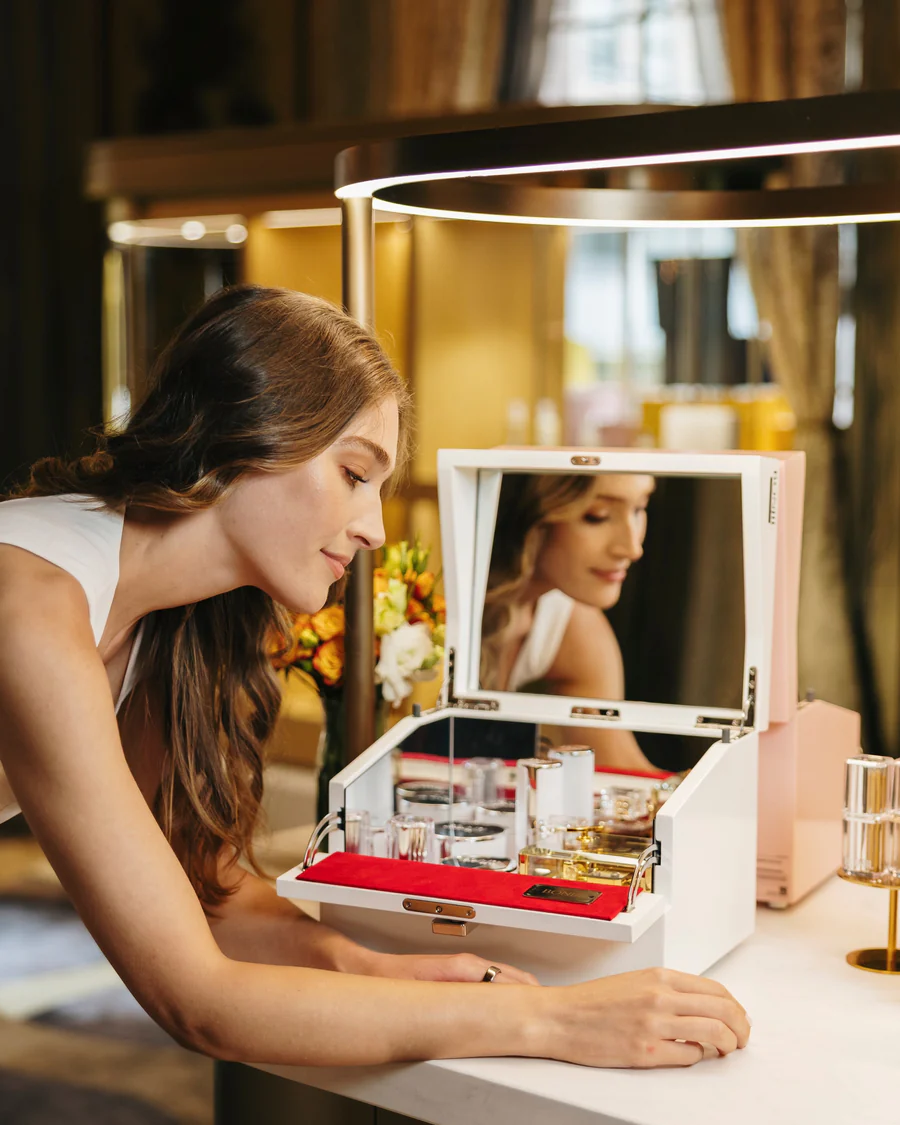
Can a Multisensory Skincare Ritual Like BONJIL's Bliss Collection Calm Both Anxiety and Redness?
Yes, a multisensory skincare ritual like BONJIL's Bliss Collection can calm both anxiety and redness by engaging the senses in a way that downregulates the stress response. When skincare becomes a deliberate ritual, involving soothing textures, calming scents, and intentional touch, the nervous system shifts from sympathetic activation toward parasympathetic rest. This physiological shift lowers cortisol output, which directly reduces stress-driven flushing and inflammation.
BONJIL's neurocosmetic approach frames each product application as a mindful moment rather than a mechanical step. The Bliss Collection pairs skin-nourishing formulations with sensory cues designed to quiet mental noise. Over time, consistency matters more than age alone; although a study published in Annals of Translational Medicine (Sun et al., 2023) found that anxiety likelihood decreases as patient age increases among 214 dermatological patients, building a calming ritual at any age offers meaningful relief.

What Are the Key Takeaways About Anxiety and Skin Redness We Covered?
The key takeaways about anxiety and skin redness are:
-
Anxiety activates the HPA axis and sympathetic nervous system, releasing cortisol and neuropeptides that trigger facial flushing, blotchiness, and neurogenic inflammation.
-
Chronic stress worsens conditions such as rosacea, eczema, hives, and psoriasis through sustained inflammatory signaling.
-
Symptoms range from visible redness on the face, neck, and chest to tingling and burning sensations, even without visible eruptions.
-
Relief strategies include deep breathing, mindfulness meditation, cold therapy, and CBT to address the root emotional triggers.
-
Barrier-supporting ingredients like niacinamide, centella asiatica, and azelaic acid calm redness at the skin level.
-
A gentle, consistent skincare routine protects stress-reactive skin from further irritation.
For those seeking a skincare approach that honors the mind-skin connection, BONJIL builds every collection around sensory science and ritual, transforming daily care into a moment of genuine calm.