Neurocosmetics for rosacea is a skincare approach that targets the skin's nervous system to calm neurogenic inflammation, reduce sensory hypersensitivity, and manage flushing at its neurological source.
This guide covers the science behind the skin-brain connection in rosacea, the top neurocosmetic ingredients and how they work, subtype-specific ingredient strategies, routine building and ingredient avoidance, and sensory rituals that amplify topical results.
Rosacea involves a bidirectional communication pathway where psychological stress worsens cutaneous inflammation and visible symptoms compound mental distress. Overactive TRPV1 receptors, elevated neuropeptides like CGRP and Substance P, and HPA axis activation each drive distinct symptoms, from persistent erythema to burning sensations to progressive vascular damage.
Ten ingredients form the core of a neurocosmetic approach: niacinamide strengthens the stratum corneum while quieting inflammatory mediators; neurosensine modulates nerve fiber excitability; strontium salts block TRPV1 channels; palmitoyl tripeptide-8 limits neuropeptide release; and azelaic acid bridges cosmetic and pharmaceutical-grade treatment. Centella asiatica, bisabolol, CBD, acetyl tetrapeptide-40, and thermal spring water minerals each address different points along the neurogenic inflammation cascade.
These ingredients perform differently across rosacea subtypes. Erythematotelangiectatic rosacea responds to TRPV1 modulators and barrier support, while papulopustular rosacea benefits from antimicrobial and anti-inflammatory layering. Phymatous rosacea requires procedural intervention with topical support, and ocular rosacea calls for periocular sensitivity management.
Building a structured morning and nighttime routine, avoiding known triggers like alcohol and synthetic fragrance, and pairing topical care with aromatherapy or mindfulness practices creates a dual-pathway strategy that addresses both skin-level inflammation and the nervous system signals driving flares.

What Is Neurocosmetics and How Does It Relate to Rosacea?
Neurocosmetics is a class of skincare products designed to interact with the skin's nervous system, targeting neurogenic inflammation and sensory pathways involved in rosacea. The subsections below explore the skin-brain connection, how neurogenic inflammation triggers flares, and why neuropeptides matter.
What Is the Skin-Brain Connection in Rosacea?
The skin-brain connection in rosacea is a bidirectional communication pathway where psychological stress exacerbates cutaneous inflammation, and visible skin symptoms worsen mental well-being. This relationship falls within psychodermatology, an interdisciplinary field exploring how psychological factors influence skin health.
Rosacea patients often experience significant psychological distress, including anxiety, depression, and diminished quality of life. Stress activates the skin-brain axis, amplifying inflammatory signals that drive flushing and erythema. According to a 2023 literature review by Ivanic et al. in the Journal of Drugs in Dermatology, early psychological intervention can enhance treatment response in rosacea patients.
Psychodermatological interventions, such as Cognitive Behavioral Therapy and Mindfulness-Based Stress Reduction, have shown promise in disrupting the stress-inflammation cycle. For rosacea specifically, addressing this neural feedback loop is essential; topical ingredients alone rarely resolve symptoms when chronic stress continues fueling flares.
How Does Neurogenic Inflammation Trigger Rosacea Flares?
Neurogenic inflammation triggers rosacea flares by activating sensory receptors and releasing inflammatory signaling molecules within the neuro-immuno-cutaneous system. Two key mechanisms drive this process:
-
TRPV1 channel overexpression: TRPV1 receptors act as primary sensors for thermal and chemical stimuli. According to a 2023 literature review by Ivanic et al. in the Journal of Drugs in Dermatology, TRPV1 channels are frequently overexpressed in rosacea patients, and their activation modulates vasodilation, inflammation, and pain sensation.
-
HPA axis involvement: Stress activates the hypothalamic-pituitary-adrenal axis, which influences neuropeptide release and inflammatory mediators in skin tissue.
Neurocosmetic ingredients directly target these pathways. Palmitoyl Tripeptide-8 modulates sensory nerve endings and reduces neuropeptide release. Cannabidiol interacts with cannabinoid receptors to regulate pain and inflammation. Understanding these mechanisms is what makes neurocosmetics fundamentally different from conventional rosacea skincare.

What Are Neuropeptides and Why Do They Matter for Rosacea?
Neuropeptides are small signaling molecules released by sensory nerve endings that regulate inflammation, blood vessel dilation, and pain perception in the skin. They matter for rosacea because they directly mediate the flushing, erythema, and burning sensations characteristic of the condition.
When TRPV1 channels activate, sensory neurons release two key neuropeptides:
-
Calcitonin gene-related peptide (CGRP): Drives vasodilation and endothelial cell changes that produce visible redness.
-
Substance P: Triggers mast cell degranulation, releasing tryptase and matrix metalloproteinases that degrade the extracellular matrix and worsen telangiectasia.
This neuropeptide cascade explains why rosacea flares can escalate so rapidly from a single trigger. Neurocosmetic ingredients like Acetyl Tetrapeptide-40, strontium salts, and niacinamide specifically interrupt this signaling chain by modulating TRPV1 activity and reducing inflammatory mediator release. Targeting neuropeptides at their source represents the core advantage of a neurocosmetic approach over conventional anti-redness products.
With these neurological foundations established, the next section examines what causes rosacea at the neurological level in greater detail.
What Causes Rosacea at the Neurological Level?
Rosacea at the neurological level is caused by overactive sensory pathways, dysregulated neuropeptide release, and hypersensitive ion channels in facial skin. The following subsections explain how stress, TRPV1 receptors, Substance P, and CGRP each drive specific rosacea symptoms.
How Does Stress Activate Rosacea Through the Nervous System?
Stress activates rosacea through the nervous system by triggering the HPA axis and stimulating sensory nerve fibers to release inflammatory neuropeptides in the skin. This cascade increases vasodilation, mast cell activity, and erythema across the face.
Aromatic compounds offer one pathway toward calming this response. According to a 2024 review published in Cosmetics (MDPI), aromatherapy influences the skin through two interconnected neural pathways: the olfactory-limbic axis and the cutaneous nervous system. The olfactory pathway connects directly to the limbic system, which governs emotion and memory. By engaging the skin barrier, cutaneous nerves, and limbic-endocrine axis simultaneously, aromatic compounds can deliver soothing, anti-inflammatory benefits for stress-triggered rosacea.
What Role Do TRPV1 Receptors Play in Rosacea Flushing?
TRPV1 receptors play a central role in rosacea flushing by acting as hypersensitive thermal and chemical sensors in facial skin. When environmental triggers like heat, spicy food, or UV exposure stimulate these channels, TRPV1 overexpression drives neuropeptide release, vasodilation, and pain signaling.
According to a 2023 literature review in the Journal of Drugs in Dermatology (Ivanic et al.), neurogenic rosacea is a proposed subtype characterized by severe burning and stinging sensations, often refractory to traditional treatments. Neurocosmetics containing TRPV1 inhibitors, such as strontium salts and soothing peptides, can offer topical relief by directly addressing this nerve hypersensitivity. For most rosacea patients with persistent flushing, targeting TRPV1 channels represents one of the most practical first-line neurocosmetic strategies.
How Does Substance P Contribute to Rosacea Redness?
Substance P contributes to rosacea redness by binding to receptors on blood vessels and mast cells, triggering vasodilation and localized inflammation. Once released from activated sensory nerve endings, this neuropeptide amplifies the erythema cycle by promoting further immune cell recruitment.
Ingredients that inhibit inflammatory mediators can help interrupt this process. Bisabolol, derived from chamomile, reduces redness, irritation, and discomfort by suppressing inflammatory mediators and promoting skin healing. Its calming properties make it particularly valuable for sensitive, rosacea-prone skin where Substance P activity is elevated. Pairing anti-inflammatory topicals with neuropeptide-modulating ingredients tends to produce more meaningful relief than either approach alone.
How Does CGRP Drive Vascular Changes in Rosacea Skin?
CGRP drives vascular changes in rosacea skin by directly acting on endothelial and smooth muscle cells to cause sustained vasodilation and increased blood flow. This neuropeptide is released when TRP receptors on sensory nerves are activated by common rosacea triggers.
According to a 2023 literature review in the Journal of Drugs in Dermatology (Ivanic et al.), CGRP and Substance P mediate mast cell degranulation upon release, which further amplifies inflammation. Mast cell degranulation releases tryptase, inducing matrix metalloproteinase (MMP) migration to the skin. MMPs then degrade the extracellular matrix, worsening both erythema and telangiectasia over time. This CGRP-driven cascade explains why rosacea progressively worsens without intervention; each flare compounds structural vascular damage beneath the skin's surface.
Understanding these neurological drivers clarifies why neurocosmetic ingredients must target specific pathways rather than inflammation broadly.
What Are the Best Neurocosmetic Ingredients for Rosacea?
The best neurocosmetic ingredients for rosacea include niacinamide, neurosensine, acetyl tetrapeptide-40, strontium salts, palmitoyl tripeptide-8, cannabidiol, centella asiatica, bisabolol, azelaic acid, and thermal spring water minerals. Each targets a different aspect of neurogenic inflammation and skin sensitivity.
Niacinamide
Niacinamide calms neurosensory pathways in rosacea by strengthening the stratum corneum barrier and reducing inflammatory mediators that trigger erythema. This form of vitamin B3 also supports neurotransmitter pathways and enhances barrier repair through multimodal mechanisms. For rosacea-prone skin, niacinamide's ability to simultaneously reinforce the skin's protective layer while quieting the inflammatory cascade makes it one of the most versatile neurocosmetic actives available. Its tolerability across all rosacea phenotypes further adds to its value.
Neurosensine
Neurosensine (acetyl dipeptide-1 cetyl ester) is a dipeptide derivative designed to reduce skin sensitivity and discomfort. It works by decreasing the release of inflammatory mediators and modulating nerve fiber excitability, which alleviates the stinging, burning, and itching often associated with rosacea. Because neurosensine acts directly on sensory nerve communication rather than broadly suppressing inflammation, it addresses the neurological root of discomfort in a way most conventional soothing agents cannot.
Acetyl Tetrapeptide-40
Acetyl tetrapeptide-40, marketed as Telangyn, targets inflammatory pathways and reduces the release of pro-inflammatory cytokines that contribute to vasodilation and erythema in rosacea. According to a 2022 study published in PMC, topical application of this acetylated tetrapeptide decreased skin redness caused by inflammation and reduced post-inflammatory hyperpigmentation. This dual action on both vascular reactivity and pigmentation makes it especially relevant for rosacea patients dealing with persistent, visible redness.
Strontium Salts
Strontium salts, such as strontium chloride and strontium nitrate, soothe sensitive skin by blocking TRPV1 channels. These channels are frequently overexpressed in rosacea patients and contribute directly to burning and stinging sensations. By inhibiting TRPV1 activation, strontium salts calm neurogenic inflammation at the receptor level. This mechanism is particularly valuable for individuals whose rosacea symptoms are dominated by sensory discomfort rather than visible papules or pustules.
Palmitoyl Tripeptide-8
Palmitoyl tripeptide-8 is a biomimetic peptide that counteracts neurogenic inflammation and reduces skin reactivity. It modulates the activity of sensory nerve endings and limits the release of neuropeptides that trigger inflammatory responses. This helps prevent and calm redness in reactive skin. Of all the peptide-based neurocosmetic actives, palmitoyl tripeptide-8 stands out for its targeted action on the neuropeptide cascade, making it a strong choice for proactive flare prevention.
Cannabidiol (CBD)
Cannabidiol (CBD) interacts with cannabinoid receptors in the skin, which regulate pain, inflammation, and barrier function. In the context of rosacea, CBD helps reduce redness, calm irritation, and alleviate discomfort by modulating neurogenic pathways. Its anti-inflammatory and soothing properties position it as a complementary neurocosmetic ingredient, although formulation quality varies widely across the market. Choosing products with verified CBD concentration and third-party testing is essential for consistent results.
Centella Asiatica
Centella asiatica is a botanical extract rich in triterpenoids with anti-inflammatory, antioxidant, and wound-healing properties. It strengthens the skin barrier, reduces inflammation, and improves microcirculation, making it beneficial for calming redness and promoting skin repair in rosacea. As noted in a 2024 review on natural compounds for rosacea management, centella asiatica's multi-pathway activity supports both structural recovery and surface-level soothing. Its long history in traditional medicine adds a layer of real-world validation.
Bisabolol
Bisabolol, derived from chamomile, is a potent anti-inflammatory and soothing agent. It reduces redness, irritation, and discomfort by inhibiting inflammatory mediators and promoting skin healing. Its gentle profile makes bisabolol especially well suited for formulations targeting highly reactive, rosacea-prone skin that cannot tolerate stronger actives. When combined with barrier-repair ingredients, bisabolol amplifies overall calming efficacy.
Azelaic Acid
Azelaic acid is a dicarboxylic acid with anti-inflammatory, antimicrobial, and keratolytic properties. It is an FDA-approved ingredient for rosacea treatment, effectively reducing papules, pustules, and erythema. Its mechanism involves reducing inflammation, inhibiting the growth of skin bacteria, and normalizing keratinization. Among the ingredients on this list, azelaic acid occupies a unique position: it bridges the gap between cosmetic actives and pharmaceutical-grade treatment, offering clinical-strength results within a topical skincare context.
Thermal Spring Water Minerals
Thermal spring water minerals provide soothing, anti-inflammatory, and antioxidant benefits for rosacea-prone skin. According to Riversol's ingredient analysis, thermal spring water, rich in minerals and trace elements, helps calm irritated skin, reduce redness, and strengthen the skin barrier while providing immediate comfort. Although often dismissed as a simple misting step, mineral-rich thermal water can serve as a meaningful complement to active neurocosmetic ingredients.
With these ten ingredients as a foundation, the next step is matching them to specific rosacea subtypes for targeted results.
How Do Neurocosmetic Ingredients Calm Rosacea Differently by Subtype?
Neurocosmetic ingredients calm rosacea differently by subtype because each subtype involves distinct dominant pathways, from vascular reactivity to pustular inflammation to tissue thickening. The following sub-sections cover ingredient strategies for erythematotelangiectatic, papulopustular, phymatous, and ocular rosacea.
Which Ingredients Work Best for Erythematotelangiectatic Rosacea?
The ingredients that work best for erythematotelangiectatic rosacea (ETR) target vascular reactivity and neurogenic flushing. ETR presents with persistent erythema, flushing episodes, and visible telangiectasias, making TRPV1 modulation and barrier support the primary goals.
Key ingredients for ETR include:
-
Acetyl Tetrapeptide-40 reduces pro-inflammatory cytokine release that drives vasodilation and erythema.
-
Strontium salts block overexpressed TRPV1 channels, calming burning and stinging sensations.
-
Niacinamide strengthens the stratum corneum barrier and reduces inflammatory mediators that trigger flushing.
According to a 2023 literature review in the Journal of Drugs in Dermatology, increased TLR-2 expression in rosacea keratinocytes activates KLK5, which cleaves cathelicidin into LL-37, recruiting leukocytes and mast cells while inducing angiogenesis and pro-inflammatory cytokine release (Ivanic et al., 2023). This cascade makes ETR particularly responsive to ingredients that interrupt inflammatory signaling upstream.
Which Ingredients Work Best for Papulopustular Rosacea?
The ingredients that work best for papulopustular rosacea (PPR) combine anti-inflammatory and antimicrobial action. PPR presents with central facial redness alongside papules and pustules, requiring ingredients that address both inflammatory lesions and microbial factors.
Azelaic acid is an FDA-approved cornerstone treatment for PPR. It reduces papules, pustules, and erythema through anti-inflammatory, antimicrobial, and keratolytic mechanisms. CBD and Centella Asiatica complement azelaic acid by calming neurogenic inflammation and supporting skin barrier repair. For more severe PPR cases, systemic treatments such as doxycycline are often necessary due to their concentrated anti-inflammatory properties.
PPR responds best to layered protocols that pair neurocosmetic topicals with clinical interventions when lesion counts are high.
Which Ingredients Work Best for Phymatous Rosacea?
The ingredients that work best for phymatous rosacea offer supportive, not primary, management. This rare subtype involves skin thickening and irregular surface nodularities, most commonly affecting the nose as rhinophyma.
According to a 2024 clinical management review in Clinical, Cosmetic and Investigational Dermatology, phymatous rosacea often requires aggressive interventions such as surgical debulking or laser resurfacing (Nguyen et al., 2024). Neurocosmetic ingredients can help manage associated background inflammation and sensory discomfort, but they cannot reverse established tissue hypertrophy. Anti-inflammatory botanicals and barrier-supporting peptides serve a complementary role alongside procedural treatments.
For phymatous presentations, setting realistic expectations around topical care is essential.
Which Ingredients Work Best for Ocular Rosacea Skin Symptoms?
The ingredients that work best for ocular rosacea skin symptoms focus on reducing periocular sensitivity and systemic inflammation. Ocular rosacea affects the eyes and eyelids, causing dryness, burning, itching, and photophobia.
Topical neurocosmetics are generally not applied directly to the eyes, so periocular skin support becomes the priority. Beneficial ingredients include:
-
Neurosensine decreases inflammatory mediator release and modulates nerve fiber excitability, alleviating stinging and burning.
-
Centella Asiatica strengthens the surrounding skin barrier while reducing localized inflammation.
-
Strontium salts calm TRPV1-driven sensory irritation on periocular skin.
Ingredients that reduce systemic inflammation and support overall skin health may indirectly benefit ocular symptoms. Combining barrier-protective neurocosmetics with ophthalmologist-directed treatments produces the most comprehensive relief for this subtype.
What Ingredients Should Rosacea-Prone Skin Always Avoid?
Rosacea-prone skin should always avoid ingredients that disrupt the skin barrier, trigger neurogenic inflammation, or activate TRPV1 receptors. The following categories represent the most common offenders.
-
Alcohol (denatured alcohol, SD alcohol): Alcohol strips lipids from the stratum corneum, weakening the skin barrier and increasing transepidermal water loss, which leaves rosacea-prone skin more reactive to environmental triggers.
-
Fragrance (synthetic and natural parfum): Fragrance is a leading sensitizer that provokes redness and inflammation in compromised skin. Even naturally derived fragrances can stimulate sensory nerve endings and worsen flushing.
-
Menthol and peppermint: These cooling agents activate TRPV1 channels, the same receptors already overexpressed in rosacea patients. What feels refreshing on healthy skin often registers as burning or stinging on sensitized skin.
-
Witch hazel: Despite its reputation as a natural astringent, witch hazel can irritate rosacea-prone skin by stripping moisture and provoking rebound redness.
-
Propylene glycol and ethylene glycol: These penetration enhancers increase the absorption of other ingredients through the skin barrier. According to the National Rosacea Society's Seal of Acceptance guidelines, penetration enhancers like propylene glycol can cause irritation in sensitive and rosacea-affected skin.
-
Harsh physical exfoliants: Abrasive scrubs create microtears in already compromised tissue, intensifying erythema and potentially triggering papulopustular flares.
Choosing products with minimal, well-tolerated ingredients is far more effective than relying on complex formulations. For rosacea-prone skin, every ingredient on a label should serve a clear purpose: soothing inflammation, reinforcing the barrier, or calming neurosensory pathways. If it does none of these, it does not belong in the routine.
Building a strategic routine around safe, neurocosmetic ingredients makes ingredient avoidance considerably easier.
How Should You Build a Neurocosmetic Skincare Routine for Rosacea?
You should build a neurocosmetic skincare routine for rosacea by layering barrier-supporting, anti-inflammatory, and neuropeptide-modulating products in a specific order. The following subsections cover morning steps, nighttime steps, and product introduction pacing.

What Should a Morning Neurocosmetic Routine for Rosacea Include?
A morning neurocosmetic routine for rosacea should include gentle cleansing, targeted neurocosmetic treatments, and broad-spectrum sun protection. According to a 2024 review in Clinical, Cosmetic and Investigational Dermatology, rosacea affects approximately 5.46% of the global population, and individualized, phenotype-based care produces better outcomes than rigid protocols.
A practical morning sequence includes:
-
Gentle cleanser: Use a fragrance-free, non-foaming formula to preserve the skin barrier.
-
Neurocosmetic serum: Apply a product containing niacinamide, neurosensine, or palmitoyl tripeptide-8 to calm neurogenic inflammation before it peaks during the day.
-
Moisturizer with barrier support: Choose a ceramide-rich or Centella Asiatica-based cream to reinforce the stratum corneum.
-
Mineral sunscreen (SPF 30+): UV exposure activates TRPV1 channels, so zinc oxide or titanium dioxide formulas offer protection without chemical irritation.
What Should a Nighttime Neurocosmetic Routine for Rosacea Include?
A nighttime neurocosmetic routine for rosacea should include deeper repair and anti-inflammatory actives that work during the skin's natural regeneration cycle. Overnight, the skin shifts toward recovery, making this the ideal window for restorative neurocosmetic ingredients.
A recommended nighttime sequence includes:
-
Micellar or oil-based cleanser: Remove sunscreen and debris without stripping lipids.
-
Active treatment: Apply azelaic acid or a TRPV1-modulating product containing strontium salts to reduce inflammation and sensory irritation overnight.
-
Neuropeptide-rich night cream: Formulas with acetyl tetrapeptide-40 or bisabolol help reduce persistent erythema while the skin repairs.
-
Occlusive layer (optional): A thin application of squalane or a ceramide balm seals in actives and prevents transepidermal water loss.
Separating potent actives between morning and night prevents overloading reactive skin, which is one of the most common mistakes in rosacea care.
How Often Should You Introduce New Neurocosmetic Products?
You should introduce new neurocosmetic products one at a time, waiting a minimum of two weeks between each addition. Rosacea-prone skin exhibits heightened neurogenic reactivity, so even well-formulated products can trigger flares if introduced too quickly.
A safe introduction protocol includes:
-
Patch test first: Apply a small amount behind the ear or on the inner forearm for 48 hours.
-
Start with every other day: Use the new product on alternate nights for the first week.
-
Monitor for 14 days: Track any changes in redness, stinging, or flushing before adding the next product.
-
Prioritize one active category at a time: Introduce barrier-repair products before layering in neuropeptide-targeting actives.
Patience during this process is far more valuable than speed; a slow, methodical build protects the skin barrier and allows you to identify exactly which ingredients your skin tolerates.
With your routine structure established, sensory rituals can further amplify these neurocosmetic benefits.
Can Sensory Rituals Enhance Neurocosmetic Results for Rosacea?
Yes, sensory rituals can enhance neurocosmetic results for rosacea by calming the neurological pathways that drive inflammation. Combining topical neurocosmetic ingredients with sensory practices targets both the skin and the nervous system simultaneously. The following sections explore how aromatherapy and mindfulness-based techniques support neurogenic skin calming.
How Does Aromatherapy Influence Neurogenic Skin Calming?
Aromatherapy influences neurogenic skin calming through two interconnected neural pathways: the olfactory-limbic axis and the cutaneous nervous system. According to a 2025 review published in Cosmetics (MDPI), aromatic compounds engage the skin barrier, cutaneous nervous system, lymphatic network, and limbic-endocrine axis simultaneously, potentially offering soothing and anti-inflammatory benefits for rosacea. The olfactory pathway holds a unique anatomical connection to the limbic system, which governs emotion and memory. When calming scents are paired with barrier-strengthening ingredients like niacinamide, which calms neurosensory pathways by reducing inflammatory mediators that trigger erythema, the topical and sensory effects reinforce each other. For rosacea-prone skin, fragrance-free formulations using naturally occurring aromatic compounds from soothing botanicals are safest, since synthetic fragrance remains a known irritant.
Can Music and Mindfulness Reduce Stress-Induced Rosacea Flares?
Yes, music and mindfulness can reduce stress-induced rosacea flares by interrupting the neurological stress cascade that worsens skin inflammation. Meditation, music therapy, and guided imagery have been shown to reduce stress, anxiety, and inflammatory markers, which can indirectly benefit rosacea patients. Stress activates the HPA axis and increases neuropeptide release, both of which amplify neurogenic redness and burning sensations. Mindfulness-Based Stress Reduction (MBSR) and similar practices help disrupt this cycle at its source. Pairing these practices with a consistent neurocosmetic routine creates a dual approach: topical ingredients address inflammation at the skin level while sensory rituals regulate the nervous system signals that trigger flares. For anyone managing chronic rosacea, building even five minutes of intentional calm into a skincare routine is one of the most underrated strategies available.
With sensory foundations in place, a purpose-built neurocosmetic routine can deliver even stronger results.
How Does BONJIL's Neurocosmetic Approach Support Rosacea-Prone Skin?
BONJIL's neurocosmetic approach supports rosacea-prone skin by combining sensory science with barrier-strengthening formulations designed to calm neurogenic inflammation. The following sections explore how multisensory rituals contribute to soothing rosacea and summarize the key takeaways from this guide.
Can BONJIL's Multisensory Skincare Rituals Help Soothe Rosacea?
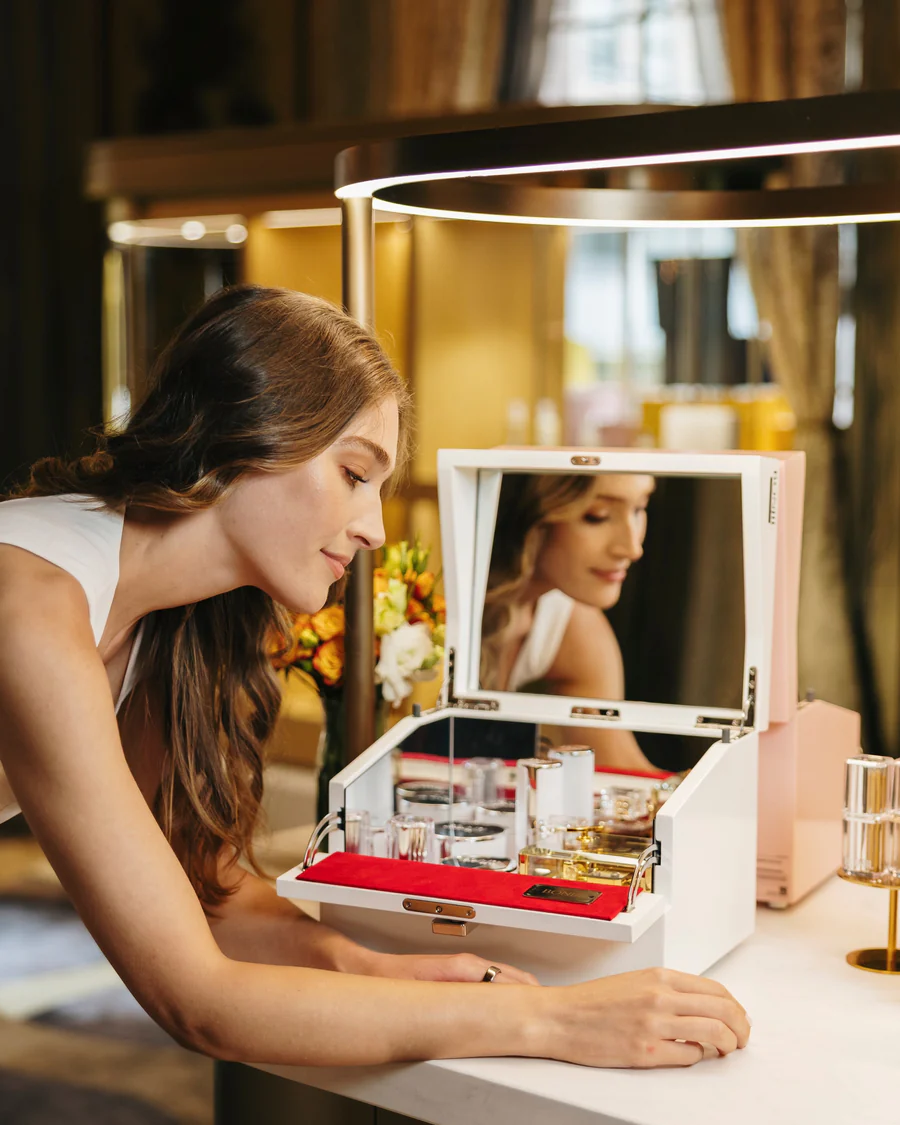
Yes, BONJIL's multisensory skincare rituals can help soothe rosacea by engaging both the skin-brain axis and the senses simultaneously. BONJIL designs each product as a mindful ritual, not just a topical application. This approach aligns directly with neurocosmetic principles: calming the nervous system reduces the neuropeptide release that drives flushing and erythema. The BONJIL Music Box collection, for instance, pairs calming auditory cues with skincare application, addressing the stress-skin connection that exacerbates rosacea. By framing skincare as a sensory ceremony rather than a clinical routine, BONJIL helps users lower cortisol-driven triggers while delivering barrier-supporting, anti-inflammatory actives to reactive skin. For rosacea-prone individuals, this dual-pathway strategy is one of the most practical ways to address both the neurological and topical dimensions of the condition.

What Are the Key Takeaways About Neurocosmetics for Rosacea?
The key takeaways about neurocosmetics for rosacea center on three principles: target the nervous system, protect the barrier, and reduce environmental stress triggers.
-
Neurogenic inflammation, driven by overactive TRPV1 receptors and neuropeptides like CGRP and Substance P, is a primary mechanism behind rosacea flushing and burning.
-
Neurocosmetic ingredients such as niacinamide, strontium salts, neurosensine, and palmitoyl tripeptide-8 calm sensory nerve pathways while strengthening the stratum corneum.
-
Subtype matters: erythematotelangiectatic rosacea responds best to TRPV1 modulators, while papulopustular rosacea benefits from anti-inflammatory actives like azelaic acid.
-
Sensory rituals, including aromatherapy and mindfulness, complement topical care by reducing stress-induced flares through the skin-brain axis.
BONJIL integrates these principles into a cohesive skincare philosophy, making neurocosmetics accessible through ritual-driven, multisensory formulations.