Neurocosmetics are skincare products that target the skin-brain axis to improve both skin health and emotional wellbeing simultaneously. Because skin and the nervous system share the same embryonic origin, topical formulations can trigger neurochemical signaling that influences everything from collagen synthesis to mood.
This guide covers the science behind neurocosmetic formulations, their measurable skin and mood benefits, how they differ from traditional skincare, the sensory-driven trends shaping 2026, who benefits most, and how to build an effective routine.
Neurocosmetics work through the skin-brain connection by using neuropeptides, bioactive peptides, and sensory ingredients that bind to specialized receptors on skin cells and nerve endings. Ingredients like acetyl hexapeptide-8 and Substance P formulations initiate signaling cascades that produce both structural skin repair and neurochemical responses at the cellular level.
The skin benefits span anti-aging, hydration, barrier repair, radiance, and stress-related calming. Neuropeptide-based ingredients interrupt the neural communication underlying wrinkle formation, counteract cortisol-driven moisture loss, normalize microcirculation for improved tone, and quiet neuroinflammatory cascades before stress-triggered flare-ups become visible.
On the emotional side, neurocosmetics stimulate feel-good neurotransmitters through both peptide activity and tactile application. They reduce cortisol at the skin level by interrupting the cutaneous stress axis, and consistent use creates a compounding cycle where visible skin improvement reinforces positive emotional states over time.
Unlike traditional skincare, which treats skin as an isolated organ, neurocosmetics engage nerve receptors and sensory pathways for dual outcomes. In 2026, sensory science, multisensory rituals inspired by Japanese and Korean beauty traditions, and aromatherapy-sound integration are accelerating this category toward mainstream adoption.
People experiencing stress-related skin conditions, holistic wellness seekers, and mature adults addressing age-related changes each gain distinct advantages from formulations that work through the skin-brain connection rather than surface treatment alone.
What Are Neurocosmetics and How Do They Work?
Neurocosmetics are skincare products that target the skin-brain axis to improve both skin health and emotional wellbeing. The sections below explore the science behind the skin-brain connection, how neurocosmetic ingredients interact with skin receptors, and the role neuropeptides play in these formulations.
What Is the Science Behind the Skin-Brain Connection?
The science behind the skin-brain connection centers on the shared embryonic origin of skin and the nervous system. Both develop from the ectoderm during fetal growth, which means skin cells retain the ability to send and receive neurochemical signals throughout life. Sensory nerve fibers embedded in the dermis communicate directly with the central nervous system through neuropeptides, neurotransmitters, and hormone receptors. When skin encounters stimuli such as touch, temperature, or specific bioactive compounds, it triggers signaling cascades that reach the brain. The brain, in turn, responds by releasing chemicals that influence inflammation, collagen synthesis, and mood. This bidirectional communication pathway forms the biological foundation that neurocosmetics are designed to activate.

How Do Neurocosmetic Ingredients Interact with Skin Receptors?
Neurocosmetic ingredients interact with skin receptors by binding to specialized chemosensory and neuronal receptor sites expressed on keratinocytes, melanocytes, and nerve endings. According to a 2022 study published in Annals of Dermatology (Seo et al.), olfactory receptors are expressed in skin cells through a pattern termed ectopic expression, meaning the skin can detect and respond to aromatic compounds independently of the nose. Bioactive peptides like Substance P also engage skin receptors directly; SP gel formulations elicit stronger collagen production than SP alone while promoting anti-inflammatory effects with increased absorption. These receptor-level interactions allow neurocosmetic formulations to trigger both structural skin repair and neurochemical responses simultaneously.
What Role Do Neuropeptides Play in Neurocosmetic Formulations?
Neuropeptides play a central role in neurocosmetic formulations by acting as molecular messengers between skin cells and the nervous system. These short-chain amino acid sequences, including Substance P, CGRP, and synthetic variants like acetyl hexapeptide-8, regulate processes such as inflammation, collagen synthesis, and neurotransmitter release at the cellular level. When applied topically in optimized delivery systems, neuropeptides bind to specific receptors on skin cells and nerve endings, initiating signaling cascades that produce both visible skin improvements and sensory responses. For formulators, neuropeptides represent the most direct pathway to dual-action outcomes, making them the defining ingredient class that separates neurocosmetics from conventional skincare.
With this biological foundation established, the next step is understanding the specific skin benefits neurocosmetics deliver.
What Are the Skin Benefits of Neurocosmetics?
The skin benefits of neurocosmetics span anti-aging, hydration, barrier repair, radiance, and stress-related skin calming. Each benefit works through the skin-brain axis, addressing both surface concerns and their neurological triggers.

How Do Neurocosmetics Reduce Visible Signs of Aging?
Neurocosmetics reduce visible signs of aging by targeting neuropeptide pathways that influence collagen production and muscle micro-contractions. Neuropeptide-based ingredients, such as acetyl hexapeptide-8, interrupt the signaling that causes repetitive expression lines. By relaxing these micro-contractions at the neuromuscular junction, fine lines and wrinkles appear softer over time. Traditional anti-aging products treat skin's surface; neurocosmetics address the neural communication underlying wrinkle formation. This dual mechanism makes them particularly effective for expression lines around the eyes and forehead, where repetitive signaling accelerates visible aging.
How Do Neurocosmetics Improve Skin Hydration and Barrier Function?
Neurocosmetics improve skin hydration and barrier function by modulating stress-related pathways that compromise the skin's protective layer. Psychological stress elevates cortisol in the skin, which weakens lipid barriers and increases transepidermal water loss. According to a 2018 study published in Nature's Scientific Reports, elevated 11β-HSD1 under psychological stress increases cutaneous glucocorticoid levels and eventually impairs barrier function. Neurocosmetic formulations counteract this cycle. Ingredients like acetyl hexapeptide-8 have shown promise in preclinical and clinical studies for enhancing hydration alongside wrinkle reduction and elasticity improvement. By calming the neural stress response, these formulations help the skin retain moisture more effectively.
How Do Neurocosmetics Enhance Skin Radiance and Tone?
Neurocosmetics enhance skin radiance and tone by targeting the skin-brain axis to improve both cellular function and emotional state. As noted by Haykal et al. in a 2025 review published in Clinics in Dermatology, neurocosmetics aim to target this skin-brain axis to enhance not only skin health but also emotional wellbeing. Stress and poor mood dull complexion through impaired microcirculation and uneven melanin distribution. When neurocosmetic ingredients reduce neural stress signals, blood flow to the skin normalizes and cellular turnover improves. The result is a more even, luminous tone that reflects internal balance rather than just topical treatment.
How Do Neurocosmetics Calm Stress-Induced Skin Conditions?
Neurocosmetics calm stress-induced skin conditions by interrupting the neuroinflammatory cascades that trigger flare-ups. Stress activates the skin's peripheral CRH-POMC-ACTH-corticosteroid axis and prompts cytokine secretion, including interleukin-6, interleukin-1, and interferon-γ, as documented by Pondeljak and Lugović-Mihić in a 2020 review in Clinical Therapeutics. This cascade drives conditions such as eczema, rosacea, and psoriasis flares. Neurocosmetic ingredients work to quiet these signals before inflammation becomes visible. For anyone whose skin reacts predictably to emotional pressure, this approach offers a fundamentally different strategy than applying anti-inflammatory products after damage appears.
Understanding how neurocosmetics benefit the skin sets the stage for exploring their equally compelling effects on mood and emotional wellbeing.
What Are the Mood and Emotional Benefits of Neurocosmetics?
The mood and emotional benefits of neurocosmetics include triggering feel-good neurotransmitters, reducing cortisol-driven stress responses, and building sustained emotional wellbeing through consistent use.
How Do Neurocosmetics Trigger the Release of Feel-Good Neurotransmitters?
Neurocosmetics trigger the release of feel-good neurotransmitters by using bioactive peptides and tactile stimulation that activate neurochemical pathways through the skin. Specific ingredients target this process at the molecular level. According to a 2025 study published in Biomolecules, Pentapeptide-18 modulates the release of certain neurotransmitters, while Palmitoyl Tripeptide-1 stimulates collagen and glycosaminoglycans.
Beyond peptide activity, the simple act of applying product to skin plays a role. Gentle massage during application can stimulate dopamine release, turning a skincare step into a genuine mood-enhancing ritual. For those drawn to holistic routines, this neurochemical response makes neurocosmetics uniquely positioned to bridge beauty and emotional health.

How Do Neurocosmetics Reduce Cortisol and Stress Response Through the Skin?
Neurocosmetics reduce cortisol and stress response through the skin by calming the cutaneous stress axis that psychological tension activates. When stress occurs, the skin mounts its own hormonal defense. According to Pondeljak and Lugović-Mihić (2020) in Clinical Therapeutics, stress-induced skin reactions primarily include cytokine secretion, such as interleukin-6 and interleukin-1, alongside activation of the skin's peripheral CRH-POMC-ACTH-corticosteroids axis.
Neurocosmetic formulations counteract this cascade by delivering calming neuropeptides and sensory ingredients that help interrupt the cortisol feedback loop at the skin level. This approach is particularly valuable because it addresses stress where it physically manifests, not just where it originates.
How Do Neurocosmetics Enhance Daily Emotional Wellbeing Over Time?
Neurocosmetics enhance daily emotional wellbeing over time by creating a compounding cycle where visible skin improvement reinforces positive emotional states with each use. Consistency is key to this effect. A 2025 clinical trial published in Lasers in Surgery and Medicine demonstrated that after 3 days of three-times-daily use, participants saw a 50% median improvement in erythema (p < 0.001), reaching 100% median improvement by day seven.
When skin visibly heals and calms within days, confidence builds. That growing self-assurance feeds back into lower stress and better skin, establishing a virtuous loop. This is why neurocosmetics work best as a daily ritual rather than an occasional treatment.
With mood and skin reinforcing each other, the distinction between skincare and self-care begins to dissolve entirely.
How Do Neurocosmetics Differ from Traditional Skincare?
Neurocosmetics differ from traditional skincare by targeting the skin-brain axis rather than treating skin as an isolated organ. Traditional products focus on surface-level hydration, exfoliation, or barrier repair. Neurocosmetics engage nerve receptors, neuropeptides, and sensory pathways to influence both skin health and emotional state simultaneously.
The core distinctions fall into several key areas:
-
Mechanism of action: Traditional skincare delivers active ingredients to the epidermis or dermis for structural repair. Neurocosmetics modulate neurochemical signaling within skin cells to address both visible concerns and stress-driven damage at the source.
-
Formulation philosophy: Conventional products prioritize isolated functions like moisturizing or anti-aging. Neurocosmetic formulations integrate ingredients that interact with olfactory receptors, sensory neurons, and neurotransmitter pathways for a holistic response.
-
User experience: Standard routines treat application as a functional step. Neurocosmetic rituals incorporate texture, scent, and tactile engagement as active components of efficacy, not afterthoughts.
-
Outcome scope: Traditional skincare measures success through skin metrics alone. Neurocosmetics aim for dual outcomes: measurable skin improvement alongside enhanced emotional wellbeing.
According to Grand View Research, the global neurocosmetics market size was estimated at USD 1.94 billion in 2024 and is expected to grow at a CAGR of 8.5% from 2025 to 2030. That trajectory reflects growing consumer demand for products that address the whole person, not just surface symptoms.
For practitioners and consumers accustomed to conventional routines, this shift represents more than a trend. It signals a fundamental rethinking of what skincare can accomplish when formulation science accounts for neurological pathways alongside dermatological ones. Understanding these emerging trends helps clarify where the beauty industry is heading next.
What Neurocosmetic Trends Are Shaping the Beauty Industry in 2026?
The neurocosmetic trends shaping the beauty industry in 2026 center on sensory science, multisensory rituals, and the integration of aromatherapy and sound into product design. These shifts reflect a market growing rapidly toward mainstream adoption.
How Is Sensory Science Redefining Product Formulation in 2026?
Sensory science is redefining product formulation in 2026 by shifting the development process beyond active ingredients to include texture, temperature response, and scent as functional components. Formulators now design products where the tactile experience itself activates neurological pathways. A 2012 study published in The Journal of Physiological Sciences found that innocuous mechanical stimulation of the skin increases dopamine release in the contralateral nucleus accumbens via the ventral tegmental area. This finding validates what luxury brands have long intuited: how a product feels on skin matters as much as what it contains. Texture engineering, adaptive viscosity, and micro-encapsulated fragrance release are becoming standard formulation priorities rather than afterthoughts.
What Role Does Multisensory Ritual Play in Next-Generation Skincare?
Multisensory ritual plays a central role in next-generation skincare by transforming routine application into a structured sensory experience that engages sight, touch, scent, and sound simultaneously. Japanese and Korean beauty traditions have long emphasized this layered, intentional approach, treating each step as a moment of mindful connection rather than a task. Next-generation brands are now formalizing these principles into product ecosystems. Coordinated collections pair serums with specific music, packaging textures, and guided breathing techniques. This ritualistic layering creates compounding neurological engagement across multiple sensory channels, which deepens the emotional benefit of each skincare session beyond what any single product achieves alone.
How Are Aromatherapy and Sound Being Integrated into Neurocosmetics?
Aromatherapy and sound are being integrated into neurocosmetics through scent-activated formulations and curated audio pairings designed to influence mood during skincare application. Olfactory compounds in serums and creams target emotional regulation pathways, while specific sound frequencies complement the calming or energizing intent of each product. Brands are developing coordinated sensory kits that synchronize fragrance profiles with ambient soundscapes. This convergence of disciplines reflects a broader industry shift: skincare products are no longer evaluated on skin outcomes alone but on their capacity to modulate emotional states through multiple sensory inputs simultaneously.
With these trends accelerating, the question becomes who stands to gain the most from this neurocosmetic evolution.
Who Benefits Most from Using Neurocosmetics?
Neurocosmetics benefit people experiencing stress-related skin issues, individuals pursuing holistic wellness, and mature adults addressing age-related skin changes. Each group gains distinct advantages from formulations that target the skin-brain connection.
How Do Neurocosmetics Benefit People with Stress-Related Skin Concerns?
Neurocosmetics benefit people with stress-related skin concerns by addressing the neurological triggers behind flare-ups, not just surface symptoms. Chronic stress activates inflammatory pathways in the skin, leading to conditions such as:
-
Eczema breakouts triggered by elevated cortisol
-
Stress-induced acne from disrupted barrier function
-
Rosacea flares worsened by neuropeptide imbalances
-
Psoriasis episodes linked to immune dysregulation
By incorporating neuropeptide-modulating ingredients, these formulations interrupt the stress-skin cycle at its source. For anyone whose complexion visibly reacts to deadlines, sleep loss, or emotional strain, neurocosmetics offer a targeted approach that conventional topicals simply cannot match.
How Do Neurocosmetics Benefit Those Seeking Holistic Wellness Routines?
Neurocosmetics benefit those seeking holistic wellness routines by merging skincare efficacy with sensory-driven emotional care. Rather than treating the skin in isolation, these products engage multiple senses during application, turning daily routines into mindful rituals.
Key benefits for holistic wellness seekers include:
-
Tactile textures and calming aromatics that promote relaxation during application
-
Formulations designed to support both skin health and emotional balance simultaneously
-
Compatibility with meditation, breathwork, and other mind-body practices
This dual-purpose approach resonates with consumers who view beauty as inseparable from mental wellbeing. For those already committed to intentional living, neurocosmetics represent a natural extension of their wellness philosophy rather than an additional step.
How Do Neurocosmetics Benefit Aging Skin in Mature Adults?
Neurocosmetics benefit aging skin in mature adults by targeting neuropeptide pathways that influence collagen production and inflammation. According to a 2019 study published in the International Journal of Molecular Sciences (Lee et al.), Substance P gel elicited stronger collagen production activities than Substance P alone, while promoting anti-inflammatory effects with increased skin absorption properties.
This neuropeptide-based approach addresses age-related concerns at a deeper biological level than standard anti-aging creams. Mature skin, which produces fewer growth factors over time, responds well to formulations that stimulate the skin's own repair mechanisms through neural signaling.
Identifying your skin's primary concern is the first step toward choosing the right neurocosmetic routine.
What Does the Research Say About Neurocosmetics Effectiveness?
The research says neurocosmetics effectiveness is supported by a growing body of clinical and preclinical evidence spanning dermatology, neuroscience, and psychodermatology. Studies confirm that neurocosmetic ingredients produce measurable improvements in skin physiology while simultaneously engaging neurological pathways tied to emotional wellbeing.
Clinical trials on key neurocosmetic compounds demonstrate specific, quantifiable outcomes:
-
Acetyl hexapeptide-8 (AH-8) reduces wrinkle depth, improves skin elasticity, and enhances hydration, according to preclinical and clinical studies published in the International Journal of Molecular Sciences (Zdrada-Nowak et al., 2025).
-
A neurocosmetic postprocedure cream achieved a 50% median improvement in erythema after just 3 days of three-times-daily use (p < 0.001), with 100% median improvement by day 7, as reported in a 2025 clinical trial published in Lasers in Surgery and Medicine (Weir et al., 2025).
-
Palmitoyl tripeptide-1 stimulates collagen and glycosaminoglycan production, while pentapeptide-18 modulates neurotransmitter release, according to research published in Biomolecules (Pintea et al., 2025).
-
Innocuous mechanical stimulation of the skin increases dopamine release in the nucleus accumbens via the ventral tegmental area, as demonstrated by Maruyama et al. (2012) in The Journal of Physiological Sciences.
Beyond individual ingredients, the research also establishes the biological mechanism that connects psychological stress to skin deterioration. A 2018 study in Nature's Scientific Reports (Choe et al.) found that elevated 11ß-HSD1 under psychological stress increases cutaneous glucocorticoids, ultimately impairing barrier function. This finding validates the core premise of neurocosmetics: that addressing neurological stress pathways can directly improve skin health.
The market reflects this scientific momentum. Grand View Research estimated the global neurocosmetics market at USD 1.94 billion in 2024, projecting growth at a CAGR of 8.5% from 2025 to 2030. That trajectory signals strong industry confidence in the science behind these formulations.
What remains less established is long-term longitudinal data on cumulative emotional benefits from daily neurocosmetic use. Most clinical trials measure skin outcomes over days or weeks, not the sustained mood effects consumers increasingly expect. For a category built on the skin-brain axis, this gap represents both a limitation and an opportunity for future research. Choosing products backed by published clinical data remains the most reliable approach for consumers navigating this evolving space.
How Should You Choose a Neurocosmetics Routine for Both Skin and Mood?
You should choose a neurocosmetics routine for both skin and mood by selecting products that engage multiple senses while targeting the skin-brain axis. The following sections explore how BONJIL delivers these benefits and summarize the key takeaways for 2026.

How Do BONJIL's Sensory Skincare Rituals Deliver Neurocosmetic Benefits?
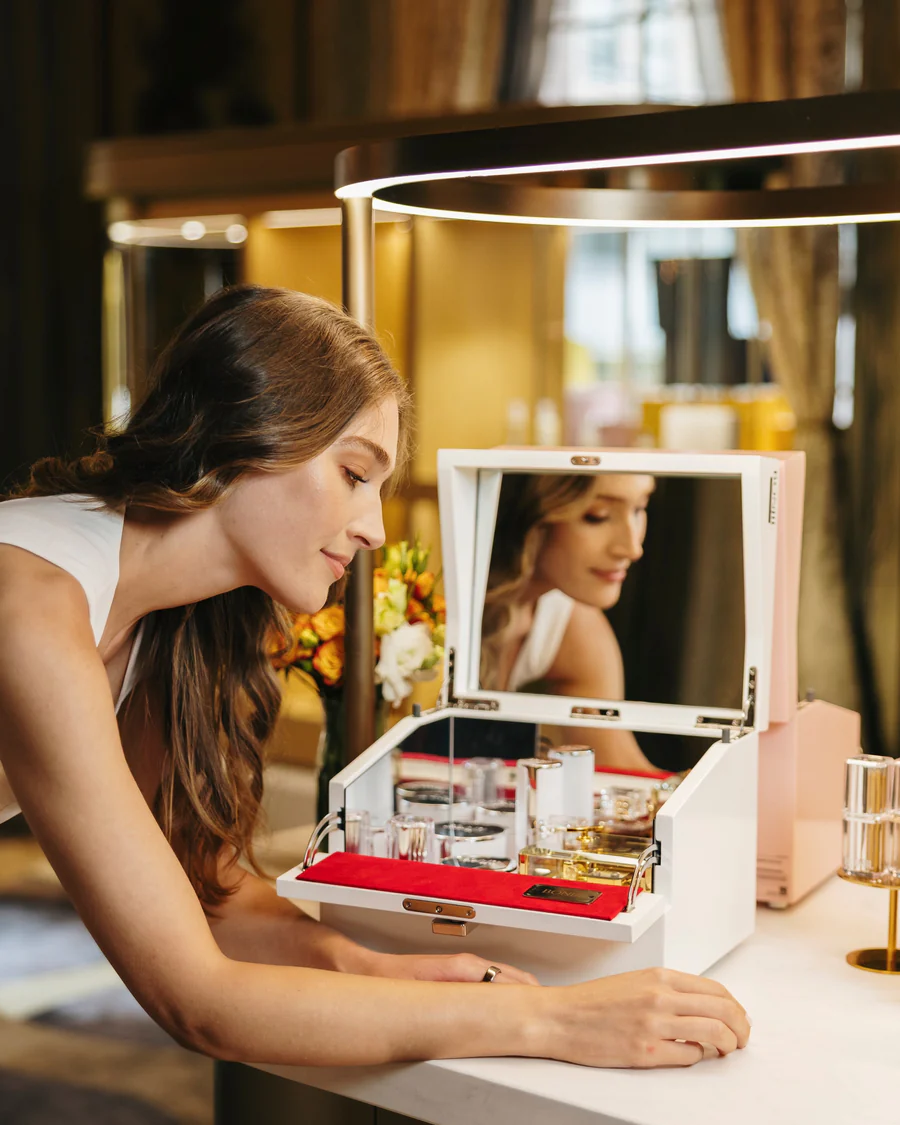
BONJIL's sensory skincare rituals deliver neurocosmetic benefits by transforming each application into a multisensory experience that activates the skin-brain connection. Every BONJIL collection, from Perfection Éternelle to La Signature Au Caviar, pairs active ingredients with carefully calibrated textures, aromas, and even calming music through the BONJIL Music Box.
This approach aligns with the core principle behind neurocosmetics: that tactile stimulation, scent, and sound can influence neurochemical responses during skincare. Rather than treating skin concerns in isolation, BONJIL formulations engage touch receptors and olfactory pathways simultaneously, turning a daily routine into a mindful ritual.
For anyone building a neurocosmetics routine, prioritizing this kind of sensory layering is what separates meaningful results from surface-level skincare.
What Are the Key Takeaways About Neurocosmetics Benefits for Better Skin and Mood in 2026?
The key takeaways about neurocosmetics benefits for better skin and mood in 2026 center on three core insights:
-
The skin-brain axis is scientifically validated. Neurocosmetic ingredients interact with skin receptors and neuropeptides to influence both complexion and emotional state simultaneously.
-
Sensory rituals amplify product efficacy. Texture, scent, and sound activate neurochemical pathways, including dopamine and endorphin release, that complement topical ingredient activity.
-
Consistency drives compounding results. Repeated multisensory skincare rituals reinforce positive neurological feedback loops, improving skin barrier function and emotional wellbeing over time.
-
Ingredient science is advancing rapidly. Peptides like acetyl hexapeptide-8 and pentapeptide-18 now target both visible aging signs and neurotransmitter modulation within a single formulation.
For those ready to experience this intersection of science and ritual firsthand, BONJIL offers a complete sensory skincare system designed to nurture both skin and mood.