Aromatherapy for skin is the therapeutic use of plant-derived essential oils whose bioactive compounds interact directly with skin cells, the nervous system, and olfactory receptors to improve hydration, reduce inflammation, and strengthen barrier function.
This guide covers the science behind scent-skin pathways, the most effective essential oils for specific concerns, stress-related skin damage and how aromas counteract it, safe application protocols, the distinction between synthetic fragrances and therapeutic aromatherapy, and how multisensory rituals amplify results.
Aromatic compounds reach the skin through two simultaneous routes. Olfactory stimulation activates limbic system signaling that regulates hormones affecting skin physiology, while ectopic olfactory receptors on skin cells (such as OR2AT4) respond directly to aromatic molecules, triggering calcium-dependent pathways that accelerate keratinocyte proliferation and wound healing.
Oils like tea tree, lavender, frankincense, chamomile, rose, ylang-ylang, neroli, and geranium each deliver distinct benefits. Their terpenes disrupt microbial membranes, phenols neutralize free radicals in skin cells, and esters produce anti-inflammatory and sedative effects. These compound classes address concerns ranging from acne and hyperpigmentation to dryness and loss of firmness.
Cortisol from chronic stress inhibits ceramide and lipid synthesis, increasing transepidermal water loss and triggering flare-ups. Calming scents, particularly lavender's linalyl acetate, activate parasympathetic pathways that lower cortisol output and restore normal barrier repair.
Safe use depends on proper dilution (typically 1% for facial application), compatible carrier oils, and patch testing before broader use. Choosing therapeutic-grade essential oils over synthetic fragrances ensures the bioactive complexity needed for genuine skin interaction rather than scent alone.
What Is Aromatherapy and Why Does It Matter for Skin?
Aromatherapy is the therapeutic use of essential oils from plants for improving physical, emotional, and spiritual well-being. It matters for skin because aromatic compounds interact directly with skin cells and the nervous system, influencing hydration, inflammation, and barrier function. The following sections explore how aromatherapy differs from conventional skincare and trace its centuries-old history in skin healing.
How Does Aromatherapy Differ From Conventional Skincare?
Aromatherapy differs from conventional skincare by using whole-plant essential oils that deliver both biochemical and neurological effects, rather than isolated synthetic actives targeting a single pathway. Conventional products typically rely on lab-engineered ingredients such as retinoids or glycolic acid to address surface-level concerns. Essential oils contain complex compound classes that work synergistically:
-
Terpenes exhibit anti-inflammatory and antimicrobial properties by disrupting microbial cell membranes.
-
Phenols, such as thymol and carvacrol, neutralize reactive oxygen species in skin cells by donating hydrogen atoms to free radicals.
-
Esters like linalyl acetate produce sedative and anti-inflammatory effects in oils such as lavender and bergamot.
This multi-compound synergy is what Robert Tisserand highlights when he explains that only nature can create the complex molecular interplay found in therapeutic-grade oils. For anyone seeking skincare that addresses both the visible condition and the sensory experience behind it, aromatherapy offers a fundamentally different approach.
What Is the History of Using Scents for Skin Healing?
The history of using scents for skin healing spans thousands of years across multiple civilizations. Ancient Egyptians utilized "Kyphi," a complex aromatic mixture of 16 ingredients including myrrh and frankincense, as both a temple incense and a medicinal skin treatment for inflammatory conditions, according to research published by the American Chemical Society. Ayurvedic medicine developed "Abhyanga," a traditional full-body oil massage incorporating aromatic botanical extracts to balance Doshas and improve skin texture and circulation. Traditional Chinese Medicine has used aromatic herbs like Bo He (peppermint) for over 2,000 years to treat Wind-Heat skin conditions characterized by itching and redness. These ancient practices recognized what modern science now confirms: scent-based botanicals influence skin at both a cellular and systemic level, laying the groundwork for today's aromatherapy skincare formulations.
How Do Scents Scientifically Affect Skin Health?
Scents scientifically affect skin health through olfactory stimulation, nervous system signaling, direct receptor activation on skin cells, and neurocosmetic pathways. The following subsections explain each mechanism.

How Does Olfactory Stimulation Trigger Skin Responses?
Olfactory stimulation triggers skin responses by activating scent receptors that initiate neurochemical cascades influencing skin cell behavior. When aromatic compounds reach the olfactory epithelium, they bind to receptor proteins that send electrical signals to the brain's limbic system. This region governs emotional and hormonal regulation, which directly affects skin physiology.
What makes this pathway remarkable is that the response extends beyond the brain. According to Dr. Hanns Hatt, as reported by The New York Times, "More than 15 of the olfactory receptors that exist in the nose are also found in human skin cells." This means aromatic molecules can influence skin both through central nervous system signaling and through direct cellular interaction.
What Role Does the Nervous System Play in Scent-Skin Connection?
The nervous system plays a central role in scent-skin connection by mediating bidirectional communication between the brain and cutaneous tissue. The neuro-immuno-cutaneous system (NICS) represents this signaling network, where neuropeptides and neurotransmitters released by skin cells influence both local immune responses and central nervous system activity, according to a review published by MDPI.
When calming scents reduce sympathetic nervous system activation, cortisol output decreases. Because cortisol impairs skin barrier function by inhibiting the synthesis of ceramides, cholesterol, and fatty acids, this neurological modulation has measurable dermatological consequences. Scent-driven nervous system regulation, therefore, is not merely emotional; it produces quantifiable changes in epidermal integrity.
How Do Aromatic Compounds Interact With Skin Receptors?
Aromatic compounds interact with skin receptors by binding directly to ectopic olfactory receptors expressed on human skin cells. The receptor OR2AT4, for example, responds to synthetic sandalwood odorants (Sandalore) and triggers a calcium-dependent signaling pathway that accelerates wound healing and keratinocyte proliferation, according to research published by the National Center for Biotechnology Information.
Beyond receptor binding, specific compound classes contribute distinct effects:
-
Terpenes disrupt microbial cell membranes, providing antimicrobial and anti-inflammatory benefits.
-
Phenols such as thymol and carvacrol neutralize reactive oxygen species by donating hydrogen atoms to free radicals.
-
Esters like linalyl acetate deliver sedative and anti-inflammatory activity.
This direct cellular engagement explains why certain essential oils produce skin benefits independent of inhalation.
What Does Neurocosmetics Research Reveal About Scent and Skin?
Neurocosmetics research reveals that scent and skin share a deeper biological relationship than previously understood, with aromatic ingredients capable of modulating both neural pathways and cutaneous function simultaneously. Chamomile essential oil, specifically its constituent alpha-bisabolol, is widely recognized for its potent anti-irritant and skin-soothing properties in neurocosmetic formulations.
Clinical data from 2022 published on PubMed indicates that aromatherapy massage using lavender oil significantly improves skin barrier function and hydration levels while decreasing sebum production in healthy adults. These findings suggest that formulations designed around neurocutaneous science can optimize both sensory experience and measurable skin outcomes, making neurocosmetics one of the most promising frontiers in evidence-based skincare.
With these scientific mechanisms established, the next step is identifying which essential oils deliver the greatest skin benefits.
Which Essential Oils Offer the Greatest Skin Benefits?
The essential oils offering the greatest skin benefits include lavender, tea tree, rose, frankincense, chamomile, ylang-ylang, neroli, and geranium. Each oil delivers distinct therapeutic properties for specific skin concerns.

Lavender Oil
Lavender oil is one of the most versatile essential oils for skin health. Its primary active compounds, linalool and linalyl acetate, reduce skin inflammation and promote healing of minor burns and wounds, according to the Cleveland Clinic. Clinical data from a 2022 study published on PubMed found that aromatherapy massage using lavender oil significantly improves skin barrier function and hydration levels while decreasing sebum production in healthy adults. These calming ester compounds also make lavender particularly effective for stressed or sensitized complexions. For those building a scent-driven skincare ritual, lavender serves as an accessible starting point.
Tea Tree Oil
Tea tree oil is a powerful antimicrobial essential oil prized for acne-prone skin. Its terpinen-4-ol content disrupts bacterial cell membranes, targeting the microbes responsible for breakouts. A 2025 systematic review in the Journal of Cosmetic Dermatology confirmed that topical 5% tea tree oil significantly reduced total acne lesions and severity index compared to placebo in randomized controlled trials. When properly diluted, this oil offers a natural alternative for managing blemishes without the harsh drying effects common to synthetic treatments.
Rose Oil
Rose oil is a deeply hydrating essential oil rich in citronellol and geraniol. These compounds help lock moisture into the skin while providing mild astringent benefits that refine pore appearance. Often favored for mature or dry skin types, rose oil also contains antioxidant phenols that help neutralize free radicals. Its luxurious floral scent simultaneously supports emotional well-being, creating a dual benefit where the aromatic experience complements topical nourishment.
Frankincense Oil
Frankincense oil is a potent anti-aging essential oil derived from Boswellia carterii resin. Research published in Planta identified frankincense essential oil as a "longevity-prolonging agent" due to its ability to modulate tyrosinase activity and increase collagen production. By supporting collagen synthesis, frankincense helps improve skin elasticity and reduce the appearance of fine lines. Its boswellic acids also deliver anti-inflammatory benefits, making it suitable for both aging and irritation-prone skin.
Chamomile Oil
Chamomile oil is a soothing essential oil recognized for its anti-irritant properties. Its key constituent, alpha-bisabolol, calms reactive skin and reduces redness effectively. Alpha-bisabolol is widely used in neurocosmetic formulations for its potent skin-soothing capabilities. Chamomile pairs well with sensitive skin routines because it addresses inflammation at the cellular level without overstimulating delicate tissue. This gentle profile makes it one of the most reliable choices for anyone dealing with irritation or rosacea-related discomfort.
Ylang-Ylang Oil
Ylang-ylang oil is a balancing essential oil that regulates sebum production in both oily and combination skin. Its linalool content provides mild antiseptic action, while its rich floral aroma promotes relaxation. Because stress hormones like cortisol can impair skin barrier function, the calming sensory experience ylang-ylang provides offers indirect skin benefits alongside its direct topical effects. This dual-action profile positions ylang-ylang as particularly useful in holistic skincare rituals.
Neroli Oil
Neroli oil is a regenerative essential oil distilled from bitter orange blossoms. It contains citral and limonene, compounds that support skin cell turnover and improve overall complexion radiance. Often used for dull or uneven skin tone, neroli also provides gentle antimicrobial protection. Its delicate, slightly honeyed scent makes it an excellent sensory addition to evening skincare routines focused on overnight repair and renewal.
Geranium Oil
Geranium oil is a circulation-boosting essential oil that promotes an even, healthy skin tone. Geraniol and citronellol, its primary compounds, deliver both anti-inflammatory and astringent effects. This combination tightens skin while reducing puffiness, especially around the under-eye area. Geranium also balances oil production across skin types, offering versatility that few single oils match. With its rose-like fragrance and broad therapeutic range, geranium bridges the gap between functional skincare and aromatic ritual.
Understanding each oil's unique profile helps match the right essential oil to specific skin concerns and sensory preferences.
What Specific Skin Concerns Can Aromatherapy Help Address?
Aromatherapy helps address a range of specific skin concerns, from acne and aging to dryness, sensitivity, and uneven tone. The following subsections break down how targeted scents work for each condition.
How Do Scents Help With Acne-Prone Skin?
Scents help with acne-prone skin by delivering antimicrobial and anti-inflammatory compounds directly to congested pores. Tea tree oil is the most clinically validated option. A 2025 systematic review published in the Journal of Cosmetic Dermatology confirmed that topical 5% tea tree oil significantly reduced total acne lesions and severity index compared to placebo across randomized controlled trials. Terpenes in tea tree oil disrupt bacterial cell membranes, targeting the microbes responsible for breakouts. Lavender and geranium oils complement this action by calming the redness that often accompanies active blemishes. For consistently acne-prone skin, combining antimicrobial scents with proper dilution protocols tends to yield the most reliable results over time.
How Does Aromatherapy Support Anti-Aging and Firmness?
Aromatherapy supports anti-aging and firmness through essential oils that stimulate collagen synthesis and neutralize oxidative stress. Frankincense oil stands out in this category. According to research published in the journal Planta, frankincense (Boswellia carterii) essential oil functions as a "longevity-prolonging agent" due to its ability to modulate tyrosinase activity and increase collagen production. Phenolic compounds found in aromatic oils donate hydrogen atoms to free radicals, neutralizing reactive oxygen species that accelerate fine lines and sagging. Rose and neroli oils also contribute antioxidant protection while improving skin elasticity. Prioritizing antioxidant-rich aromatic oils in a daily ritual is one of the most underappreciated strategies for maintaining firmness long-term.
Which Aromas Improve Skin Hydration and Radiance?
The aromas that improve skin hydration and radiance include lavender, sandalwood, and ylang-ylang. Clinical data from a 2022 study indexed on PubMed found that aromatherapy massage using lavender oil significantly improves skin barrier function and hydration levels while decreasing sebum production in healthy adults. A stronger barrier means less transepidermal water loss, which translates to plumper, more luminous skin. Sandalwood activates olfactory receptors on skin cells, stimulating keratinocyte proliferation that supports a healthy, radiant surface. Ylang-ylang balances oil production without stripping moisture, making it especially useful for combination skin types seeking an even, dewy finish.
Can Aromatherapy Calm Sensitive or Irritated Skin?
Yes, aromatherapy can calm sensitive or irritated skin. Chamomile essential oil, specifically its constituent alpha-bisabolol, is widely recognized for its potent anti-irritant and skin-soothing properties in neurocosmetic formulations. Lavender oil reinforces this calming effect; its esters, particularly linalyl acetate, produce sedative and anti-inflammatory responses that quiet reactive skin. Because sensitivity often worsens under psychological stress, inhaled calming scents simultaneously lower cortisol levels that would otherwise impair barrier repair. For those with easily triggered skin, gentle aromatic formulations offer a dual-action approach that most conventional products simply cannot replicate.
How Do Scents Help Reduce Hyperpigmentation and Uneven Tone?
Scents help reduce hyperpigmentation and uneven tone by modulating melanin production at the enzymatic level. Frankincense oil directly influences tyrosinase activity, the enzyme responsible for melanin synthesis, helping to fade dark spots over time. Phenolic antioxidants in essential oils neutralize the reactive oxygen species that trigger post-inflammatory hyperpigmentation after breakouts or UV exposure. Lavender and rose oils further support even tone by reducing the underlying inflammation that drives pigment irregularity. Consistency matters most with pigmentation concerns; regular use of properly diluted aromatic oils within a complete skincare ritual produces gradual, visible improvement.
With targeted concerns addressed, understanding how stress reduction through scent protects skin health adds another layer of benefit.
How Does Stress Reduction Through Scent Improve Skin?
Stress reduction through scent improves skin by lowering cortisol levels that directly degrade skin barrier integrity. The following subsections explain the cortisol-skin damage connection and how calming aromas reduce stress-related flare-ups.

What Is the Cortisol-Skin Damage Connection?
The cortisol-skin damage connection is the process by which chronic stress elevates cortisol, which then breaks down essential skin barrier components. According to a 2022 article published in Frontiers in Medicine, cortisol impairs skin barrier function by inhibiting the synthesis of epidermal lipids, including ceramides, cholesterol, and fatty acids, leading to increased transepidermal water loss (TEWL).
This cascade produces several visible consequences:
-
Dehydrated, tight-feeling skin from accelerated moisture loss
-
Increased sensitivity as the lipid barrier thins
-
Delayed wound healing due to suppressed keratinocyte activity
-
More frequent breakouts triggered by excess sebum production
Sustained cortisol exposure essentially ages skin from within, making stress management a legitimate skincare strategy rather than just a wellness concept.
How Do Calming Scents Lower Stress-Related Skin Flare-Ups?
Calming scents lower stress-related skin flare-ups by activating the parasympathetic nervous system, which reduces cortisol output and interrupts the hormonal cycle that triggers inflammation. Inhaling sedative aromatic compounds, particularly esters like linalyl acetate found in lavender and bergamot, signals relaxation through olfactory-limbic pathways before the effect ever reaches the skin.
Clinical data from a 2022 study published on PubMed found that aromatherapy massage using lavender oil significantly improves skin barrier function and hydration levels while decreasing sebum production in healthy adults. When cortisol drops, epidermal lipid synthesis resumes normally, moisture retention improves, and inflammatory flare-ups from conditions like eczema or rosacea become less frequent. For anyone dealing with stress-reactive skin, consistent aromatic rituals may offer measurable protection that topical products alone cannot achieve.
Understanding this stress-skin pathway sets the stage for learning how to safely incorporate aromatherapy into daily skincare practice.
How Can You Safely Incorporate Aromatherapy Into Skincare?
You can safely incorporate aromatherapy into skincare by following proper dilution ratios, selecting compatible carrier oils, and performing patch tests before full application. The following subsections cover each step.

What Dilution Ratios Are Safe for Topical Application?
Safe dilution ratios for topical application depend on the area of the body and the user's skin sensitivity. According to the Tisserand Institute's safety guidelines, a 1% dilution is the standard for facial applications, which equates to approximately 5–6 drops of essential oil per 30 ml of carrier oil. Body applications can typically tolerate a 2–3% concentration, while spot treatments may reach up to 5% under professional guidance.
Stronger concentrations increase the risk of skin sensitization, contact dermatitis, and phototoxic reactions. For anyone new to essential oils, starting at the lowest effective dilution and increasing gradually remains the most practical approach to avoiding adverse effects.
Which Carrier Oils Work Best With Aromatic Compounds?
The carrier oils that work best with aromatic compounds are lightweight, stable plant oils that dilute essential oils without diminishing their therapeutic properties. Each carrier oil has a distinct fatty acid profile that influences absorption rate, shelf life, and compatibility with different skin types:
-
Jojoba oil closely mimics the skin's natural sebum, making it suitable for oily and acne-prone skin.
-
Sweet almond oil provides a slow absorption rate ideal for massage blends and dry skin.
-
Rosehip seed oil contains high levels of linoleic acid and supports anti-aging formulations.
-
Argan oil delivers vitamin E and oleic acid for deep hydration without a greasy finish.
-
Grapeseed oil is a light, fast-absorbing option well suited for sensitive or combination skin.
Choosing a carrier oil that complements both the essential oil's chemistry and the user's skin profile ensures better absorption and reduced irritation risk.
What Patch Testing Steps Should You Follow?
The patch testing steps you should follow involve a simple 24–48 hour protocol before applying any new essential oil blend to larger skin areas:
-
Dilute the essential oil at your intended concentration in the chosen carrier oil.
-
Cleanse a small area on the inner forearm or behind the ear.
-
Apply a small amount of the diluted blend to that area.
-
Cover loosely with a breathable bandage and leave undisturbed for 24 hours.
-
Check for redness, swelling, itching, or irritation at 24 and 48 hours.
-
Discontinue use immediately if any reaction occurs.
As cosmetic chemist Stephen Alain Ko advises, "one should always see what a board-certified dermatologist says" before using essential oils for specific skin conditions. Patch testing is a non-negotiable safety step, especially for individuals with sensitive or reactive skin.
With safe practices established, the distinction between synthetic fragrances and therapeutic aromatherapy further shapes product choices.
What Is the Difference Between Synthetic Fragrances and Therapeutic Aromatherapy in Skincare?
The difference between synthetic fragrances and therapeutic aromatherapy in skincare lies in composition, purpose, and biological activity. Synthetic fragrances are lab-created chemical compounds designed solely to produce a pleasant scent. Therapeutic aromatherapy uses plant-derived essential oils containing bioactive compounds, such as terpenes, phenols, and esters, that interact with skin at a cellular level.
Synthetic fragrance molecules typically serve one function: scent. They offer no anti-inflammatory, antimicrobial, or antioxidant benefit to skin tissue. Many synthetic fragrance blends contain allergens that EU Cosmetics Regulation (EC) No 1223/2009 Annex III restricts to a maximum concentration of 0.001% in leave-on products before mandatory labeling is required, according to the European Commission.
Therapeutic-grade essential oils, by contrast, deliver complex molecular synergy. As Robert Tisserand explains in The Art of Aromatherapy, only nature can create the intricate combination of molecules found in these oils. A single essential oil may contain hundreds of constituents working together. Terpenes disrupt microbial cell membranes, phenols neutralize reactive oxygen species in skin cells, and esters produce sedative and anti-inflammatory effects. These compounds do not merely smell pleasant; they actively influence skin biology through measurable biochemical pathways.
The distinction matters for informed product selection. Key differences include:
-
Source: Synthetic fragrances originate from petrochemical or laboratory synthesis, while therapeutic essential oils are steam-distilled or cold-pressed from botanical sources.
-
Bioactivity: Synthetic compounds lack therapeutic skin interaction, whereas essential oil constituents bind to skin cell receptors and modulate inflammation.
-
Regulation: The FDA regulates aromatherapy products based on intended use; products claiming therapeutic benefits face drug-level oversight.
-
Complexity: A synthetic fragrance may contain one to a few molecules mimicking a scent, while a whole essential oil contains a full spectrum of synergistic compounds.
For anyone building a skincare ritual around genuine skin benefits rather than scent alone, this distinction is foundational. Understanding what separates a decorative fragrance from a functional aromatic ingredient helps guide choices toward products that engage skin biology meaningfully.
How Does a Multisensory Skincare Ritual Enhance Aromatherapy Benefits?
A multisensory skincare ritual enhances aromatherapy benefits by engaging multiple senses simultaneously, amplifying both the neurological and topical effects of aromatic compounds on skin. The following subsections explore how neurocosmetics elevate scent-driven results and summarize key takeaways.

Can BONJIL's Neurocosmetics Approach Elevate Scent-Driven Skin Results?
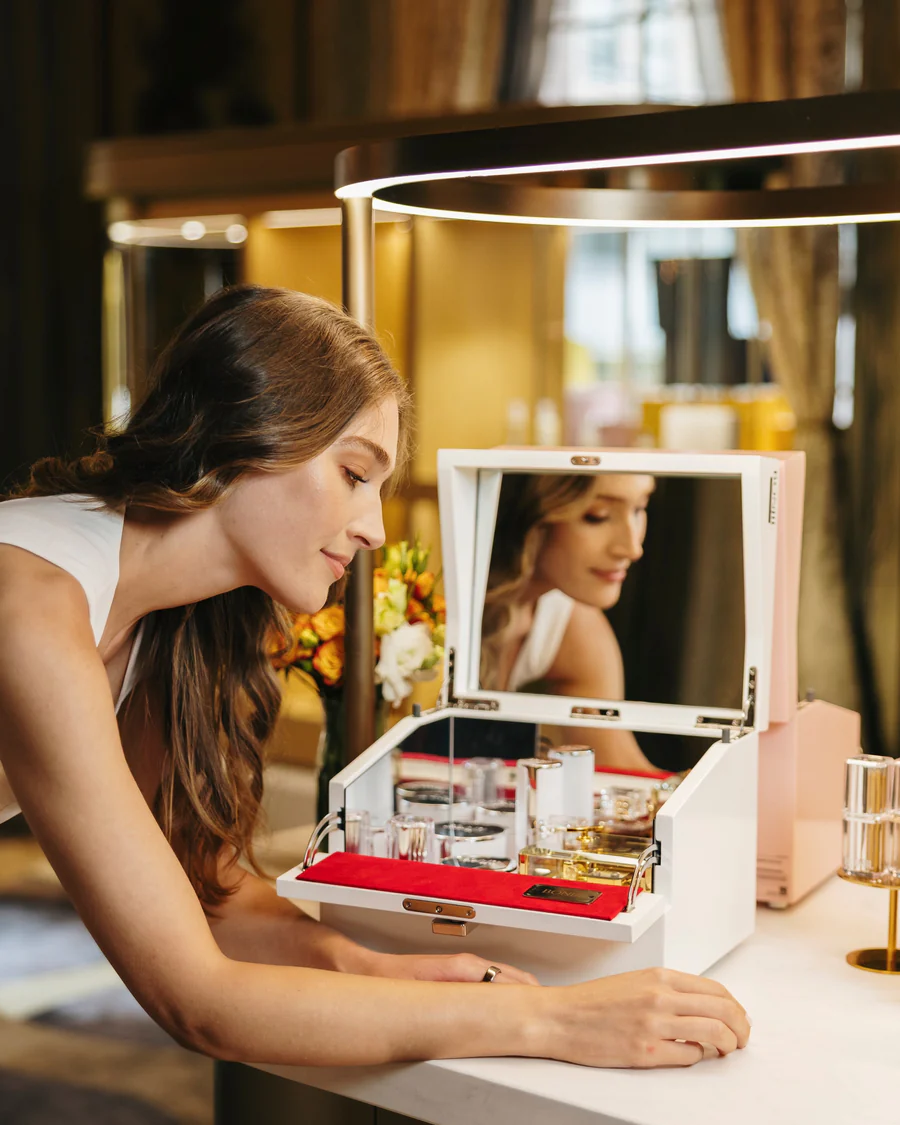
Yes, BONJIL's neurocosmetics approach can elevate scent-driven skin results by designing products that target the bidirectional communication between the nervous system and skin cells. Neurocosmetics formulations use ingredients like chamomile's alpha-bisabolol, recognized for potent anti-irritant and skin-soothing properties, to engage both sensory receptors and skin biology in a single application. BONJIL pairs these active botanicals with calming rituals, including its signature Music Box collection, creating a multisensory environment where stress reduction and topical efficacy reinforce each other. When cortisol drops through sensory relaxation, the skin barrier can recover more effectively. This layered strategy, combining scent, touch, and sound, represents one of the most practical ways to maximize what aromatherapy can deliver for daily skin health.
What Are the Key Takeaways About Aromatherapy's Skin Benefits?
The key takeaways about aromatherapy's skin benefits center on three principles:
-
Aromatic compounds like terpenes, phenols, and esters provide measurable anti-inflammatory, antimicrobial, and antioxidant effects when applied topically at safe dilution ratios.
-
Scent triggers real skin responses through olfactory receptors expressed directly in skin cells, linking fragrance to cellular repair pathways.
-
Stress reduction through calming aromas protects the skin barrier by lowering cortisol, which otherwise inhibits ceramide and lipid synthesis.
Safe incorporation requires patch testing, proper carrier oil dilution, and choosing therapeutic-grade essential oils over synthetic fragrances. Combining these practices within a consistent, multisensory ritual transforms aromatherapy from a passive fragrance experience into an active skincare strategy.