Stress acne is a breakout type driven by cortisol surges that weaken the skin barrier and increase inflammation, while hormonal acne results from androgen fluctuations that overstimulate sebaceous glands. Both appear on the face, but they differ in cause, location, appearance, timing, and treatment.
This guide covers the biological triggers behind each breakout type, where they concentrate on the face, how they look and feel differently, who is most vulnerable to each, effective treatments and prevention strategies, and how mindful skincare rituals can complement proven actives.
Stress acne originates from the HPA axis releasing cortisol, which drives excess sebum production, chronic low-grade inflammation, and compromised stratum corneum integrity. These three mechanisms work together, creating a self-reinforcing loop where barrier damage fuels further breakouts.
Hormonal breakouts trace back to androgen receptor activity within the pilosebaceous unit. Fluctuations during menstrual cycles, PCOS, or perimenopause trigger deep, cystic lesions that follow predictable monthly patterns, with the majority of perimenstrual flare-ups occurring in the week before menses.
Location is one of the most reliable visual distinctions. Stress acne scatters across the forehead, cheeks, and temples as clusters of shallow papules, while hormonal acne concentrates along the jawline, chin, and perioral area as deeper nodules and cysts.
Treatment paths diverge accordingly. Stress-induced breakouts respond to barrier-repair ingredients and cortisol management, while hormonal acne often requires anti-androgen therapies or retinoids for long-term control. Both types can coexist, making accurate identification essential for choosing the right approach.
What Causes Stress Acne to Appear on Your Skin?
Stress acne appears on your skin when psychological pressure triggers a cascade of hormonal, inflammatory, and barrier-related changes. The following sections explain how cortisol, inflammation, and skin barrier disruption each contribute to stress-related breakouts.

How Does Cortisol Trigger Stress-Related Breakouts?
Cortisol triggers stress-related breakouts by stimulating sebaceous glands to produce excess sebum. When the brain perceives psychological stress, the hypothalamic-pituitary-adrenal (HPA) axis activates and releases cortisol into the bloodstream. This hormone binds to receptors in sebaceous glands, increasing oil output beyond what pores can clear.
Excess sebum mixes with dead skin cells, creating a plug that traps acne-causing bacteria like Cutibacterium acnes. The result is clogged pores that develop into papules, pustules, or comedones. Unlike a single hormonal surge, chronic stress keeps cortisol elevated for extended periods, which sustains this overproduction cycle and makes breakouts persistent rather than isolated.
What Role Does Inflammation Play in Stress Acne Formation?
Inflammation plays a central role in stress acne formation by amplifying the skin's immune response to clogged pores. Cortisol, while technically an anti-inflammatory hormone at acute levels, paradoxically promotes chronic low-grade inflammation when elevated long-term. Pro-inflammatory cytokines increase throughout the skin, turning minor pore blockages into red, swollen lesions.
This inflammatory response also attracts immune cells to follicular walls, accelerating tissue damage and making breakouts more visible. Stress-driven inflammation explains why stress acne often appears suddenly across multiple areas rather than as isolated spots. For anyone prone to reactive skin, sustained psychological pressure can turn a manageable complexion into widespread irritation surprisingly fast.
How Does Stress Affect Your Skin Barrier Function?
Stress affects your skin barrier function by weakening the stratum corneum's ability to retain moisture and resist irritants. According to a 2018 study published in Scientific Reports, perceived stress was associated with increased transepidermal water loss (TEWL) and a significant decrease in stratum corneum integrity.
When this outermost protective layer is compromised, environmental pollutants and bacteria penetrate more easily, fueling breakouts. A weakened barrier also triggers compensatory sebum production as the skin attempts to counteract dryness, which further clogs pores. This creates a self-reinforcing loop: stress damages the barrier, the damaged barrier worsens acne, and visible breakouts increase emotional stress.
Understanding these three mechanisms clarifies why targeted treatments differ from those used for hormonal breakouts.
What Triggers Hormonal Breakouts on Your Face?
Hormonal breakouts on your face are triggered by androgen fluctuations, excess sebum production, and menstrual cycle shifts. The following sections explain how each mechanism contributes to acne formation.

How Do Androgen Fluctuations Cause Hormonal Acne?
Androgen fluctuations cause hormonal acne by stimulating oil glands within the pilosebaceous unit. According to a study published in the Journal of the Endocrine Society, androgen receptors are present in the dermal papilla, the outer root sheath, and the sebaceous glands. When androgen levels rise, these receptors activate increased oil output, which clogs pores and creates an environment where acne-causing bacteria thrive. Testosterone and its more potent derivative, dihydrotestosterone (DHT), are the primary androgens involved. Fluctuations during puberty, polycystic ovary syndrome (PCOS), or perimenopause can all elevate androgen activity, making these life stages particularly prone to deep, inflammatory breakouts along the lower face.
What Happens to Sebum Production During Hormonal Changes?
Sebum production increases during hormonal changes because androgens directly enlarge sebaceous glands and accelerate lipid synthesis. Elevated progesterone in the luteal phase of the menstrual cycle further compounds this effect, thickening sebum consistency and narrowing pore openings. The result is a buildup of oil that mixes with dead skin cells, forming comedonal plugs. When bacteria colonize these plugs, inflammatory papules and cysts develop. For many adults, this excess sebum is most noticeable in the chin, jawline, and perioral zones, where sebaceous gland density is high. Managing sebum without stripping the skin requires balancing oil control with barrier support, an approach that prevents rebound overproduction.
How Does the Menstrual Cycle Influence Breakout Patterns?
The menstrual cycle influences breakout patterns by creating predictable hormonal shifts that worsen acne at specific phases. A survey published in the Journal of Clinical and Aesthetic Dermatology found that 56 percent of women with perimenstrual acne reported worsening symptoms in the week before menses, 17 percent during menses, and 24 percent throughout their entire cycle. Acne distribution was broadly equal across the face: forehead (42%), cheeks (42%), perioral area (31%), and entire face (41%). These patterns reflect the late-luteal drop in estrogen, which leaves androgens relatively unopposed. Tracking breakout timing against cycle phases can help distinguish hormonal acne from stress-related flare-ups, guiding more targeted treatment decisions.
Understanding these hormonal triggers helps clarify where breakouts tend to concentrate on your face.
Where Does Stress Acne Typically Appear on Your Face?
Stress acne typically appears on your forehead, cheeks, and temples. These areas share a high density of sebaceous glands that respond to cortisol-driven oil surges. The following subsections explain why each zone is vulnerable.

Why Does Stress Acne Often Show Up on Your Forehead?
Stress acne often shows up on your forehead because this area contains a concentrated network of sebaceous glands highly responsive to cortisol fluctuations. When stress elevates oil production, the forehead is one of the first zones to develop clogged pores. According to a 2024 review in Cosmetics, the retention form of adult female acne, characterized by open comedones and microcystic lesions with consistent hyperseborrhea, affects upper facial areas, particularly the forehead. Excess sebum mixes with dead skin cells in this T-zone region, creating an environment where small, clustered breakouts form quickly. For anyone tracking breakout patterns, forehead-dominant flare-ups that coincide with high-pressure periods strongly suggest a stress-driven mechanism rather than a purely hormonal one.
Why Do Stress Breakouts Appear on Your Cheeks?
Stress breakouts appear on your cheeks because elevated cortisol weakens the skin barrier across this broad, exposed surface area. The cheeks are particularly vulnerable to environmental irritants once barrier integrity declines, and impaired barrier function allows bacteria to penetrate pores more easily. Habitual behaviors during stressful periods compound the problem; touching the face, pressing a phone against the skin, or sleeping on unwashed pillowcases introduces additional bacteria to compromised cheek skin. Unlike hormonal acne, which favors the lower face, stress-related cheek breakouts tend to be scattered and superficial, presenting as small papules or pustules rather than deep cystic lesions. This diffuse pattern across both cheeks is a useful indicator when distinguishing stress triggers from cyclical hormonal causes.
Why Does Stress Acne Develop Near Your Temples?
Stress acne develops near your temples because this area sits at the junction of the T-zone and hairline, where oil production is naturally high and pore-clogging products easily accumulate. Cortisol-driven sebum surges amplify congestion in temple skin that already traps residue from hair products, sunscreen, and sweat. The temporal region also has thinner skin compared to the central forehead, which means inflammation becomes visible faster. Temple breakouts during stressful periods often appear as small, inflamed bumps clustered along the hairline edge. In my experience, this zone is frequently overlooked in skincare routines, making it especially prone to stress-triggered flare-ups that persist until both product buildup and cortisol levels are addressed.
Understanding where stress acne clusters helps distinguish it from the lower-face patterns typical of hormonal breakouts.
Where Do Hormonal Breakouts Usually Form on Your Face?
Hormonal breakouts usually form on the lower third of the face, particularly the chin, jawline, and perioral area. These zones contain higher densities of androgen-sensitive sebaceous glands, making them especially reactive to hormonal shifts.

Why Does Hormonal Acne Concentrate on Your Chin?
Hormonal acne concentrates on the chin because this area has a high density of androgen receptors within its sebaceous glands. When androgen levels fluctuate, particularly before menstruation, these receptors trigger excess sebum production in the chin's pilosebaceous units.
According to the Journal of the Endocrine Society, androgen receptors are present in the dermal papilla, the outer root sheath, and the sebaceous glands of the pilosebaceous unit. The chin's concentration of these receptor-rich glands explains why hormonal surges manifest there first. Deep, painful cysts and nodules are common in this zone because the inflammatory response runs deeper than surface-level breakouts typically seen with other acne triggers.
Why Do Hormonal Breakouts Appear Along Your Jawline?
Hormonal breakouts appear along the jawline because this region shares the same androgen-sensitive gland density as the chin, creating a continuous lower-face zone vulnerable to hormonal fluctuation.
A 2024 review published in Cosmetics identified two clinical forms of adult female acne: the inflammatory form, accounting for 58% of cases, presents papulopustular lesions and nodules mainly located at the mandible level. The jawline's position along the mandible makes it a primary site for these deeper inflammatory lesions. Because hormonal acne in this area tends to produce nodules rather than surface comedones, it often leaves residual hyperpigmentation that lingers well after the active breakout resolves.
Why Does Hormonal Acne Develop Around Your Mouth?
Hormonal acne develops around the mouth because the perioral region contains androgen-responsive sebaceous glands that react to the same cyclical hormone shifts affecting the chin and jawline.
Perioral breakouts often appear as tender papules clustered near the corners of the mouth and along the upper lip border. While sometimes confused with perioral dermatitis, hormonal perioral acne follows predictable menstrual timing and produces deeper inflammatory lesions rather than scaly patches. For most people dealing with recurring perioral breakouts, tracking their cycle reveals a clear pattern that distinguishes hormonal involvement from other causes.
Understanding where hormonal breakouts concentrate helps guide targeted treatment decisions.
What Does Stress Acne Look Like Compared to Hormonal Acne?
Stress acne looks different from hormonal acne in lesion size, texture, and inflammation pattern. The following subsections break down how each breakout type differs in depth, surface texture, and visible redness.
How Do Stress Acne Lesions Differ in Size and Depth?
Stress acne lesions differ in size and depth by typically presenting as clusters of small, shallow papules and pustules that appear suddenly across the forehead, cheeks, and temples. These surface-level breakouts develop rapidly during high-cortisol periods, often emerging as multiple small bumps rather than isolated deep spots.
Hormonal acne lesions, by contrast, tend to be fewer in number but significantly deeper. Nodules and cysts that form along the jawline and chin sit well beneath the skin surface, creating painful, slow-healing lumps. When breakouts become severe or lead to scarring, the Journal of the American Academy of Dermatology strongly recommends oral isotretinoin as a treatment option. The depth difference between these two breakout types is one of the most reliable visual indicators for distinguishing their root cause.
What Texture Differences Distinguish These Breakout Types?
The texture differences that distinguish these breakout types center on surface feel and lesion composition. Stress acne produces a rough, bumpy texture across broader facial zones; the skin often feels gritty or uneven due to widespread small papules, closed comedones, and occasional pustules scattered in clusters.
Hormonal breakouts create a different textural pattern. Deep cystic lesions feel firm and tender beneath otherwise smooth-looking skin, while the surrounding area may appear oily from excess sebum production driven by androgen activity. For those exploring supplementary topical options, a review published in the University of Michigan's Dermatologic Therapy found that nicotinamide's effect on acne vulgaris remains unclear due to limited available evidence. Accurate identification of texture patterns helps guide appropriate product selection for each breakout type.
How Does Redness and Inflammation Vary Between Them?
Redness and inflammation vary between stress acne and hormonal acne in both intensity and distribution. Stress breakouts produce diffuse, widespread pinkness across affected zones. Because cortisol-driven inflammation affects the skin barrier broadly, redness often extends beyond individual lesions, giving the skin a generally flushed or irritated appearance.
Hormonal acne concentrates its inflammation more intensely around fewer, deeper lesions. Cystic nodules along the jawline and chin display pronounced redness with visible swelling, and the surrounding tissue can appear purplish when inflammation runs deep. These localized hot spots often feel warm to the touch, a sign of significant subcutaneous irritation. Recognizing whether redness is diffuse or concentrated helps determine which calming skincare approach will be most effective.
Understanding these visual distinctions makes it easier to identify your breakout triggers and choose targeted treatments.
When Do Stress Breakouts Versus Hormonal Breakouts Occur?
Stress breakouts occur unpredictably during or after high-pressure periods, while hormonal breakouts follow cyclical patterns tied to hormone fluctuations. The subsections below cover timeline patterns for each type and how quickly they develop.
What Timeline Patterns Indicate Stress-Induced Acne?
Timeline patterns that indicate stress-induced acne are irregular and directly tied to life events. Breakouts typically appear days after a stressful episode, such as work deadlines, sleep deprivation, or emotional upheaval. Unlike hormonal acne, stress-induced flare-ups have no monthly rhythm. They can surface at any point in the cycle, often clustering during prolonged periods of psychological pressure. Once the stressor resolves, new lesions generally stop forming within one to two weeks. Tracking breakouts alongside a stress journal often reveals the connection more clearly than a calendar alone, making pattern recognition essential for distinguishing this type from hormonally driven acne.
What Cyclical Patterns Suggest Hormonal Breakouts?
Cyclical patterns that suggest hormonal breakouts are predictable, recurring flare-ups aligned with hormone fluctuations. According to the Cleveland Clinic, hormonal acne forms in adulthood and can range from blackheads and whiteheads to painful, inflamed cysts. These breakouts commonly intensify in the week before menstruation, when progesterone rises and estrogen drops. Perimenopause, polycystic ovary syndrome, and oral contraceptive changes also trigger recognizable cycles. The hallmark of hormonal acne is repeatability: breakouts return at roughly the same point each month. If lesions consistently appear along the jawline or chin on a monthly schedule, that regularity strongly points to a hormonal driver rather than a stress-related cause.
How Quickly Does Each Breakout Type Develop?
Each breakout type develops at a different speed. Stress acne often emerges within 48 to 72 hours after cortisol spikes boost sebum production and weaken skin barrier integrity. These lesions tend to be superficial papules and pustules that appear relatively quickly across the forehead, cheeks, or temples. Hormonal breakouts, by contrast, develop more slowly. Deep cystic nodules along the jawline may take several days to fully surface because they originate deeper within the pilosebaceous unit. This slower onset reflects gradual androgen-driven changes in sebaceous gland activity. Recognizing speed of onset helps narrow the underlying cause, which is critical for choosing the right treatment approach.
Understanding when breakouts occur sets the stage for identifying who is most vulnerable to each type.
Who Is Most Prone to Stress Acne Versus Hormonal Acne?
Susceptibility to stress acne versus hormonal acne depends on age, hormonal status, and daily habits. The following sections break down which age groups face more stress-related breakouts, who is most vulnerable to hormonal acne, and how lifestyle factors shape your breakout type.
Which Age Groups Experience More Stress-Related Breakouts?
The age groups that experience more stress-related breakouts include teenagers and young adults navigating academic or early-career pressures. A prospective cohort study published in Acta Dermato-Venereologica found a statistically significant positive correlation (r=0.23, p=0.029) between stress levels and acne severity among 94 secondary school students with a mean age of 14.9 years. College-age individuals face similar vulnerability. While stress can trigger flare-ups at any age, adolescents and young adults tend to have both heightened cortisol reactivity and baseline sebum production, making the combination particularly problematic. For those in high-pressure environments, managing stress proactively becomes as important as any topical treatment.
Who Is Most Susceptible to Hormonal Acne?
The people most susceptible to hormonal acne are adult women experiencing androgen fluctuations tied to menstrual cycles, pregnancy, perimenopause, or polycystic ovary syndrome. According to a study published in the Journal of Clinical and Aesthetic Dermatology, 56 percent of women with perimenstrual acne reported worsening symptoms in the week preceding menses. Androgen receptors in the sebaceous glands drive excess oil production when hormone levels shift, which explains why hormonal breakouts persist well beyond adolescence. Men can also develop hormonal acne, though it occurs less frequently in adulthood. Conditions like PCOS amplify susceptibility because they elevate circulating androgens chronically rather than cyclically.
How Does Lifestyle Affect Your Breakout Type?
Lifestyle affects your breakout type by either amplifying stress-driven cortisol spikes or worsening hormonal imbalances. Key lifestyle factors include:
-
Sleep deprivation disrupts cortisol regulation, increasing the likelihood of stress acne flare-ups.
-
High-glycemic diets can elevate insulin levels, which stimulate androgen production and worsen hormonal breakouts.
-
Chronic psychological pressure from work or personal life sustains elevated cortisol, weakening the skin barrier over time.
-
Sedentary habits reduce circulation and may slow hormonal metabolism, compounding either breakout type.
-
Inconsistent skincare routines allow both stress-triggered inflammation and hormonally driven sebum to go unchecked.
Recognizing which lifestyle triggers dominate your routine helps determine whether your breakouts lean stress-related or hormonal, guiding more targeted treatment choices.
Can You Have Both Stress Acne and Hormonal Breakouts Simultaneously?
Yes, you can have both stress acne and hormonal breakouts simultaneously. Cortisol released during chronic stress increases sebum production and weakens the skin barrier, while androgen fluctuations independently stimulate the sebaceous glands through separate pathways. When these two mechanisms overlap, breakouts can appear across multiple facial zones at once, combining the diffuse, superficial papules typical of stress acne with the deep, cystic lesions characteristic of hormonal acne.
This overlap is especially common during high-pressure periods that coincide with hormonal shifts, such as premenstrual weeks during exam season or major life transitions. A 2017 cross-sectional study published in Clinical, Cosmetic and Investigational Dermatology found that increased stress severity was strongly correlated with increased acne severity among female medical students (r=0.23; p<0.01), suggesting that stress compounds existing hormonal acne patterns rather than replacing them.
Recognizing a dual breakout requires tracking both timing and location. If cyclical jawline cysts worsen while new forehead papules appear during stressful events, both triggers are likely active. Treating only one mechanism while ignoring the other often explains why single-approach routines fail to clear persistent breakouts. Understanding this overlap is the first step toward building a treatment plan that addresses both stress and hormonal factors together.
How Should You Treat Stress Acne Differently From Hormonal Acne?
You should treat stress acne differently from hormonal acne by matching ingredients and therapies to each breakout's underlying trigger. Stress-induced breakouts respond best to barrier-repair and anti-inflammatory actives, while hormonal acne requires androgen-targeting treatments.

What Ingredients Work Best for Stress-Induced Breakouts?
The ingredients that work best for stress-induced breakouts are those that calm inflammation and restore the compromised skin barrier. Benzoyl peroxide reduces acne-causing bacteria on the surface, while niacinamide soothes irritation and supports moisture retention. Gentle, non-stripping cleansers paired with ceramide-rich moisturizers help rebuild the barrier that psychological stress weakens.
Adaptogens in topical formulations are gaining attention, though most remain in early research stages. For stress-related flare-ups, prioritizing calming actives over aggressive exfoliants tends to produce better outcomes because the skin is already sensitized. Layering a simple routine prevents further disruption.
What Treatments Target Hormonal Acne Effectively?
The treatments that target hormonal acne effectively address androgen activity at its source. Combined oral contraceptives and spironolactone are commonly prescribed to regulate the hormonal fluctuations driving deep, cystic lesions along the jawline and chin.
Topical retinoids accelerate cell turnover and prevent the clogged pores that hormonal sebum overproduction creates. According to a 2024 update published by the Journal of the American Academy of Dermatology, strong recommendations support benzoyl peroxide, topical retinoids, topical antibiotics, and oral doxycycline, with oral isotretinoin strongly recommended for severe or treatment-resistant acne. Because hormonal breakouts are cyclical, consistent long-term management outperforms reactive spot treatment.
When Should You Consult a Dermatologist for Breakouts?
You should consult a dermatologist for breakouts when over-the-counter treatments fail to produce improvement after two completed courses. According to the National Institute for Health and Care Excellence, referral to a consultant dermatologist-led team is recommended when:
-
There is diagnostic uncertainty about the acne type.
-
Nodulo-cystic acne or acne conglobata is present.
-
Mild to moderate acne has not responded to two completed treatment courses.
-
Moderate to severe acne persists despite oral antibiotic therapy.
-
Breakouts are causing scarring or persistent pigmentary changes.
Early professional evaluation prevents long-term scarring, especially when stress and hormonal factors overlap and complicate self-diagnosis.
With treatment strategies clarified, consistent prevention habits help reduce future flare-ups.
How Can You Prevent Stress Acne and Hormonal Breakouts?
You can prevent stress acne and hormonal breakouts by combining daily stress management habits with a targeted skincare routine. The following subsections cover lifestyle changes that reduce stress-related flare-ups and skincare strategies that support hormonal balance.
What Daily Habits Help Reduce Stress-Related Breakouts?
Daily habits that help reduce stress-related breakouts target cortisol regulation and skin barrier preservation. Since psychological stress directly correlates with acne severity, consistent lifestyle adjustments make a measurable difference. A prospective cohort study published in Acta Dermato-Venereologica found a statistically significant positive correlation (r=0.23, p=0.029) between stress levels and severity of acne papulopustulosa among 94 secondary school students.
Effective daily habits include:
-
Sleeping seven to nine hours per night to regulate cortisol cycles.
-
Practicing mindfulness, meditation, or breathwork for at least ten minutes daily.
-
Exercising moderately to lower circulating stress hormones.
-
Avoiding touching your face, which transfers bacteria and irritants to compromised skin.
-
Limiting caffeine and refined sugar, both of which can amplify inflammatory responses.
Consistency matters more than intensity with these habits; even small daily reductions in stress compound into clearer skin over weeks.
What Skincare Routines Support Hormonal Balance?
Skincare routines that support hormonal balance focus on controlling excess sebum, calming inflammation, and strengthening the skin barrier without stripping natural oils. Hormonal breakouts respond best to ingredients that address androgen-driven oil production at the skin's surface.
Key routine steps include:
-
Cleansing twice daily with a gentle, non-comedogenic cleanser to remove excess sebum without disrupting barrier lipids.
-
Applying a topical retinoid at night to regulate cell turnover and prevent clogged pores.
-
Using niacinamide serum to reduce sebum output and calm redness.
-
Incorporating a lightweight, oil-free moisturizer to maintain hydration without occluding pores.
-
Wearing broad-spectrum SPF daily, since post-inflammatory hyperpigmentation worsens with UV exposure.
For those whose breakouts persist despite a consistent routine, the combination of topical care with mindful, sensory rituals can reinforce both skin health and emotional well-being. Understanding these prevention strategies prepares you to explore how intentional skincare rituals address breakout-prone skin.
How Can a Mindful Skincare Ritual Address Breakout-Prone Skin?
A mindful skincare ritual can address breakout-prone skin by combining targeted active ingredients with sensory, stress-reducing practices. The sections below explore neurocosmetics as an emerging approach and summarize the core distinctions between stress acne and hormonal breakouts.
Can Neurocosmetics and Sensory Skincare Help Calm Stressed Skin?
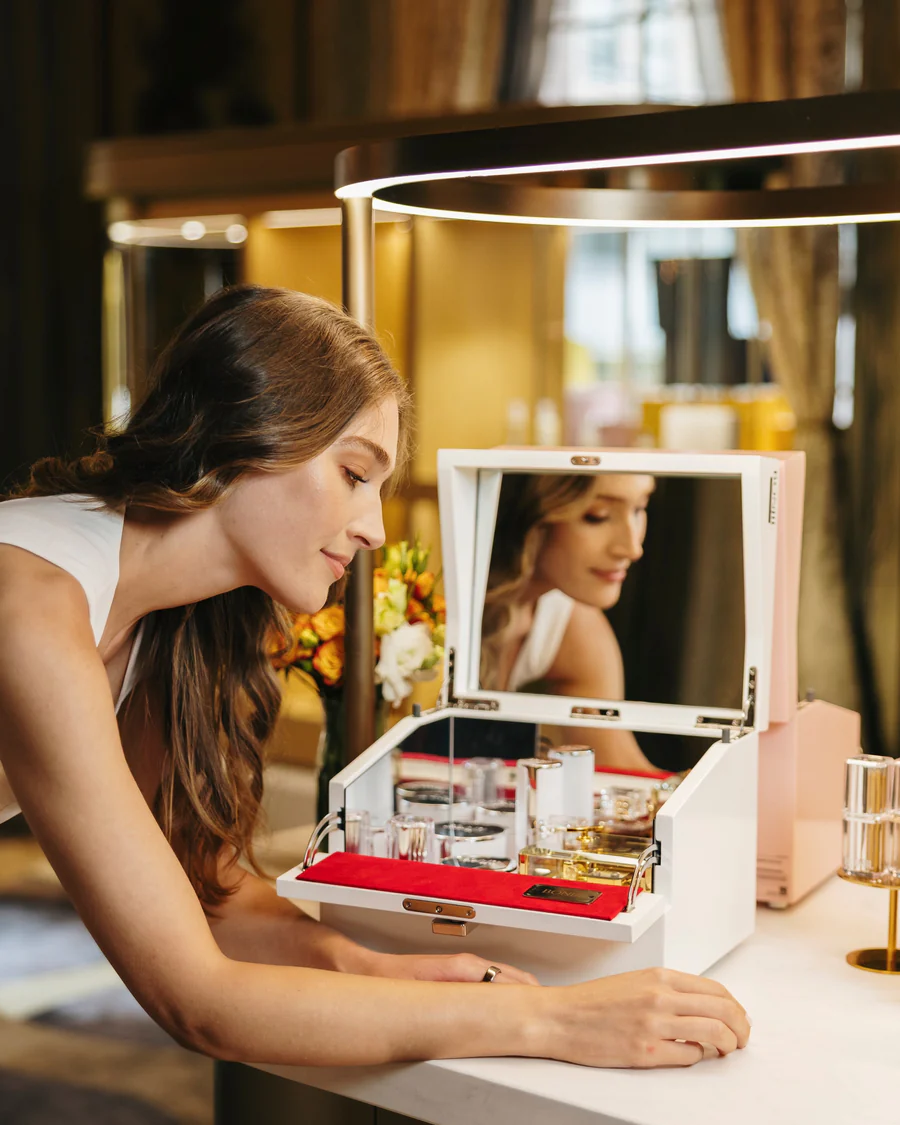
Yes, neurocosmetics and sensory skincare can help calm stressed skin by targeting the neurological pathways that connect emotional stress to inflammatory skin responses. Neurocosmetic formulations work with neuropeptide receptors in the skin to modulate sensitivity and redness triggered by cortisol-driven inflammation. Brands like BONJIL approach stressed skin through this lens, building collections around the principle that skincare application can become a slow, intentional ritual with calming textures and aromas designed to lower perceived stress during the routine itself.
According to a systematic review published in the Journal of Clinical and Aesthetic Dermatology, 12 studies on topical adaptogens were identified, though most neurocosmetic formulations remain in preclinical or early clinical stages, as noted in Clinics in Dermatology.
Turning skincare application into a slow, intentional ritual, complete with calming textures and aromas, may lower perceived stress during the routine itself. For breakout-prone skin, this sensory approach complements proven actives like benzoyl peroxide or retinoids rather than replacing them. Collections that target specific concerns, from hydration to brightening, can be particularly effective when the application process itself becomes part of a stress-reduction strategy. BONJIL builds its collections around this principle, framing each product as part of a multisensory experience rooted in the connection between skin and the nervous system.
What Are the Key Takeaways About Stress Acne Versus Hormonal Breakouts?
The key takeaways about stress acne versus hormonal breakouts center on their distinct causes, locations, timing, and treatment paths:
-
Cause: Stress acne stems from cortisol surges that impair the skin barrier and increase inflammation, while hormonal breakouts result from androgen fluctuations that overstimulate sebaceous glands.
-
Location: Stress acne typically scatters across the forehead, cheeks, and temples. Hormonal acne concentrates along the jawline, chin, and perioral area.
-
Timing: Stress breakouts correlate with acute or prolonged psychological pressure. Hormonal breakouts follow cyclical patterns tied to menstruation, ovulation, or endocrine shifts.
-
Treatment: Stress acne responds well to barrier-supportive ingredients and stress management. Hormonal acne often requires hormonal therapies or anti-androgen treatments.
Both types can coexist, so tracking triggers and lesion patterns helps you choose the right approach. When breakouts persist despite two completed treatment courses, professional evaluation from a dermatologist is the most reliable next step.