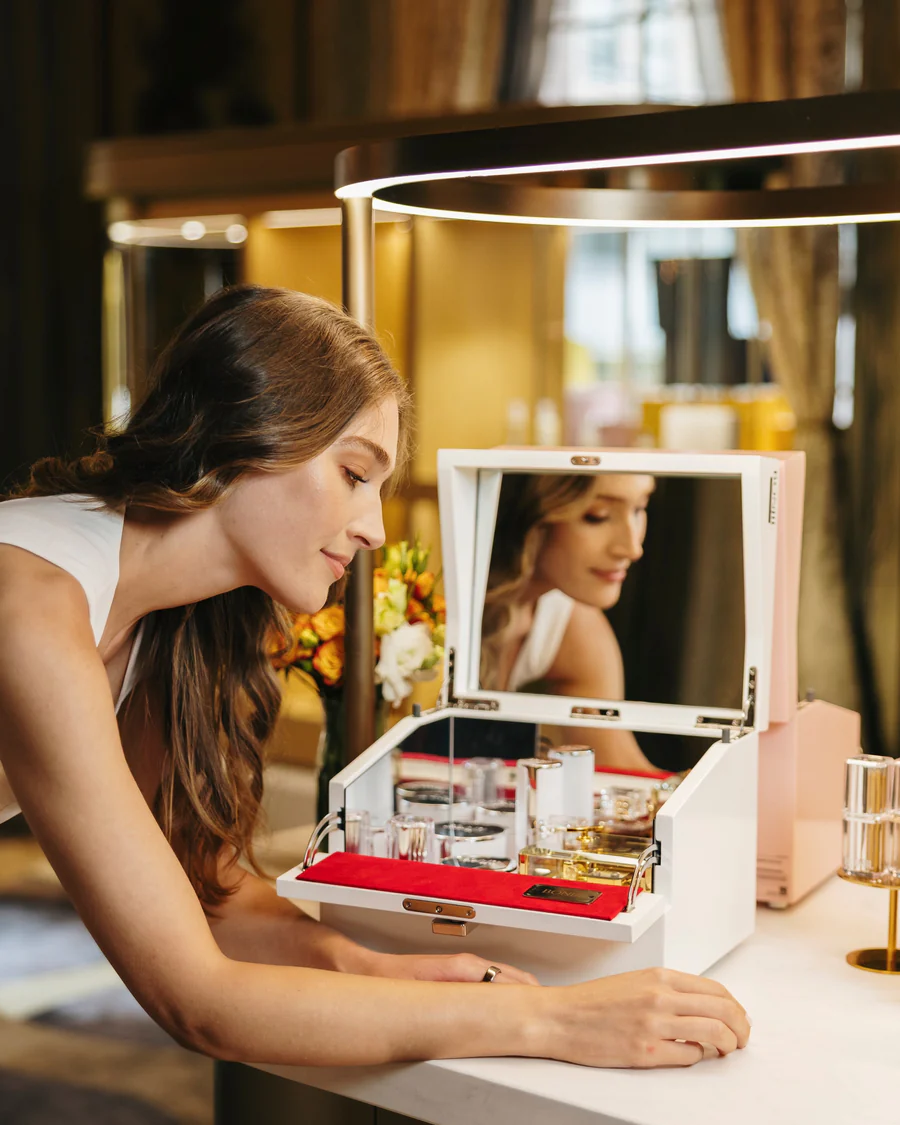
A neurocosmetics calming cleanser is a skincare formula that targets the skin-brain axis using neuro-active compounds, gentle surfactants, and sensory design elements to reduce stress-driven skin reactions while cleansing.
This guide covers the science behind neurocosmetics, what defines a neurocosmetic calming cleanser, the specific benefits these formulas deliver, how they work at the receptor level, who they suit best, and how to apply them for optimal results.
Neurocosmetics sits at the intersection of neuroscience and dermatology, built on the principle that skin functions as a peripheral neuroendocrine organ. Neurotransmitters like serotonin and substance P regulate inflammation and barrier integrity locally within skin tissue, which means targeting these pathways produces results that conventional actives miss.
A neurocosmetic cleanser earns that distinction through three pillars: neuro-active compounds such as calming peptides, adaptogens, and phytocannabinoids; stress-targeting formulation science that interrupts cortisol-driven inflammation; and sensory elements like botanical aromatherapy and cushioning textures that activate parasympathetic relaxation during use.
The benefits span inflammation reduction, barrier preservation through gentle syndet surfactant systems, relief for reactive and sensitized skin, enhanced relaxation through ritual, and improved absorption of subsequent products. Each benefit addresses a different layer of skin and emotional wellness simultaneously.
These cleansers suit sensitive, rosacea-prone, and stress-reactive skin types particularly well. Applying them with slow, circular motions for 60 to 90 seconds in both morning and evening routines maximizes neuro-active contact time and supports the skin's natural repair cycles.
What Is Neurocosmetics and How Does It Apply to Skincare?
Neurocosmetics is a skincare approach that targets the connection between the nervous system and the skin to improve both complexion health and emotional well-being. The following subsections explore the skin-brain connection, the role of neurotransmitters, and how neurocosmetic ingredients differ from traditional actives.
How Does the Skin-Brain Connection Influence Skincare Results?
The skin-brain connection influences skincare results by enabling signals between cutaneous nerve endings and the central nervous system to affect skin condition, barrier repair, and inflammation levels. Skin functions as a peripheral neuroendocrine organ, producing hormones and neuropeptides that respond to environmental and psychological stimuli. When stress activates the hypothalamic-pituitary-adrenal axis, elevated cortisol can impair barrier function and trigger inflammatory responses visible on the face. This bidirectional communication means a cleanser designed to calm nerve receptors does not just remove impurities; it can modulate the neurological signals that drive redness, sensitivity, and breakouts. For anyone dealing with reactive skin, understanding this pathway is essential to choosing products that address root causes rather than surface symptoms alone.

What Role Do Neurotransmitters Play in Skin Health?
Neurotransmitters play a critical role in skin health by regulating inflammation, barrier integrity, and stress-mediated skin responses at the cellular level. Serotonin, substance P, and beta-endorphins are among the signaling molecules produced locally within skin tissue, influencing everything from sebum production to wound healing. According to a 2025 review in Clinics in Dermatology, neurocosmetics targets the skin-brain axis to enhance not only skin health but also emotional well-being, placing it at the intersection of neuroscience, dermatology, and psychodermatology. Disrupted neurotransmitter signaling contributes to conditions where barrier repair rhythms break down, particularly under chronic stress. This is why formulations that support neurochemical balance in the skin can produce results that conventional actives miss entirely.
How Do Neurocosmetic Ingredients Differ From Traditional Actives?
Neurocosmetic ingredients differ from traditional actives by targeting the skin's nerve receptors and neurochemical pathways rather than acting solely on surface-level cellular processes. Traditional actives, such as retinoids, AHAs, and vitamin C, work primarily through chemical exfoliation, antioxidant defense, or collagen stimulation. Neurocosmetic compounds, including calming peptides, adaptogens, and CBD-derived molecules, interact with receptors like TRPV channels and adenosine receptors to modulate sensory signaling and inflammatory cascades at their neurological source. The practical distinction matters: traditional actives correct visible damage, while neurocosmetic ingredients address the stress-driven triggers that cause damage in the first place. Combining both approaches creates a more complete skincare strategy, which is precisely why neurocosmetic calming cleansers represent a meaningful evolution in daily routines.
What Makes a Cleanser a Neurocosmetics Calming Cleanser?
A neurocosmetics calming cleanser combines neuro-active compounds, stress-targeting formulation science, and sensory design elements that engage the skin-brain axis during cleansing. The following subsections break down these three defining pillars.
What Neuro-Active Compounds Are Used in Calming Cleansers?
The neuro-active compounds used in calming cleansers include neuropeptides, botanical adaptogens, and phytocannabinoids. Neuropeptides such as acetyl hexapeptide-8 modulate nerve signaling at the skin's surface, helping reduce tension-related micro-contractions. Adaptogens, a category of skincare bioactive ingredients currently being investigated for their value in skin homeostasis and resiliency, according to the Journal of Clinical and Aesthetic Dermatology, help the skin resist environmental and psychological stressors. Phytocannabinoids like CBD interact with TRPV receptors to calm inflammatory cascades. These compounds distinguish neurocosmetic cleansers from conventional formulas by acting on cutaneous nerve pathways rather than addressing surface symptoms alone.

How Do These Formulas Target Stress-Related Skin Responses?
These formulas target stress-related skin responses by interrupting the signaling cascade between cortisol production and cutaneous inflammation. When psychological stress activates the hypothalamic-pituitary-adrenal axis, glucocorticoids trigger barrier disruption, redness, and breakouts. Neurocosmetic cleansers counteract this cycle through ingredients that downregulate pro-inflammatory pathways at the receptor level. Mild, non-soap surfactant systems also play a role; the American Academy of Dermatology recommends choosing a mild, rosacea-friendly cleanser over soap to avoid compounding irritation. For stressed or reactive skin, this gentle cleansing approach preserves lipid integrity while neuro-active ingredients address the underlying neurogenic inflammation.
What Sensory Elements Enhance the Neurocosmetic Cleansing Experience?
The sensory elements that enhance the neurocosmetic cleansing experience include aromatherapy integration, tactile texture design, and ritualistic application techniques. Botanical aromatics such as lavender or chamomile essential oils stimulate olfactory receptors connected to the limbic system, activating parasympathetic relaxation pathways. A 2024 study published in Scientific Reports found that aromatherapy facilitates recovery of positive-negative affect balance after physiological stress. Silky, cushioning textures encourage slower, more intentional massage movements that further engage the skin's sensory nerve network. Together, these elements transform a functional cleansing step into a calming neurological event.
Understanding what defines a neurocosmetic cleanser clarifies the specific benefits these formulations deliver.
What Are the Benefits of Using a Neurocosmetics Calming Cleanser?
The benefits of using a neurocosmetics calming cleanser span inflammation reduction, barrier protection, reactive skin relief, sensory relaxation, and improved product absorption. Each benefit addresses a distinct layer of skin and emotional wellness.
How Does It Reduce Stress-Induced Skin Inflammation?
A neurocosmetics calming cleanser reduces stress-induced skin inflammation by interrupting the hormonal cascade that links psychological stress to visible skin reactions. Chronic stress activates the hypothalamic-pituitary-adrenal (HPA) axis, which triggers cortisol release and downstream inflammatory signaling in skin tissue. Neuro-active ingredients in calming cleansers target these stress pathways at the cutaneous level, helping to modulate neuropeptide activity before inflammation escalates. According to a 2003 study published in the Journal of Clinical Investigation, stress-related skin inflammation is mediated by endogenous glucocorticoids produced through HPA axis activation. By calming these neural triggers during the cleansing step itself, a neurocosmetics cleanser addresses inflammation at its neurological source rather than merely treating surface symptoms.

How Does It Support the Skin Barrier During Cleansing?
A neurocosmetics calming cleanser supports the skin barrier during cleansing by using gentle, non-stripping surfactant systems that remove impurities without depleting essential lipids. Traditional cleansers often compromise the acid mantle, leaving skin vulnerable to moisture loss and irritant penetration. Neurocosmetic formulations prioritize barrier-compatible ingredients that maintain the lipid matrix while cleansing. According to the National Institute for Health and Care Excellence, syndet (synthetic detergent) cleansing products reduce both inflammatory and non-inflammatory lesion counts when used on acne-affected skin. This barrier-first approach means cleansing strengthens rather than weakens skin resilience, which is particularly valuable for those already managing compromised or sensitized barriers.
How Does It Calm Reactive and Sensitized Skin?
A neurocosmetics calming cleanser calms reactive and sensitized skin by delivering neuro-soothing compounds that reduce sensory nerve overactivation in the epidermis. Sensitized skin often exhibits heightened nerve receptor responsiveness, causing stinging, flushing, or tightness from stimuli that healthy skin tolerates easily. Calming peptides and botanical adaptogens in these formulations help down-regulate this exaggerated neural response. For conditions like rosacea, the American Academy of Dermatology recommends choosing a mild, non-soap cleanser to avoid triggering flares. A neurocosmetics approach goes further by actively soothing the nerve-driven reactivity underlying sensitization, rather than simply avoiding irritation.
How Does It Enhance Relaxation Through the Cleansing Ritual?
A neurocosmetics calming cleanser enhances relaxation through the cleansing ritual by engaging multiple senses simultaneously. Textures, botanical aromas, and intentional massage techniques transform a routine step into a moment of genuine stress relief. This multisensory engagement activates parasympathetic nervous system responses, shifting the body from a stressed to a calm state. A 2024 study published in Scientific Reports found that aromatherapy facilitates recovery of positive and negative affect after physiological stress. Luxury brands like BONJIL have embraced this philosophy, building entire collections around the principle that 'Beauty, Felt With Every Sense' enhances both skin outcomes and emotional well-being through ritual. When fragrance, touch, and mindful application converge in a single cleansing ritual, the emotional benefits compound, making skincare feel restorative rather than mechanical.
How Does It Prepare Skin for Better Product Absorption?
A neurocosmetics calming cleanser prepares skin for better product absorption by thoroughly yet gently clearing surface debris, excess sebum, and dead cells without disrupting the skin's natural pH. When the barrier remains intact and the surface is clean, serums and moisturizers penetrate more efficiently into the stratum corneum. Calmed, non-inflamed skin also absorbs actives more evenly because irritation-induced micro-swelling and uneven texture no longer interfere with topical delivery. This priming effect is especially meaningful for layered skincare routines where each subsequent product depends on a well-prepared canvas. For those investing in high-performance treatments, the cleanser becomes the foundation that determines how effectively every following step performs.
With absorption optimized, selecting the right application technique can further amplify these benefits.
How Does a Neurocosmetics Calming Cleanser Work on the Skin?
A neurocosmetics calming cleanser works on the skin by engaging nerve receptors, activating relaxation pathways through scent, and using gentle surfactants that preserve barrier integrity. The following subsections detail each mechanism.
How Do Calming Peptides Interact With Skin Nerve Receptors?
Calming peptides interact with skin nerve receptors by binding to sensory nerve endings in the epidermis and dermis, modulating the release of stress-related neuropeptides such as substance P and CGRP. This interaction reduces the signaling cascade that triggers redness, irritation, and heightened sensitivity. Because the skin functions as a peripheral neuroendocrine organ, these peptides can influence local stress responses at the cellular level. As noted in The Open Dermatology Journal, psychodermatology addresses the interaction between the mind and the skin, reinforcing why topical neuro-active peptides can produce both physical and perceptual calming effects. For reactive skin types, this receptor-level approach often proves more effective than simply layering soothing botanicals over already-inflamed tissue.
How Does Aromatherapy Integration Activate Relaxation Pathways?
Aromatherapy integration activates relaxation pathways by delivering volatile aromatic compounds through the olfactory system directly to the limbic brain, the region governing emotion, memory, and stress regulation. When inhaled during cleansing, essential oils such as lavender, chamomile, or bergamot stimulate parasympathetic nervous system activity, lowering cortisol output and promoting a calm physiological state. This olfactory-neural connection means the cleansing ritual itself becomes a stress-reduction tool, not just a skincare step. Because elevated cortisol can impair barrier recovery and accelerate inflammation, scent-driven relaxation during cleansing creates a dual benefit: emotional ease and measurably better conditions for skin repair.
How Does Gentle Surfactant Technology Preserve Skin Comfort?
Gentle surfactant technology preserves skin comfort by using mild, non-ionic or amphoteric cleansing agents that lift impurities without stripping essential lipids from the stratum corneum. Traditional sulfate-based surfactants dissolve the intercellular lipid matrix, leaving skin tight, dry, and vulnerable to transepidermal water loss. Syndet-based and amino acid-derived surfactants maintain a skin-compatible pH near 5.5, keeping the acid mantle intact during cleansing. This preservation of barrier architecture is especially critical in a neurocosmetics cleanser, where the goal is to calm rather than compromise the skin. When surfactant technology and neuro-active ingredients work together, cleansing supports both structural resilience and sensory comfort, setting the stage for effective serum and moisturizer absorption.
Who Should Use a Neurocosmetics Calming Cleanser?
A neurocosmetics calming cleanser suits anyone whose skin reacts to stress, sensitivity, or environmental triggers. The ideal candidates include those with sensitive or rosacea-prone skin, people experiencing stress-related breakouts, and individuals drawn to mindful skincare rituals.
Is It Suitable for Sensitive or Rosacea-Prone Skin?
Yes, it is suitable for sensitive or rosacea-prone skin. Neurocosmetic calming cleansers use gentle, soap-free surfactants and neuropeptides that reduce sensory overreaction in the skin. The American Academy of Dermatology recommends choosing a mild, rosacea-friendly cleanser rather than soap to avoid triggering flare-ups. Because these formulas target nerve-mediated inflammation rather than simply masking redness, they address the root sensitivity cycle. For anyone whose skin stings, flushes, or reacts to conventional cleansers, a neurocosmetic approach offers both functional relief and a gentler sensory experience during daily cleansing.
Is It Beneficial for Stress-Related Breakouts and Irritation?
Yes, it is beneficial for stress-related breakouts and irritation. Psychological stress activates the hypothalamic-pituitary-adrenal axis, increasing cortisol and triggering inflammatory cascades in the skin. A 2003 study published in JAMA Dermatology found that increased stress strongly correlated with progressive acne severity (r = 0.61, P < .01). Neurocosmetic calming cleansers counteract this process by delivering adaptogens and calming peptides that modulate stress signaling at the skin's nerve endings. Rather than treating breakouts after they appear, this approach interrupts the stress-inflammation loop during cleansing itself. For those whose skin flares during high-pressure periods, this preventive strategy proves far more practical than reactive spot treatments alone.
Is It Appropriate for Those Seeking Mindful Skincare Rituals?
Yes, it is appropriate for those seeking mindful skincare rituals. Neurocosmetic calming cleansers integrate aromatherapy, soothing textures, and intentional application techniques that transform routine cleansing into a moment of sensory engagement. The act of massaging a calming formula with botanical aromas activates relaxation pathways through olfactory and tactile stimulation simultaneously. This ritualistic dimension appeals to consumers who view skincare as more than a functional step. For those who want their cleansing routine to serve both skin health and emotional well-being, neurocosmetics bridges that gap deliberately. Brands specializing in sensory-driven skincare, such as BONJIL's collections targeting specific concerns through multisensory rituals, exemplify this approach to holistic beauty.
With a clear understanding of who benefits most, the next step is learning how to apply these cleansers effectively.
How Should You Apply a Neurocosmetics Calming Cleanser?
You should apply a neurocosmetics calming cleanser using slow, intentional movements that activate both skin receptors and sensory relaxation pathways. The sections below cover optimal technique, massage duration, and timing within daily routines.
What Is the Optimal Technique for Maximizing Calming Benefits?
The optimal technique for maximizing calming benefits combines gentle pressure with deliberate, circular motions across the face. Start by dampening skin with lukewarm water, which opens pores without triggering reactive sensitivity. Apply a small amount of cleanser to fingertips and press it onto the forehead, cheeks, nose, and chin.
Use light, upward circular strokes to distribute the formula evenly. This approach stimulates cutaneous nerve endings without overstimulating sensitized skin. Breathe slowly and inhale the formulation's aromatic compounds during application; according to a 2024 study published in Scientific Reports, aromatherapy facilitates recovery of positive and negative affect after physiological stress. Gentle technique turns cleansing into a neurocosmetic ritual rather than a rushed step.

How Long Should You Massage the Cleanser for Best Results?
You should massage the cleanser for 60 to 90 seconds to achieve the best results. This duration allows neuro-active peptides and botanical extracts sufficient contact time to interact with skin receptors. Shorter application often fails to engage the calming pathways that distinguish neurocosmetic formulas from conventional cleansers.
During this window, maintain consistent light pressure. Avoid aggressive scrubbing, which can compromise barrier integrity and increase inflammation. For those with especially reactive or rosacea-prone skin, even 45 seconds of gentle massage can be effective, as the American Academy of Dermatology recommends mild, non-soap cleansers applied without friction. The key is unhurried, mindful contact rather than extended duration.
When Should You Use It in Your Morning and Evening Routines?
You should use a neurocosmetics calming cleanser in both your morning and evening routines, though each session serves a distinct purpose.
-
Morning application removes overnight sebum and prepares the skin barrier for serums, moisturizers, and sun protection.
-
Evening application clears environmental pollutants, makeup residue, and stress-related cortisol byproducts accumulated throughout the day.
Evening use is particularly important because skin barrier function can worsen at night in compromised skin, at a time when healthy skin is normally rejuvenating, according to a 2024 study in the Journal of Biological Rhythms. A calming cleanser supports this natural repair window. For most skin types, twice-daily use maintains the consistent neurocosmetic benefits that build over time.
With application technique established, the next step is understanding how luxury formulations elevate this ritual further.
How Does Luxury Neurocosmetics Elevate Your Cleansing Ritual?
Luxury neurocosmetics elevates your cleansing ritual by combining sensory science with high-performance formulations that engage the skin-brain axis. BONJIL's multisensory approach and the core principles of neurocosmetic calming cleansers illustrate this elevation.
Can BONJIL's Multisensory Skincare Approach Enhance Calming Benefits?
Yes, BONJIL's multisensory skincare approach can enhance calming benefits by engaging multiple senses simultaneously during cleansing. Luxury neurocosmetic brands design products as mindful rituals, layering texture, scent, and even sound elements to create a soothing backdrop for skincare. This philosophy aligns with neurocosmetics research; a 2024 study published in Scientific Reports found that aromatherapy facilitates recovery of positive and negative effects after physiological stress. Luxury neurocosmetic brands that pair neuro-active formulations with sensory cues can transform a routine cleanse into an immersive experience that supports both skin health and emotional well-being. For those seeking skincare reimagined through sensory science and ritual, luxury neurocosmetic formulations offer a compelling advantage over conventional cleansers.
What Are the Key Takeaways About Neurocosmetics Calming Cleansers?
The key takeaways about neurocosmetics calming cleansers center on their dual-action design, addressing visible skin concerns while supporting emotional balance through the skin-brain axis. The most important points include:
-
Neurocosmetic cleansers use neuro-active compounds, adaptogens, and gentle surfactants to calm reactive skin without compromising barrier integrity.
-
Stress directly worsens skin conditions; these formulations target stress-related inflammation at its neurological source.
-
Sensory elements like scent, texture, and massage technique activate relaxation pathways, amplifying calming results.
-
Consistent use within a mindful morning and evening routine maximizes both skin barrier repair and emotional benefits.
Prioritizing a cleanser that works with your nervous system, not just your skin's surface, represents a meaningful shift in how daily skincare can serve holistic wellness.