Anti-aging skincare product effectiveness depends on active ingredient selection, concentration levels, formulation quality, and how well compounds penetrate the skin's outer barrier.
This article covers proven ingredients and what makes them work, realistic timelines and expected results, personal factors that shape outcomes, premium formulation differences, and strategies to maximize every product in your routine.
Ingredients like retinoids, vitamin C, peptides, and hyaluronic acid each target distinct aging mechanisms, from collagen stimulation to free radical defense. Clinical research supports their efficacy at specific concentrations, though formulation stability and molecular size determine whether actives actually reach their cellular targets.
Most anti-aging products require six weeks to three months of consistent use before producing visible changes. Hydrating ingredients deliver the fastest surface-level smoothing, while retinoids and peptides need longer cycles to trigger measurable collagen production. Results remain incremental rather than dramatic; topical products improve texture, hydration, and fine lines without replicating surgical outcomes.
Skin type, age, application consistency, and lifestyle habits all shape how well any product performs. Sun protection, sleep quality, and stress management create the internal conditions where actives work best, while smoking and UV exposure undermine even advanced formulations.
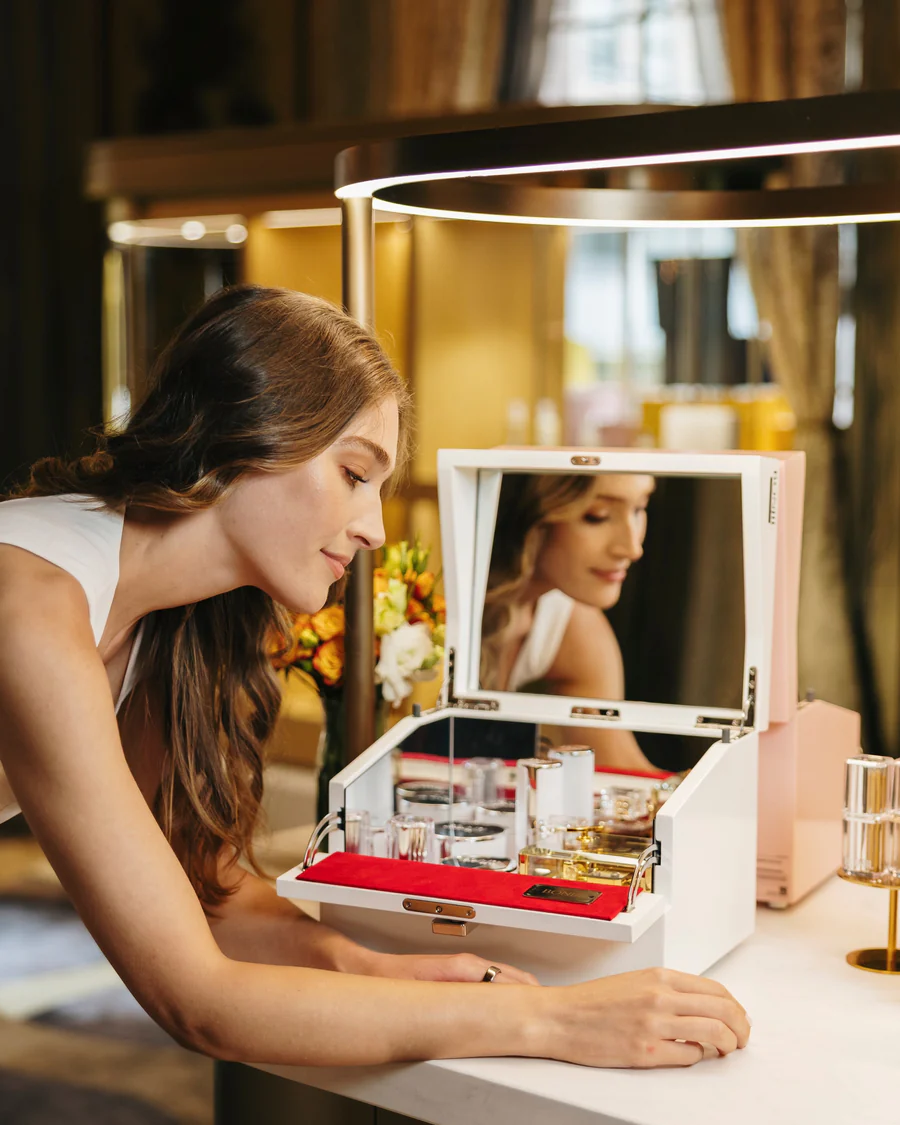
Premium products distinguish themselves through higher-purity ingredients, nanoparticle delivery systems, and neurocosmetic formulations that engage the skin-nervous system connection. Layering products in the correct order, applying them through mindful sensory rituals, and pairing them with protective daily habits separates marginal improvement from lasting, compounding results. Brands like BONJIL build entire collections around this principle, designing caviar-enriched neurocosmetic products specifically for multisensory, ritualistic application that addresses both skin biology and emotional well-being.
What Makes Anti-Aging Skincare Products Effective?
Anti-aging skincare products are effective when active ingredients reach the skin at sufficient concentrations through well-designed formulations. The subsections below cover how ingredients, concentration, formulation, and skin penetration each contribute to product efficacy.
How Do Active Ingredients Determine Product Effectiveness?
Active ingredients determine product effectiveness by targeting specific mechanisms of skin aging, such as collagen degradation, oxidative stress, and moisture loss. Retinoids stimulate cell turnover, vitamin C neutralizes free radicals, and peptides signal collagen synthesis. Each ingredient addresses a distinct pathway.
The category continues to evolve beyond traditional actives. According to a 2021 article in Cosmetics, neurocosmetics are nontoxic, bioactive topical products containing ingredients designed to work at a neurological level. This emerging class targets the skin-nervous system connection, potentially influencing how skin responds to stress and environmental damage. The most effective anti-aging products combine well-researched actives that work through complementary biological pathways rather than relying on a single ingredient.
Why Does Ingredient Concentration Matter for Anti-Aging Results?
Ingredient concentration matters for anti-aging results because too little of an active compound produces no measurable effect, while too much can cause irritation without additional benefit. Every active ingredient has a therapeutic window where it delivers optimal results.
Concentration thresholds vary by ingredient:
-
Retinol typically performs between 0.25% and 1.0% in over-the-counter formulations.
-
L-ascorbic acid (vitamin C) requires concentrations of 10% to 20% for meaningful antioxidant protection.
-
Niacinamide shows clinical benefits starting around 2% to 5%.
Products that list active ingredients without disclosing percentages make informed comparisons difficult. For consumers evaluating anti-aging skincare, prioritizing brands that transparently communicate concentration levels is one of the most practical steps toward better results.
How Does Product Formulation Affect Ingredient Delivery?
Product formulation affects ingredient delivery by determining how stable, bioavailable, and absorbable an active ingredient remains from manufacturing through application. A potent ingredient in a poorly designed base may degrade before reaching the skin or sit on the surface without penetrating.
Formulation variables that influence delivery include pH, emulsion type, solvent systems, and encapsulation technology. Vitamin C stability illustrates this clearly; absorption and stability of L-ascorbic acid increase when formulated in an environment with a pH below 3.5, or when delivered as a stabilized derivative, according to the Osteopathic Family Physician journal. Water-based serums, anhydrous oils, and cream emulsions each suit different actives. Choosing the wrong vehicle can render even a clinically proven ingredient ineffective on the skin.
What Role Does Skin Penetration Play in Product Efficacy?
Skin penetration plays a central role in product efficacy because ingredients that cannot cross the stratum corneum never reach their cellular targets. The skin's outermost barrier is designed to keep foreign substances out, which makes delivery a fundamental challenge for topical anti-aging treatments.
Molecular size is the primary gatekeeper. Compounds must have a molecular weight under 500 Daltons to pass through the corneal layer effectively. Larger molecules, including many forms of collagen and unmodified hyaluronic acid, remain on the surface and provide only temporary hydration.
Advanced delivery systems are being developed to overcome these barriers. A review in Clinical Interventions in Aging found that nanoparticles show good potential in improving the stability, tolerability, and efficacy of retinoids like tretinoin and retinol, though more clinical studies are needed to confirm their advantage. Understanding penetration science helps explain why two products with identical ingredient lists can produce vastly different outcomes.
Which Anti-Aging Ingredients Have Proven Effectiveness?
Anti-aging ingredients with proven effectiveness include retinoids, vitamin C, peptides, hyaluronic acid, niacinamide, alpha hydroxy acids, caviar extract, and antioxidants. Each targets distinct signs of aging through different mechanisms.

Retinoids
Retinoids are vitamin A derivatives that accelerate cell turnover and stimulate collagen production. Tretinoin, the most studied retinoid, has confirmed efficacy for treating photoaged skin at concentrations ranging from 0.025% to 0.1%, according to research published in the British Journal of Dermatology. Over-the-counter retinol converts to retinoic acid more slowly, producing gentler but more gradual results. Starting with lower concentrations helps minimize irritation while the skin builds tolerance. For those committed to visible wrinkle reduction, retinoids remain the most clinically validated topical option.
Vitamin C
Vitamin C is a potent antioxidant that neutralizes free radicals and brightens uneven skin tone. L-ascorbic acid, the most active form, supports collagen synthesis and reduces hyperpigmentation. However, this ingredient is notoriously unstable. Formulations with a pH below 3.5 or those using stabilized derivatives improve both absorption and shelf life. Consistent daily application under sunscreen amplifies photoprotection. When properly formulated, vitamin C delivers measurable improvements in radiance and firmness over several weeks of use.
Peptides
Peptides are short chains of amino acids that signal skin cells to produce collagen and elastin. Different peptide types serve different functions: signal peptides encourage matrix protein synthesis, carrier peptides deliver trace minerals to the skin, and neurotransmitter-inhibiting peptides may relax expression lines. Because peptides are generally well tolerated, they pair effectively with retinoids and vitamin C in layered routines. Results tend to be subtler than prescription-strength actives, yet peptides offer a valuable supporting role in comprehensive anti-aging regimens.
Hyaluronic Acid
Hyaluronic acid is a naturally occurring humectant that holds up to 1,000 times its weight in water. It plumps fine lines by drawing moisture into the skin's surface layers. A study published in the Journal of Clinical and Aesthetic Dermatology found that micronized hyaluronic acid produced a 24% improvement in skin hydration at four weeks and 38.9% at twelve weeks. Low-molecular-weight forms penetrate more effectively than larger molecules, making formulation size a key factor. Immediate smoothing effects make hyaluronic acid one of the most satisfying ingredients to use daily.
Niacinamide
Niacinamide is a form of vitamin B3 that strengthens the skin barrier and reduces inflammation. It minimizes pore appearance, evens skin tone, and helps regulate sebum production. Because niacinamide is well tolerated across all skin types, it works as an effective complement to more potent actives like retinoids. Concentrations between 2% and 5% are commonly used in anti-aging formulations. Its versatility and gentle profile make niacinamide especially practical for sensitive or reactive skin.
Alpha Hydroxy Acids
Alpha hydroxy acids are water-soluble exfoliants that dissolve dead cells on the skin's surface. Glycolic acid and lactic acid are the most common types used in anti-aging products. Regular use improves skin texture, reduces dullness, and supports more even pigmentation. A study published in Dermatologic Surgery found that glycolic acid produced statistically significant improvement in general skin texture and discoloration. Lower concentrations suit daily use, while higher-strength peels deliver more intensive renewal under professional guidance.
Caviar Extract
Caviar extract is a nutrient-dense ingredient rich in omega fatty acids, vitamins, and amino acids. It nourishes the skin matrix while supporting elasticity and firmness. In neurocosmetic formulations, caviar extract contributes to both the sensory experience and the biological activity of the product. Its lipid composition closely mirrors the skin's natural oils, which may enhance absorption and compatibility. BONJIL centers its luxury skincare collections around caviar extract, combining its restorative properties with multisensory elements, including music boxes and thoughtfully designed textures, to transform daily application into an immersive wellness ritual. For luxury anti-aging routines, caviar-based products offer a unique combination of performance and ritual.
Antioxidants
Antioxidants are compounds that protect skin cells from oxidative stress caused by UV exposure, pollution, and environmental aggressors. Common anti-aging antioxidants include vitamin E, resveratrol, green tea polyphenols, and coenzyme Q10. These ingredients work by neutralizing free radicals before they damage collagen and elastin fibers. Layering multiple antioxidants creates a broader protective network than relying on a single compound. When combined with sunscreen, antioxidants form a foundational defense strategy that slows visible aging over time.
Understanding which ingredients deliver results helps you choose formulations that match your specific skin concerns and goals.
How Long Does It Take for Anti-Aging Products to Show Results?
Anti-aging products typically take six weeks to three months to show visible results. Timelines vary by ingredient type, with retinoids, vitamin C, peptides, and hydrating ingredients each following distinct improvement curves.

How Soon Can You See Results from Retinoid Products?
Results from retinoid products typically appear after 8 to 12 weeks of consistent use, though initial skin texture changes may emerge sooner. Prescription tretinoin generally delivers faster, more pronounced improvements than over-the-counter retinol formulations.
However, expectations should remain realistic. According to the Mayo Clinic, wrinkle creams usually only make small improvements and will not produce results as noticeable as a face-lift. A 2022 review in Advances in Therapy noted a general lack of evidence from properly designed clinical trials to support the claimed efficacy of the most commonly used retinoids in cosmeceutical products.
Starting with lower concentrations and gradually increasing frequency helps minimize irritation while the skin acclimates to retinoid activity.
How Long Before Vitamin C Shows Visible Improvement?
Vitamin C shows visible improvement in skin brightness and tone within four to six weeks of daily application. Hyperpigmentation and uneven skin tone tend to respond first, while deeper collagen-related changes require closer to three months.
Formulation stability plays a significant role in these timelines. L-ascorbic acid, the most potent form, degrades quickly when exposed to light and air. Stabilized derivatives absorb more reliably, though they may work more gradually. Products formulated at a pH below 3.5 enhance absorption, which can accelerate visible results.
Consistent morning application under sunscreen maximizes vitamin C's antioxidant protection and photoaging defense throughout the day.
When Do Peptide Products Demonstrate Effectiveness?
Peptide products demonstrate effectiveness after approximately 8 to 12 weeks of regular application. Signal peptides, carrier peptides, and neurotransmitter-inhibiting peptides each target different aspects of skin aging, so results vary by peptide type.
Early changes often include improved skin texture and a subtle plumping effect. More significant firmness improvements require extended, uninterrupted use because peptides work by signaling skin cells to produce collagen gradually. Unlike retinoids, peptides rarely cause irritation, which makes them easier to use consistently.
For most users, pairing peptide serums with complementary active ingredients accelerates the overall anti-aging timeline.
How Quickly Do Hydrating Ingredients Reduce Fine Lines?
Hydrating ingredients reduce fine lines quickly, often within hours of initial application, because they plump skin by drawing moisture into the outer layers. Hyaluronic acid, glycerin, and ceramides produce the most immediate visible smoothing effects.
Sustained improvement, however, builds over weeks. A study published in the Journal of Clinical and Aesthetic Dermatology found statistically significant improvement in skin hydration at four weeks (24%) and 12 weeks (38.9%) post-treatment with micronized hyaluronic acid.
Surface-level hydration fades without reapplication, so consistent daily use transforms temporary plumping into lasting fine-line reduction. Among all anti-aging ingredient categories, hydrators deliver the fastest initial results, making them ideal anchors in any routine.
Understanding these ingredient timelines helps set realistic expectations for a comprehensive anti-aging regimen.
What Factors Influence How Well Anti-Aging Products Work for You?
Several factors influence how well anti-aging products work for you, including skin type, age, consistency of application, and daily lifestyle habits. Each variable shapes how your skin absorbs, responds to, and benefits from active ingredients.

How Does Your Skin Type Affect Anti-Aging Product Effectiveness?
Your skin type affects anti-aging product effectiveness by determining how ingredients absorb, how quickly irritation develops, and which formulations deliver the best results. Oily skin tolerates retinoids more readily, while dry skin may need richer, lipid-based carriers to avoid barrier disruption.
Melanin concentration also plays a role. According to a study published in the Annals of Dermatology, higher Fitzpatrick skin types correspond to darker complexions and greater melanin concentration, which influences how the skin responds to exfoliating acids and photosensitizing ingredients. Sensitive skin types often require lower concentrations and gradual introduction of actives. Matching products to your specific skin profile is one of the most overlooked steps in building an effective anti-aging routine.
How Does Age Impact Results from Anti-Aging Skincare?
Age impacts results from anti-aging skincare because younger skin retains greater collagen density, faster cell turnover, and stronger barrier function. These biological advantages mean preventive products applied in your twenties or thirties can sustain skin quality more effectively than corrective treatments started later.
After age forty, collagen synthesis slows and cumulative photodamage becomes more visible. Products targeting fine lines and hyperpigmentation require higher-potency actives and longer timelines to produce noticeable change. Starting earlier does not guarantee perfection, but it builds a stronger foundation that makes every subsequent product work harder.
Why Does Consistency of Use Determine Product Success?
Consistency of use determines product success because active ingredients require repeated application cycles to trigger measurable biological changes. According to the American Academy of Dermatology, most anti-aging products take at least six weeks to work, and some require up to three months.
Sporadic application prevents ingredients like retinoids and vitamin C from accumulating the cellular effects needed for visible improvement. Skipping days resets the adaptation timeline. Building a daily ritual, particularly one that engages multiple senses, reinforces the habit. Consistency is not optional; it is the single controllable factor that most directly determines whether a product succeeds or fails.
How Do Lifestyle Factors Enhance or Diminish Product Results?
Lifestyle factors enhance or diminish product results by altering the skin's baseline condition before any topical is applied. Smoking, poor sleep, chronic stress, and excessive UV exposure accelerate skin aging from the inside, undermining even the most advanced formulations.
A study published in the Annals of Internal Medicine found that heavy cigarette smokers with over 50 pack-years were 4.7 times more likely to develop wrinkles than nonsmokers. Sun protection, adequate hydration, balanced nutrition, and quality sleep create the internal environment where anti-aging actives perform best. No product can fully compensate for lifestyle damage, which makes daily habits the foundation that determines your skincare ceiling.
Understanding these personal variables helps you set realistic expectations before exploring what anti-aging products can reliably deliver.
What Realistic Results Can You Expect from Anti-Aging Products?
Realistic results from anti-aging products include measurable improvements in hydration, texture, and fine lines, though outcomes fall short of surgical interventions. The following subsections cover reliable improvements, responsive skin concerns, and inherent product limitations.
What Improvements Can Anti-Aging Products Reliably Deliver?
The improvements anti-aging products can reliably deliver include better skin hydration, smoother texture, reduced discoloration, and softened fine lines. These changes are incremental rather than dramatic. According to the Mayo Clinic, wrinkle creams usually only make small improvements and cannot produce results as noticeable as a face-lift.
Consistent use over several weeks yields the most dependable outcomes. Hydration gains often appear first, followed by gradual textural refinement. For most users, setting expectations around subtle, cumulative progress rather than overnight transformation leads to greater satisfaction with any well-formulated regimen.
What Skin Concerns Respond Best to Topical Anti-Aging Treatments?
The skin concerns that respond best to topical anti-aging treatments are surface-level issues, such as:
-
Mild dehydration and dullness: Hyaluronic acid and moisturizing actives restore plumpness quickly.
-
Uneven skin texture: Chemical exfoliants like glycolic acid smooth roughness over several weeks.
-
Hyperpigmentation and discoloration: Vitamin C serums and niacinamide gradually even skin tone.
-
Early fine lines: Retinoids stimulate cell turnover, softening shallow wrinkles with sustained use.
Superficial concerns that sit within the epidermis tend to improve most noticeably because topical actives can reach these layers. Deeper structural changes, such as volume loss or deep-set folds, require interventions beyond what topical products can address.
What Limitations Do Anti-Aging Skincare Products Have?
The limitations of anti-aging skincare products center on penetration depth, regulatory classification, and biological boundaries. Compounds must have a molecular weight under 500 Daltons to pass through the stratum corneum, as noted in a 2000 study published in Experimental Dermatology. This restricts how much active material reaches deeper skin layers.
The U.S. FDA classifies any product intended to remove wrinkles or increase collagen production as a drug, not a cosmetic. Most over-the-counter formulations cannot legally make such claims because they operate within cosmetic boundaries. Deep wrinkles, significant sagging, and advanced photoaging remain beyond topical correction alone; these concerns typically require professional dermatological procedures.
Understanding these boundaries helps you invest wisely in products that target what topicals genuinely improve.
How Do Premium Anti-Aging Products Differ from Standard Options?
Premium anti-aging products differ from standard options through higher-grade ingredients, advanced delivery systems, and a more refined sensory experience. The following sections explore ingredient sourcing, formulation technology, and the added benefits luxury products provide.
Why Do Ingredient Quality and Sourcing Affect Effectiveness?
Ingredient quality and sourcing affect effectiveness because purer, more bioavailable compounds penetrate skin more efficiently and deliver stronger results. Raw material grade matters: pharmaceutical-grade retinoids and stabilized vitamin C derivatives maintain potency longer than their mass-market counterparts. According to research published in Experimental Dermatology, a compound must have a molecular weight under 500 Daltons to pass through the corneal layer, which means only precisely sized, well-sourced actives achieve meaningful absorption. Premium brands invest in high-purity extracts, such as caviar-derived peptides, sustainably harvested botanicals, and clinical-grade antioxidants, to meet this threshold consistently. Cheaper alternatives often rely on diluted or synthetic substitutes that degrade faster on the shelf.
How Does Advanced Formulation Technology Improve Results?
Advanced formulation technology improves results by optimizing how active ingredients reach deeper skin layers. Standard products often use basic emulsion systems that leave actives sitting on the surface. Premium formulations employ techniques such as:
-
Nanoparticle encapsulation to protect unstable compounds during delivery.
-
pH-optimized vehicles that keep acids within their effective range.
-
Time-release mechanisms that extend ingredient activity over hours.
Research published in Clinical Interventions in Aging found that nanoparticles show strong potential in improving the stability, tolerability, and efficacy of retinoids like tretinoin and retinol. For most consumers, this technological layer is what separates visible improvement from negligible change; the active ingredient alone is only as good as the system carrying it.
What Additional Benefits Do Luxury Anti-Aging Products Provide?
The additional benefits luxury anti-aging products provide extend beyond skin correction into sensory and emotional wellness. Neurocosmetic formulations, for instance, contain bioactive ingredients designed to work at a neurological level, as described in a 2021 review published in Cosmetics. Premium brands like BONJIL incorporate this science into multisensory rituals where texture, fragrance, and application technique all contribute to stress reduction and mindful self-care. These experiential elements are not superficial additions; chronic stress accelerates skin aging, so calming the nervous system during application creates a compounding benefit. Standard products rarely account for this mind-skin connection, focusing solely on chemical correction rather than holistic results.
With a clearer understanding of what sets premium formulations apart, the next step is learning how to maximize the effectiveness of any anti-aging product you choose.
How Can You Maximize the Effectiveness of Anti-Aging Skincare?
You can maximize the effectiveness of anti-aging skincare by layering products correctly, applying them mindfully, and pairing them with complementary lifestyle practices. The following sections cover optimal layering order, absorption-enhancing rituals, and supportive daily habits.

Why Does Layering Products Correctly Boost Anti-Aging Results?
Layering products correctly boosts anti-aging results because it ensures each active ingredient reaches the skin at the right depth without interference from competing formulations. According to a study published in Experimental Dermatology, a compound must have a molecular weight under 500 Daltons to pass through the stratum corneum, which means lighter, water-based serums need direct skin contact before heavier creams seal them in.
The general layering sequence for maximum penetration is:
-
Cleanse to remove barriers that block absorption.
-
Apply water-based serums (vitamin C, peptides) on slightly damp skin.
-
Follow with oil-based treatments (retinoids) after serums absorb.
-
Seal with a moisturizer to lock actives against the skin.
-
Finish with broad-spectrum sunscreen every morning.
Skipping this order, particularly by placing heavier occlusives before lightweight serums, creates a physical barrier that limits how deeply actives can penetrate.
How Does a Mindful Application Ritual Enhance Product Absorption?
A mindful application ritual enhances product absorption by slowing the process down, encouraging gentle pressing and warming motions that increase blood flow to the skin's surface. Rather than rushing through steps, taking a deliberate, sensory approach gives each layer time to settle before the next is applied.
Warming a serum between fingertips before pressing it into the skin helps the formula spread evenly and absorb more completely. Gentle upward patting motions, as opposed to dragging, minimize mechanical stress on aging skin while promoting circulation. Waiting 30 to 60 seconds between layers prevents dilution and pilling.
This intentional approach aligns with the broader philosophy behind neurocosmetic skincare, where the emotional experience of application itself contributes to overall skin wellness.
What Complementary Practices Amplify Anti-Aging Product Efficacy?
Complementary practices that amplify anti-aging product efficacy include consistent sun protection, adequate sleep, stress management, and avoiding tobacco. These habits address the environmental and biological factors that degrade skin independently of any topical routine.
-
Daily broad-spectrum sunscreen is the single most impactful complement; a randomized trial published through the University of Manchester found that daily sunscreen users showed 24% less skin aging over 4.5 years compared to occasional users.
-
Quality sleep supports overnight cellular repair, the window when retinoids and peptides are most active.
-
Chronic stress elevates cortisol, which breaks down collagen and accelerates visible aging.
-
Smoking significantly compounds skin damage; avoiding tobacco preserves the structural proteins that anti-aging products work to protect.
No topical product can fully compensate for persistent sun exposure, sleep deprivation, or smoking. Pairing a well-formulated routine with these protective habits is what separates marginal improvement from meaningful, lasting results. With these optimization strategies in place, choosing products designed around sensory ritual can elevate the experience further.
How Should You Approach Anti-Aging Skincare with Sensory Ritual Products?
You should approach anti-aging skincare with sensory ritual products by combining clinically active ingredients with mindful, multisensory application techniques. The following sections explore how caviar-based neurocosmetics elevate results and summarize the key takeaways about anti-aging product effectiveness.
Can Caviar-Based Neurocosmetic Treatments Enhance Your Anti-Aging Results?
Yes, caviar-based neurocosmetic treatments can enhance your anti-aging results by combining nutrient-dense caviar extract with bioactive compounds designed to interact with the skin's neurological pathways. As defined by a 2021 review in Cosmetics, neurocosmetics are nontoxic, bioactive topical products containing ingredients designed to work at a neurological level. Caviar extract delivers essential fatty acids, amino acids, and vitamins that support skin barrier repair and hydration. When applied through a deliberate sensory ritual, rather than rushed application, these formulations may promote deeper relaxation responses that reduce cortisol-driven skin stress. BONJIL builds its collections around this principle, pairing caviar-based neurocosmetic formulations with multisensory elements to transform each application into an experience that supports both skin health and emotional well-being.
What Are the Key Takeaways About Anti-Aging Skincare Effectiveness?
The key takeaways about anti-aging skincare effectiveness center on ingredient quality, realistic expectations, and consistent practice. Core insights from this article include:
-
Proven active ingredients, such as retinoids, vitamin C, peptides, and hyaluronic acid, deliver measurable improvements in texture, hydration, and fine lines when formulated at effective concentrations.
-
Most anti-aging products require at least six to twelve weeks of consistent use before visible changes appear.
-
Topical products produce gradual, incremental improvements; they do not replicate surgical outcomes.
-
Skin type, age, lifestyle habits, and application technique all influence how well any product performs.
-
Premium formulations with advanced delivery systems and high-quality sourcing can improve ingredient stability and absorption.
-
Mindful application rituals amplify product absorption while adding a restorative, stress-reducing dimension to daily skincare.
For those seeking products that honor both clinical performance and sensory experience, BONJIL offers caviar-enriched neurocosmetic collections designed to make every step of your anti-aging routine feel as intentional as it is effective.