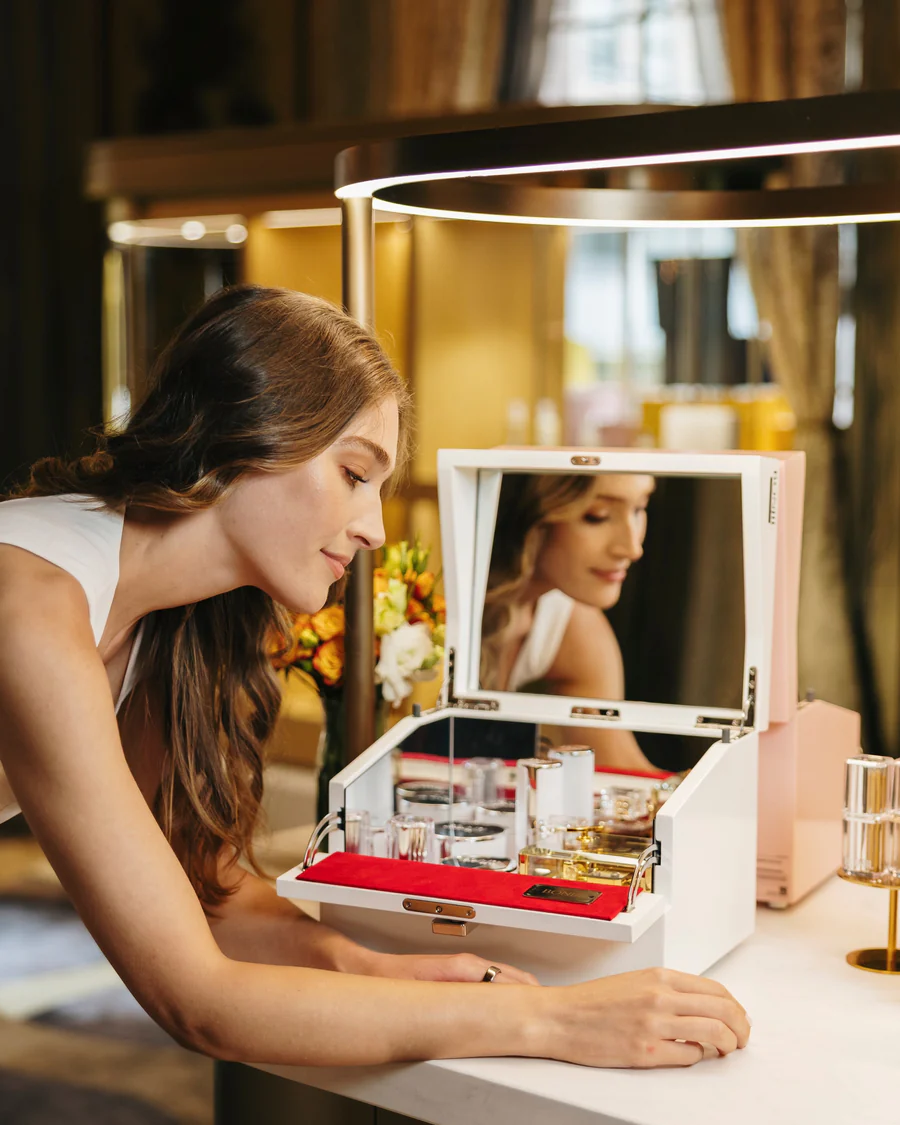
Anti-aging skin care product selection is the process of matching clinically active ingredients, appropriate formulations, and product quality standards to your individual skin profile. Effective selection targets specific aging mechanisms rather than relying on generalized marketing claims.
This guide covers identifying your skin concerns, understanding key anti-aging ingredients, choosing products by skin type, evaluating formulations and product quality, and integrating a luxury neurocosmetics approach into your routine.
Skin aging results from both intrinsic biological changes and external factors like chronic sun exposure, so the concerns you prioritize (fine lines, firmness loss, uneven tone, dryness, or under-eye aging) determine which actives and product formats will deliver measurable results.
Ingredients like retinoids, peptides, hyaluronic acid, vitamin C, niacinamide, alpha hydroxy acids, antioxidants, and ceramides each target distinct aging pathways. Retinoids remain the most evidence-backed option for wrinkle reduction, while ceramides restore barrier hydration and peptides support firming without irritation.
Your skin type directly shapes which formulations work. Dry skin benefits from rich, emollient creams with ceramides; oily skin performs better with lightweight, non-comedogenic serums; and sensitive skin requires fragrance-free, minimally formulated treatments introduced gradually.
Formulation type matters as much as ingredient choice. Serums deliver concentrated actives deep into the skin, moisturizers lock in hydration and reinforce the barrier, and dedicated eye creams calibrate potency for the delicate periorbital area.
Evaluating product quality through clinical evidence, ingredient concentration transparency, and third-party testing separates effective products from empty promises. A consistent daily routine built around protection in the morning and repair in the evening ensures these products perform as intended.
What Are Anti-Aging Skin Care Products?
Anti-aging skin care products are topical formulations designed to prevent, slow, or reverse visible signs of skin aging, such as wrinkles, fine lines, loss of firmness, uneven tone, and dryness. These products contain active ingredients like retinoids, peptides, hyaluronic acid, and antioxidants that target specific aging mechanisms at the cellular level. According to a 2023 review published in Molecules, the leading scientific theories behind skin aging include free radicals and oxidative stress, inflammation, photoaging, and nonenzymatic glycosyl chemistry. Each product category addresses one or more of these pathways. Because skin aging results from both intrinsic biological changes and external environmental factors, effective anti-aging products work across multiple fronts to maintain skin health and appearance over time.
Why Is Selecting the Right Anti-Aging Products Important for Your Skin?
Selecting the right anti-aging products is important for your skin because mismatched formulations can worsen existing concerns, waste money, and even cause adverse reactions. Skin aging involves multiple biological mechanisms, and each person's skin responds differently to active ingredients. Choosing products aligned with your specific concerns, skin type, and ingredient needs determines whether you see real improvement or frustration.
A few core reasons make careful selection essential:
-
Skin aging is multifactorial. According to a 2023 review published in Molecules, the predominant theories of skin aging include free radicals and oxidative stress, inflammation, photoaging, and nonenzymatic glycosyl chemistry. A single product cannot address all of these pathways simultaneously, so targeted selection matters.
-
Cosmetics lack pre-market approval. Unlike prescription drugs, anti-aging products do not require FDA approval before reaching store shelves. This means the burden of evaluating safety and efficacy falls largely on the consumer.
-
Wrong products carry real risks. Pooled data from studies across Europe and the United States, reported by DermNet NZ, found a prevalence of approximately 10% cosmetic allergy among patients undergoing patch testing. Selecting incompatible ingredients increases the likelihood of contact reactions, irritation, or sensitization.
-
Effective ingredients require proper concentration. Active compounds like retinoids and vitamin C only deliver measurable results within specific concentration ranges. Products below therapeutic thresholds offer little benefit, while excessive concentrations can damage the skin barrier.
For most people, the biggest mistake is choosing anti-aging products based on marketing claims alone rather than evaluating ingredient lists, formulation type, and personal skin needs. A deliberate, informed approach yields noticeably better outcomes over time.
Understanding which skin concerns to prioritize is the logical next step before evaluating specific products.
What Skin Concerns Should You Identify Before Choosing Anti-Aging Products?
The skin concerns you should identify before choosing anti-aging products include fine lines, loss of firmness, uneven tone, dryness, and under-eye aging. Each concern responds best to specific active ingredients and formulations.
What Products Address Fine Lines and Wrinkles?
Products that address fine lines and wrinkles include retinoid creams, peptide serums, and formulations containing vitamin C or hyaluronic acid. Retinoids remain the most clinically supported option for reducing wrinkle depth, while peptides and antioxidants offer gentler alternatives for sensitive skin.
However, not all wrinkle creams undergo rigorous efficacy testing. According to the Mayo Clinic, because these products are not considered medicine, they do not go through the same strict testing to prove they work as promised or that they are safe. This makes ingredient transparency and third-party validation especially important when selecting a product. Prioritizing formulas with well-researched concentrations, rather than relying on marketing claims alone, is one of the most practical steps consumers can take.
What Products Target Loss of Firmness and Elasticity?
Products that target loss of firmness and elasticity contain collagen-supporting ingredients, such as:
-
Retinoids, which stimulate collagen synthesis in the dermis
-
Peptides, which signal skin cells to produce structural proteins
-
Vitamin C serums, which protect existing collagen from oxidative breakdown
-
Niacinamide, which strengthens the skin barrier and improves resilience
Firmness loss accelerates as natural collagen production declines with age. Consistent use of products combining these actives can slow visible sagging over time. For those noticing early laxity around the jawline or cheeks, layering a peptide serum under a retinoid-based moisturizer often yields the most noticeable improvement.
What Products Help With Uneven Skin Tone and Dark Spots?
Products that help with uneven skin tone and dark spots typically contain brightening actives, such as vitamin C, niacinamide, alpha hydroxy acids, and arbutin. These ingredients work by inhibiting excess melanin production or accelerating cell turnover to fade hyperpigmentation.
According to a review published in CME Journal Geriatric Medicine, antioxidant creams demonstrated an 18% improvement in overall skin tone, while retinoid-based formulas achieved a 28% improvement in skin elasticity. Chronic sun exposure remains the primary external driver of uneven pigmentation, so pairing any brightening product with daily broad-spectrum sunscreen is essential. Without sun protection, even the most effective brightening serum will struggle to deliver lasting results.
What Products Combat Dryness and Dehydration?
Products that combat dryness and dehydration include hyaluronic acid serums, ceramide-rich moisturizers, and barrier-repair creams. Each works through a different mechanism:
-
Hyaluronic acid attracts and binds moisture to the skin surface and deeper epidermal layers
-
Ceramides reinforce the lipid barrier, preventing transepidermal water loss
-
Squalane and glycerin provide supplemental hydration without clogging pores
Dehydrated skin accelerates the appearance of fine lines, making hydration a foundational step in any anti-aging routine. Layering a humectant like hyaluronic acid beneath an occlusive ceramide cream locks in moisture most effectively. For aging skin that feels tight or flaky, this combination often produces visible improvement within days.
What Products Reduce Under-Eye Aging Signs?
Products that reduce under-eye aging signs include eye creams formulated with peptides, caffeine, retinol, and ceramides. The periorbital area has thinner skin and fewer oil glands, making it especially vulnerable to puffiness, dark circles, and fine lines.
According to a review in CME Journal Geriatric Medicine, peptides resulted in a 24% reduction in puffiness and a 22% improvement in dark circle appearance, while ceramides enhanced skin hydration by 38%. Choosing a dedicated eye cream rather than applying a standard face moisturizer matters here; eye-specific formulas use lower active concentrations to minimize irritation in this delicate zone.
With your specific concerns identified, the next step is understanding which key ingredients deliver on those goals.
What Key Ingredients Should You Look for in Anti-Aging Products?
The key ingredients to look for in anti-aging products include retinoids, peptides, hyaluronic acid, vitamin C, niacinamide, alpha hydroxy acids, antioxidants, and ceramides. Each targets different signs of aging.

Retinoids
Retinoids are vitamin A derivatives that accelerate cell turnover and stimulate collagen production. According to the Osteopathic Family Physician journal, tretinoin is the gold-standard retinol for photoaging, with a strength of 0.05% being most utilized, and it is available only via prescription. Over-the-counter retinol offers a gentler alternative, converting to retinoic acid after absorption. Because retinoids increase sun sensitivity, consistent sunscreen use is essential during treatment. For anyone building an anti-aging regimen, retinoids remain the single most evidence-backed topical category for wrinkle reduction.
Peptides
Peptides are short chains of amino acids that signal skin cells to produce collagen and elastin. They support firmer, smoother skin without the irritation associated with stronger actives. According to a review in the CME Journal of Geriatric Medicine, peptides resulted in a 24% reduction in puffiness and a 22% improvement in dark circle appearance. Different peptide types serve distinct roles: signal peptides prompt collagen synthesis, while copper peptides support wound healing. Their gentle profile makes peptides well suited for sensitive or reactive skin types that cannot tolerate retinoids.
Hyaluronic Acid
Hyaluronic acid is a naturally occurring humectant that draws and retains moisture in skin tissue. According to the Journal of Clinical and Aesthetic Dermatology, high-molecular-weight hyaluronic acid hydrates by creating a protective surface film that retains water, while low-molecular-weight hyaluronic acid penetrates the epidermal layer to moisturize the stratum corneum. This dual-weight mechanism makes formulations containing both molecular sizes particularly effective. Plumped, well-hydrated skin minimizes the appearance of fine lines, which is why hyaluronic acid appears in nearly every modern anti-aging serum and moisturizer.
Vitamin C
Vitamin C is a potent antioxidant that brightens skin tone and supports collagen synthesis. According to the Osteopathic Family Physician journal, the most effective vitamin C formulations contain 15% L-ascorbic acid, 1% vitamin E, and 0.5% ferulic acid, with concentrations between 5% and 20% considered safe. Vitamin E and ferulic acid stabilize the vitamin C molecule while boosting its photoprotective effects. Applied in the morning before sunscreen, vitamin C neutralizes free radicals generated by UV exposure. For those targeting hyperpigmentation alongside wrinkles, this ingredient delivers measurable results on both fronts. Luxury neurocosmetic formulations elevate this approach by pairing clinically active antioxidants with sensory textures that transform morning application into a mindful ritual rather than a routine task.
Niacinamide
Niacinamide is a form of vitamin B3 that strengthens the skin barrier, reduces inflammation, and regulates sebum production. It minimizes pore appearance while evening out skin tone, making it effective for both aging and acne-prone concerns. Unlike retinoids or acids, niacinamide rarely causes irritation, so it pairs safely with most other actives. Concentrations between 2% and 5% deliver visible improvements in texture and redness. This versatility makes niacinamide one of the easiest anti-aging ingredients to incorporate into any existing routine without risking sensitivity.
Alpha Hydroxy Acids
Alpha hydroxy acids are water-soluble exfoliants that dissolve dead cells on the skin's surface. Common types include glycolic acid, lactic acid, and mandelic acid. Glycolic acid has the smallest molecular size and penetrates most deeply, while lactic acid offers gentler exfoliation with added hydration. Regular use improves texture, fades dark spots, and enhances absorption of subsequent serums. Starting at lower concentrations and gradually increasing frequency helps avoid over-exfoliation. For aging skin that looks dull or uneven, AHAs provide a chemical resurfacing effect without mechanical abrasion.
Antioxidants
Antioxidants are compounds that neutralize free radicals, which accelerate collagen breakdown and skin aging. Key antioxidants used in skincare include vitamin E, resveratrol, green tea extract, and coenzyme Q10. According to the CME Journal of Geriatric Medicine, antioxidant creams demonstrated a 19% reduction in oxidative stress markers and an 18% improvement in overall skin tone. Layering multiple antioxidants can produce synergistic protective effects, especially when combined with daily sunscreen. Prevention is always easier than correction, which makes antioxidants foundational in any long-term anti-aging strategy.
Ceramides
Ceramides are lipid molecules that form the skin's protective barrier, preventing moisture loss and shielding against environmental irritants. According to the CME Journal of Geriatric Medicine, ceramides enhanced skin hydration by 38% in a review of topical active ingredients. Aging skin produces fewer ceramides naturally, which leads to dryness, sensitivity, and accelerated fine line formation. Products containing ceramides restore barrier integrity and lock in hydration from humectants like hyaluronic acid. For this reason, ceramide-rich moisturizers serve as an essential final step in any anti-aging routine.
Understanding these ingredients prepares you to evaluate how your skin type influences product selection.
How Does Your Skin Type Affect Which Anti-Aging Products You Should Choose?
Your skin type affects which anti-aging products you should choose because each type absorbs, tolerates, and responds to active ingredients differently. The subsections below cover ideal product choices for dry, oily, combination, sensitive, and mature skin.

What Anti-Aging Products Work Best for Dry Skin?
The anti-aging products that work best for dry skin are rich, emollient formulations containing hyaluronic acid, ceramides, and nourishing facial oils. Dry skin lacks sufficient natural lipids, so lightweight gels and alcohol-based products can worsen tightness and accelerate the appearance of fine lines.
Prioritize these ingredients and formats for dry skin:
-
Hyaluronic acid serums to draw and retain moisture in the epidermis.
-
Ceramide-rich moisturizers to rebuild the skin's protective lipid barrier.
-
Facial oils with squalane or rosehip to seal in hydration overnight.
-
Cream-based retinol formulations instead of gel or liquid versions to minimize dryness.
For anyone with chronically dry skin, layering a hydrating serum beneath a heavier cream delivers both deep and surface-level moisture retention.
What Anti-Aging Products Work Best for Oily Skin?
The anti-aging products that work best for oily skin are lightweight, non-comedogenic formulations such as water-based serums, gel moisturizers, and oil-free treatments. Oily skin produces excess sebum, so heavy creams can clog pores and trigger breakouts.
Effective anti-aging ingredients for oily skin include:
-
Retinoids to accelerate cell turnover and refine pore appearance.
-
Niacinamide to regulate sebum production while improving skin tone.
-
Alpha hydroxy acids to exfoliate dead cells without adding oil.
-
Hyaluronic acid in serum form to hydrate without greasy residue.
Skipping moisturizer entirely is a common mistake. Even oily skin needs balanced hydration; gel-based formulas provide it without contributing to excess shine.
What Anti-Aging Products Work Best for Combination Skin?
The anti-aging products that work best for combination skin are versatile, balanced formulations that hydrate dry areas without overwhelming the oily T-zone. This skin type requires a zone-specific approach rather than a single product applied uniformly.
Key strategies for combination skin include:
-
Lightweight serums with vitamin C or niacinamide applied across the full face.
-
Richer moisturizers used only on dry cheeks and jawline areas.
-
Gel-based hydrators on the forehead, nose, and chin where oil concentrates.
-
Gentle chemical exfoliants like lactic acid to even texture without over-stripping.
According to the U.S. Food and Drug Administration, cosmetics are not required to receive FDA approval before reaching the market, so checking ingredient lists yourself becomes especially important when balancing products across multiple skin zones.
What Anti-Aging Products Work Best for Sensitive Skin?
The anti-aging products that work best for sensitive skin are fragrance-free, minimally formulated treatments with soothing active ingredients. Sensitive skin reacts more readily to irritants, so anti-aging actives must be introduced cautiously.
Look for these characteristics in sensitive-skin anti-aging products:
-
Peptide-based serums, which deliver anti-aging benefits without common irritation.
-
Ceramide moisturizers to strengthen the compromised skin barrier.
-
Bakuchiol as a gentler, plant-derived alternative to retinol.
-
Formulas free of synthetic fragrance, dyes, and denatured alcohol.
When introducing any new active, particularly retinoids or acids, patch testing on a small area for 48 hours helps identify reactions before full application. Gradual introduction, starting at two nights per week, further reduces the risk of irritation.
What Anti-Aging Products Work Best for Mature Skin?
The anti-aging products that work best for mature skin are concentrated, deeply nourishing formulations that target multiple signs of aging simultaneously. Mature skin experiences reduced collagen production, diminished elasticity, and increased dryness, requiring more potent actives and richer textures.
Effective product choices for mature skin include:
-
Retinoid creams to stimulate collagen synthesis and reduce wrinkle depth.
-
Vitamin C serums to brighten age spots and protect against oxidative stress.
-
Rich moisturizers with ceramides and peptides to restore barrier function and firmness.
-
Eye creams with peptides to address puffiness and dark circles around the delicate orbital area.
For mature skin, layering multiple targeted products often yields better results than relying on a single all-in-one formula. Understanding what your skin needs at each step helps you build a routine that genuinely supports renewal rather than simply adding products for the sake of complexity.
What Product Formulations Should You Consider for Anti-Aging?
The product formulations you should consider for anti-aging include serums, moisturizers, eye creams, facial oils, and treatment masks. Each formulation delivers active ingredients differently based on its texture, absorption rate, and concentration.

Serums
Serums are lightweight, fast-absorbing formulations that deliver high concentrations of active ingredients directly into the skin. Their thin, water-based or oil-based vehicles allow molecules to penetrate deeper than heavier creams.
Key characteristics that make serums effective for anti-aging include:
-
Concentrated formulas typically contain 10 to 20 percent active ingredients.
-
Low molecular weight that enables deeper dermal penetration.
-
Layering compatibility beneath moisturizers and sunscreens.
-
Targeted delivery of ingredients such as vitamin C, retinol, hyaluronic acid, and peptides.
According to a report in the Osteopathic Family Physician journal, the most effective vitamin C formulations contain 15% L-ascorbic acid, 1% vitamin E, and 0.5% ferulic acid. For most anti-aging routines, a well-chosen serum provides the highest return on active ingredient investment.
Moisturizers
Moisturizers are barrier-reinforcing formulations that lock in hydration while delivering anti-aging actives through emollient, humectant, and occlusive mechanisms. They prevent transepidermal water loss, which accelerates visible aging.
Effective anti-aging moisturizers typically contain:
-
Humectants such as hyaluronic acid and glycerin attract water.
-
Emollients such as squalane and ceramides to smooth skin texture.
-
Occlusives such as shea butter or dimethicone to seal moisture.
-
Active anti-aging compounds such as peptides, niacinamide, or retinol.
A review in the CME Journal of Geriatric Medicine found that ceramides enhanced skin hydration by 38%, confirming their importance in moisturizer formulations. For aging skin, choosing a moisturizer that combines hydration with active ingredients eliminates an unnecessary extra step.
Eye Creams
Eye creams are specialized formulations designed for the thin, delicate periorbital skin that shows aging signs earliest. They target concerns such as fine lines, puffiness, and dark circles with gentler concentrations than full-face products.
The periorbital area lacks sebaceous glands and has skin roughly 0.5 mm thick, making it especially vulnerable to moisture loss. Effective eye creams address this with:
-
Peptides for firming and reducing puffiness.
-
Caffeine for improving microcirculation under the eyes.
-
Retinol at lower concentrations to minimize irritation.
-
Lightweight textures that absorb without tugging fragile tissue.
Prioritizing a dedicated eye cream rather than relying on your general moisturizer ensures the periorbital zone receives appropriately calibrated care.
Facial Oils
Facial oils are lipid-rich formulations that strengthen the skin's moisture barrier and deliver fat-soluble antioxidants. They supplement what aging skin loses naturally as sebum production declines.
Beneficial anti-aging facial oils include:
-
Rosehip oil, rich in vitamin A and essential fatty acids.
-
Argan oil, containing vitamin E and ferulic acid.
-
Squalane, a lightweight emollient that mimics the skin's own lipids.
-
Jojoba oil, which balances sebum without clogging pores.
Facial oils work best as the final step in a routine, applied over serums and moisturizers to seal in actives. For those with oily skin, lighter options like squalane offer barrier support without excess heaviness.
Treatment Masks
Treatment masks are intensive, short-duration formulations that deliver concentrated anti-aging ingredients through prolonged skin contact. They boost hydration, firmness, and radiance beyond what daily products achieve.
Common anti-aging mask types include:
-
Sheet masks infused with hyaluronic acid or niacinamide for deep hydration.
-
Clay or kaolin masks that refine texture and tighten pores.
-
Overnight sleeping masks that repair skin during the recovery cycle.
-
Peel-off masks containing alpha hydroxy acids for gentle exfoliation.
Used one to three times per week, treatment masks complement a daily routine by providing periodic intensive care. They are particularly effective before events when skin needs a visible boost in luminosity and firmness.
With formulation types clarified, evaluating product quality ensures these choices deliver real results.
How Should You Evaluate Anti-Aging Product Quality and Efficacy?
You should evaluate anti-aging product quality and efficacy by examining clinical evidence, regulatory status, ingredient transparency, and third-party validation. Key evaluation criteria include clinical trial data, safety testing, concentration disclosures, and independent certifications.
Choosing an anti-aging product without evaluating its quality is a gamble. Most consumers assume products on store shelves have been rigorously tested, but the regulatory reality tells a different story. According to the U.S. Food and Drug Administration, cosmetics must be safe when used according to labeling, but the law does not require cosmetics to be approved by FDA before they go on the market. This means the burden of evaluation falls largely on the consumer.
The most reliable quality indicators to look for include:
-
Clinical trial results with specific metrics, such as percentage improvements in wrinkle depth, hydration, or elasticity, measured over defined timeframes.
-
Ingredient concentration disclosure confirming active compounds are present at effective levels, not just trace amounts listed for marketing purposes.
-
Third-party testing or certifications from independent laboratories that verify safety, purity, and stability claims.
-
Published peer-reviewed research supporting the specific active ingredients at the concentrations used in the formula.
-
Transparent safety assessments conducted before the product reaches consumers, not after adverse reactions are reported.
A product that lists retinol, vitamin C, or peptides on its label means little if concentrations fall below clinically effective thresholds. As noted by the Mayo Clinic, because these products are not considered medicine, they do not go through the same strict testing to prove they work as promised or that they are safe.
Batch consistency also matters. Reputable brands maintain standardized manufacturing processes that ensure every unit delivers the same concentration of active ingredients. Look for brands that reference specific extraction methods, sourcing standards, or stability testing on their packaging or product pages.
For consumers serious about anti-aging results, treating product evaluation like an informed purchase decision rather than an impulse buy makes all the difference. Prioritize formulations backed by measurable clinical outcomes over those relying solely on aspirational marketing language. Understanding how your daily habits interact with these products further shapes the results you can expect.

What Role Does Your Daily Routine Play in Anti-Aging Product Selection?
Your daily routine determines which anti-aging products will actually deliver results, because timing, layering order, and lifestyle habits directly affect how active ingredients perform on your skin. The right routine matches products to your morning and evening needs.
Your morning routine prioritizes protection. Antioxidant serums containing vitamin C neutralize free radicals generated by environmental exposure throughout the day. Lightweight hyaluronic acid formulations maintain hydration under sunscreen without heavy residue. Broad-spectrum SPF is the final, non-negotiable step; chronic sun exposure is a primary driver of visible aging, as noted by the British Journal of Dermatology, which describes skin aging as a complex process involving the additive effects of environmental interaction upon intrinsic aging.
Your evening routine focuses on repair. Retinoids, the most clinically supported anti-aging actives, work best at night because UV exposure degrades their potency and increases photosensitivity. Richer moisturizers with ceramides and peptides support overnight barrier restoration. Treatment masks and facial oils also fit naturally into evening application, when extended absorption time maximizes their benefit. Transforming evening skincare into a multisensory ritual, through carefully designed textures, subtle aromatics, and intentional application techniques, can deepen both the physiological and psychological benefits of these repair-focused products.
Several lifestyle factors within your daily routine shape product selection:
-
Sleep duration affects skin barrier recovery, making overnight repair products more critical for those with inconsistent sleep.
-
Physical activity increases perspiration, favoring water-based, non-comedogenic formulations for morning application.
-
Screen time exposes skin to blue light, which supports the case for antioxidant-rich morning serums.
-
Stress levels influence skin reactivity, often requiring gentler formulations with niacinamide or ceramides over aggressive actives.
Consistency matters more than complexity. A streamlined routine you follow daily outperforms a ten-step regimen used sporadically. For most people, three to four well-chosen products applied in the correct order, morning and evening, will produce better anti-aging outcomes than an elaborate but inconsistent approach.
Understanding how your routine intersects with product selection sets the stage for exploring how advanced formulation philosophies can elevate these daily rituals further.
How Can a Luxury Neurocosmetics Approach Enhance Your Anti-Aging Routine?
A luxury neurocosmetics approach can enhance your anti-aging routine by combining clinically active ingredients with sensory formulations that engage the skin-brain connection. Below, explore how BONJIL's Perfection Éternelle collection applies this philosophy and review the key takeaways for selecting the right anti-aging products.
Can Perfection Éternelle Products Address Your Anti-Aging Concerns?
Yes, Perfection Éternelle products can address your anti-aging concerns. The Perfection Éternelle collection combines botanical extracts with advanced neuropeptides to target multiple signs of aging. This rejuvenating ritual targets firmness, texture, and luminosity for visibly renewed, youthful-looking skin. Each formulation reflects BONJIL's neurocosmetics philosophy, pairing proven active ingredients with a multisensory application experience designed to elevate daily skincare into a mindful ritual. For those seeking anti-aging results that go beyond surface-level correction, this approach targets both visible aging signs and the sensory dimension of skin wellness.
What Are the Key Takeaways About How to Select Anti-Aging Skin Care Products?
The key takeaways about how to select anti-aging skin care products center on matching ingredients and formulations to your individual skin profile. According to Rebecca Kazin, MD, FAAD, a board-certified dermatologist cited by the American Academy of Dermatology, "There's definitely not a one-size-fits-all for all skin types." Effective selection requires evaluating several factors:
-
Identify your primary concern, whether fine lines, firmness loss, uneven tone, or dehydration.
-
Prioritize proven active ingredients such as retinol, vitamin C, hyaluronic acid, and vitamin E.
-
Choose product formulations suited to your skin type, from lightweight serums to richer moisturizers.
-
Assess product quality through ingredient transparency and clinical backing.
Building a routine around these principles ensures each product serves a clear purpose in your anti-aging strategy.