Maximizing results from anti-aging skin care products requires pairing clinically proven active ingredients with strategic application habits and lifestyle choices that support skin repair.
This guide covers ingredient selection and how actives work, proper layering and application timing, daily habits that boost product performance, skin-type-specific strategies, common mistakes to avoid, realistic result timelines, and the role of ritualistic skincare.
Ingredients like retinoids, vitamin C, hyaluronic acid, niacinamide, and peptides each target different aging mechanisms, from collagen loss to oxidative damage. Knowing what each active does helps you build a routine grounded in evidence rather than marketing claims.
Layering products from thinnest to thickest consistency, allowing absorption time between steps, and separating conflicting actives between morning and evening routines prevents ingredients from canceling each other out or irritating the skin.
Sun protection, hydration, sleep quality, and nutrient-dense dietary choices directly influence how well actives absorb and perform. Skipping any of these undermines even the best formulations.
Dry, oily, sensitive, and combination skin types each tolerate and respond to anti-aging actives differently. Matching your product format and concentration to your skin type prevents irritation while improving efficacy.
Over-exfoliation, inconsistent use, and layering too many actives at once are among the most common reasons anti-aging routines fail. Most products need at least six weeks of consistent application before producing visible structural changes.
Approaching your routine as a deliberate, multisensory ritual rather than a rushed task strengthens the consistency that drives lasting results.
What Makes Anti-Aging Skin Care Products Work Effectively?
Anti-aging skin care products work effectively when they combine clinically supported active ingredients with formulations that target specific signs of aging. The following sections cover key actives, the protective role of antioxidants, collagen's structural importance, and how peptides drive skin renewal.
What Active Ingredients Should You Look for in Anti-Aging Products?
The active ingredients you should look for in anti-aging products include retinoids, vitamin C, hyaluronic acid, niacinamide, and alpha hydroxy acids. Retinoids, particularly tretinoin, remain the gold standard for topical anti-aging treatment. Vitamin C (L-ascorbic acid) targets uneven tone and photoaging, while hyaluronic acid improves hydration across multiple molecular weights. Niacinamide strengthens the skin barrier without irritation at concentrations up to 5%.
Because cosmetic products do not require FDA approval before reaching the market, according to the U.S. Food and Drug Administration, ingredient literacy matters. Choosing products with peer-reviewed clinical backing gives you far more confidence than relying on marketing claims alone.

How Do Antioxidants Protect Your Skin from Aging?
Antioxidants protect your skin from aging by neutralizing free radicals generated through UV exposure, pollution, and metabolic stress. Free radicals damage collagen fibers, lipid membranes, and cellular DNA, accelerating visible signs of aging such as fine lines and loss of elasticity. According to the World Health Organization, chronic UV radiation exposure causes premature skin aging, including decreased elasticity and impaired wound healing at a young age.
Topical antioxidants like vitamin C, vitamin E, and ferulic acid interrupt this oxidative cascade before structural damage accumulates. When applied consistently, they complement sunscreen by scavenging radicals that UV filters alone cannot block. For those investing in premium formulations, prioritizing antioxidant serums in the morning routine offers the strongest defensive layer against environmental aging.
What Role Does Collagen Play in Anti-Aging Formulations?
Collagen plays a central role in anti-aging formulations by addressing the structural protein loss responsible for sagging and wrinkle formation. The skin's collagen production naturally declines with age, reducing firmness and resilience. Topical formulations use collagen-boosting ingredients, such as retinoids and vitamin C, to stimulate fibroblast activity rather than relying on collagen molecules applied directly to the surface.
Hydrolyzed collagen in serums and creams primarily functions as a humectant, drawing moisture into the upper skin layers. The real anti-aging benefit comes from ingredients that signal your own cells to produce new collagen fibers. This distinction matters when evaluating product claims versus actual mechanism of action.
How Do Peptides Support Skin Renewal?
Peptides support skin renewal by acting as signaling molecules that communicate with skin cells to increase collagen synthesis, improve elasticity, and accelerate repair. These short chains of amino acids mimic the body's natural growth factors, prompting fibroblasts to produce structural proteins more actively.
A 2026 meta-analysis published in Frontiers in Medicine, analyzing 19 randomized controlled trials with 1,341 participants, found that peptides significantly improved hydration and brightness, with a modest pooled effect on wrinkle reduction. Copper peptides, palmitoyl tripeptides, and acetyl hexapeptides each target different renewal pathways, making peptide diversity in a formulation valuable.
Understanding how these core ingredients function sets the foundation for applying them in the right order and combination.
How Should You Layer Anti-Aging Products for Best Results?
You should layer anti-aging products from thinnest to thickest consistency, allowing each layer to absorb before applying the next. The subsections below cover correct application order, wait times between layers, and combinations to avoid.
What Is the Correct Order for Applying Anti-Aging Products?
The correct order for applying anti-aging products follows a thin-to-thick sequence that ensures each active ingredient reaches the skin without being blocked by heavier formulations. Applying products in the wrong order can prevent absorption entirely.
The general layering sequence is:
-
Cleanser removes surface impurities and prepares the skin.
-
Toner balances pH and primes the skin for active ingredients.
-
Serums deliver concentrated actives such as retinol, vitamin C, or peptides.
-
Eye cream targets the delicate periorbital area with lightweight formulas.
-
Moisturizer seals in hydration and reinforces the skin barrier.
-
Sunscreen (morning only) provides the final protective layer.
Water-based serums always go before oil-based treatments, since oil creates a barrier that blocks water-soluble actives. For most people, getting this sequence right matters more than the specific products chosen.

How Long Should You Wait Between Layers?
You should wait approximately 30 to 60 seconds between layers to allow each product to absorb into the skin. Rushing this process causes products to pill, mix on the surface, or dilute each other's concentration.
Certain actives require longer wait times. Retinoids and acids with low pH levels benefit from a full one to two minutes before the next layer, because premature buffering can reduce their efficacy. According to the American Academy of Dermatology, most anti-aging products take at least six weeks to show visible results, so consistent daily application with proper absorption time compounds over months.
A simple test: if the skin still feels tacky or wet, the previous layer has not been absorbed. Wait until it feels dry to the touch before proceeding.
Which Products Should Never Be Layered Together?
The products that should never be layered together are those whose active ingredients cancel each other out or cause excessive irritation when combined simultaneously. Certain pairings destabilize formulations or compromise the skin barrier.
Avoid these combinations in the same routine:
-
Retinol and AHAs or BHAs together increase irritation risk and can compromise the skin barrier.
-
Vitamin C (L-ascorbic acid) and niacinamide at high concentrations may reduce each other's effectiveness when applied simultaneously.
-
Benzoyl peroxide oxidizes retinol on contact, rendering it inactive.
-
Multiple exfoliating acids layered together strip the skin and trigger inflammation.
Alternating these actives between morning and evening routines, or using them on different days, preserves their benefits without the conflict. Building habits around proper layering sets the foundation for daily practices that further enhance product performance.
What Daily Habits Enhance Anti-Aging Product Performance?
Daily habits that enhance anti-aging product performance include consistent sun protection, adequate hydration, quality sleep, and nutrient-rich dietary choices. Each habit directly influences how well active ingredients absorb and function.

How Does Sun Protection Amplify Anti-Aging Results?
Sun protection amplifies anti-aging results by preventing UV-induced damage that directly counteracts the benefits of active ingredients like retinoids, vitamin C, and peptides. According to the World Health Organization, chronic UVR exposure causes premature skin aging, including loss of skin elasticity at a young age and decreased wound healing. Without daily broad-spectrum SPF 30 or higher, photoaging accelerates faster than most topical treatments can repair. Reapplication every two hours during sun exposure is essential, especially when using photosensitizing actives. Sunscreen is arguably the single most impactful product in any anti-aging routine, because no serum can outpace unprotected UV exposure.
Why Does Hydration Matter for Anti-Aging Efficacy?
Hydration matters for anti-aging efficacy because well-hydrated skin maintains a stronger barrier, allowing active ingredients to penetrate effectively without excessive irritation. The skin barrier serves three main functions: limiting passive water loss, restricting chemical absorption, and preventing infections. When hydration levels drop, this barrier weakens, and actives like retinol or AHAs can cause increased sensitivity rather than targeted renewal. Drinking adequate water supports internal hydration, while humectant-rich moisturizers seal moisture at the surface. Layering a hydrating step before treatment products creates an optimal environment for absorption. Dehydrated skin often mimics fine lines, masking the true progress of an anti-aging routine.
How Does Sleep Quality Affect Your Skin's Response to Products?
Sleep quality affects your skin's response to products by governing the repair cycles during which active ingredients do their most significant work. A study published in the Annals of Dermatology found that sleep deprivation modestly reduced skin elasticity by 1.39% (p < 0.05). Although this decline appears small in isolation, cumulative sleep loss compounds the effect over time, gradually undermining the firmness that anti-aging products work to preserve. During deep sleep, blood flow to the skin increases, cellular turnover accelerates, and collagen production peaks. Prioritizing seven to nine hours of uninterrupted rest gives nighttime actives the biological window they need to perform.
What Dietary Choices Support Anti-Aging Skin Care?
Dietary choices that support anti-aging skin care include foods rich in antioxidants, essential fatty acids, and bioavailable vitamins. Key nutrient categories to prioritize:
-
Antioxidant-rich fruits and vegetables, such as berries, leafy greens, and tomatoes, neutralize free radicals that accelerate collagen breakdown.
-
Omega-3 fatty acids from salmon, walnuts, and flaxseed strengthen the skin's lipid barrier and reduce inflammation.
-
Vitamin C sources like citrus and bell peppers support endogenous collagen synthesis.
-
Zinc-rich foods, including pumpkin seeds and legumes, aid cellular repair.
Limiting processed sugar and excess alcohol also helps, since both trigger glycation and inflammation that degrade skin proteins. A nutrient-dense diet works from the inside to reinforce what topical products address externally, creating a foundation for sustained results.
How Does Your Skin Type Affect Anti-Aging Product Results?
Your skin type affects anti-aging product results by determining how your skin absorbs, tolerates, and responds to active ingredients. Dry, oily, sensitive, and combination skin each require distinct strategies.
How Should Dry Skin Types Approach Anti-Aging Routines?
Dry skin types should approach anti-aging routines by prioritizing deep hydration alongside active treatments. Barrier-supporting ingredients, such as hyaluronic acid, ceramides, and squalane, help dry skin retain moisture while anti-aging actives penetrate more effectively.
Without adequate hydration, retinoids and exfoliating acids can worsen dryness and flaking, which undermines their anti-aging benefits. Layering a rich moisturizer over serums creates an occlusive seal that locks in both moisture and active ingredients. For those with persistently dry skin, cream-based retinol formulations tend to deliver results with less irritation than gel or serum alternatives.
What Anti-Aging Strategies Work Best for Oily Skin?
The anti-aging strategies that work best for oily skin center on lightweight, non-comedogenic formulations that deliver actives without clogging pores. Oil-free serums with retinol, niacinamide, or vitamin C absorb cleanly into oily skin.
Excess sebum can dilute product absorption when heavy creams sit on the surface, so gel-based moisturizers and water-based serums perform better. Oily skin tolerates higher-strength retinoids more readily than dry skin, since natural sebum production provides a built-in buffer against irritation. Chemical exfoliants, particularly salicylic acid, serve double duty by clearing congested pores while promoting cell turnover.
How Can Sensitive Skin Maximize Anti-Aging Benefits Safely?
Sensitive skin can maximize anti-aging benefits safely by introducing active ingredients gradually and choosing formulations designed to minimize irritation. Niacinamide is an especially well-suited active for reactive skin; clinical testing found no stinging with concentrations up to 10% and no irritation at 5%, according to research published in Antioxidants (2024).
Starting with lower concentrations and increasing frequency slowly allows the skin barrier to adapt. Fragrance-free, minimal-ingredient formulations reduce the risk of triggering redness or inflammation. Pairing gentle retinol alternatives, such as bakuchiol, with calming ingredients like centella asiatica helps sensitive skin types access anti-aging benefits without compromising barrier integrity.
What Should Combination Skin Types Consider?
Combination skin types should consider zone-specific application strategies, since the T-zone and cheeks often have different tolerances and needs. Applying lightweight anti-aging serums across the full face while reserving richer moisturizers for drier areas prevents overloading oily zones.
AHAs work well for combination skin's textural irregularities. However, a review in Clinical, Cosmetic and Investigational Dermatology notes that some patients experience irritation or redness, especially with higher concentrations or when combining AHAs with other treatments. Alternating exfoliants and retinoids on different nights gives each zone time to recover without sacrificing results.
Understanding your skin type is the first step; knowing when to apply these products amplifies their effectiveness even further.
When Should You Apply Anti-Aging Products for Maximum Absorption?
You should apply anti-aging products based on each active ingredient's interaction with skin biology and environmental exposure. Nighttime repair, morning defense, and seasonal adjustments each influence how effectively actives absorb.
Why Is Nighttime Application More Effective for Certain Actives?
Nighttime application is more effective for certain actives because skin shifts into repair mode during sleep, increasing cellular turnover and permeability. Retinoids, peptides, and exfoliating acids penetrate more efficiently when the skin barrier relaxes overnight. A study published in Aging identified 39 circadian rhythm-related genes linked to skin aging, enriched in signaling pathways such as glucagon and insulin resistance pathways. This circadian biology means ingredients like retinol work with the body's natural repair cycle rather than against daytime stressors. Applying photosensitive actives at night also eliminates the risk of UV-triggered degradation, preserving their potency where it matters most.
How Does Morning Application Differ from Evening Routines?
Morning application differs from evening routines by prioritizing environmental defense over deep repair. Antioxidants like vitamin C and niacinamide neutralize free radicals generated by UV exposure and pollution throughout the day. Sunscreen remains the final, non-negotiable step; the World Health Organization notes that chronic UV exposure causes premature skin aging, including loss of elasticity at a young age. Evening routines, by contrast, focus on active treatment and regeneration. Reserving potent exfoliants and retinoids for nighttime use allows stronger concentrations to work without competing against sunscreen or makeup layers. This strategic split ensures each product performs its intended function.
What Seasonal Adjustments Improve Anti-Aging Results?
Seasonal adjustments that improve anti-aging results include modifying product strength, hydration levels, and sun protection based on climate shifts. Winter calls for richer moisturizers and gentler active concentrations, since cold air and indoor heating compromise the skin barrier. Summer demands lighter textures, increased SPF, and cautious use of photosensitizing ingredients like retinol or AHAs. According to a study in Dermatology Reports, both L-ascorbic acid and retinol groups showed significant improvements at weeks 2 and 4, with no statistically significant difference between interventions. This flexibility suggests you can rotate actives seasonally without sacrificing efficacy. Adjusting your routine to match environmental conditions keeps absorption consistent year-round, setting the stage for avoiding common mistakes that undermine these efforts.
What Common Mistakes Reduce Anti-Aging Product Effectiveness?
Common mistakes that reduce anti-aging product effectiveness include over-exfoliating, using products inconsistently, and layering too many active ingredients at once. Each of these errors can compromise your skin barrier and undermine the results you are working toward.
How Does Over-Exfoliation Compromise Your Results?
Over-exfoliation compromises your results by stripping the skin barrier of its protective function. The skin barrier limits passive water loss, restricts chemical absorption, and prevents infections, according to a review published in Cureus. When aggressive exfoliation damages this barrier, skin becomes dehydrated, inflamed, and more vulnerable to environmental stressors.
Irritated skin cannot absorb anti-aging actives like retinol or vitamin C effectively. Instead of accelerating cell turnover, excessive scrubbing or frequent acid use triggers a cycle of redness and sensitivity that forces you to pause your routine entirely. Limiting exfoliation to one or two sessions per week preserves barrier integrity while still promoting renewal. For most people, this restrained approach delivers better long-term anti-aging outcomes than daily exfoliation ever could.
Why Does Product Inconsistency Limit Anti-Aging Benefits?
Product inconsistency limits anti-aging benefits because most actives require sustained use before visible changes appear. According to the American Academy of Dermatology, most anti-aging products take at least six weeks to work, and sometimes up to three months. Switching products every few days or skipping applications disrupts this timeline entirely.
Ingredients such as retinoids and peptides build cumulative effects through repeated interaction with skin cells. Without consistent nightly or daily application, these compounds never reach the threshold concentration needed to stimulate collagen production or reduce wrinkle depth. Committing to a routine for a full 90-day cycle before evaluating results is one of the simplest yet most overlooked strategies for seeing meaningful improvement.
How Can Using Too Many Actives Backfire?
Using too many actives can backfire by overwhelming the skin with competing ingredients that cause irritation rather than improvement. Layering retinol, AHAs, vitamin C, and niacinamide in a single routine may seem thorough, but certain combinations destabilize each other or amplify sensitivity. AHAs, for instance, can trigger redness and adverse effects when combined with other potent treatments, as noted in Clinical, Cosmetic and Investigational Dermatology.
A focused routine with two or three well-chosen actives outperforms a cluttered regimen every time. Prioritize ingredients that address your primary concern, then introduce new ones gradually. This measured approach protects your barrier while letting each active perform at its full potential.
Recognizing these pitfalls sets realistic expectations for how quickly visible changes will appear.
How Long Does It Take to See Results from Anti-Aging Products?
Results from anti-aging products typically appear within a timeline ranging from days to several months. Moisturizers can plump fine lines quickly, while most active treatments require consistent use over weeks. The subsections below cover early changes, three-month milestones, and when to reassess your routine.
What Results Can You Expect After Two Weeks?
The results you can expect after two weeks include subtle improvements in skin texture, hydration, and early smoothing of fine lines. According to the American Academy of Dermatology, a moisturizer can plump up fine lines in just a few days, though most anti-aging products take at least six weeks to show meaningful results.
During this initial period, ingredients like hyaluronic acid and niacinamide deliver visible hydration and improved skin tone. Retinoids may cause mild flaking or purging as cell turnover accelerates. These early signs confirm the product is actively working, even before deeper structural changes begin. Setting realistic expectations at this stage prevents premature product switching.
What Changes Appear After Three Months of Consistent Use?
The changes that appear after three months of consistent use include measurable reductions in wrinkle depth, improved skin firmness, and more even pigmentation. This timeframe allows actives like retinoids and peptides to influence collagen production at a cellular level, producing results that go well beyond surface hydration.
A randomized controlled trial published in Dermatologic Therapy demonstrated that topical hyaluronic acid of varying molecular weights improved wrinkle volume versus placebo after just 30 days in 40 female participants with mild-to-moderate aging signs. By the three-month mark, cumulative effects become clearly visible. For most people, this window represents the true test of whether an anti-aging product delivers on its claims.

When Should You Reassess Your Anti-Aging Routine?
You should reassess your anti-aging routine after three months of consistent daily use. This period gives active ingredients sufficient time to complete multiple skin cell turnover cycles and produce observable changes. If no improvement in fine lines, texture, or tone appears by then, the product or formulation may not suit your skin.
Reassessment should also occur when seasonal shifts, hormonal changes, or new skin concerns emerge. Consider adjusting concentrations, switching actives, or consulting a dermatologist if results plateau. Periodically evaluating your routine ensures each product continues earning its place rather than simply occupying a step out of habit.
With a clear timeline established, a ritualistic approach to your routine can deepen these results further.
How Can a Ritualistic Approach Transform Your Anti-Aging Results?
A ritualistic approach can transform your anti-aging results by turning routine application into a mindful, multisensory practice that improves consistency and product performance. The following sections explore how luxury neurocosmetics elevate this experience and summarize the key takeaways for maximizing results.
Can Luxury Neurocosmetics Enhance Your Anti-Aging Experience?
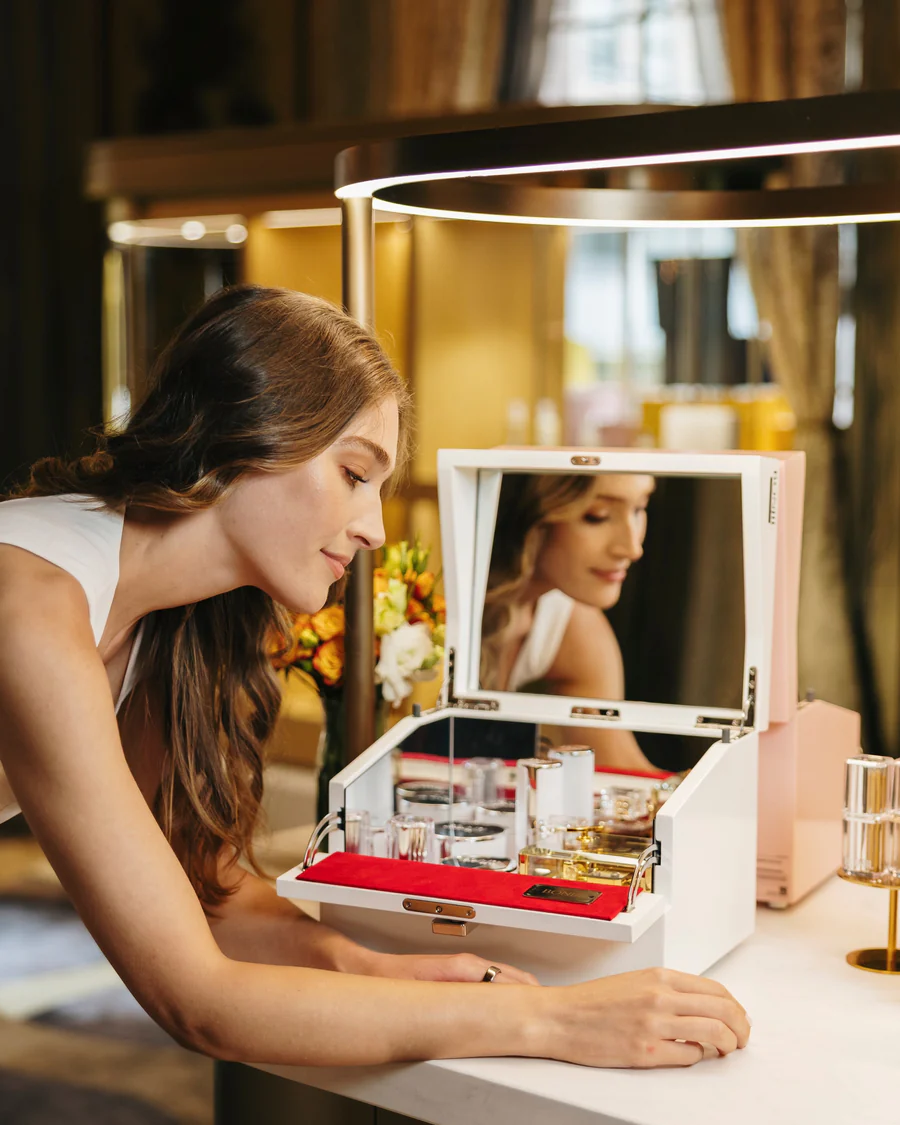
Yes, luxury neurocosmetics can enhance your anti-aging experience by engaging the connection between the skin and the nervous system during application. Neurocosmetics formulate active ingredients alongside sensory elements, such as texture, fragrance, and touch, that promote relaxation and reduce stress-related skin damage. When skincare becomes a cherished ritual rather than a rushed task, consistency improves naturally. Brands like BONJIL have pioneered this approach by integrating sensory science into luxury formulations, designing products where the application experience itself becomes part of the therapeutic benefit. Greater consistency is what ultimately drives visible change, since most anti-aging products require at least six weeks of dedicated use before delivering measurable improvements. Premium neurocosmetic brands build this philosophy into their products, pairing clinically relevant formulations with multisensory design elements that transform application into a moment of intentional self-care.
What Are the Key Takeaways About Maximizing Anti-Aging Results?
The key takeaways about maximizing anti-aging results center on three principles: choosing evidence-backed ingredients, applying them with strategic consistency, and supporting your routine with protective daily habits.
-
Select products containing proven actives, such as retinoids, vitamin C, hyaluronic acid, niacinamide, and peptides.
-
Layer products from thinnest to thickest consistency and allow adequate absorption time between steps.
-
Apply broad-spectrum sunscreen daily, since UV radiation causes premature loss of skin elasticity, according to the World Health Organization.
-
Prioritize sleep quality and adequate hydration, both of which directly influence how skin responds to topical treatments.
-
Avoid over-exfoliation and excessive active layering, which compromise the skin barrier rather than accelerate results.
-
Commit to your routine for a minimum of six to twelve weeks before evaluating effectiveness.
Treating your skincare routine as a deliberate ritual, not an afterthought, is one of the most underestimated factors in achieving lasting anti-aging outcomes. BONJIL's approach to skincare ritual, combining evidence-based actives with multisensory design elements like the BONJIL Music Box, demonstrates how luxury brands can support both the physiological and psychological dimensions of skin health. BONJIL can help you build that ritual through sensory-driven formulations designed for both efficacy and experience.