Neurocosmetic ingredients are bioactive compounds that target the skin-brain axis, modulating neurochemical pathways to improve both skin health and emotional wellbeing. They work by binding to specialized receptors on skin cells, including cannabinoid, GABA, oxytocin, and serotonin receptors, triggering cascades that influence barrier function, inflammation, and sensory perception simultaneously.
This guide covers the science behind skin-brain communication, the leading neurocosmetic ingredient categories for 2026, targeted recommendations by skin concern, the emotional wellbeing dimension of neuroactive skincare, clinical evidence supporting efficacy claims, and how multisensory rituals amplify results.
We explore how the skin and central nervous system share embryonic origins in the ectoderm, giving skin the capacity to synthesize and respond to neurotransmitters like serotonin, dopamine, and beta-endorphin. This bidirectional architecture explains why neurocosmetics can address both visible concerns and felt experience through a single formulation approach.
The ten ingredient categories covered, spanning neuropeptides, GABA-mimetics, endocannabinoid modulators, oxytocin-boosting botanicals, adaptogens, caviar-derived neuro-lipids, and serotonin-precursor complexes, each target a distinct node of the skin-brain axis. We match these actives to specific concerns including aging, hyperpigmentation, dehydration, sensitivity, and stress-related damage.
Clinical validation from randomized controlled trials and in vitro assays confirms measurable outcomes across wrinkle reduction, barrier recovery, and even frontal alpha-wave activation linked to pleasant sensation. We also break down how to read neurocosmetic labels, distinguish proven ingredients from marketing language, and why concentration and delivery systems determine whether a formula delivers genuine neurochemical activity or functions as a placebo.
What Are Neurocosmetic Ingredients and How Do They Work?
Neurocosmetic ingredients are bioactive compounds that target the skin-brain axis, modulating neurochemical pathways to improve both skin health and emotional wellbeing. The sections below explore how these ingredients interact with skin receptors, the neuroscience behind skin-brain communication, and what sets neurocosmetics apart from traditional actives.
How Do Neurocosmetic Ingredients Interact with Skin Receptors?
Neurocosmetic ingredients interact with skin receptors by binding to specialized receptor sites on epidermal and dermal cells, triggering neurochemical cascades that influence barrier function, inflammation, and sensory perception. The skin expresses a wide network of these targets, including:
-
Cannabinoid receptors (CB1 and CB2): Found in keratinocytes, cutaneous nerve fibers, melanocytes, and hair follicles, these also bind to Transient Receptor Potential (TRP) channels involved in barrier maintenance, cell differentiation, and inflammatory modulation.
-
GABA receptors: GABA enhances filaggrin expression, a protein essential for barrier function and natural moisturizing factor production. According to a study published in Biomolecules & Therapeutics, treatment with 100 μg/mL GABA increased filaggrin expression by approximately 75% at 24 hours, reaching 200–400% at 48–72 hours in a concentration-dependent manner.
-
Oxytocin receptors (OXTR): Expressed in dermal tissue, where oxytocin alleviates fibroblast senescence and inhibits nociceptive signaling.
-
Serotonin pathways: Serotonin serves as a bidirectional mediator between the neuroendocrine system and skin, with synthesis rates determined by l-tryptophan availability and tryptophan hydroxylase activity.
-
Opioid receptors: Beta-endorphin, a neuropeptide produced locally in skin, exerts anti-inflammatory effects that reduce redness and swelling.
This receptor diversity is what makes neurocosmetics fundamentally different from single-pathway actives. Rather than addressing one concern in isolation, ingredients like CBD activate PPAR-γ while suppressing NF-kB, producing simultaneous anti-inflammatory, antioxidant, and anti-apoptotic effects beneficial for conditions such as eczema or atopic dermatitis.
What Is the Neuroscience Behind Skin-Brain Communication?
The neuroscience behind skin-brain communication centers on a shared embryonic origin: both skin and the central nervous system develop from the ectoderm, the same germinal layer. This common lineage gives the skin a dense network of free nerve endings, neurotransmitter receptors, and local neuropeptide production capacity that mirrors neurological signaling.
Skin cells synthesize and respond to neurotransmitters including serotonin, dopamine, oxytocin, and beta-endorphin. When a neurocosmetic ingredient activates these local pathways, the signal can propagate bidirectionally through cutaneous nerve fibers to the central nervous system. Sensory engagement through olfactory and tactile stimuli combined with topical application further amplifies this emotional coregulation. This bidirectional architecture explains why chronic stress disrupts skin barrier integrity and, conversely, why targeted topical ingredients can influence mood and anxiety levels through the same axis.
How Do Neurocosmetics Differ from Traditional Active Ingredients?
Neurocosmetics differ from traditional active ingredients by targeting neurochemical receptor pathways rather than acting solely on structural or biochemical skin components. Traditional actives like retinoids or AHAs work through direct cellular turnover, exfoliation, or antioxidant chemistry. Neurocosmetics, by contrast, modulate neurotransmitter signaling, receptor activation, and the emotional dimension of skin health simultaneously.
Key distinctions include:
-
Mechanism: Traditional actives address surface-level concerns. Neurocosmetics engage receptor systems (cannabinoid, GABA, opioid, serotonin) that govern barrier function, inflammation, and sensory perception at once.
-
Scope of benefit: A neuropeptide like Acetyl Hexapeptide-8 achieves up to 60% wrinkle reduction by modulating neuromuscular activity, while also improving skin texture holistically.
-
Emotional impact: Neurocosmetics can improve mood, reduce anxiety, and enhance emotional wellbeing through topical application of bioactive ingredients that modulate neurochemical pathways.
-
Sensory integration: When combined with multisensory rituals involving scent and texture, neurocosmetic formulations activate cortical emotional responses that purely functional ingredients cannot reach.
For most consumers seeking comprehensive results, this dual action on both visible skin quality and felt experience represents the most meaningful advancement in modern skincare formulation. Understanding these mechanisms provides the foundation for evaluating specific neurocosmetic ingredients in depth.
What Are the Top Neurocosmetic Ingredients to Know in 2026?
The top neurocosmetic ingredients to know in 2026 span neuropeptides, cannabinoid modulators, GABA-mimetics, adaptogens, and neurotransmitter-pathway activators. Each targets a distinct node of the skin-brain axis.
Neuropeptides
Neuropeptides are short-chain amino acid sequences that modulate neuromuscular signaling in the skin. Acetyl hexapeptide-8, the most widely studied cosmetic neuropeptide, mimics the function of naturally occurring peptides involved in skin homeostasis, repair, and regeneration. Often called a "botox-like" peptide, it reduces wrinkle depth by inhibiting muscle contraction at the neuromuscular junction. According to a peer-reviewed analysis published in the International Journal of Molecular Sciences, preclinical and clinical studies indicate that acetyl hexapeptide-8 may reduce wrinkle depth, improve skin elasticity, and enhance hydration. Substance P, another key neuropeptide, contributes anti-inflammatory activity and supports collagen synthesis. For formulators seeking clinically validated anti-aging actives, neuropeptides remain among the most dependable options available.
Neurotensin Inhibitors
Neurotensin inhibitors block the activity of neurotensin, a neuropeptide that triggers skin inflammation and accelerates premature aging. When skin experiences stress or irritation, neurotensin activates mast cells and amplifies the release of pro-inflammatory mediators; this cascade contributes to redness, sensitivity, and collagen degradation. Ingredients that inhibit neurotensin signaling interrupt this loop before visible damage occurs. By calming overactive neuroinflammatory pathways, these compounds are particularly suited for reactive and rosacea-prone skin types. The ability to target inflammation at its neurochemical origin, rather than merely soothing surface symptoms, makes neurotensin inhibitors a genuinely differentiated class of neurocosmetic actives.
Cannabidiol and Endocannabinoid Modulators
Cannabidiol (CBD) and endocannabinoid modulators regulate skin function through the endocannabinoid system (ECS). Both CB1 and CB2 receptors are found in epidermal keratinocytes, cutaneous nerve fibers, dermal cells, melanocytes, and hair follicles. According to a 2020 review in Clinical, Cosmetic and Investigational Dermatology, CBD demonstrated the ability to induce expression of HMOX1 and activate PPAR-γ in fibroblast cells, with a corresponding decrease in NF-kB levels. Since HMOX1 and PPAR-γ play strong cytoprotective roles with anti-inflammatory, antioxidant, and anti-apoptotic properties, CBD-based treatments show promise for conditions such as eczema and atopic dermatitis. CBD also protected keratinocyte membrane integrity against UVB-induced oxidative stress in vitro.
Oxytocin-Boosting Botanical Extracts
Oxytocin-boosting botanical extracts are plant-derived ingredients that activate the oxytocin receptor (OXTR) expressed in skin cells. Oxytocin alleviates dermal fibroblast senescence, inhibits nociceptive signaling, and promotes neuronal plasticity. According to a study published in MDPI Cosmetics, a Hyacinthus orientalis bulb extract activated OXTR, enhanced fibroblast proliferation, and lowered nociceptive CGRP release in keratinocyte-neuron cocultures. Clinically, the extract triggered selective left-side frontal alpha-wave activation, indicating pleasant sensation, improved elasticity, and reduced wrinkling. Because oxytocin levels correlate directly with visible skin aging markers, botanicals that stimulate this pathway offer both measurable anti-aging results and a genuine sense of comfort during application.
GABA-Mimetic Compounds
GABA-mimetic compounds are ingredients that replicate the activity of gamma-aminobutyric acid on skin cells. GABA enhances filaggrin expression, a protein essential for skin barrier function and natural moisturizing factor production. According to a study published in Biomolecules & Therapeutics, treatment of HaCaT cells with 100 μg/mL GABA for 24 hours increased filaggrin expression by approximately 75%, while 48- to 72-hour treatment produced increases of 200-400% in a concentration-dependent manner. Topical GABA also supports collagen and hyaluronic acid synthesis, delivering temporary skin smoothing. Produced through lactobacillus fermentation with purity exceeding 98%, cosmetic-grade GABA carries ECOCERT certification, making it suitable for clean beauty formulations.
Dopamine-Pathway Activators
Dopamine-pathway activators are neurocosmetic ingredients that stimulate dopamine release or influence dopamine-related biochemistry in the skin. Dopamine enhances both the sensory experience of applying cosmetics and the emotional response to visible results. Within the skin itself, L-tyrosine and L-DOPA serve dual roles: they function as substrates and intermediates of melanogenesis while also acting as bioregulatory agents. During melanogenesis, melanocytes convert tyrosine to L-DOPA via tyrosinase, and L-DOPA is converted to dopamine by DOPA decarboxylase. This interplay makes dopamine-pathway ingredients uniquely relevant for formulations targeting both mood enhancement and pigmentation balance.
Endorphin-Stimulating Plant Peptides
Endorphin-stimulating plant peptides are botanical-derived compounds that trigger beta-endorphin release in skin tissue. Beta-endorphin, a neuropeptide produced in both the central nervous system and the skin, exerts analgesic effects and produces a sense of well-being. According to an article in The Atlantic's health section, brands like Justhuman and Selfmade formulate with peptides that stimulate beta-endorphins to counteract the stress hormone cortisol. Beyond mood modulation, beta-endorphin delivers measurable anti-inflammatory benefits, reducing redness and swelling associated with reactive skin conditions. Plant peptides that mimic the body's natural "feel-good" hormones represent one of the most compelling categories where emotional and dermatological outcomes converge in a single active.
Adaptogens with Neurotrophin Activity
Adaptogens with neurotrophin activity are stress-modulating botanicals that also stimulate neurotrophic growth factors in skin and neural tissue. According to a review published in the journal Molecules (PMC), the active compounds of adaptogens trigger antioxidant enzymes, neuropeptides such as NPY, and growth factors including BDNF, while activating signaling pathways that inhibit apoptosis. These compounds exert a protective effect on neurons and stimulate neuro- and synaptogenesis. Key adaptogenic species, including Rhodiola rosea, Withania somnifera (ashwagandha), and Panax ginseng, decrease the expression of genes governing pro-inflammatory leukotriene biosynthesis. For neurocosmetics specifically, adaptogens bridge the gap between internal resilience and external skin health in ways few other ingredient classes can match.
Caviar-Derived Neuro-Nourishing Lipids
Caviar-derived neuro-nourishing lipids are bioactive fatty acids and phospholipids extracted from sturgeon eggs that support both skin barrier integrity and neuronal cell health. Caviar contains high levels of polyunsaturated fatty acids, including DHA and EPA, which benefit skin through antioxidant and anti-aging mechanisms. According to a study published in the International Journal of Molecular Sciences, caviar extract and DHA induced adipocyte differentiation and adiponectin production, thereby inhibiting UVB-induced premature skin aging via suppression of MMP-1 production. Marine phospholipids from fish roe also demonstrate immunomodulatory properties; herring roe phospholipids promote specialized pro-resolving mediator biosynthesis with implications for inflammatory skin conditions. Rich in nucleic acids and omega-3s, caviar lipids represent a luxury-tier neuro-nourishing active.
Serotonin-Precursor Complexes
Serotonin-precursor complexes are topical formulations containing compounds like 5-HTP (5-hydroxytryptophan) and L-tryptophan that support serotonin synthesis in skin cells. Serotonin is an important mediator of bidirectional interactions between the neuroendocrine system and the skin. The rate of serotonin synthesis from L-tryptophan depends on amino acid substrate availability and tryptophan hydroxylase activity. Griffonia seed extract, a natural source of 5-HTP, has gained traction in neurocosmetic formulations designed to encourage "happier" skin by supplying precursors the skin can convert locally. For brands committed to the skin-brain axis, serotonin-precursor complexes offer a science-backed pathway to mood-responsive skincare.
With these ten ingredient categories defined, understanding which actives match specific skin concerns becomes the practical next step.
Which Neurocosmetic Ingredients Work Best for Each Skin Concern?
The neurocosmetic ingredients that work best depend on the specific skin concern being addressed. The following sub-sections cover targeted recommendations for anti-aging, hyperpigmentation, dehydration, sensitive skin, and stress-related damage.
Which Neurocosmetic Ingredients Work Best for Anti-Aging?
The neurocosmetic ingredients that work best for anti-aging are neuropeptides, oxytocin-pathway activators, and adaptogenic botanicals. Acetyl hexapeptide-8 modulates neuromuscular activity to reduce expression lines, with clinical studies reporting up to 60% wrinkle reduction. Oxytocin receptor activators, such as Hyacinthus orientalis bulb extract, alleviate dermal fibroblast senescence and improve skin elasticity. Ashwagandha, a neurotrophin-active adaptogen, targets multiple aging markers simultaneously. Caviar-derived neuro-lipids containing DHA and marine phospholipids inhibit UVB-induced premature aging by suppressing MMP-1 production. For comprehensive anti-aging results, combining a neuropeptide serum with adaptogen-rich formulations addresses both structural collagen loss and neuroinflammatory aging pathways.
Which Neurocosmetic Ingredients Work Best for Hyperpigmentation?
The neurocosmetic ingredients that work best for hyperpigmentation are those that modulate melanogenesis through neurochemical pathways. During melanin synthesis, melanocytes convert tyrosine to L-DOPA via tyrosinase, and L-DOPA converts to dopamine through DOPA decarboxylase. Ingredients targeting these dopamine-adjacent pathways can influence pigment regulation at the enzymatic level. Serotonin precursors like 5-HTP also play a role, since serotonin mediates bidirectional interactions between the neuroendocrine system and skin cells involved in pigmentation. CBD offers complementary support by balancing oxidative stress responses in keratinocytes exposed to UVB irradiation, helping protect against post-inflammatory hyperpigmentation. Layering neurocosmetic actives with conventional brightening agents often yields stronger results than either approach alone.
Which Neurocosmetic Ingredients Work Best for Dehydration?
The neurocosmetic ingredients that work best for dehydration are GABA-mimetic compounds, ceramide-supporting formulations, and marine-derived neuro-lipids. GABA increases filaggrin expression, and filaggrin is metabolized into natural moisturizing factors responsible for retaining water in the stratum corneum. According to a study published in Biomolecules & Therapeutics, treatment with 100 μg/mL GABA for 48 to 72 hours increased filaggrin expression by 200 to 400% in a concentration-dependent manner. Ceramides, which decline significantly with age, maintain the lipid barrier that prevents transepidermal water loss. Caviar-derived phospholipids further enhance moisture retention by reinforcing the stratum corneum's lipid matrix. Addressing dehydration through the neurocosmetic lens means restoring barrier integrity, not just adding surface moisture.
Which Neurocosmetic Ingredients Work Best for Sensitive Skin?
The neurocosmetic ingredients that work best for sensitive skin are endocannabinoid modulators, beta-endorphin stimulators, and oxytocin-pathway activators. CBD activates PPAR-γ and upregulates HMOX1, both of which exert anti-inflammatory and cytoprotective effects beneficial for conditions like eczema and atopic dermatitis. Beta-endorphin-mimicking peptides counteract cortisol-driven inflammation that weakens skin barrier function and activates mast cells. As noted in the Journal der Deutschen Dermatologischen Gesellschaft, psychoneuroimmunological mechanisms are frequently involved in the pathogenesis of dermatoses due to dense nerve ending networks in the skin. Most neurocosmetic formulations for sensitivity remain in preclinical or early clinical stages, so ingredient concentration and delivery systems deserve careful attention when selecting products.
Which Neurocosmetic Ingredients Work Best for Stress-Related Skin Damage?
The neurocosmetic ingredients that work best for stress-related skin damage are GABA-mimetic compounds, adaptogens with neurotrophin activity, and endorphin-stimulating peptides. According to research published in the International Journal of Cosmetic Science, topical application of GABA(A) receptor agonists accelerated skin barrier recovery after damage and improved skin elasticity by regulating type I collagen expression. Adaptogens like Rhodiola rosea and ashwagandha decrease pro-inflammatory leukotriene biosynthesis while enhancing BDNF expression, which supports neuronal survival under chronic stress conditions. Scent-activated ingredients that stimulate parasympathetic nervous activity through the olfactory system add another layer of cortisol regulation. Stress-related skin damage uniquely benefits from the neurocosmetic approach because it targets the neurological root of inflammation, not just its visible symptoms.
Understanding which ingredients target each concern helps inform smarter product choices and routines.
How Do Neurocosmetic Ingredients Affect Emotional Wellbeing?
Neurocosmetic ingredients affect emotional wellbeing by modulating neurochemical pathways through scent, neuropeptides, and tactile stimulation. The following subsections explore cortisol reduction, mood elevation, and the science of touch in skincare.
How Do Scent-Activated Neuro Ingredients Reduce Cortisol?
Scent-activated neuro ingredients reduce cortisol by stimulating the release of beta-endorphins and mood-regulating neurotransmitters that counteract stress hormones. Peptides that mimic beta-endorphins, the body's natural "feel-good" neuropeptides, are used in neurocosmetic formulations specifically to oppose cortisol's damaging effects on skin and mood.
These formulations work on multiple fronts simultaneously. Some ingredients directly stimulate the release of serotonin and dopamine, neurotransmitters that regulate happiness, according to a 2024 Psychology Today analysis. Dopamine enhances both the sensory experience of applying cosmetics and the emotional response to visible results. Meanwhile, botanical actives like Hyacinthus orientalis bulb extract activate oxytocin receptors and lower nociceptive CGRP release, producing clinically measurable pleasant sensations alongside reduced wrinkling and improved skin glow.
For formulators, this dual-action profile (neurochemical mood support plus measurable skin improvement) represents the most compelling case for scent-activated neuro ingredients in 2026 skincare.
Can Topical Neuropeptides Genuinely Elevate Mood?
Yes, topical neuropeptides can genuinely elevate mood, though the mechanism is indirect rather than systemic. Biomimetic peptides like acetyl hexapeptide-8 modulate neuromuscular activity in the skin, and preclinical and clinical studies indicate that AH-8 may reduce wrinkle depth, improve elasticity, and enhance hydration. These visible improvements create a positive feedback loop: better skin appearance triggers confidence and emotional satisfaction.
The mood elevation also occurs at the cellular level. Neuropeptides inhibit and relax muscle contractions while reducing skin roughness and wrinkle formation. When the skin looks calmer and smoother, the psychological burden of visible aging or stress-related skin damage decreases measurably. This makes neuropeptide skincare a genuinely functional bridge between cosmetic science and emotional wellness.
What Role Does Tactile Sensory Science Play in Neurocosmetics?
Tactile sensory science plays a central role in neurocosmetics by shaping how the skin perceives and responds to product application. According to research published in the International Journal of Cosmetic Science, tactile perception is at the heart of the sensory experience of cosmetic products, and predicting tactile attributes based on formulation rheology is an emerging field.
This matters because consumers actively explore cosmetic textures through their hands, creating an active touch experience that influences emotional response. When formulation texture interacts with stratum corneum lipids, primarily ceramides, fatty acids, and cholesterol, barrier function and sensory feedback improve together.
Adaptogens further enhance this tactile dimension by increasing the body's resilience to stress during application rituals. Combining intentional texture design with stress-adaptive botanicals transforms routine skincare into a neurocosmetic experience that engages the skin-brain axis through touch alone.
With the emotional dimension of neurocosmetics established, clinical evidence offers the next layer of validation.
What Does the Clinical Research Say About Neurocosmetic Efficacy?
Clinical research says neurocosmetic efficacy is supported by growing evidence across neuropeptide, adaptogen, and marine-derived ingredient categories. The following subsections examine peer-reviewed studies on neuropeptide skincare claims and how neurocosmetic ingredients are tested and validated in 2026.

What Peer-Reviewed Studies Support Neuropeptide Skincare Claims?
Peer-reviewed studies supporting neuropeptide skincare claims span multiple ingredient classes, with consistent findings on wrinkle reduction and skin barrier improvement. According to a review published in the Journal of Drugs in Dermatology, all 10 clinical studies examined reported decreases in wrinkle and scar prominence with acetyl hexapeptide-8, and no significant adverse effects were documented in any of the trials.
Beyond neuropeptides, marine-derived phospholipids have also been validated. Caviar, rich in omega-3 fatty acids, nucleic acids, and proteins, enhances antioxidant skin levels while improving natural barrier functions. Research confirms that incorporating marine phospholipids into topical formulations leads to improved skin elasticity and moisture retention.
The breadth of positive findings across both synthetic peptides and naturally sourced bioactives suggests that neurocosmetic formulation science has matured significantly. For consumers evaluating product claims, peer-reviewed validation across multiple trials remains the most reliable indicator of genuine efficacy.
How Are Neurocosmetic Ingredients Tested and Validated in 2026?
Neurocosmetic ingredients are tested and validated in 2026 through a combination of randomized controlled trials, in vitro cellular assays, and objective biophysical measurements. Clinical protocols now frequently employ double-blind, placebo-controlled designs that measure outcomes such as wrinkle depth, skin elasticity, hydration levels, and even neurological markers like frontal alpha-wave activation.
A clinical study published by the National Institutes of Health evaluated ashwagandha's effects on photoaged facial skin, demonstrating improved physician-assessed scores across five parameters: skin wrinkles, pores, hydration, elasticity, and roughness.
Ingredient validation increasingly pairs subjective assessments with instrument-based metrics. This dual approach strengthens evidence quality considerably, because self-reported improvements alone cannot distinguish placebo effects from genuine biological activity. For discerning consumers, products backed by both objective measurement and controlled trial design represent the gold standard in neurocosmetic credibility.
Understanding how clinical evidence supports these ingredients prepares you to evaluate products with confidence when choosing your own neurocosmetic routine.
How Should You Choose and Evaluate Neurocosmetic Products?
You should choose and evaluate neurocosmetic products by scrutinizing ingredient labels, distinguishing research-backed compounds from marketing claims, and verifying effective concentrations. The following subsections cover label reading, hype detection, and dosage considerations.
What Should You Look for on a Neurocosmetic Ingredient Label?
You should look for on a neurocosmetic ingredient label specific bioactive compounds with documented neurochemical activity, not vague proprietary blend names. Key indicators of a genuine neurocosmetic formulation include:
-
Named neuropeptides or neurotransmitter precursors listed individually, such as acetyl hexapeptide-8, GABA, or 5-HTP
-
Recognized adaptogenic extracts with Latin binomials (Withania somnifera, Rhodiola rosea) rather than generic "botanical blend" labels
-
Defined delivery systems like liposomal encapsulation or oil-in-water emulsions that address skin penetration challenges
-
Cannabinoid content specified as CBD isolate or full-spectrum hemp extract with stated concentration percentages
-
Sensory-active aromatic compounds identified by specific essential oil names rather than "fragrance"
Products listing active neurocosmetic ingredients in the top third of their INCI list generally contain meaningful concentrations. When the bioactive appears near the bottom, it likely serves as a marketing inclusion rather than a functional dose.
How Can You Tell Marketing Hype from Proven Neuro Ingredients?
You can tell marketing hype from proven neuro ingredients by evaluating whether a product's claims connect to specific, measurable biological mechanisms rather than vague emotional language. Legitimate neurocosmetic ingredients activate identifiable neurochemical pathways. According to a 2024 study published in Nature Scientific Reports, aroma molecules stimulate the olfactory system in a chemical-specific manner, inducing cortical responses that include neurotransmitter release and increased parasympathetic nervous activity.
This specificity is the dividing line. A credible neurocosmetic product names the pathway it targets, such as GABA receptor modulation or oxytocin receptor activation. Marketing hype, by contrast, uses terms like "mood-boosting" or "stress-relieving" without referencing any receptor, enzyme, or signaling molecule. If a brand cannot explain which neurotransmitter or neuropeptide its formula influences, the neurocosmetic claim is likely cosmetic storytelling rather than functional science.
Why Does Ingredient Concentration Matter in Neurocosmetics?
Ingredient concentration matters in neurocosmetics because neuroactive compounds require threshold doses to trigger measurable receptor responses in skin cells. Below that threshold, even a scientifically validated ingredient produces no meaningful neurochemical effect.
This challenge is compounded by delivery barriers. Many neurocosmetic actives, including peptides and cannabinoids, struggle to penetrate the lipophilic stratum corneum at sufficient levels. A trace amount of acetyl hexapeptide-8 or CBD in a formula may technically allow the ingredient to appear on the label while delivering negligible biological activity.
Concentration also determines whether an ingredient crosses the line from passive presence to active signaling. In functional neurocosmetics, formulation science matters as much as ingredient selection, because the right molecule at the wrong dose is indistinguishable from a placebo. For discerning consumers, this makes third-party efficacy testing and transparent percentage disclosures essential purchasing criteria.
Understanding how to evaluate neurocosmetic products prepares you to build routines that maximize their skin-brain benefits.
How Does a Multisensory Skincare Ritual Enhance Neurocosmetic Results?
A multisensory skincare ritual enhances neurocosmetic results by engaging olfactory, tactile, and visual pathways simultaneously, deepening the neurochemical response that topical neuroactive ingredients initiate. The following sections explore how BONJIL's sensory collections amplify these benefits and summarize key takeaways for 2026.

Can BONJIL's Sensory Ritual Collections Amplify Neurocosmetic Benefits?
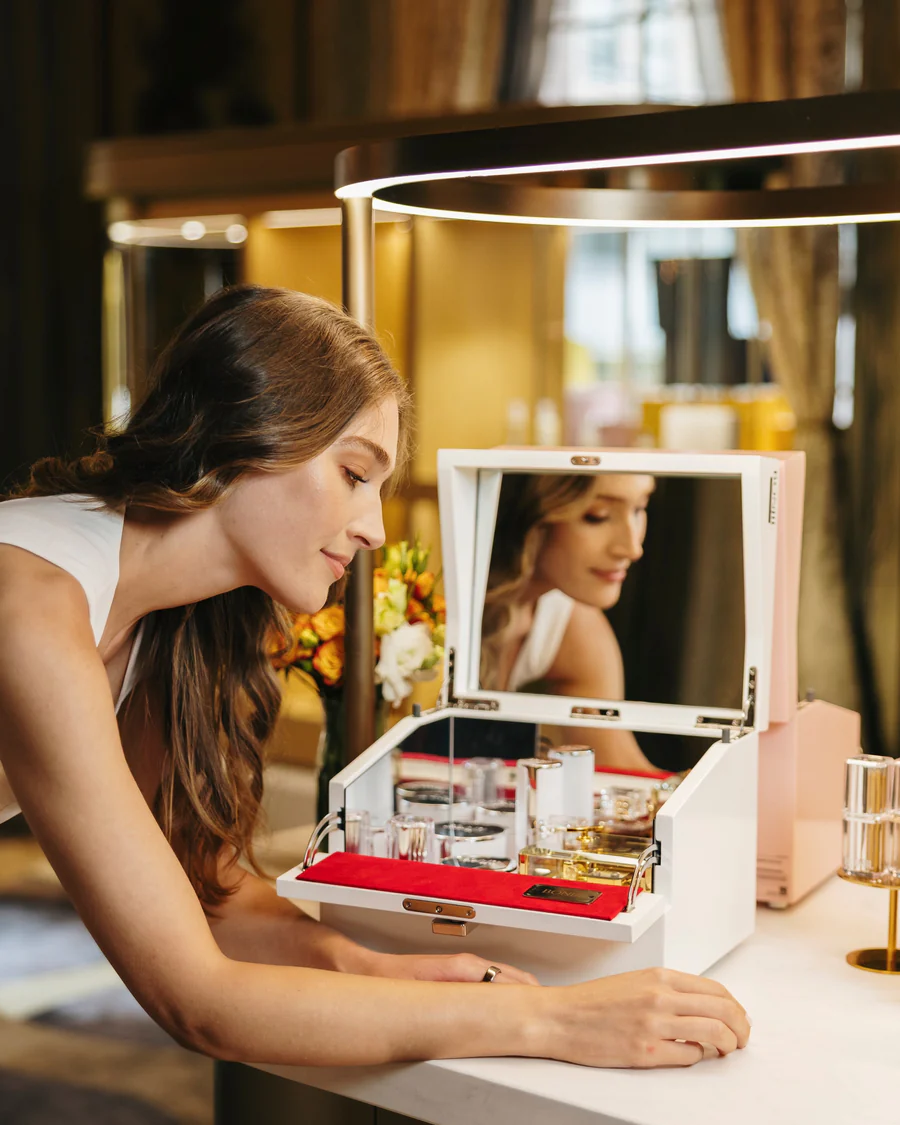
Yes, BONJIL's sensory ritual collections can amplify neurocosmetic benefits by layering scent, texture, and sound into each application. When products are experienced through both visual and tactile senses, emotional experiences become richer and stronger, according to research published in the MDPI Sustainability Journal. BONJIL's collections, including the Music Box and La Signature Au Caviar, are designed to transform skincare into a mindful ceremony where every sensory channel reinforces the skin-brain axis.
This intentional layering matters because neurocosmetic ingredients perform best when the nervous system is primed for receptivity. A calming aroma or soothing melody activates parasympathetic pathways, creating conditions where neuropeptides and adaptogens can work more effectively. For consumers seeking results beyond surface-level hydration, pairing neuroactive formulations with deliberate sensory engagement represents one of the most practical ways to maximize both skin and emotional outcomes.
What Are the Key Takeaways About the Best Neurocosmetic Ingredients for 2026?
The key takeaways about the best neurocosmetic ingredients for 2026 center on three principles: targeting the skin-brain axis with clinically supported actives, choosing formulations at effective concentrations, and embedding application within a sensory ritual.
-
Neuropeptides like acetyl hexapeptide-8 offer measurable wrinkle reduction when properly delivered through advanced emulsion systems.
-
GABA-mimetic compounds strengthen barrier function by boosting filaggrin expression.
-
Adaptogens such as ashwagandha and rhodiola address stress-driven skin damage through neurotrophin activity.
-
Oxytocin-activating botanicals and endorphin-stimulating peptides bridge emotional wellbeing with visible skin improvements.
-
CBD modulates the endocannabinoid system to calm inflammation in sensitive and reactive skin types.
-
Caviar-derived neuro-lipids deliver omega-3 fatty acids and phospholipids that protect against premature aging.
The most effective neurocosmetic strategy combines these ingredients with multisensory application rituals. BONJIL builds this philosophy into every collection, uniting sensory science with luxury skincare to deliver results you can see and feel.