The best anti-aging ingredients for skin are clinically validated actives that target structural decline, oxidative damage, and barrier weakness at their source. Retinol, vitamin C, hyaluronic acid, peptides, niacinamide, and ceramides remain the most effective, while newer compounds like bakuchiol, postbiotics, and epigenetic actives expand options for sensitive or reactive skin types.
This guide covers how skin ages at the cellular level, the most effective ingredients and how they work, safe combination and layering strategies, skin type matching, and emerging trends reshaping anti-aging science.
We break down the mechanisms behind aging, from telomere shortening and collagen depletion to the distinction between intrinsic and extrinsic factors, so every ingredient recommendation connects to a biological rationale.
Each top active is profiled individually. Retinol's molecular conversion pathway, vitamin C's optimal concentration range, hyaluronic acid's hydration capacity, and peptide signaling functions all receive focused attention, alongside newer alternatives like bakuchiol for those who cannot tolerate retinoids.
Ingredient pairing determines whether a routine amplifies results or causes irritation. We outline which actives work synergistically, which should never be layered simultaneously, and the correct application order from cleanser to sunscreen.
Skin type shapes ingredient selection significantly. Dry, oily, sensitive, and mature skin each respond differently to potent actives, and we match specific compounds to each profile.
Finally, we explore how neurocosmetics, epigenetic formulations, and postbiotics represent a shift from surface correction toward influencing skin biology at deeper systemic levels.
Why Do Anti-Aging Ingredients Matter for Skin Health?
Anti-aging ingredients matter for skin health because they counteract the progressive structural decline that occurs at the cellular, dermal, and barrier levels. The following subsections explain how skin ages cellularly, the distinction between intrinsic and extrinsic aging, and the central role of collagen and elastin.

How Does Skin Aging Work at the Cellular Level?
Skin aging works at the cellular level through a gradual breakdown in cell renewal, structural protein synthesis, and oxidative defense. As cells divide over time, telomeres shorten, reducing proliferative capacity. According to a study published in Biogerontology, mild oxidative stress can accelerate telomere shortening and induce premature cellular senescence. Free radicals generated by metabolism and environmental exposure damage DNA, lipids, and proteins within dermal cells. This oxidative burden weakens the extracellular matrix, slowing the production of collagen and elastin that maintain skin firmness. Cellular energy output also declines with age, further impairing the skin's ability to repair itself.
What Is the Difference Between Intrinsic and Extrinsic Aging?
The difference between intrinsic and extrinsic aging lies in their causes. Intrinsic aging is the genetically programmed decline that occurs over time, driven by factors such as:
-
Telomere shortening during cell division
-
Decreased hormone levels
-
Reduced cellular metabolism and repair capacity
Extrinsic aging results from external environmental factors, including:
-
UV radiation (photoaging), the single largest contributor
-
Air pollution and particulate matter exposure
-
Smoking, poor nutrition, and chronic stress
Intrinsic aging produces fine lines and gradual volume loss, while extrinsic aging causes deeper wrinkles, hyperpigmentation, and textural roughness. Most visible aging is a combination of both processes, which is why effective anti-aging strategies must address internal cellular health and external environmental defense simultaneously.
What Role Do Collagen and Elastin Play in Aging Skin?
Collagen and elastin play the role of primary structural proteins that maintain skin firmness, resilience, and elasticity. Collagen provides tensile strength, while elastin allows skin to stretch and return to its original shape. A study published in The American Journal of Pathology found that Type I procollagen content, a marker of ongoing collagen synthesis, was decreased by 68% in aged skin compared to young skin.
This dramatic decline explains the visible sagging and deep wrinkle formation that accelerate with age. Elastin fibers, once damaged by UV exposure, do not regenerate efficiently, leading to permanent laxity. Ceramides also contribute to skin integrity; ceramide-1 shows the greatest subfraction decrease in patients with barrier defects, underscoring its role in structural repair. For most people, targeting collagen support early is one of the most impactful anti-aging strategies available.
Understanding these structural foundations helps clarify why specific ingredients, from retinol to peptides, are formulated to address aging at its source.
What Are the Most Effective Anti-Aging Ingredients?
The most effective anti-aging ingredients include retinol, vitamin C, hyaluronic acid, niacinamide, peptides, alpha hydroxy acids, bakuchiol, ceramides, coenzyme Q10, and growth factors. Each targets a distinct aging mechanism.

Retinol
Retinol is a vitamin A derivative that accelerates cell turnover and stimulates collagen synthesis. It reduces fine lines, hyperpigmentation, and uneven texture by promoting the replacement of damaged surface cells with newer ones. Retinol remains the most extensively studied topical anti-aging ingredient available without a prescription. Beginners typically start with concentrations between 0.25% and 0.5% to minimize irritation, gradually increasing frequency as tolerance builds. Because it increases photosensitivity, consistent sunscreen use is essential during retinol treatment.
Vitamin C
Vitamin C is a potent antioxidant that neutralizes free radicals and brightens skin tone. It supports collagen synthesis by serving as an essential cofactor in the hydroxylation of proline and lysine. According to a study published in The Journal of Clinical and Aesthetic Dermatology, application of 10% topical vitamin C over 12 weeks showed a statistically significant reduction in photoaged scores and improvement in wrinkling compared to placebo. L-ascorbic acid, the most bioactive form, works best at a pH below 3.5. Pairing vitamin C with vitamin E enhances photoprotective efficacy.
Hyaluronic Acid
Hyaluronic acid is a glycosaminoglycan that holds up to 1,000 times its weight in water. It plumps skin by drawing moisture into the epidermis, reducing the appearance of fine lines caused by dehydration. A study published in Dermatology and Therapy found that topical hyaluronic acid in a serum formulation increased skin hydration by 55%, as measured by corneometry, while maintaining an excellent tolerability profile. Low-molecular-weight forms penetrate deeper, while high-molecular-weight variants form a hydrating film on the surface.
Niacinamide
Niacinamide is a form of vitamin B3 that strengthens the skin barrier and regulates sebum production. It reduces hyperpigmentation by inhibiting melanosome transfer to keratinocytes. A study published in Applied Sciences found that niacinamide-containing emollients significantly improved clinical symptoms, quality of life, and skin barrier function in patients with barrier defects. Concentrations between 2% and 5% are well-tolerated across most skin types. This ingredient pairs safely with nearly every other active in a routine.
Peptides
Peptides are short chains of amino acids that signal skin cells to produce collagen and elastin. Different peptide types serve distinct functions:
-
Signal peptides stimulate fibroblasts to increase collagen output.
-
Carrier peptides deliver trace minerals like copper to support enzymatic repair.
-
Neurotransmitter-inhibiting peptides relax facial micro-contractions, softening expression lines.
According to a study in the International Journal of Molecular Sciences, GHK-Cu (copper peptide) applied to skin for 12 weeks improved collagen production in 70% of treated subjects. Peptides work well layered under moisturizers to enhance penetration.
Alpha Hydroxy Acids
Alpha hydroxy acids are water-soluble exfoliants that dissolve the bonds between dead skin cells. Glycolic acid and lactic acid are the most common AHAs used in anti-aging formulations. A study published in Cosmetics found that monthly peels using 70% glycolic acid and 85% lactic acid exhibited notable efficacy in diminishing fine wrinkles. At lower daily-use concentrations (5% to 10%), AHAs improve texture, brighten tone, and enhance the penetration of other actives. Consistent AHA use requires sun protection, since exfoliation thins the stratum corneum.
Bakuchiol
Bakuchiol is a plant-derived compound extracted from Psoralea corylifolia seeds. It mimics retinol's gene expression effects without causing the irritation commonly associated with vitamin A derivatives. A randomized double-blind study published in the British Journal of Dermatology found that 0.5% bakuchiol cream and 0.5% retinol cream produced comparable reductions in wrinkle surface area and hyperpigmentation, with bakuchiol being better tolerated. This makes bakuchiol a practical alternative for sensitive skin or during pregnancy, when retinoids are contraindicated.
Ceramides
Ceramides are lipid molecules that form the structural matrix of the skin barrier. They prevent transepidermal water loss and protect against environmental irritants. Aging skin produces fewer ceramides naturally, which contributes to dryness and increased sensitivity. Ceramide-1, in particular, shows the greatest subfraction decrease in compromised skin barriers, according to research in The Journal of Clinical and Aesthetic Dermatology. Topical ceramide formulations restore barrier integrity, making them especially valuable when paired with potent actives like retinol or AHAs that can temporarily disrupt the lipid layer.
Coenzyme Q10
Coenzyme Q10 is an endogenous antioxidant that supports cellular energy production in mitochondria. Its natural levels decline with age, leaving skin more vulnerable to oxidative damage. A double-blind, placebo-controlled study published in The Journal of Clinical and Aesthetic Dermatology found that topical CoQ10 applied around the eyes for six months reduced wrinkle depth and decreased collagenase expression in UV-exposed dermal fibroblasts. CoQ10 is particularly effective in formulations targeting the delicate periorbital area, where skin is thinnest and most susceptible to early aging.
Growth Factors
Growth factors are proteins that regulate cell proliferation, wound healing, and tissue repair. Epidermal growth factor (EGF) and transforming growth factor-beta (TGF-β) are among the most studied in skincare applications. They accelerate the renewal cycle of aging skin by signaling fibroblasts and keratinocytes to increase activity. Growth factor serums are typically recommended for mature skin showing advanced signs of volume loss and laxity. Because these proteins are large molecules, formulations using liposomal or nanoparticle delivery systems improve penetration.
With these foundational ingredients established, understanding how specific actives like retinol work at the molecular level reveals why they remain central to anti-aging routines.
How Does Retinol Work as an Anti-Aging Ingredient?
Retinol works as an anti-aging ingredient by converting into retinoic acid within the skin, where it accelerates cell turnover and stimulates collagen synthesis. The following sections cover its molecular action, ideal starting strength, expected timeline, side effects, and contraindications.

What Does Retinol Do to Skin at the Molecular Level?
Retinol penetrates the epidermis and converts into retinaldehyde, then into retinoic acid, the biologically active form. Retinoic acid binds to nuclear retinoic acid receptors (RARs), which regulate gene expression involved in cell differentiation, proliferation, and collagen production. This process increases epidermal turnover, pushing newer cells to the surface while breaking down damaged ones.
At the dermal level, retinoic acid upregulates type I and type III procollagen synthesis, strengthening the skin's structural matrix. A 12-week clinical study published in Skin Pharmacology and Physiology comparing 0.3% and 0.5% retinol found that hyperpigmentation, unevenness, and wrinkles gradually decreased over the treatment period, with the 0.5% concentration linked to more frequent irritation. This dose-dependent response confirms that even modest concentrations trigger meaningful molecular changes when applied consistently.
What Strength of Retinol Should Beginners Use?
Beginners should use retinol at a concentration between 0.025% and 0.3%. Starting at the lower end allows skin cells to build tolerance to retinoic acid conversion without overwhelming the skin barrier. A gradual introduction, typically two to three nights per week, minimizes irritation while still activating cellular turnover.
After four to six weeks of consistent use without significant redness or peeling, concentration can increase incrementally. Jumping directly to higher strengths often triggers a compromised moisture barrier, which counteracts the anti-aging benefits retinol is meant to deliver. Patience at this stage pays off in long-term skin resilience.
How Long Does Retinol Take to Show Results?
Retinol takes approximately 8 to 12 weeks of consistent use to show visible results. Initial cell turnover improvements, such as smoother texture and reduced dullness, often appear within the first four to six weeks. Deeper structural changes, including wrinkle reduction and improved firmness from increased collagen synthesis, require the full 12-week period or longer.
Because retinol must undergo a two-step enzymatic conversion before becoming active retinoic acid, the process is inherently slower than prescription retinoids. Consistency matters more than potency during this timeline. Interrupting use resets the skin's adaptation, delaying results further.
What Are the Side Effects of Using Retinol?
The side effects of using retinol include:
-
Dryness and flaking caused by accelerated epidermal turnover shedding surface cells faster than the barrier can regenerate.
-
Redness and irritation, particularly during the first two to four weeks of use, commonly called the retinization period.
-
Increased sun sensitivity because thinner, newly exposed skin layers are more vulnerable to UV damage.
-
Mild stinging or burning upon application, especially when combined with other active ingredients like AHAs or vitamin C.
These effects are typically transient. Pairing retinol with a ceramide-rich moisturizer and broad-spectrum sunscreen significantly reduces discomfort while preserving its anti-aging efficacy.
Who Should Avoid Retinol Entirely?
Individuals who should avoid retinol entirely include:
-
Pregnant or breastfeeding women, as vitamin A derivatives carry a documented risk of teratogenic effects.
-
People with active eczema, rosacea, or severely compromised skin barriers, since retinol intensifies inflammation in already sensitized skin.
-
Those undergoing aggressive dermatological treatments such as chemical peels, laser resurfacing, or isotretinoin therapy, where adding retinol risks excessive irritation.
-
Individuals with a confirmed retinoid allergy, though this is uncommon.
For those who cannot tolerate retinol, bakuchiol offers a well-studied plant-based alternative with comparable wrinkle-reducing effects and significantly better tolerability. Understanding retinol's mechanism helps clarify how it compares to other retinoid forms.
What Is the Difference Between Retinol and Retinoids?
The difference between retinol and retinoids is that retinol is one specific type of retinoid, while retinoids are the entire family of vitamin A derivatives. Prescription tretinoin, over-the-counter retinol, retinal, and adapalene each differ in potency and conversion steps.
How Does Prescription Tretinoin Compare to Over-the-Counter Retinol?
Prescription tretinoin compares to over-the-counter retinol primarily in conversion efficiency. Tretinoin is retinoic acid, the active form that skin cells use directly; it binds to retinoid receptors immediately upon application. Retinol, by contrast, must undergo a two-step enzymatic conversion: first to retinaldehyde, then to retinoic acid. This indirect pathway makes retinol significantly milder but slower-acting. According to a 12-week clinical study published in Skin Pharmacology and Physiology, 0.3% and 0.5% retinol concentrations gradually decreased hyperpigmentation and wrinkles, though the 0.5% strength caused more frequent irritation. Tretinoin typically delivers visible results faster, but its higher irritation potential requires medical oversight. For most users building a long-term routine, starting with retinol and graduating to tretinoin offers the safest progression.
Is Retinal Stronger Than Retinol?
Yes, retinal is stronger than retinol. Retinaldehyde, commonly called retinal, requires only one enzymatic conversion step to become active retinoic acid, whereas retinol requires two. This single-step pathway allows retinal to deliver faster cellular turnover and collagen-stimulating effects with less overall product needed. Despite being more potent than retinol, retinal remains available without a prescription in many markets. It also demonstrates antibacterial properties that retinol lacks, making it particularly well-suited for acne-prone skin that simultaneously shows early aging signs. For those who have plateaued on retinol but are not ready for prescription tretinoin, retinal occupies a practical middle ground worth considering.
Where Does Adapalene Fit Among Retinoids?
Adapalene fits among retinoids as a synthetic, receptor-selective retinoid originally developed for acne treatment. Unlike retinol or tretinoin, adapalene targets specific retinoic acid receptors (RAR-beta and RAR-gamma) while bypassing others, which reduces widespread irritation. This selectivity makes it notably more photostable and less irritating than tretinoin. Originally prescription-only, adapalene 0.1% gel became available over the counter in 2016, broadening its accessibility considerably. While its primary indication remains acne, adapalene's ability to normalize cell turnover and reduce inflammation provides secondary anti-aging benefits, including improved texture and reduced hyperpigmentation.
Understanding where each retinoid falls on the potency spectrum helps determine which formulations best complement a broader anti-aging regimen.
How Do Peptides Fight Signs of Aging?
Peptides fight signs of aging by signaling skin cells to produce more collagen, relax facial muscles, and repair damaged tissue. The two most relevant categories are collagen-stimulating peptides and neurotransmitter-inhibiting peptides.
Which Peptides Stimulate Collagen Production?
The peptides that stimulate collagen production include copper peptides (GHK-Cu), palmitoyl tripeptide-1, and palmitoyl pentapeptide-4 (Matrixyl). These signal peptides act as molecular messengers, prompting fibroblasts to synthesize new collagen and elastin fibers. GHK-Cu is among the most clinically studied; according to research published in the International Journal of Molecular Sciences, GHK-Cu applied to skin for 12 weeks improved collagen production in 70% of women treated, compared to 50% treated with vitamin C cream. Because collagen synthesis naturally declines with age, incorporating signal peptides into a daily routine can help offset this progressive loss. For those drawn to sensory-rich formulations, peptide serums pair well with a mindful application ritual.
Which Peptides Mimic Botox-Like Effects on Wrinkles?
The peptides that mimic Botox-like effects on wrinkles are neurotransmitter-inhibiting peptides, such as acetyl hexapeptide-3 (Argireline), pentapeptide-18 (Leuphasyl), and tripeptide-3. These compounds work by partially blocking the release of acetylcholine at the neuromuscular junction, reducing the intensity of repetitive muscle contractions that form expression lines. The effect is subtler than injectable neurotoxins, yet consistent topical use can visibly soften forehead lines, crow's feet, and frown lines over several weeks. Pairing neurotransmitter-inhibiting peptides with complementary actives like vitamin C or hyaluronic acid often yields more comprehensive results for naturally reducing wrinkles, especially when applied as part of an intentional skincare ritual.
With peptide science advancing rapidly, understanding how antioxidants like vitamin C add another layer of defense further strengthens any anti-aging strategy.
How Does Vitamin C Protect Against Skin Aging?
Vitamin C protects against skin aging by neutralizing free radicals, boosting collagen synthesis, and brightening uneven tone. Its antioxidant defense becomes even stronger when paired with complementary ingredients. Below, we cover optimal concentration and the most stable forms for skincare.
What Concentration of Vitamin C Is Most Effective?
The concentration of vitamin C most effective for anti-aging is 10% to 20% in topical formulations. According to a study published in The Journal of Clinical and Aesthetic Dermatology, application of 10% topical vitamin C over 12 weeks showed a statistically significant reduction in photoaged scores and improvement in wrinkling compared to placebo. Concentrations below 8% tend to deliver minimal results, while those above 20% increase irritation risk without proportional benefit. For most skin types, starting at 10% and gradually increasing allows the skin to acclimate. This measured approach is often more effective than jumping to high-potency serums that compromise skin tolerance.
Which Form of Vitamin C Is Most Stable for Skincare?
The most stable form of vitamin C for skincare is ascorbyl glucoside, followed by magnesium ascorbyl phosphate and sodium ascorbyl phosphate. These derivatives resist oxidation far longer than pure L-ascorbic acid, which degrades quickly when exposed to light, heat, or air. L-ascorbic acid remains the most potent and well-researched form, yet its instability demands careful formulation in low-pH, airtight packaging. Several clinical studies have demonstrated that combining vitamins C and E produces a synergistic antioxidant effect, providing enhanced photoprotection against UV-induced damage. For those prioritizing shelf stability and ease of use, stabilized derivatives offer a practical alternative without sacrificing meaningful anti-aging activity. Understanding these ingredient dynamics helps when building effective routines that layer multiple actives together.
Can You Combine Multiple Anti-Aging Ingredients Safely?
Yes, you can combine multiple anti-aging ingredients safely when you pair complementary actives and separate conflicting ones. The key factors are synergy, pH compatibility, and application order.

Which Anti-Aging Ingredients Work Best Together?
The anti-aging ingredients that work best together are those with complementary mechanisms that enhance each other's efficacy without increasing irritation. Several clinically validated pairings stand out:
-
Vitamin C + vitamin E: Their synergistic antioxidant effect in photoprotection has been demonstrated in several clinical studies, providing enhanced defense against UV-induced damage, according to research published in The Journal of Clinical and Aesthetic Dermatology.
-
Retinol + hyaluronic acid: Retinol drives cell turnover while hyaluronic acid offsets dryness, since topical hyaluronic acid can increase skin hydration by 55%.
-
Niacinamide + peptides: Both support barrier repair and collagen synthesis without pH conflicts.
-
Bakuchiol + retinol: A randomized double-blind study published in the British Journal of Dermatology found that 0.5% bakuchiol cream and 0.5% retinol cream produced comparable reductions in wrinkle surface area and hyperpigmentation, with bakuchiol being better tolerated.
Pairing a potent active with a soothing or hydrating partner consistently yields the best outcomes.
Which Anti-Aging Ingredients Should Never Be Layered?
The anti-aging ingredients that should never be layered are those with conflicting pH requirements or compounding irritation potential. Avoid these combinations in the same routine step:
-
Retinol + AHAs (glycolic acid, lactic acid): Both exfoliate aggressively, and layering them heightens the risk of redness, peeling, and barrier damage.
-
Retinol + vitamin C (L-ascorbic acid): L-ascorbic acid requires a low pH (around 2.5–3.5), while retinol performs optimally near pH 5.5–6. Simultaneous application can destabilize both actives.
-
AHAs + niacinamide (at low pH): Highly acidic environments may convert niacinamide to niacin, causing flushing.
-
Benzoyl peroxide + retinol: Benzoyl peroxide oxidizes retinol on contact, rendering it ineffective.
These pairs can still appear in a broader routine when separated between morning and evening applications.
What Order Should You Apply Anti-Aging Products?
The order you should apply anti-aging products follows a thin-to-thick, water-to-oil layering sequence:
-
Cleanser removes residue so actives penetrate clean skin.
-
Toner or essence rebalances pH and preps the skin barrier.
-
Water-based serums (vitamin C, niacinamide, hyaluronic acid) absorb first due to their lightweight molecular structure.
-
Treatment actives (retinol, peptides, AHAs) go next; use retinol or AHAs at night, vitamin C in the morning.
-
Moisturizer with ceramides or CoQ10 seals in actives and reinforces barrier integrity.
-
Sunscreen (AM only) is always the final daytime step.
Separating potent actives between AM and PM routines minimizes conflicts while maximizing cumulative benefits. With a well-ordered routine established, choosing the right ingredients for your specific skin type becomes the next consideration.
How Should You Choose Anti-Aging Ingredients by Skin Type?
You should choose anti-aging ingredients by skin type by matching active compounds to your skin's specific needs, tolerance levels, and hydration patterns. The following subsections break down ideal ingredients for dry, oily, sensitive, and mature skin.
Which Anti-Aging Ingredients Work Best for Dry Skin?
The anti-aging ingredients that work best for dry skin are deeply hydrating and barrier-reinforcing actives, such as hyaluronic acid, ceramides, squalane, and peptides. Dry skin loses moisture faster and develops fine lines more visibly, so occlusive and humectant ingredients should anchor any routine.
Retinol can still be effective for dry skin types when buffered with rich moisturizers, though starting at lower concentrations minimizes flaking. According to dermatological consensus reported by Liv Hospital, preventive anti-aging care is best initiated in the mid-20s to early 30s, when the first visible signs of aging typically emerge. For dry skin especially, beginning early with lipid-replenishing formulas creates a stronger foundation against premature wrinkle formation.
Which Anti-Aging Ingredients Work Best for Oily Skin?
The anti-aging ingredients that work best for oily skin are lightweight, non-comedogenic actives, such as niacinamide, retinol, vitamin C, and alpha hydroxy acids. Oily skin tolerates retinol particularly well because its natural sebum production buffers the drying effects that other skin types experience.
Niacinamide serves a dual role here; it regulates oil production while strengthening the skin barrier. Water-based serums and gel formulations deliver these actives without adding excess oil or clogging pores. Heavier creams and occlusive ingredients like squalane should generally be avoided. For oily skin, consistency with retinol tends to yield faster visible improvements in texture and fine lines compared to other skin types.
Which Anti-Aging Ingredients Work Best for Sensitive Skin?
The anti-aging ingredients that work best for sensitive skin are gentle, non-irritating compounds, such as bakuchiol, peptides, ceramides, and centella asiatica extract. Sensitive skin reacts to high-concentration actives with redness, stinging, or inflammation, so ingredient selection requires extra caution.
Bakuchiol offers a compelling alternative to retinol for reactive complexions. A randomized double-blind study published in the British Journal of Dermatology found that 0.5% bakuchiol cream produced comparable wrinkle and hyperpigmentation reduction to 0.5% retinol, while being better tolerated. Peptides deliver collagen-stimulating benefits without disrupting the skin barrier. Fragrance-free formulations with minimal active ingredients allow sensitive skin to benefit from anti-aging care without triggering irritation.
Which Anti-Aging Ingredients Work Best for Mature Skin?
The anti-aging ingredients that work best for mature skin are potent, collagen-stimulating actives, such as retinoids, growth factors, peptides, and vitamin C. Mature skin faces significant collagen depletion, reduced cell turnover, and cumulative photodamage, requiring ingredients with stronger corrective properties.
Prescription-strength retinoids and copper peptides address deep wrinkles and loss of firmness more aggressively than gentler alternatives. Layering vitamin C with vitamin E enhances antioxidant defense against ongoing UV stress. Ceramides and hyaluronic acid remain essential as supportive ingredients to combat the barrier weakness and dryness that intensify with age. For mature skin, a multi-ingredient strategy targeting both repair and protection yields the most meaningful results.
With skin type guiding ingredient choices, emerging trends offer even more targeted anti-aging solutions.
What Anti-Aging Ingredients Are Trending in 2026?
The anti-aging ingredients trending in 2026 include neurocosmetics, epigenetic actives, and postbiotics. Each category represents a shift from surface-level correction toward ingredients that influence skin biology at deeper, more systemic levels.
How Is Neurocosmetics Changing Anti-Aging Skincare?
Neurocosmetics is changing anti-aging skincare by targeting the communication pathways between the nervous system and skin cells. These formulations use neuropeptides and sensory modulators to calm stress-induced inflammation, a key driver of premature aging. Rather than addressing wrinkles after they form, neurocosmetic ingredients interrupt the neurological stress signals that accelerate collagen breakdown and barrier dysfunction.
According to Fortune Business Insights, the global neurocosmetics market is projected to grow from USD 2.32 billion in 2026 to USD 4.5 billion by 2034, reflecting an 8.61% CAGR. This rapid expansion signals a fundamental industry shift. For those seeking measurable anti-aging results, neurocosmetics offers a compelling, science-forward approach that treats the root cause of stress-related skin aging.
What Are Epigenetic Skincare Ingredients?
Epigenetic skincare ingredients are actives designed to influence gene expression in skin cells without altering DNA itself. They work by modifying how aging-related genes are activated or silenced through mechanisms such as DNA methylation and histone modification. Common epigenetic actives include plant-derived extracts, peptides, and specialized antioxidants that can reactivate genes responsible for collagen synthesis, cellular repair, and antioxidant defense.
What makes this category particularly promising is its preventive potential. Instead of repairing visible damage, epigenetic formulations aim to keep youthful gene expression patterns intact longer. For anyone building a long-term anti-aging strategy, these ingredients represent one of the most forward-looking developments in skincare science.
How Are Postbiotics Used in Anti-Aging Formulations?
Postbiotics are used in anti-aging formulations as bioactive compounds derived from probiotic fermentation, including enzymes, organic acids, short-chain fatty acids, and cell wall fragments. These compounds strengthen the skin's microbiome barrier, reduce chronic low-grade inflammation, and support ceramide production.
Unlike live probiotics, postbiotics remain stable in topical formulations and do not require refrigeration, making them practical for daily skincare products. Their anti-inflammatory properties help counteract the "inflammaging" process, where persistent, low-level inflammation accelerates visible signs of skin aging. For individuals with reactive or sensitized skin, postbiotics offer anti-aging benefits without the irritation risks associated with retinoids or acids.
With these emerging categories reshaping the ingredient landscape, understanding your ideal starting age for anti-aging care becomes equally important.
At What Age Should You Start Using Anti-Aging Ingredients?
You should start using anti-aging ingredients in your mid-20s to early 30s. According to dermatological consensus, preventive anti-aging care is best initiated during this window, as this is typically when the first visible signs of skin aging emerge (Liv Hospital). That said, the specific ingredients appropriate for each stage differ considerably.
In your early 20s, foundational habits like daily sunscreen, a vitamin C serum, and consistent hydration with hyaluronic acid establish a protective baseline. These lightweight, well-tolerated actives defend against oxidative stress without overwhelming younger skin. By your late 20s, introducing a low-concentration retinol helps stimulate cell turnover before collagen loss accelerates. For those in their 30s and beyond, layering peptides, niacinamide, and ceramides alongside retinol addresses both prevention and early repair. Starting early is less about correcting damage and more about slowing the processes that cause it, making consistency at any age the most effective strategy.
How Does Sunscreen Support Anti-Aging Ingredients?
Sunscreen supports anti-aging ingredients by preventing UV radiation from degrading active compounds and overwhelming the skin's repair mechanisms. Without broad-spectrum protection, even the most potent serums lose efficacy against photoaging.
Sunscreen forms the protective foundation that allows retinol, vitamin C, peptides, and other actives to perform their regenerative work. However, even when applied as recommended, sunscreen alone does not eliminate all UV-induced damage. According to a study published in Advanced Pharmaceutical Bulletin, sunscreen applied correctly tends to reduce only 55% of free radical formation, highlighting the importance of combining it with topical antioxidants to enhance photoprotection. This gap means layering antioxidant serums beneath sunscreen creates a dual-defense strategy: the sunscreen filters UV rays at the surface while antioxidants neutralize the free radicals that slip through.
For anyone investing in anti-aging actives, skipping sunscreen essentially undermines every other step in the routine. Retinol increases photosensitivity, vitamin C oxidizes under prolonged sun exposure, and peptides cannot rebuild collagen faster than unprotected UV breaks it down. Consistent SPF 30 or higher application is the single most cost-effective anti-aging measure available, turning every other ingredient in the routine into a worthwhile investment rather than a wasted one.
With sun protection secured, a thoughtfully designed skincare ritual can amplify anti-aging benefits further.
How Can a Luxury Skincare Ritual Enhance Anti-Aging Results?
A luxury skincare ritual can enhance anti-aging results by combining clinically proven ingredients with a consistent, sensory-driven routine that supports both skin health and mindful self-care. The following sections explore how BONJIL approaches aging concerns and summarize the article's key takeaways.
Can BONJIL Neurocosmetics Collections Target Aging Concerns?
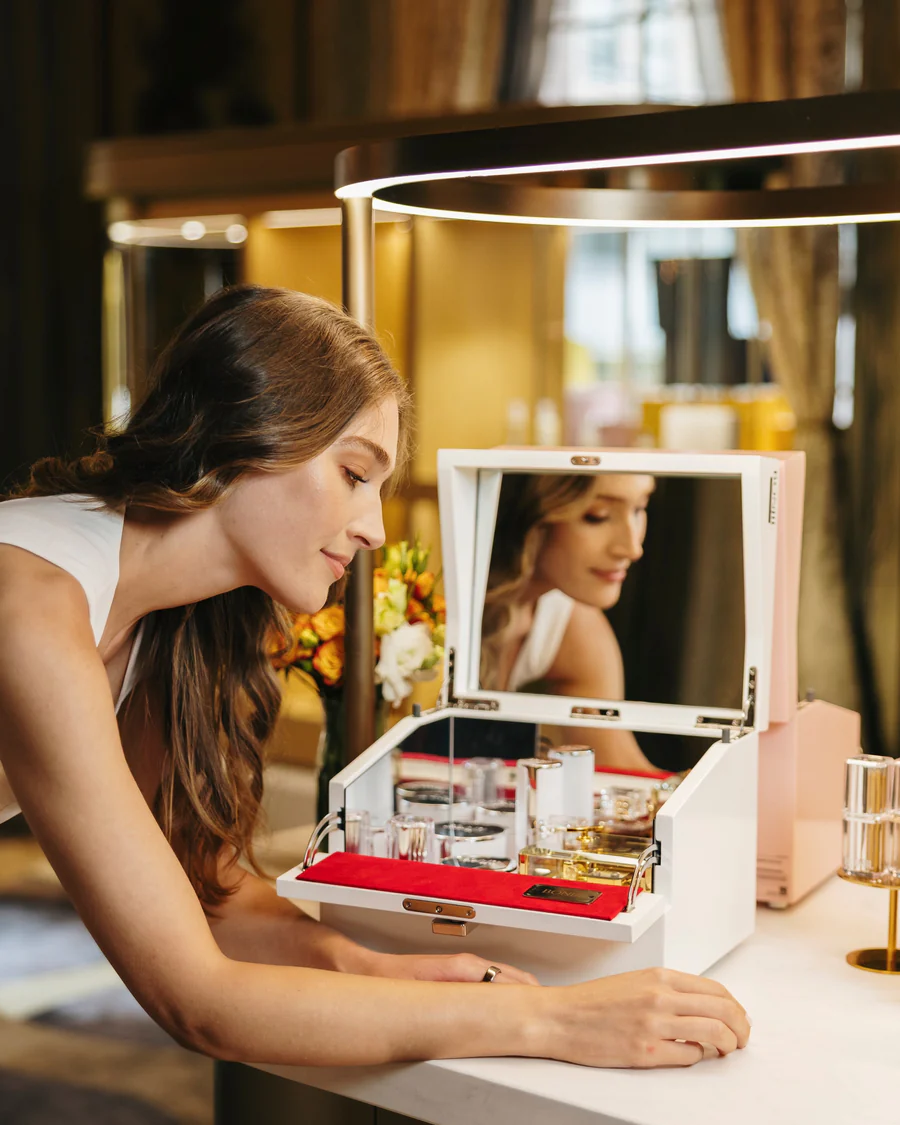
Yes, BONJIL Neurocosmetics collections can target aging concerns through formulations designed around the connection between the skin and the nervous system. Each collection addresses a specific need: Perfection Éternelle focuses on timeless skin refinement, while La Signature Au Caviar delivers concentrated nourishment. BONJIL frames skincare as a multisensory ritual, pairing luxurious textures and calming sensory elements, including the BONJIL Music Box, with active ingredients. This approach encourages the consistency that dermatologists consider essential for long-term anti-aging outcomes. By transforming daily application into a mindful practice rather than a rushed step, BONJIL helps ensure potent ingredients remain in regular use, where they can deliver cumulative benefits over weeks and months.
What Are the Key Takeaways About the Best Anti-Aging Ingredients?
The key takeaways about the best anti-aging ingredients center on three principles: evidence-based selection, strategic combination, and consistent application.
-
Retinol, vitamin C, hyaluronic acid, peptides, and niacinamide remain the most clinically validated actives for reducing wrinkles, boosting collagen, and improving skin tone.
-
Newer ingredients like bakuchiol, postbiotics, and epigenetic actives offer gentler or complementary pathways for sensitive skin types.
-
Layering matters; certain combinations amplify results while others cause irritation, making application order and ingredient compatibility critical.
-
Sunscreen is non-negotiable, since even recommended application reduces only 55% of free radical formation without supplemental antioxidants, according to a study published in Advanced Pharmaceutical Bulletin.
-
Starting preventive care in the mid-20s to early 30s and maintaining a disciplined ritual yields the strongest long-term outcomes.
Choosing the right ingredients is only half the equation. Consistent, ritualized application turns potent formulations into visible, lasting results.