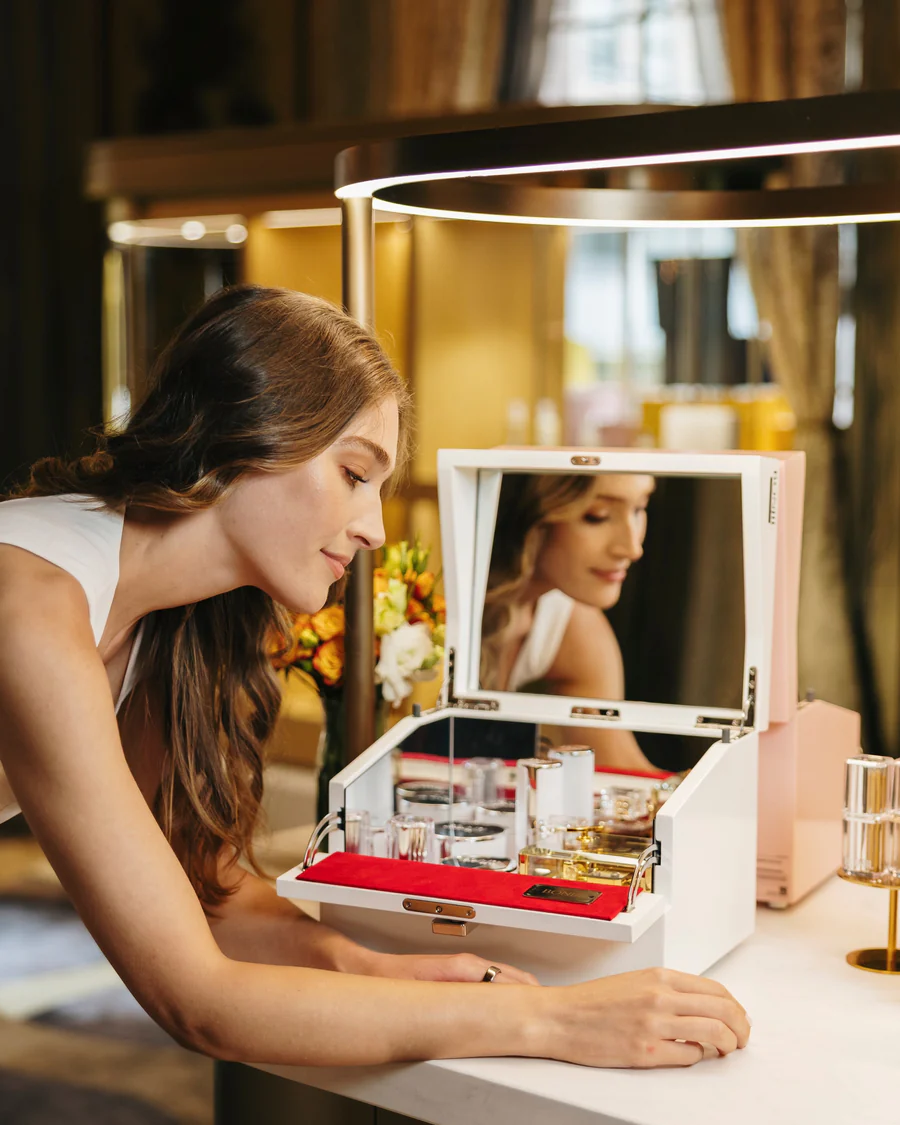
Neurocosmetics for facial redness are topical formulations designed to act on the skin's neurosensory system, calming the nerve-driven signaling pathways that trigger visible flushing rather than masking surface symptoms.
This guide covers the neuroscience of skin redness, neurogenic triggers and their clinical subtypes, targeted neurocosmetic ingredients, how these formulations differ from conventional anti-redness products, routine-building strategies, and multisensory rituals that amplify calming results.
Facial redness originates in the communication between sensory nerve fibers, neuropeptides like CGRP, and the vascular network embedded in facial tissue. When C and Aδ sensory fibers detect stress, heat, or environmental threats, they release vasodilators that flood capillaries with blood. Neurocosmetics interrupt this cascade at its source.
The triggers driving neurogenic redness span multiple pathways. Chronic rosacea involves autonomic dysregulation through the vagus nerve and spinal afferents. Stress activates sympathetic neuropeptide release. Hormonal fluctuations alter TRPV1 receptor sensitivity. Post-inflammatory erythema persists because sensitized nerve fibers continue signaling long after the initial event resolves.
Ingredients leading this category in 2026 include neurosensine, which raises the skin's tolerance threshold by suppressing pro-inflammatory neuromediator release; CGRP-modulating compounds that prevent neuropeptide-driven vasodilation; and adaptogenic neuroactives like ashwagandha-derived withanolides that normalize overactive signaling without dulling protective responses. Neuro-soothing botanical complexes combining bisabolol, glabridin, and centella triterpenes address multiple points along the neurogenic redness pathway simultaneously.
Building a complete neurocosmetic routine pairs these actives with barrier repair, UV protection, and mindful application techniques. Multisensory rituals incorporating tactile, olfactory, and visual calm engage parasympathetic pathways that counterbalance the stress responses fueling flushing.
What Is the Science Behind Neurocosmetics and Skin Redness?
The science behind neurocosmetics and skin redness centers on how the nervous system directly triggers visible flushing through neuropeptide signaling. The following subsections explain the skin-nerve connection, the specific molecules that cause flushing, and how neurocosmetic ingredients interrupt this cycle.
How Does the Skin-Nervous System Connection Trigger Redness?
The skin-nervous system connection triggers redness through a complex interplay of sensory nerve fibers, immune cells, and vascular pathways embedded in facial tissue. Skin contains dense networks of C and Aδ sensory fibers that detect environmental threats, thermal changes, and emotional stress. When activated, these fibers send signals that dilate blood vessels and recruit inflammatory mediators to the skin's surface.
Rosacea illustrates this connection clearly. According to a study published by the National Center for Biotechnology Information, rosacea's pathogenesis involves genetic, environmental, immune, microbial, and neurovascular factors, with recent research focusing on toll-like receptor 2 pathways, LL37 expression, mTOR activation, and interleukin-17 signaling. These overlapping pathways mean the nervous system does not act alone; it amplifies immune and vascular responses that manifest as persistent redness.
What Are Neuropeptides and How Do They Cause Flushing?
Neuropeptides are small signaling molecules released by sensory nerve endings that regulate inflammation, pain perception, and blood vessel dilation in the skin. Calcitonin gene-related peptide (CGRP) is among the most significant. As described in Physiological Reviews, CGRP is a 37-amino acid neuropeptide localized to C and Aδ sensory fibers that acts as a highly potent vasodilator when released from perivascular nerves, with its activation via TRPV1 receptors serving as a known mechanism for inducing acute pain and redness.
Neurogenic rosacea represents a distinct clinical subgroup where this neuropeptide activity becomes chronic. Characterized by peripheral facial erythema, severe burning, and stinging, it is often triggered by skin barrier dysfunction, thermal stimuli, stress, and hormonal changes. For individuals prone to flushing, even mild sensory input can cascade into visible redness through this neuropeptide-driven loop.

How Do Neurocosmetic Ingredients Calm Neural Inflammation?
Neurocosmetic ingredients calm neural inflammation by intercepting neuropeptide release and reducing pro-inflammatory signaling at the nerve-skin interface. Two peptides exemplify this mechanism:
-
Neurosensine (acetyl dipeptide-1 cetyl ester) reduces the release of pro-inflammatory mediators and neuromediators, increasing the skin's tolerance threshold and significantly improving clinical signs of sensitivity such as redness and stinging, as reported by MDPI Cosmetics.
-
Acetyl hexapeptide-8 inhibits SNARE complex formation and subsequent catecholamine release, modulating the neuro-immuno-cutaneous system to reduce muscle-induced skin stress and associated erythema.
Rather than masking symptoms superficially, these ingredients target the upstream neurological triggers. This approach represents a meaningful shift in how reactive skin is managed, addressing the cause of flushing rather than simply counteracting visible redness after it appears. Understanding these mechanisms helps explain why neurocosmetics are gaining traction for conditions like rosacea and chronic sensitivity.
What Causes Facial Redness at the Neurogenic Level?
Facial redness at the neurogenic level results from dysregulated communication between the nervous system and facial blood vessels. Stress, neurovascular dysfunction, environmental overload, hormonal shifts, and post-inflammatory signaling each activate distinct neural pathways that drive visible flushing.
Stress-Induced Neurogenic Redness
Stress-induced neurogenic redness occurs when psychological or physical stress activates the sympathetic nervous system, triggering neuropeptide release from sensory nerve endings in facial skin. These neuropeptides, particularly CGRP and substance P, signal blood vessels to dilate rapidly. Chronic stress compounds the cycle; sustained cortisol elevation weakens the skin barrier, leaving nerve endings more exposed and reactive. Over time, what begins as occasional flushing can become a persistent baseline redness that resists conventional topical treatments. For anyone managing recurring redness, identifying stress as a neurogenic trigger is often the most overlooked first step.
Rosacea-Related Neurovascular Dysfunction
Rosacea-related neurovascular dysfunction involves impaired regulation of facial blood flow driven by both immune and neural pathways. According to a 2025 study published in MDPI Life, autonomic dysregulation may amplify vasodilation, increase blood flow to facial skin, and facilitate neurogenic inflammation through parallel pathways including the vagus nerve and spinal afferents. This means rosacea flushing is not purely vascular; it reflects a deeper miscommunication between the autonomic nervous system and cutaneous nerve fibers. Conventional anti-redness products that only address surface inflammation often miss this neurovascular root, which is precisely where neurocosmetic strategies offer a more targeted approach.
Environmental Sensory Overload and Skin Reactivity
Environmental sensory overload and skin reactivity describe how external stimuli, such as temperature shifts, UV exposure, pollution, and strong fragrances, overwhelm the skin's neurosensory system and provoke flushing. Sensory nerve fibers interpret these inputs as threats, releasing inflammatory mediators that dilate capillaries. Multisensory skincare approaches offer a counterbalance. According to a 2025 study in MDPI Cosmetics, combining visual, tactile, and olfactory stimuli, such as inhaling lavender essential oil, significantly reduced anxiety and modulated brain activity in healthy adults. This suggests that calming the nervous system through intentional sensory input can interrupt the neural cascade before redness manifests.
Hormonal Fluctuations and Neuro-Skin Flushing
Hormonal fluctuations and neuro-skin flushing are closely linked because hormones directly modulate neurovascular tone in facial tissue. Estrogen fluctuations during menstrual cycles, perimenopause, and menopause alter TRPV1 receptor sensitivity on sensory neurons, lowering the threshold for vasodilation. Progesterone shifts further influence mast cell degranulation, compounding inflammatory signaling. This hormonal-neural interplay explains why many individuals experience predictable flushing patterns tied to their cycle or life stage. Addressing hormonal neurogenic redness requires strategies that stabilize neural sensitivity rather than simply constricting vessels.
Post-Inflammatory Neurogenic Erythema
Post-inflammatory neurogenic erythema is persistent redness that lingers after an inflammatory event, such as an acne flare, allergic reaction, or procedural trauma, because sensitized nerve fibers continue signaling vasodilation long after the initial trigger resolves. According to a 2026 study in Frontiers in Immunology, neurogenic rosacea represents a distinct subgroup characterized by peripheral facial erythema, severe burning, and stinging, often triggered by skin barrier dysfunction, thermal stimuli, stress, and hormonal changes. This residual neural sensitization creates a feedback loop where even mild stimuli reactivate flushing. Breaking this cycle requires calming the nerve fibers themselves, a task well suited to neurocosmetic formulations that target sensory neuron activity.
Understanding these neurogenic triggers reveals why the right ingredient strategy matters for lasting relief.
What Neurocosmetic Ingredients Target Facial Redness?
Neurocosmetic ingredients that target facial redness in 2026 include neuropeptide blockers, neurosensine, adaptogenic neuroactives, CGRP-modulating compounds, and neuro-soothing botanical complexes.

How Do Neuropeptide Blockers Reduce Visible Redness?
Neuropeptide blockers reduce visible redness by intercepting the signaling molecules that trigger vasodilation in facial skin. Calcitonin gene-related peptide (CGRP), a 37-amino acid neuropeptide localized to C and Aδ sensory fibers, acts as a potent vasodilator when released from perivascular nerves. Its activation via transient receptor potential vanilloid 1 (TRPV1) receptors is a known mechanism for inducing acute redness, according to research published in Physiological Reviews. By blocking CGRP release or receptor binding, neuropeptide blockers interrupt this cascade before blood vessels dilate visibly. This targeted neural approach represents one of the most precise strategies available for redness-prone skin.
How Does Neurosensine Calm Reactive Skin?
Neurosensine calms reactive skin by suppressing the release of pro-inflammatory mediators and neuromediators at the cutaneous nerve level. Classified as acetyl dipeptide-1 cetyl ester, this neuro-soothing peptide raises the skin's tolerance threshold, reducing hypersensitivity to environmental and emotional triggers. Clinical signs of sensitivity, including redness and stinging, improve significantly with consistent application. Rather than masking symptoms, neurosensine addresses the neural overreactivity that makes skin flare in the first place. For individuals whose complexion reacts to temperature shifts, fragrance, or stress, this ingredient offers a meaningful reset of the skin's alarm response.
What Role Do Adaptogenic Neuroactives Play in Flushing?
Adaptogenic neuroactives play a regulatory role in flushing by helping skin modulate its stress response at the neuro-cutaneous level. These compounds work to normalize overactive signaling pathways rather than simply suppressing them. When the nervous system perceives stress, whether thermal, emotional, or environmental, it can trigger exaggerated vasodilation. Adaptogenic neuroactives buffer this response by supporting homeostasis in sensory nerve endings. Common adaptogenic actives used in neurocosmetic formulations include ashwagandha-derived withanolides, rhodiola rosea extracts, and reishi-sourced triterpenoids. Their strength lies in bidirectional activity: calming overactive pathways without dulling necessary protective responses.
How Do CGRP-Modulating Compounds Address Rosacea Redness?
CGRP-modulating compounds address rosacea redness by targeting the specific neuropeptide most implicated in neurovascular flushing. CGRP drives persistent vasodilation in rosacea-affected skin, and modulating its activity can reduce both the intensity and duration of flare episodes. These compounds work upstream of visible symptoms, intervening at the neural signaling stage before inflammation cascades into erythema. For rosacea subtypes driven by neurovascular dysfunction, CGRP modulation offers a mechanism-specific approach that complements broader anti-inflammatory strategies. This precision makes CGRP-focused formulations particularly valuable for erythematotelangiectatic rosacea, where flushing dominates the clinical picture.
What Makes Neuro-Soothing Botanical Complexes Effective?
Neuro-soothing botanical complexes are effective because they combine multiple bioactive compounds that calm sensory nerve endings, reduce neurogenic inflammation, and reinforce barrier function simultaneously. Botanicals such as bisabolol from chamomile, licorice-derived glabridin, and centella asiatica triterpenes each contribute distinct anti-redness mechanisms:
-
Bisabolol inhibits pro-inflammatory cytokine production at the nerve-skin interface.
-
Glabridin reduces melanin-associated post-inflammatory changes while calming irritation.
-
Centella asiatica triterpenes strengthen the skin barrier, limiting external triggers from reaching sensory fibers.
When combined into a complex, these botanicals address multiple points along the neurogenic redness pathway. Understanding these active ingredients helps guide the selection of targeted neurocosmetic products.
How Do Neurocosmetics Differ from Traditional Anti-Redness Products?
Neurocosmetics differ from traditional anti-redness products by targeting the neurological signaling pathways that trigger redness, rather than simply masking surface symptoms. The distinctions span mechanism of action, ingredient philosophy, and long-term outcomes.
Traditional anti-redness products typically rely on vasoconstrictors, anti-inflammatory botanicals, or color-correcting agents that address visible redness after it appears. These formulations treat the symptom at the skin's surface without engaging the underlying neural communication that initiated the flushing response. While effective for short-term relief, this approach often requires continuous reapplication because the neurogenic trigger remains active.
Neurocosmetics take a fundamentally different approach. According to a 2025 report by SkyQuest Technology Consulting, the global neurocosmetics market reached $1.66 billion, projected to grow to $3.16 billion by 2033 at an 8.4% CAGR. This rapid expansion reflects a shift toward formulations that modulate the skin-nervous system axis at its source.
The core differences between these two categories include:
-
Target pathway: Traditional products act on surface inflammation or blood vessel tone. Neurocosmetics modulate neuropeptide release and sensory nerve signaling before vasodilation occurs.
-
Active mechanism: Conventional formulas use ingredients like niacinamide, green tea extract, or caffeine for anti-inflammatory or vasoconstrictive effects. Neurocosmetic formulas use neuro-soothing peptides and CGRP-modulating compounds that interrupt the neural cascade upstream.
-
Duration of effect: Surface-level treatments provide temporary symptom reduction that fades as the product wears off. Neurocosmetic ingredients aim to raise the skin's tolerance threshold over time, reducing reactivity with consistent use.
-
Sensory integration: Traditional products focus on functional delivery. Neurocosmetic rituals often incorporate multisensory elements, since tactile, olfactory, and visual stimuli can modulate stress-related neural pathways that contribute to flushing.
For those dealing with persistent, neurogenic-pattern redness, this distinction matters enormously. A product that calms the nerve signal before it triggers vasodilation offers something a surface treatment simply cannot: the potential to retrain the skin's reactive threshold rather than repeatedly suppressing its symptoms.
Understanding this mechanistic divide helps guide smarter product selection, particularly for conditions rooted in neurovascular dysfunction rather than simple irritation.
What Types of Facial Redness Respond Best to Neurocosmetics?
Neurocosmetics respond best to redness types driven by neurogenic pathways, including chronic rosacea, stress-triggered flushing, sensitive skin reactivity, and post-procedure erythema. Each condition involves distinct neural mechanisms that neurocosmetic ingredients can target.
Does Neurocosmetic Treatment Work for Chronic Rosacea Redness?
Yes, neurocosmetic treatment works for chronic rosacea redness by targeting the neurovascular dysfunction that sustains persistent erythema. Rosacea involves autonomic dysregulation that amplifies vasodilation and increases blood flow to facial skin, facilitating neurogenic inflammation through the vagus nerve and spinal afferents, according to research published in MDPI (Life). Neurocosmetic peptides interrupt this cycle by modulating neuropeptide release at the sensory nerve level rather than merely constricting surface vessels. Erythematotelangiectatic rosacea, the most prevalent subtype, responds particularly well because its flushing mechanism is predominantly neural in origin. For chronic rosacea sufferers, this neurogenic approach often delivers more sustained relief than conventional topical vasoconstrictors alone.
Can Neurocosmetics Calm Stress-Triggered Facial Flushing?
Yes, neurocosmetics can calm stress-triggered facial flushing by intercepting the neural cascade that converts psychological stress into visible redness. When stress activates the sympathetic nervous system, sensory nerve fibers release CGRP and substance P, both potent vasodilators that flood facial capillaries with blood. Neuro-soothing peptides raise the skin's tolerance threshold, reducing this exaggerated vascular response before it becomes visible. Multisensory skincare rituals further amplify results. Combining tactile and olfactory stimuli during application activates parasympathetic pathways that counterbalance the stress response. This dual mechanism, topical neuromodulation paired with sensory calming, makes neurocosmetics uniquely suited to emotionally driven flushing episodes.
Are Neurocosmetics Effective for Sensitive Skin Redness?
Yes, neurocosmetics are effective for sensitive skin redness because they address the lowered neural threshold that defines reactive skin. Sensitive skin overreacts to stimuli that healthy skin tolerates, producing disproportionate redness from minor triggers. Neurosensine (acetyl dipeptide-1 cetyl ester) reduces the release of pro-inflammatory mediators and neuromediators, increasing the skin's tolerance threshold and significantly improving clinical signs of sensitivity such as redness and stinging, as reported by MDPI (Cosmetics). This tolerance-building approach differs fundamentally from barrier creams that merely shield the surface. By recalibrating the neural signaling itself, neurocosmetics help sensitive skin become less reactive over time rather than simply masking each flare.
Do Neurocosmetics Help with Post-Procedure Redness?
Yes, neurocosmetics help with post-procedure redness by calming the neurogenic inflammation that follows treatments like chemical peels, microneedling, and laser resurfacing. These procedures deliberately disrupt the skin barrier, triggering sensory nerve activation and subsequent neuropeptide release that prolongs visible erythema well beyond the initial healing window. Neurocosmetic formulations containing SNARE-complex inhibitors and neuro-soothing peptides reduce this exaggerated neural response, accelerating the transition from inflamed to calm. Because post-procedure skin is already compromised, the gentle mechanism of neurocosmetics offers an advantage over aggressive anti-redness actives that may further irritate healing tissue. With a clearer picture of which redness types benefit most, building a targeted neurocosmetic routine becomes the next step.
How Should You Build a Neurocosmetic Routine for Redness?
You should build a neurocosmetic routine for redness by layering nerve-calming actives with barrier support in a structured morning and evening sequence. The sections below cover daytime protection, nighttime neural repair, and the role of mindfulness in amplifying results.

What Steps Should a Morning Anti-Redness Ritual Include?
A morning anti-redness ritual should include three core steps: gentle cleansing, neuro-soothing active application, and broad-spectrum UV protection. Each step targets a different layer of the neurogenic redness cycle.
-
Barrier-safe cleanse: Use a sulfate-free, pH-balanced cleanser to avoid triggering TRPV1 receptors, which initiate flushing when the skin barrier is compromised.
-
Neuro-calming actives: Apply a serum containing neuropeptide-modulating ingredients such as neurosensine or acetyl hexapeptide-8 to suppress pro-inflammatory mediator release before daily triggers begin.
-
SPF shield: Finish with a mineral sunscreen rated SPF 30 or higher, since UV radiation is a potent activator of CGRP-driven vasodilation.
Skipping any of these steps leaves a gap in the neuro-inflammatory cascade that environmental stressors will exploit throughout the day.
What Should an Evening Neuro-Calming Routine Look Like?
An evening neuro-calming routine should look like a restorative sequence focused on deep barrier repair and sensory downregulation while the parasympathetic nervous system is most active during sleep.
-
Double cleanse: Remove environmental residue first with a balm or oil cleanser, then follow with a mild gel wash to clear remaining irritants without stripping lipids.
-
Neuroactive treatment: Layer a concentrated neuropeptide serum or adaptogenic botanical complex to calm residual neural inflammation accumulated during the day.
-
Occlusive barrier seal: Lock actives in with a ceramide-rich moisturizer that reinforces the lipid matrix overnight, reducing transepidermal water loss that heightens skin reactivity.
According to research published in MDPI Cosmetics, neurosensine (acetyl dipeptide-1 cetyl ester) increases the skin's tolerance threshold and significantly improves clinical signs of sensitivity, including redness and stinging. Nighttime application maximizes this calming effect during the body's natural repair window.
How Does Mindfulness Enhance Neurocosmetic Redness Results?
Mindfulness enhances neurocosmetic redness results by modulating autonomic nervous system activity, specifically by improving vagal tone, which counteracts the sympathetic stress response that amplifies facial vasodilation. A 2024 study published in MDPI Cosmetics demonstrated that multisensory skincare approaches combining visual, tactile, and olfactory stimuli significantly reduce anxiety and modulate brain activity dynamics in healthy adults.
Practical ways to integrate mindfulness into your routine include:
-
Slow, intentional application: Massage products using gentle upward strokes for 60 seconds, engaging tactile nerve fibers that promote parasympathetic activation.
-
Controlled breathing: Perform four to six diaphragmatic breaths while actives absorb, lowering cortisol output that feeds neurogenic inflammation.
-
Aromatherapeutic pairing: Incorporate calming scents such as lavender during application to activate olfactory pathways linked to stress reduction.
This mind-skin connection is precisely why neurocosmetics outperform conventional anti-redness products for stress-reactive skin types. With a complete routine established, knowing what to look for when selecting products ensures each step delivers genuine neuro-calming benefits.
What Should You Look for When Choosing Neurocosmetic Products?
When choosing neurocosmetic products, you should look for formulations that target the skin-nervous system connection with clinically validated neuro-soothing ingredients. Key selection criteria include ingredient transparency, sensory design, and barrier-supportive formulation architecture.
-
Neuro-soothing active peptides: Prioritize products containing ingredients like neurosensine (acetyl dipeptide-1 cetyl ester), which reduces the release of pro-inflammatory mediators and neuromediators, increasing the skin's tolerance threshold and improving clinical signs of sensitivity such as redness and stinging, according to research published in MDPI Cosmetics.
-
TRPV1 and CGRP pathway awareness: Look for formulas designed to modulate neuropeptide-driven flushing rather than simply masking redness with vasoconstrictors or pigment correctors.
-
Barrier-first formulation philosophy: Neurocosmetics should reinforce the skin barrier alongside calming neural pathways, since barrier dysfunction is a recognized trigger for neurogenic rosacea symptoms.
-
Multisensory ritual design: Effective neurocosmetic products engage multiple senses through texture, scent, and application experience, because sensory input directly influences the neuro-cutaneous stress response.
-
Clean, transparent ingredient lists: With EU cosmetic regulatory updates for 2026 introducing new ingredient bans, enhanced labeling obligations, and PFAS phase-outs, selecting brands that proactively meet these standards protects both skin health and long-term safety.
-
Microbiome compatibility: Products addressing the skin-microbiome-neuro axis offer a more comprehensive approach to reactive skin than single-pathway formulas alone.
For anyone prone to neurogenic redness, the most overlooked criterion is sensory compatibility. A product with excellent active ingredients can still trigger flushing if its fragrance, texture, or pH disrupts the very neural pathways it aims to calm. With these selection criteria established, the clinical evidence behind neurocosmetics reveals how well these ingredients perform under scientific scrutiny.
What Does the Research Say About Neurocosmetics for Redness?
The research says neurocosmetics for redness target the neurological root of facial flushing rather than surface-level symptoms alone. Clinical and mechanistic studies confirm that neuropeptide modulation, autonomic regulation, and neuro-soothing peptides reduce visible erythema through pathways traditional skincare cannot reach.
A systematic review and meta-analysis published in the Journal of the American Academy of Dermatology estimated rosacea subtype prevalence among patients as 72% to 80% for erythematotelangiectatic rosacea, the form most defined by persistent redness and visible blood vessels. This high prevalence underscores why neurogenic approaches matter: most redness-prone individuals experience a neurovascular subtype where sensory nerve dysregulation drives chronic flushing.
Key research findings supporting neurocosmetic efficacy for redness include:
-
Calcitonin gene-related peptide (CGRP) acts as a potent vasodilator when released from perivascular sensory fibers, and its activation via TRPV1 receptors directly induces redness and pain, according to research published in Physiological Reviews.
-
Neurosensine (acetyl dipeptide-1 cetyl ester) reduces pro-inflammatory mediators and neuromediators, raising the skin's tolerance threshold and improving clinical signs of sensitivity such as redness and stinging.
-
Acetyl hexapeptide-8 inhibits SNARE complex formation and catecholamine release, modulating the neuro-immuno-cutaneous system to reduce erythema associated with muscle-induced skin stress.
-
Autonomic dysregulation amplifies vasodilation and increases blood flow to facial skin, facilitating neurogenic inflammation through the vagus nerve and spinal afferent pathways.
What makes this body of evidence particularly compelling is its convergence: researchers across immunology, neuroscience, and dermatology are independently confirming the same core mechanism. Facial redness is not merely a vascular event; it is a neuro-immune cascade. Products that only constrict blood vessels or mask inflammation miss the upstream signal entirely. Neurocosmetic formulations that interrupt neuropeptide release or calm sensory nerve overactivation address the cause, not just the consequence.
With the global neurocosmetics market projected to grow from $1.66 billion in 2025 to $3.16 billion by 2033 at an 8.4% CAGR according to SkyQuest Technology Consulting, investment in neuro-targeted skincare research is accelerating. This growth reflects both consumer demand and mounting scientific validation. For those exploring multisensory rituals alongside these evidence-backed ingredients, the approach extends well beyond conventional anti-redness care.
How Can a Multisensory Skincare Ritual Soothe Facial Redness?
A multisensory skincare ritual can soothe facial redness by combining neurocosmetic actives with calming visual, tactile, and olfactory stimuli that quiet the skin-nervous system axis. The following sections explore how BONJIL approaches this principle and summarize the essential takeaways from this guide.

Can BONJIL Harmonie Apaisante Help Calm Neurogenic Redness?
Yes, BONJIL Harmonie Apaisante can help calm neurogenic redness through its formulation philosophy rooted in the skin-microbiome-neuro axis. BONJIL's BiomeGlow collection, which includes the Blue Flower Soothing Toner Pads, is designed to calm, hydrate, and balance sensitive or reactive skin by targeting the interconnected pathways between the microbiome and cutaneous nerve signaling.
What makes BONJIL's approach distinctive is the layered sensory ritual that accompanies each product. Rather than treating redness as a purely topical concern, BONJIL frames application as a mindful ceremony, engaging touch, scent, and visual calm to help interrupt the stress-flushing cycle at its neurogenic source. For anyone dealing with persistent reactivity, this integration of sensory science with active skincare represents one of the most thoughtful approaches available in 2026.
What Are the Key Takeaways About Neurocosmetics for Facial Redness?
The key takeaways about neurocosmetics for facial redness center on three practical conclusions:
-
Facial redness often originates from neurogenic pathways, not surface irritation alone, making nerve-calming ingredients more effective than conventional anti-redness formulas.
-
Neurocosmetic actives such as neurosensine and CGRP-modulating compounds address flushing at the neuropeptide level, raising the skin's tolerance threshold.
-
Multisensory rituals that pair these actives with calming olfactory and tactile stimuli amplify results by reducing the autonomic stress signals that trigger vasodilation.
Choosing products built on this science, and applying them as intentional rituals rather than rushed steps, gives redness-prone skin the best chance at lasting calm.