Skin barrier repair is the process of restoring the stratum corneum's protective lipid matrix so it can retain moisture, block irritants, and maintain resilience. This guide covers barrier structure and function, signs and causes of damage across skin types, clinically validated repair ingredients, correct layering and routine strategies, and the role of nutrition in long-term recovery.
The skin barrier operates as a "brick and mortar" system where corneocytes are sealed by ceramides, cholesterol, and free fatty acids in an equimolar ratio. When this lipid balance breaks down, transepidermal water loss spikes, sensitivity increases, and visible symptoms like flaking, excess oiliness, or persistent stinging appear depending on skin type.
Common causes of barrier disruption range from over-exfoliation and harsh sulfate cleansers to UV-generated reactive oxygen species that degrade barrier proteins and lipids. Chronic stress, poor sleep, and environmental pollutants compound the damage by suppressing lipid synthesis and triggering low-grade inflammation.
The most effective repair ingredients each target a distinct recovery pathway. Ceramides rebuild the lipid matrix. Niacinamide stimulates ceramide synthesis while reducing redness and water loss. Squalane stabilizes barrier function with antioxidant protection. Centella asiatica accelerates healing through collagen-stimulating triterpenoids like asiaticoside. Hyaluronic acid, glycerin, peptides, and panthenol round out a complete repair toolkit.
Layering these ingredients from thinnest to thickest consistency, applying them twice daily, and pausing harsh actives like retinoids and AHAs during recovery are critical to results. Most people see noticeable improvement within two weeks, with full restoration taking four to six weeks. Oral collagen and ceramide supplementation paired with omega-3-rich foods further accelerate recovery by supporting hydration from within.
What Is the Skin Barrier and Why Does It Matter?
The skin barrier is the outermost protective layer of skin that shields your body from external threats while locking in essential moisture. Below, we break down its structural layers and core protective functions.
What Are the Layers That Make Up the Skin Barrier?
The layers that make up the skin barrier include the stratum corneum, the lipid matrix, and the underlying viable epidermis. The stratum corneum sits at the surface, composed of flattened corneocytes bound together in a structure often compared to a "brick and mortar" wall. Corneocytes act as the bricks, while a lipid matrix of ceramides, cholesterol, and free fatty acids forms the mortar that seals gaps between cells. Beneath this sits the viable epidermis, where new skin cells generate and migrate upward. Hydration plays a critical role across these layers. According to a 2022 meta-analysis published in Frontiers in Nutrition (n = 609), oral collagen supplementation significantly improved skin hydration with a standardized mean difference of +0.77 (p < 0.00001). Each layer depends on the others to maintain structural integrity.

How Does a Healthy Skin Barrier Protect Your Body?
A healthy skin barrier protects your body by performing three essential defense functions:
-
Moisture retention: The lipid matrix prevents excessive water loss, keeping skin hydrated and supple from within.
-
Pathogen defense: Tightly packed corneocytes and an acidic surface pH block bacteria, viruses, and fungi from penetrating deeper tissue.
-
Environmental shielding: The barrier absorbs and deflects irritants, allergens, pollutants, and UV-induced oxidative stress before they reach living cells.
When these functions operate in balance, skin remains calm, resilient, and visibly healthy. A compromised barrier, by contrast, allows irritants in and moisture out, triggering inflammation and sensitivity. Prioritizing barrier health is arguably the single most impactful step in any skincare routine. Understanding what damages this defense system helps you choose the right repair ingredients.
How Do You Know If Your Skin Barrier Is Damaged?
You know if your skin barrier is damaged by recognizing visible and tactile signs that differ by skin type. Dry skin shows flaking and tightness, oily skin produces excess sebum and breakouts, and sensitive skin reacts with stinging and redness.
What Does a Damaged Skin Barrier Look Like on Dry Skin?
A damaged skin barrier on dry skin looks like visible flaking, rough texture, and tight, cracked patches that may appear dull or ashy. These signs result from abnormal desquamation, which causes corneocytes to clump together and present visibly as scaling, while loss of elasticity increases tactile roughness, according to research published in PubMed Central.
Without adequate lipids holding the stratum corneum together, moisture escapes rapidly through the compromised surface. Fine lines often appear more pronounced, and redness can develop in areas where the barrier is thinnest. Chronic dryness that persists despite regular moisturizer use is one of the clearest indicators that the barrier itself needs repair, not just surface hydration.
What Does a Damaged Skin Barrier Look Like on Oily Skin?
A damaged skin barrier on oily skin looks like excess shine, enlarged pores, and frequent breakouts, often accompanied by dehydration underneath the surface oil. This paradox occurs because a compromised barrier triggers the skin to overproduce sebum as a compensatory protective mechanism.
Congestion and acne flare-ups become more persistent, even in people who did not previously struggle with breakouts. The skin may feel simultaneously greasy and tight, a combination that signals the barrier is failing to regulate both moisture retention and oil production. Blotchy, uneven texture alongside oiliness is another telltale sign that the issue runs deeper than skin type alone.
What Does a Damaged Skin Barrier Feel Like on Sensitive Skin?
A damaged skin barrier on sensitive skin feels like stinging, burning, or tingling upon applying products that previously caused no reaction. Heightened reactivity is the hallmark sign, as the weakened barrier allows irritants to penetrate more easily.
Previously tolerated ingredients such as vitamin C serums or gentle exfoliants may suddenly provoke redness and discomfort. Flushing can appear without obvious triggers, and the skin may feel hot to the touch after minimal environmental exposure. Persistent itchiness, particularly after cleansing, signals that the protective lipid layer is too depleted to buffer external contact.
Recognizing these skin-type-specific symptoms is the first step toward choosing the right repair ingredients and routine.

What Causes Skin Barrier Damage?
Skin barrier damage results from both external aggressors and internal imbalances. The most common causes include over-exfoliation, harsh cleansers, UV exposure, environmental pollutants, chronic stress, and poor sleep.
How Does Over-Exfoliation Damage the Skin Barrier?
Over-exfoliation damages the skin barrier by stripping away protective corneocytes and intercellular lipids faster than the skin can replenish them. Physical scrubs used too frequently, or chemical exfoliants like AHAs and BHAs applied at excessive concentrations, thin the stratum corneum and compromise its structural integrity.
The result is increased transepidermal water loss, heightened sensitivity, and visible irritation such as redness and peeling. When the lipid matrix between skin cells is repeatedly disrupted, moisture escapes and irritants penetrate more easily. Limiting exfoliation to one or two sessions per week allows the barrier time to recover between treatments.
How Do Harsh Cleansers Strip the Skin Barrier?
Harsh cleansers strip the skin barrier by dissolving the essential lipids that hold corneocytes together. According to a report from the European Medicines Agency, sodium lauryl sulfate (SLS) disrupts the skin barrier through direct action on corneocytes, leading to their swelling and altered mRNA expression of keratinocyte differentiation markers.
Surfactants like SLS and sodium laureth sulfate remove not only surface dirt but also ceramides, cholesterol, and free fatty acids critical to barrier cohesion. Over time, daily use of high-sulfate cleansers leaves skin tight, dry, and reactive. Switching to gentle, pH-balanced formulas preserves barrier lipids while still effectively cleansing.
How Does UV Exposure Compromise Skin Barrier Function?
UV exposure compromises skin barrier function by generating reactive oxygen species that degrade barrier proteins and lipids. UVB irradiation photochemically produces ROS radicals, including superoxide anion and hydroxyl radicals, which cause significant oxidative damage to the stratum corneum's structural components.
This damage increases transepidermal water loss. TEWL values below 10 g/m²/hr indicate intact barrier permeability, while levels above 20 g/m²/hr signal a compromised barrier with high permeability. Protective ingredients can mitigate this process; squalane at 10% concentration provides superior photoaging management by stabilizing barrier function without worsening oxidative damage or inflammation after six weeks of UV exposure, according to research published in MDPI Cosmetics.
How Do Environmental Stressors Weaken the Skin Barrier?
Environmental stressors weaken the skin barrier by triggering oxidative stress and chronic low-grade inflammation in epidermal cells. Particulate matter (PM 2.5), cigarette smoke, and urban pollution generate free radicals that degrade the lipid matrix and impair corneocyte cohesion.
Cold, dry air accelerates moisture evaporation from the skin surface, while sudden temperature shifts destabilize the barrier's adaptive responses. Wind exposure compounds the problem by physically stripping surface oils. Layering antioxidant-rich and occlusive products creates a protective shield that buffers the barrier against these daily aggressors.
How Does Stress and Poor Sleep Affect Skin Barrier Health?
Stress and poor sleep affect skin barrier health by elevating cortisol levels, which suppress lipid synthesis and slow cellular turnover in the epidermis. Chronic stress shifts the skin into a prolonged inflammatory state, impairing the production of ceramides and other barrier-essential lipids.
During deep sleep, the body increases blood flow to the skin and accelerates repair processes, including barrier recovery. Sleep deprivation disrupts this cycle, leaving the stratum corneum thinner and more permeable. For most people, managing stress through consistent routines and prioritizing seven to nine hours of quality sleep are among the most underestimated strategies for maintaining barrier resilience.
With these causes identified, the right repair ingredients become essential.
What Are the Best Ingredients for Skin Barrier Repair?
The best ingredients for skin barrier repair are ceramides, hyaluronic acid, niacinamide, squalane, fatty acids, cholesterol, Centella asiatica, glycerin, peptides, and panthenol. Each targets a different aspect of barrier recovery.
Ceramides
Ceramides are lipid molecules that form the structural backbone of the skin barrier. They fill the spaces between corneocytes in the stratum corneum, creating a waterproof seal that prevents moisture loss. When ceramide levels drop, the barrier weakens and transepidermal water loss increases. Topical ceramide formulations replenish these depleted lipids, restoring the lamellar structure that keeps skin hydrated and protected. For best results, ceramides work most effectively when paired with cholesterol and fatty acids, mirroring the skin's natural lipid ratio.
Hyaluronic Acid
Hyaluronic acid is a glycosaminoglycan that holds up to 1,000 times its weight in water. It draws moisture from the environment and deeper skin layers into the epidermis, plumping dehydrated tissue and reducing the appearance of fine lines. Different molecular weights serve distinct purposes: high-molecular-weight hyaluronic acid forms a hydrating film on the surface, while low-molecular-weight forms penetrate deeper to hydrate from within. Applying it to damp skin maximizes absorption. This humectant supports barrier repair by maintaining the hydration levels compromised skin desperately needs.
Niacinamide
Niacinamide is a form of vitamin B3 that strengthens the skin barrier through multiple pathways. It stimulates ceramide and fatty acid synthesis within the epidermis, directly rebuilding the lipid matrix. According to a study published in MDPI Antioxidants, niacinamide at 4% to 5% concentration improves skin appearance, reduces red blotchiness, enhances elasticity, and decreases transepidermal water loss. Beyond lipid production, niacinamide calms inflammation, regulates sebum output, and provides antioxidant protection. Its versatility makes it one of the most practical barrier repair ingredients for nearly every skin type.
Squalane
Squalane is a hydrogenated, shelf-stable form of squalene, a lipid naturally produced by human sebocytes. It reinforces the skin's lipid barrier without clogging pores, making it suitable for oily and acne-prone skin. According to a 2025 study published in MDPI Cosmetics, squalane at 10% concentration provides superior photoaging management by stabilizing barrier function without worsening oxidative damage or inflammation after six weeks of UV exposure. Its lightweight texture absorbs quickly, delivering emollient benefits that soften rough, compromised skin. Squalane also acts as an antioxidant, neutralizing free radicals generated by environmental stressors.
Fatty Acids and Cholesterol
Fatty acids and cholesterol are essential structural lipids within the skin barrier. According to research published in Biochimica et Biophysica Acta, the main lipid classes in the stratum corneum are ceramides, cholesterol, and free fatty acids in an approximately equimolar ratio. Disrupting this balance compromises the lamellar lipid structure, increasing permeability. Topical products containing linoleic acid, oleic acid, or plant-derived cholesterol help restore this critical ratio. Omega-3 fatty acids from dietary sources further support barrier integrity by reducing systemic inflammation that can weaken the skin from within.
Centella Asiatica
Centella asiatica is a medicinal herb that promotes skin barrier repair through anti-inflammatory and collagen-stimulating activity. According to research published in MDPI Pharmaceutics, its primary pharmacological components include asiaticoside (0.5–3.7%), asiatic acid (0.04–0.58%), and madecassoside (0.29–6.09%). These triterpenoid compounds accelerate wound healing, enhance cell migration, and calm irritation in compromised skin. Centella asiatica extract, often labeled as "cica" in skincare, soothes redness and sensitivity while strengthening the structural integrity of the epidermis. For reactive or post-procedure skin, few botanicals match its proven efficacy.
Glycerin
Glycerin is a humectant that attracts water molecules to the skin's surface and upper epidermal layers. It reduces transepidermal water loss by forming a moisture-retaining layer within the stratum corneum. Found in concentrations ranging from 1% to 10% in most moisturizers, glycerin is one of the most extensively studied and cost-effective hydrating ingredients available. It also smooths rough texture by softening corneocytes, which improves the skin's tactile feel during barrier recovery. Glycerin pairs well with occlusive agents that lock in the moisture it draws.
Peptides
Peptides are short chains of amino acids that signal skin cells to produce collagen, elastin, and other structural proteins. Copper peptides and palmitoyl pentapeptide are among the most researched for barrier support. They accelerate tissue repair by stimulating fibroblast activity and promoting extracellular matrix rebuilding. Peptides also reduce inflammation, which is critical during barrier recovery when skin is already sensitized. Although slower-acting than ceramides or hyaluronic acid, peptides address the deeper structural damage underlying chronic barrier dysfunction.
Panthenol
Panthenol is the provitamin form of vitamin B5 that converts to pantothenic acid upon skin absorption. It penetrates the stratum corneum efficiently, where it enhances hydration, reduces irritation, and supports epidermal regeneration. Panthenol strengthens the barrier by stimulating lipid synthesis and accelerating the proliferation of keratinocytes. Its anti-inflammatory properties soothe redness and itching commonly associated with compromised barriers. Often found in concentrations of 1% to 5%, panthenol is gentle enough for post-procedure care and sensitive skin recovery protocols.
With the right ingredients identified, knowing how to layer and apply them correctly maximizes their barrier repair benefits.

How Do You Use Skin Barrier Repair Ingredients Correctly?
You use skin barrier repair ingredients correctly by layering them in the right order, applying them at appropriate frequencies, and avoiding actives that worsen damage. The sections below cover layering sequence, application frequency, and ingredients to skip.
How Should You Layer Barrier Repair Products?
You should layer barrier repair products from thinnest to thickest consistency. This sequence ensures each formula absorbs properly before the next one seals it in.
The recommended layering order is:
-
Cleanser (gentle, sulfate-free) to remove impurities without stripping lipids.
-
Hydrating toner or essence containing hyaluronic acid or glycerin to attract moisture.
-
Water-based serums, such as niacinamide or peptide formulas, applied to damp skin.
-
Centella asiatica or panthenol treatments for targeted soothing.
-
Moisturizer with ceramides, cholesterol, and fatty acids to reinforce the lipid matrix.
-
Occlusive layer of squalane or a balm to lock everything in.
Applying water-based ingredients before oil-based ones prevents pilling and maximizes penetration. Each layer builds on the previous one, creating a cumulative shield that supports barrier recovery.
How Often Should You Apply Barrier Repair Ingredients?
You should apply barrier repair ingredients twice daily, morning and evening, for consistent results. Consistency matters more than concentration when restoring a compromised lipid barrier.
Ceramides and hyaluronic acid are gentle enough for every application. According to a study published in MDPI Antioxidants, niacinamide at 4% to 5% concentration improved skin appearance, reduced blotchiness, and lowered transepidermal water loss in clinical trials, supporting its suitability for regular twice-daily use. Peptides and panthenol also tolerate daily application without irritation risk.
During active barrier repair, simplifying your routine to these core ingredients for four to six weeks yields the best outcomes. For most people, resisting the urge to rotate too many products is the single most effective strategy during this recovery phase.
Which Ingredients Should You Avoid During Barrier Repair?
The ingredients you should avoid during barrier repair are actives that increase cell turnover, strip lipids, or trigger inflammation in already compromised skin.
Key ingredients to pause include:
-
Retinoids (retinol, tretinoin), which accelerate exfoliation and increase sensitivity.
-
AHAs and BHAs (glycolic acid, salicylic acid), which dissolve the corneocyte bonds your barrier needs intact.
-
Vitamin C at high concentrations (above 15%), which can sting and irritate weakened skin.
-
Alcohol denat and denatured alcohol, which dissolve protective lipids on contact.
-
Fragrance and essential oils, which are common sensitizers on reactive skin.
Reintroduce these actives gradually only after barrier integrity improves. With the right ingredients in place, building a complete routine tailored to your skin type becomes the next step.
What Is the Best Skin Barrier Repair Routine for Each Skin Type?
The best skin barrier repair routine for each skin type prioritizes ingredients matched to that type's specific vulnerability. Below, routines for dry, oily, mature, and sensitive skin address ingredient selection, layering order, and key actives.
What Routine Works Best for Dry or Dehydrated Skin?
The routine that works best for dry or dehydrated skin centers on lipid replenishment and deep humectant layering. A gentle, sulfate-free cleanser should come first, followed by these steps:
-
Apply a hyaluronic acid serum to damp skin to draw moisture inward.
-
Layer a ceramide-rich moisturizer to restore the lipid matrix.
-
Seal with a squalane-based facial oil to prevent transepidermal water loss.
-
Finish with broad-spectrum SPF during the day.
Glycerin and panthenol in the moisturizer step add additional water-binding capacity. For severely dehydrated skin, occlusives like shea butter at night accelerate recovery.
What Routine Works Best for Oily or Acne-Prone Skin?
The routine that works best for oily or acne-prone skin balances barrier restoration with lightweight, non-comedogenic formulations. Barrier damage often increases sebum production, so repair actually helps control oiliness over time.
-
Cleanse with a mild gel or micellar water free of sodium lauryl sulfate.
-
Apply niacinamide serum at 4% to 5% concentration to reduce inflammation and regulate oil.
-
Use a lightweight, oil-free moisturizer containing ceramides and hyaluronic acid.
-
Protect with a mattifying mineral sunscreen daily.
Avoid heavy occlusives. Niacinamide is especially effective here because it strengthens the barrier while visibly reducing blotchiness and excess shine.
What Routine Works Best for Mature or Aging Skin?
The routine that works best for mature or aging skin combines collagen-supporting actives with intensive hydration. According to research published in PubMed Central, asiaticoside stimulates type 1 collagen synthesis in human fibroblast cells and enhances skin cell migration during wound healing.
-
Use a cream-based cleanser that preserves natural oils.
-
Apply a peptide serum to support structural protein production.
-
Follow with a rich moisturizer containing ceramides, squalane, and Centella asiatica extract.
-
Layer a nourishing facial oil at night for overnight barrier recovery.
Mature skin benefits most from consistent evening rituals that prioritize deep nourishment and collagen stimulation.
What Routine Works Best for Sensitive or Reactive Skin?
The routine that works best for sensitive or reactive skin minimizes active ingredients and focuses on calming, barrier-supportive formulations. Fewer steps reduce irritation risk while still delivering meaningful repair.
-
Cleanse once daily with a fragrance-free, pH-balanced micellar water.
-
Apply a centella asiatica or panthenol serum to soothe inflammation.
-
Moisturize with a minimal-ingredient cream containing ceramides and glycerin.
-
Use mineral-only sunscreen to avoid chemical filter sensitivities.
Introduce one new product at a time, waiting several days between additions. Sensitive skin often signals barrier compromise first, so gentle consistency matters more than potency. With routines tailored to each skin type, understanding repair timelines helps set realistic expectations.

How Long Does It Take to Repair a Damaged Skin Barrier?
It takes approximately two to four weeks to repair a damaged skin barrier, though severe disruption can extend recovery to six weeks or longer. The timeline depends on the extent of damage, consistency of your repair routine, and which ingredients you use.
Mild barrier compromise, such as temporary dryness from a new product, often resolves within two weeks when you simplify your routine and focus on ceramides, niacinamide, and occlusive moisturizers. Moderate damage caused by prolonged over-exfoliation or harsh cleansers typically requires three to four weeks of consistent care before transepidermal water loss normalizes and sensitivity subsides.
Chronic or severe barrier disruption presents a longer recovery path. When the stratum corneum's lipid matrix has been significantly depleted, rebuilding the equimolar ratio of ceramides, cholesterol, and free fatty acids takes time. Patience matters more than product quantity during this phase. Several factors influence your specific timeline:
-
Damage severity: Surface-level irritation heals faster than deep lipid depletion or inflammation-driven compromise.
-
Ingredient consistency: Daily application of barrier-supportive ingredients like squalane, panthenol, and hyaluronic acid accelerates recovery compared to sporadic use.
-
Irritant removal: Eliminating the original cause of damage, whether harsh surfactants, retinoids, or excessive exfoliation, is essential before meaningful repair begins.
-
Skin type: Oily skin may restore sebum-based protection sooner, while dry or mature skin often needs additional weeks to replenish lipid stores.
-
Environmental exposure: Ongoing UV damage or pollution contact can stall recovery, making broad-spectrum sunscreen non-negotiable during the repair window.
Tracking progress through reduced redness, less stinging upon product application, and improved hydration retention provides more reliable feedback than counting days alone. For most people committed to a simplified, barrier-focused routine, noticeable improvement appears within the first ten days, with full restoration following over the subsequent weeks.
Can Certain Foods or Supplements Help Repair the Skin Barrier?
Yes, certain foods and supplements can help repair the skin barrier by delivering essential lipids, antioxidants, and structural proteins from within. Oral collagen, ceramide supplements, and omega-3-rich foods each support barrier recovery in distinct ways.
Omega-3 fatty acids from dietary sources reinforce the lipid matrix that maintains barrier integrity. Aquatic foods provide marine long-chain omega-3 fatty acids along with iodine and selenium, with small pelagic fish specifically delivering 106 µg RAE/100 g of vitamin A, according to a 2020 study published in MDPI Nutrients. Vitamin A supports keratinocyte turnover, which is essential for healthy stratum corneum formation. Foods rich in these nutrients, including salmon, sardines, walnuts, and flaxseed, contribute building blocks the skin cannot produce on its own.
Oral supplementation offers measurable improvements beyond what diet alone provides. A 2022 meta-analysis published in Frontiers in Nutrition (n = 609) found that oral collagen as a single preparation significantly improved skin hydration with a standardized mean difference of +0.77 (p < 0.00001). The same analysis showed oral ceramide supplementation improved skin water content (SMD of 0.40, p = 0.03) and decreased transepidermal water loss (p = 0.003). These findings suggest that ingestible ceramides and collagen peptides complement topical barrier repair strategies by supporting hydration and lipid replenishment at a systemic level.
For most people dealing with persistent barrier compromise, combining a nutrient-dense diet with targeted supplementation produces better outcomes than relying on either approach alone. Topical products address the surface; oral nutrients rebuild from within, making both essential components of a comprehensive skin barrier recovery plan.
How Can a Luxury Skincare Ritual Support Skin Barrier Recovery?
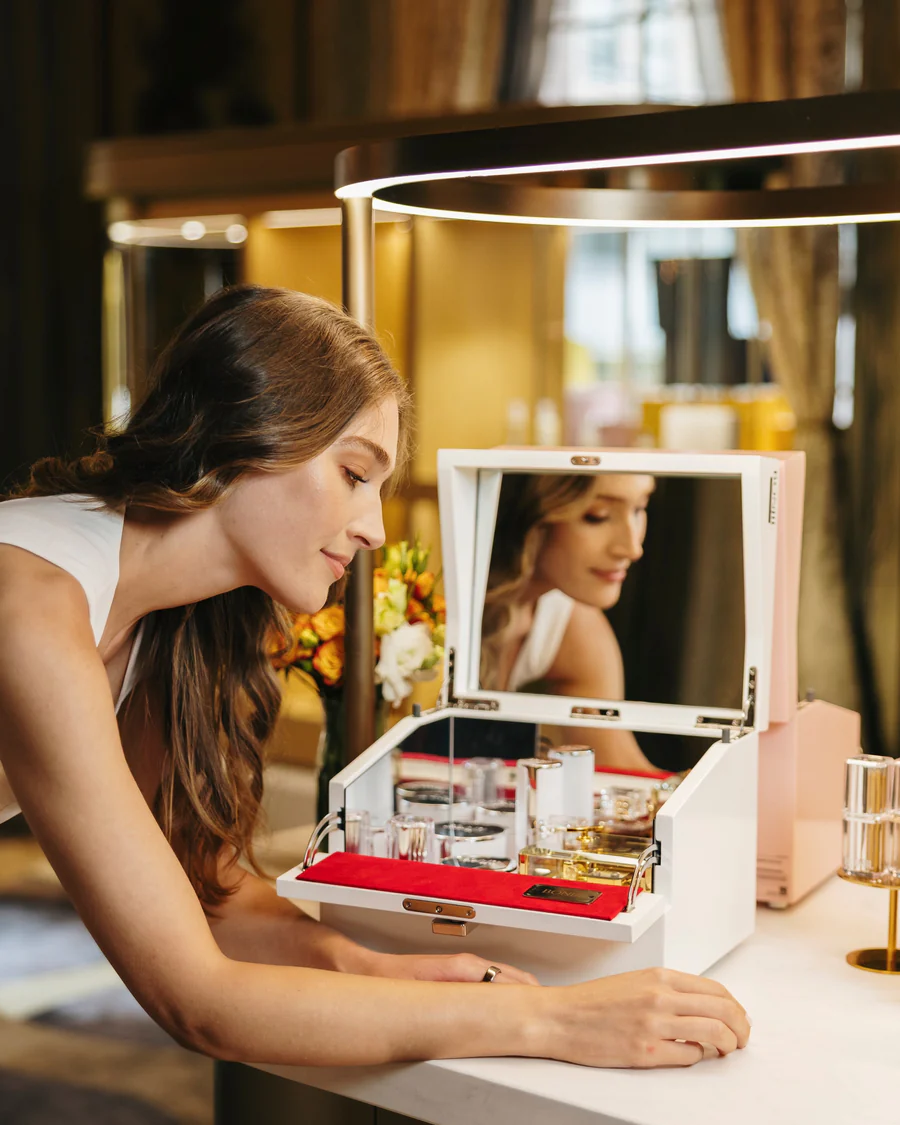
A luxury skincare ritual can support skin barrier recovery by combining clinically effective barrier repair ingredients with a consistent, mindful application routine. BONJIL's collections and the science behind ingredient selection both play a role.
Can BONJIL's Hydration and Caviar Collections Aid Barrier Repair?
Yes, BONJIL's Hydration and Caviar Collections can aid barrier repair by delivering ingredients that target the skin's lipid matrix and moisture retention. The Hydration Collection focuses on deep moisture replenishment, while La Signature Au Caviar provides nutrient-dense formulations with peptides and fatty acids that support stratum corneum integrity.
A meta-analysis published in Frontiers in Nutrition (2022, n=609) found that oral collagen supplementation significantly improved skin hydration, with a standardized mean difference of +0.77 (p < 0.00001), reinforcing the value of pairing topical rituals with internal support. Combining BONJIL's topical formulations with barrier-supportive nutrition creates a comprehensive recovery approach. For most people dealing with compromised barriers, investing in both sensory-rich topical care and evidence-backed supplementation yields faster, more sustained results.
What Are the Key Takeaways About Skin Barrier Repair Ingredients and How to Use Them?
The key takeaways about skin barrier repair ingredients and how to use them center on three principles: choose clinically validated actives, layer them correctly, and remain consistent.
-
Ceramides, cholesterol, and free fatty acids restore the stratum corneum's lipid matrix in an approximately equimolar ratio.
-
Niacinamide at 4% to 5% concentration reduces transepidermal water loss and improves elasticity.
-
Squalane stabilizes barrier function without triggering oxidative damage or inflammation.
-
Centella asiatica promotes collagen synthesis and accelerates skin cell migration through active compounds like asiaticoside.
-
Gentle cleansing, sun protection, and avoiding harsh surfactants prevent further disruption during recovery.
Barrier repair is not about using every active at once; it requires patience and strategic layering. Understanding your skin type, prioritizing lipid-replenishing and anti-inflammatory ingredients, and committing to a daily ritual are what ultimately restore resilience and long-term skin health.