Neuroscience in skincare is the study of biochemical communication between the nervous system and skin cells, revealing how emotional states directly shape skin barrier function, inflammation, and aging. This guide covers the neurobiology of the brain-skin connection, the emerging field of neurocosmetics, how specific emotions alter skin at a cellular level, the role of sensory experience and mindful rituals in skincare efficacy, and which skin conditions respond best to these approaches.
The brain and skin share embryonic origins in the ectoderm, which means sensory neurons, mast cells, and keratinocytes communicate in real time through neurotransmitters like serotonin and neuropeptides like substance P. This constant crosstalk allows emotional fluctuations to register physiologically in skin tissue before a person consciously recognizes them.
Neurocosmetics differs from traditional skincare by targeting neuroreceptors and neuropeptide pathways rather than surface symptoms alone. Ingredients like acetyl hexapeptide-8 modulate nerve signaling directly, while the broader category engages emotional pathways through formulation design.
Chronic stress, anxiety, depression, joy, and sleep quality each produce measurable changes in cortisol output, barrier integrity, and collagen synthesis. Conditions including eczema, psoriasis, stress-driven acne, rosacea, and premature aging all have well-documented neuroinflammatory triggers that respond to interventions addressing both emotional and biological dimensions.
Sensory elements such as gentle touch, calming scent, and ambient sound activate neurological reward pathways that lower cortisol and support skin repair. When these elements combine in consistent, mindful rituals, the nervous system builds a conditioned relaxation response that compounds both skin and emotional benefits over time.
What Is the Science Behind the Brain-Skin Connection?
The science behind the brain-skin connection centers on shared embryonic origins and constant biochemical crosstalk between the nervous system and the skin. The following subsections explore how skin functions as a neuroimmune organ, how neurotransmitters operate within skin tissue, and how the HPA axis drives visible skin changes.
How Does the Skin Function as a Neuroimmune Organ?
The skin functions as a neuroimmune organ by simultaneously perceiving environmental stressors and mounting immune responses through a dense network of nerve fibers, immune cells, and signaling molecules. Derived from the same embryonic ectoderm as the brain, skin contains sensory neurons, mast cells, and keratinocytes that communicate in real time.
According to research published by PMC (National Library of Medicine), skin has been confirmed as both an immediate stress perceiver and a target of stress responses, playing critical barrier and immune functions that maintain homeostasis between the external environment and internal tissues. This dual role means emotional states register physiologically in the skin before a person consciously recognizes them. For anyone building a skincare routine, understanding this neuroimmune function reframes skin health as inseparable from nervous system balance.
What Role Do Neurotransmitters Play in Skin Biology?
Neurotransmitters play a role in skin biology by acting as local chemical messengers that regulate inflammation, blood flow, pigmentation, and wound healing directly within skin tissue. Key neurotransmitters active in the skin include:
-
Serotonin modulates mood centrally while also influencing inflammation and vascular tone locally in skin.
-
Substance P triggers neurogenic inflammation, contributing to redness, swelling, and conditions such as acne and rosacea.
-
Beta-endorphins provide analgesic effects and support cellular repair processes in the epidermis.
-
Acetylcholine regulates sweat gland activity and keratinocyte differentiation.
Research published in Frontiers in Cardiovascular Medicine confirmed that local mast cells produce, store, and release serotonin into the extravascular space, partly under neural control. This local neurotransmitter activity explains why emotional fluctuations translate so quickly into visible skin changes.

How Does the Hypothalamic-Pituitary-Adrenal Axis Affect Skin?
The hypothalamic-pituitary-adrenal (HPA) axis affects skin by triggering a hormonal cascade that floods tissue with cortisol and corticotropin-releasing hormone (CRH) during periods of psychological stress. When the brain perceives a threat, the hypothalamus releases CRH, which stimulates the pituitary gland to secrete adrenocorticotropic hormone (ACTH), ultimately prompting the adrenal glands to produce cortisol.
Skin cells themselves express CRH receptors and can activate a localized version of this same axis independently. Elevated cortisol degrades collagen, impairs barrier function, and suppresses immune responses that protect against infection. Prolonged HPA activation creates a feedback loop where compromised skin sends distress signals back to the brain, perpetuating both emotional tension and visible skin deterioration. Recognizing this cycle is foundational to understanding how neurocosmetic approaches aim to interrupt stress at the skin level.
What Is Neurocosmetics and How Does It Differ from Traditional Skincare?
Neurocosmetics is a category of skincare that targets the communication pathways between the nervous system and skin cells. Traditional skincare addresses surface-level concerns; neurocosmetics works deeper by engaging neuroreceptors, neuropeptides, and emotional signaling. The subsections below explore how these ingredients interact with skin receptors, what neuropeptides do, and how emotional pathways become therapeutic targets.
How Do Neurocosmetic Ingredients Interact with Skin Receptors?
Neurocosmetic ingredients interact with skin receptors by binding to neuroreceptors and sensory nerve endings embedded throughout the epidermis and dermis. Unlike conventional actives that target keratinocytes or melanocytes alone, neurocosmetic compounds engage opioid receptors, vanilloid receptors, and cannabinoid receptors to modulate pain signaling, inflammation, and sensory perception at the cellular level.
This receptor-level activity connects skin biology to a broader biological network. The skin hosts approximately 10^12 microbial cells, according to research published by the National Library of Medicine, while the gut harbors roughly 10^14. This microbial density means neurocosmetic formulations must account for the microbiome's influence on receptor sensitivity and neurochemical balance. Ingredients that respect this ecosystem tend to produce more sustained results than those that override it.
What Are Neuropeptides and How Do They Work in Skincare?
Neuropeptides are short chains of amino acids that act as chemical messengers between nerve cells and skin tissue. In skincare, neuropeptides work by mimicking or modulating signals that control muscle contraction, inflammation, and collagen synthesis.
The most recognized neuropeptides in cosmetic formulations include:
-
Acetyl hexapeptide-8 relaxes facial micro-contractions to reduce expression lines.
-
Palmitoyl pentapeptide-4 stimulates collagen and fibronectin production in the dermal matrix.
-
Substance P modulators interrupt inflammatory cascades that accelerate visible aging.
These peptides differ from traditional retinoids or AHAs because they work through neurological signaling rather than chemical exfoliation or cell turnover acceleration. For most consumers seeking anti-aging results without irritation, neuropeptide-based formulations offer a gentler mechanism that still delivers measurable structural improvement.
How Do Neurocosmetics Target Emotional Pathways Through the Skin?
Neurocosmetics target emotional pathways through the skin by activating sensory receptors that trigger neurochemical responses in the central nervous system. When specific textures, temperatures, or bioactive compounds contact the skin, they stimulate C-tactile afferents and cutaneous nerve fibers that relay signals to the brain's limbic system, where emotions are processed.
According to Grand View Research, the global neurocosmetics market reached an estimated USD 1.94 billion in 2024, with projected growth at a CAGR of 8.5% through 2030. This expansion reflects growing consumer demand for products that address emotional wellbeing alongside visible skin improvement.
Formulations designed to release calming neuropeptides or activate endorphin pathways essentially turn application into a therapeutic moment. This is where neurocosmetics fundamentally separates from traditional skincare: the product becomes both a biochemical treatment and an emotional intervention. Understanding this dual mechanism sets the stage for examining how specific emotions and mental states reshape skin health at the cellular level.
How Do Emotions and Mental States Directly Affect Skin Health?
Emotions and mental states directly affect skin health through neurochemical pathways that alter barrier integrity, inflammation levels, and cellular repair. The following subsections explore how chronic stress, anxiety, depression, joy, and sleep deprivation each shape skin at a biological level.
How Does Chronic Stress Change Skin at a Cellular Level?
Chronic stress changes skin at a cellular level by elevating neuropeptides, cortisol, and pro-inflammatory mediators that degrade barrier function and accelerate aging. Sustained hypothalamic-pituitary-adrenal axis activation increases transepidermal water loss, thins the stratum corneum, and slows wound healing.
A 2021 study published in PMC found a statistically significant correlation between stress scale scores and serum substance P levels in acne vulgaris patients (r = 0.446; p = 0.014), confirming that psychological stress directly elevates inflammatory neuropeptides in the skin. Substance P triggers mast cell degranulation, sebaceous gland hyperactivity, and neurogenic inflammation. Over time, these cascading effects compromise collagen synthesis and impair the skin's ability to recover from daily environmental damage.

How Does Anxiety Trigger Inflammatory Skin Conditions?
Anxiety triggers inflammatory skin conditions by sustaining elevated cortisol and activating the neuroimmune axis, which primes the skin for chronic inflammatory responses. When anxiety persists, the body maintains a low-grade inflammatory state that manifests through conditions such as eczema flares, psoriasis plaques, and urticaria.
This cycle operates through several mechanisms:
-
Elevated cortisol suppresses antimicrobial peptide production, weakening skin immunity.
-
Increased mast cell activation releases histamine, causing redness and itching.
-
Heightened sympathetic nervous system activity restricts peripheral blood flow, impairing nutrient delivery to skin cells.
Anxiety-driven inflammation is particularly insidious because the visible skin symptoms often intensify the anxiety itself, creating a self-reinforcing psychodermatological loop that requires both emotional and dermatological intervention to break.
How Does Depression Alter Skin Barrier Function?
Depression alters skin barrier function by disrupting circadian cortisol rhythms, reducing motivation for self-care, and lowering levels of protective neurotransmitters like serotonin and beta-endorphins in cutaneous tissue. These neurochemical shifts impair keratinocyte proliferation and lipid synthesis in the stratum corneum.
When serotonin signaling diminishes, the skin's capacity to regulate inflammation and maintain moisture decreases. Depressive states also correlate with increased oxidative stress markers in epidermal cells, which accelerates cellular aging. Compounding the biological effects, individuals experiencing depression often neglect consistent skincare routines, further eroding barrier integrity. This combination of neurochemical disruption and behavioral withdrawal makes depression one of the most underestimated contributors to persistent skin barrier compromise.
How Does Joy and Positive Affect Improve Skin Resilience?
Joy and positive affect improve skin resilience by promoting the release of beta-endorphins, oxytocin, and serotonin, all of which support anti-inflammatory and reparative processes in cutaneous tissue. These neurochemicals enhance keratinocyte migration, strengthen tight junctions between epidermal cells, and modulate immune responses toward a balanced state.
Positive emotional states lower cortisol output, allowing the skin's natural repair mechanisms to function optimally. Improved peripheral circulation during states of happiness delivers more oxygen and nutrients to dermal layers. For practitioners of intentional skincare, this means that the emotional context surrounding a routine genuinely matters. Approaching skincare as a pleasurable ritual, rather than a chore, creates measurable neurochemical conditions that favor skin health and long-term resilience.
How Does Sleep Deprivation Disrupt Skin Repair Processes?
Sleep deprivation disrupts skin repair processes by suppressing growth hormone secretion, shortening the nocturnal repair window, and elevating cortisol during hours when it should be at its lowest. The majority of collagen synthesis and cellular turnover occurs during deep sleep stages, making adequate rest essential for skin regeneration.
Key disruptions from insufficient sleep include:
-
Reduced mitotic activity in basal keratinocytes, slowing epidermal renewal.
-
Impaired aquaporin function, leading to increased transepidermal water loss.
-
Elevated inflammatory cytokines that accelerate visible aging signs such as fine lines and dullness.
Even one night of poor sleep measurably increases perceived skin age. Consistently prioritizing restorative sleep remains one of the most effective, yet often overlooked, strategies for maintaining skin integrity over time. Understanding these emotional pathways clarifies why neuroscience-informed skincare addresses cortisol's specific role in aging.
What Is the Role of Cortisol in Skin Aging and Damage?
The role of cortisol in skin aging and damage centers on its ability to degrade collagen, impair barrier function, and accelerate visible signs of aging when chronically elevated. Prolonged psychological stress keeps cortisol levels high, triggering a cascade of structural and functional changes in skin tissue.
Cortisol breaks down collagen and elastin, the two proteins responsible for skin firmness and elasticity. This degradation leads to fine lines, wrinkles, and sagging that appear prematurely. Elevated cortisol also suppresses the synthesis of hyaluronic acid, reducing the skin's capacity to retain moisture.
Beyond structural damage, cortisol weakens the skin barrier. According to a 2025 study published in PMC, researchers observed a statistically significant difference (14.4%, p < 0.033) in mean transepidermal water loss values between moderately and mildly stressed panels, with higher stress correlating to greater barrier disruption. When this protective barrier falters, skin becomes more vulnerable to environmental irritants, allergens, and infection.
Cortisol also amplifies inflammation by stimulating pro-inflammatory cytokines while simultaneously suppressing immune defenses in the skin. This paradox creates conditions where chronic, low-grade inflammation persists unchecked, contributing to conditions such as:
-
Accelerated photoaging and hyperpigmentation
-
Increased sebum production linked to stress-related breakouts
-
Delayed wound healing and impaired cellular turnover
-
Heightened sensitivity and reactive skin conditions
The compounding nature of cortisol-driven damage is often underestimated in conventional skincare. Addressing only the visible symptoms while ignoring the neurohormonal driver limits long-term results. This is precisely where neuroscience-informed approaches offer a meaningful advantage, targeting not just what appears on the surface but the stress signaling that drives deterioration from within.
Understanding cortisol's central role in skin degradation reveals why the gut-brain-skin axis deserves equal attention.
How Does the Gut-Brain-Skin Axis Influence Skin Conditions?
The gut-brain-skin axis influences skin conditions through a bidirectional communication network linking intestinal microbiota, the central nervous system, and cutaneous immune function. Psychological stress disrupts gut barrier integrity, triggering systemic inflammation that manifests on the skin. Meanwhile, gut microbial imbalances alter neurotransmitter production, shifting immune signaling pathways that regulate conditions such as acne, eczema, and psoriasis.
Both the gut and skin harbor enormous microbial ecosystems. According to a 2021 review published in PMC (National Library of Medicine), the skin hosts approximately 10^12 microbial cells while the gut accounts for roughly 10^14 microbial cells. When stress hormones like cortisol compromise gut permeability, bacterial endotoxins enter systemic circulation and provoke inflammatory cascades that reach the skin.
This three-way signaling loop means that addressing only topical symptoms overlooks a significant driver of flare-ups. Gut dysbiosis can elevate pro-inflammatory cytokines, which in turn sensitize cutaneous nerve endings and worsen neurogenic inflammation. Conversely, a balanced microbiome supports short-chain fatty acid production, strengthening both intestinal and skin barrier function.
For anyone managing chronic or stress-reactive skin conditions, the gut-brain-skin axis represents one of the most underappreciated intervention points. Topical care and emotional regulation both matter, but neither reaches full potential without a well-functioning gut environment supporting them from within. Understanding sensory engagement during skincare adds another dimension to this holistic approach.
Why Does Sensory Experience Matter in Skincare Efficacy?
Sensory experience matters in skincare efficacy because touch, scent, and sound activate neurological pathways that directly influence skin biology and stress regulation. The following subsections explore how each sensory channel contributes.
How Does Touch Activate Neurological Reward Pathways?
Touch activates neurological reward pathways through specialized nerve fibers called C-tactile (CT) afferents, which respond to gentle, slow stroking and signal the brain's reward centers. According to research published in PMC (National Library of Medicine), dynamic stroking touch applied to the forearm at CT optimal velocity (1–10 cm/sec) elicited significantly greater activation in the zygomaticus major muscle of the cheek than faster strokes that did not optimally activate CTs. This facial muscle activation reflects a genuine positive emotional response. When skincare application mimics this gentle velocity, the ritual itself becomes a neurochemical event. Slow, intentional product application transforms a functional step into a moment that lowers stress signaling and reinforces emotional well-being through the skin.
How Do Scent and Aromatherapy Modulate Skin-Related Stress?
Scent and aromatherapy modulate skin-related stress by engaging the olfactory bulb, which connects directly to the amygdala and limbic system. This anatomical shortcut means fragrance bypasses conscious processing and immediately influences emotional regulation. Calming botanical compounds, such as lavender, chamomile, and sandalwood, can lower sympathetic nervous system activity when inhaled during skincare application. Reduced sympathetic arousal translates to lower cortisol output, which in turn supports skin barrier integrity. For this reason, thoughtfully formulated fragrances in skincare serve a functional purpose beyond aesthetics. Scent is one of the most underutilized tools in skincare efficacy, yet it offers one of the fastest routes to shifting the nervous system out of a stress state.
How Does Auditory Stimulation Influence Relaxation During Skincare?
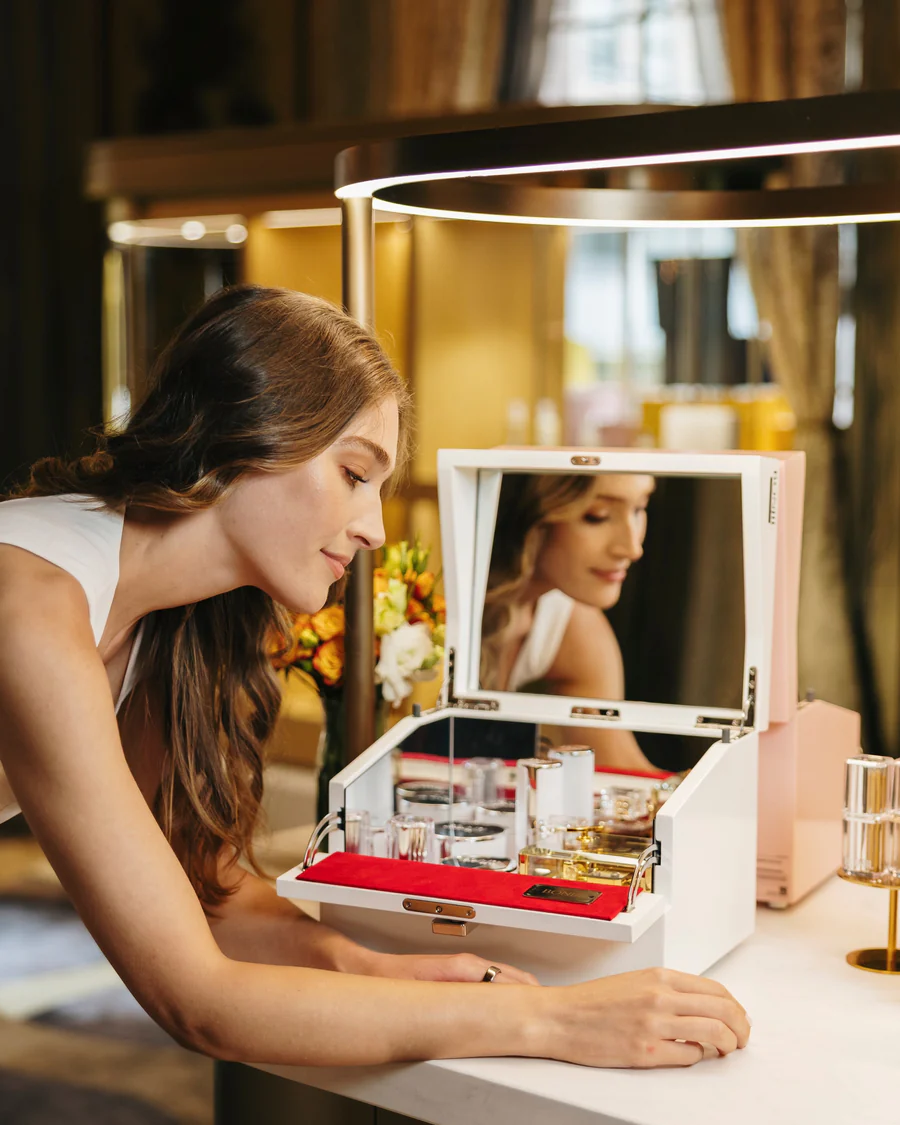
Auditory stimulation influences relaxation during skincare by entraining brainwave activity toward calmer frequencies, particularly alpha and theta states associated with reduced anxiety. Slow-tempo music and harmonic tones lower heart rate and promote parasympathetic dominance, creating physiological conditions where skin repair processes function more efficiently. Pairing calming sound with product application deepens the ritual's stress-reducing effect across multiple sensory channels simultaneously. This multisensory layering is why brands committed to holistic skincare, such as BONJIL with its Music Box collection, integrate auditory elements into the skincare experience. With sensory pathways primed for calm, mindful skincare rituals can further amplify these benefits.
What Is a Mindful Skincare Ritual and Why Does It Benefit Skin?
A mindful skincare ritual is an intentional, present-focused approach to applying skincare that engages the senses and calms the nervous system. It benefits skin by lowering stress hormones, improving product absorption, and building long-term resilience. The following sections explore how intentional application reduces cortisol, how ritualistic techniques enhance absorption, and how consistency retrains stress responses.
How Does Intentional Application Reduce Cortisol Levels?
Intentional application reduces cortisol levels by shifting the nervous system from a sympathetic (fight-or-flight) state into parasympathetic activation during skincare. Slow, deliberate movements combined with focused breathing interrupt the cortisol cascade that degrades collagen and weakens the skin barrier. A study published in PMC found that 83.33% of participants in a mindfulness-based intervention group reported low stress, compared to only 12.50% in the control group (P = 0.001). This measurable shift suggests that pairing mindfulness techniques with daily skincare creates a reliable cortisol-lowering window. For most people, the morning and evening skincare moments represent the easiest opportunities to embed this practice without adding extra time to the day.
How Does Ritualistic Skincare Enhance Product Absorption?
Ritualistic skincare enhances product absorption by increasing blood flow to the skin's surface through deliberate massage and focused touch. When application becomes rushed or mechanical, active ingredients sit on the surface rather than penetrating effectively. Gentle, rhythmic pressure stimulates microcirculation, which warms the tissue and opens pathways for serums and moisturizers to reach deeper epidermal layers. Relaxation during application also reduces the vasoconstriction that stress causes, keeping capillaries dilated and receptive. This is one reason why the same product can perform noticeably better when applied as part of a calm, unhurried ritual rather than a distracted routine.
How Does Consistency in Rituals Retrain Stress Responses?
Consistency in rituals retrains stress responses by creating a predictable sensory cue that the brain associates with safety and calm. Over time, repeated pairing of specific scents, textures, and touch patterns with a relaxed state builds a conditioned relaxation response. The nervous system begins downregulating cortisol output before the ritual even finishes, because it anticipates the calming outcome. This neuroplastic adaptation means the skin spends less cumulative time under stress-driven inflammation, allowing barrier repair and cell turnover to proceed uninterrupted. Building this kind of consistency is where a multisensory skincare experience becomes most powerful for long-term skin health.
Which Skin Conditions Are Most Responsive to Neurocosmetic Approaches?
The skin conditions most responsive to neurocosmetic approaches are those with well-documented stress-neuroinflammatory triggers. These include eczema, psoriasis, stress-driven acne, premature aging, and rosacea.
Eczema and Atopic Dermatitis
Eczema and atopic dermatitis are among the most responsive conditions to neurocosmetic approaches because their flare cycles are tightly linked to stress-mediated immune dysregulation. Cortisol surges triggered by emotional distress impair the skin barrier, increase transepidermal water loss, and activate mast cells that release histamine and inflammatory cytokines. Neurocosmetic ingredients targeting neuropeptide modulation can interrupt this cascade at the skin-nerve interface. Calming sensory rituals also reduce the psychological itch-scratch cycle, which is a major aggravating factor. For individuals whose eczema worsens predictably under emotional pressure, addressing the neurological input alongside topical barrier repair offers a more complete strategy than conventional moisturizers alone.
Psoriasis
Psoriasis is highly responsive to neurocosmetic strategies because psychological stress is a primary trigger for flare-ups. According to a study published by PMC (National Library of Medicine), more than 70% of psoriasis patients reported that stressful events caused a flare-up of their condition (p < 0.05). This connection is mediated by substance P and other neuropeptides that amplify keratinocyte proliferation and T-cell activation in the skin. By targeting these neurogenic pathways, neurocosmetic formulations can help modulate the inflammatory signaling that accelerates plaque formation. Combining neuropeptide-calming actives with mindful application rituals addresses both the biological and emotional dimensions of psoriasis management.
Acne Triggered by Psychodermatological Factors
Acne triggered by psychodermatological factors responds well to neurocosmetic approaches because stress directly influences sebum production and skin inflammation through neuropeptide signaling. A study published by PMC (National Library of Medicine) found a positive, statistically significant correlation between stress levels and serum substance P in acne vulgaris patients (r = 0.446; p = 0.014). Substance P stimulates sebaceous gland activity and promotes inflammatory mediator release, worsening breakouts during high-stress periods. Neurocosmetic formulations designed to down-regulate substance P at the cutaneous level can address this root cause. This makes stress-linked acne one of the clearest cases where emotional wellness interventions complement traditional topical treatments.
Premature Aging from Chronic Emotional Stress
Premature aging from chronic emotional stress is particularly responsive to neurocosmetic intervention because sustained cortisol elevation degrades collagen, impairs barrier function, and accelerates oxidative damage. A study published by PMC (National Library of Medicine) observed that moderately stressed individuals had 14.4% higher mean transepidermal water loss values compared to mildly stressed individuals (p < 0.033), demonstrating measurable barrier compromise under psychological pressure. Neurocosmetic actives that modulate stress-signaling neuropeptides can slow this degradation at the cellular level. When paired with sensory rituals that actively lower cortisol through touch and scent, the approach targets aging from both internal signaling and external repair pathways.
Rosacea and Neurogenic Inflammation
Rosacea and neurogenic inflammation are responsive to neurocosmetic approaches because rosacea flares are frequently triggered by neurovascular dysregulation. Emotional stress, anxiety, and even temperature perception activate sensory nerve fibers in the skin, releasing vasoactive neuropeptides like calcitonin gene-related peptide (CGRP) that dilate blood vessels and drive visible flushing. This neurogenic inflammatory pathway makes rosacea uniquely suited for interventions that calm cutaneous nerve activity rather than simply treating surface redness. Neurocosmetic formulations containing neuropeptide-modulating ingredients can reduce the frequency and intensity of these neurovascular episodes. For rosacea-prone skin, building a neuroscience-informed skincare routine may offer a meaningful path forward.
How Can You Build a Neuroscience-Informed Skincare Routine?
You can build a neuroscience-informed skincare routine by structuring morning and evening rituals around neurocosmetic principles and choosing ingredients that support emotional wellness. The following subsections cover what each ritual should include and how to select the right actives.
What Should a Morning Neurocosmetic Ritual Include?
A morning neurocosmetic ritual should include sensory-rich products and intentional application techniques that activate neurological reward pathways before the day begins. Gentle stroking motions at a slow, steady pace stimulate C-tactile afferent nerve fibers, which signal comfort and calm to the brain.
A complete morning ritual involves:
-
Cleansing with aromatic formulations that engage the olfactory system and set a positive emotional tone.
-
Applying serums using slow, upward strokes (approximately 1 to 10 cm per second) to activate C-tactile fibers linked to pleasure responses.
-
Layering a protective moisturizer containing neuropeptide-modulating actives that help maintain barrier function under daily stress.
-
Pausing for three intentional breaths during application to shift the nervous system toward a parasympathetic state.
Starting the day with this kind of deliberate, multisensory engagement primes both skin barrier resilience and emotional equilibrium for the hours ahead.

What Should an Evening Neurocosmetic Ritual Include?
An evening neurocosmetic ritual should include restorative products and calming sensory cues that signal the brain to transition into repair mode. Because nocturnal skin repair depends on reduced cortisol, the ritual's emotional dimension is just as important as the actives themselves.
An effective evening sequence involves:
-
Double cleansing with a balm or oil using slow circular motions that activate tactile pleasure receptors.
-
Applying a treatment serum with calming neuropeptides or adaptogens that counteract the day's accumulated stress signals.
-
Using a rich night cream or mask to reinforce the skin barrier during its peak overnight recovery window.
-
Incorporating ambient sound or soft music to deepen relaxation, reinforcing the ritual as a neurological wind-down cue.
According to a 2025 PMC study on mindfulness-based approaches, 83.33% of participants in the experimental group reported low stress post-intervention compared to 12.50% in the control group. Building consistency into evening rituals retrains the brain's stress response over time, compounding both skin and emotional benefits.
How Do You Choose Ingredients That Support Emotional Wellness?
You choose ingredients that support emotional wellness by selecting actives that interact with the skin's own neurotransmitter and neuropeptide pathways, not just surface-level hydration or exfoliation.
Key ingredient categories to prioritize include:
-
Neuropeptide modulators such as acetyl hexapeptide-8, which inhibits muscle micro-contractions linked to tension-driven expression lines.
-
Adaptogenic botanicals like ashwagandha and rhodiola that help regulate the local stress response within skin cells.
-
Aromatherapeutic compounds including lavender, bergamot, and sandalwood, which influence the limbic system through olfactory pathways.
-
Prebiotic and postbiotic actives that support the skin microbiome, a key node in the gut-brain-skin axis.
For most people building a neurocosmetic routine, prioritizing sensory texture and scent alongside proven actives yields better long-term adherence than focusing on ingredient potency alone. With these ingredient principles established, a multisensory skincare experience can take the connection between emotional wellness and skin health even further.
How Does a Multisensory Skincare Experience Enhance Emotional Wellness and Skin Health?
A multisensory skincare experience enhances emotional wellness and skin health by engaging touch, scent, and sound simultaneously to activate neurological reward pathways and reduce stress-driven skin damage. The following sections explore how BONJIL applies this approach and summarize the article's core insights.
Can BONJIL's Neurocosmetic Rituals and Sensory Music Boxes Deepen the Brain-Skin Connection?
Yes, BONJIL's neurocosmetic rituals and sensory music boxes can deepen the brain-skin connection by combining tactile application, aromatic formulations, and auditory calm into a single, integrated experience. BONJIL designs each product as part of a mindful ritual rather than a standalone topical treatment. The BONJIL Music Box collection provides calming melodies that create a soothing backdrop during skincare application, engaging auditory pathways alongside touch and scent. This layered sensory engagement matters because the skin functions as a neuroimmune organ, both perceiving and responding to stress signals. When multiple senses are activated in a relaxed state, the nervous system shifts toward parasympathetic dominance, potentially lowering cortisol output that compromises barrier function. BONJIL's tagline, "Beauty, Felt With Every Sense," reflects this philosophy directly. For those seeking skincare that addresses both visible concerns and the emotional patterns underlying them, this multisensory approach offers a meaningful path forward.

What Are the Key Takeaways About Neuroscience in Skincare and Emotional Wellness We Covered?
The key takeaways about neuroscience in skincare and emotional wellness we covered are:
-
The skin operates as a neuroimmune organ that both perceives stress and becomes a target of stress responses, making emotional state inseparable from skin health.
-
Neurotransmitters like serotonin and neuropeptides such as substance P are produced locally in skin tissue, directly linking mood biology to cutaneous function.
-
Chronic stress elevates cortisol, disrupts barrier integrity, and accelerates aging through measurable increases in transepidermal water loss.
-
Neurocosmetics represent a distinct category from traditional skincare, targeting neurological and emotional pathways rather than surface symptoms alone.
-
The gut-brain-skin axis connects digestive microbiota, neural signaling, and inflammatory skin conditions into one interdependent system.
-
Sensory inputs including touch, scent, and sound activate reward circuits that can counteract stress-mediated skin damage.
-
Mindful, ritualistic application transforms skincare from a passive step into an active stress-management practice.
Prioritizing emotional wellness alongside ingredient efficacy is no longer optional for meaningful skin outcomes; it is foundational.