Natural wrinkle reduction is the process of slowing visible skin aging through lifestyle habits, proven ingredients, and consistent care rather than invasive procedures. Collagen loss, UV exposure, and repetitive facial movement drive wrinkle formation; reversing their effects requires a multilayered approach.
This guide covers the biology behind wrinkle formation, daily protective habits, effective natural ingredients, anti-aging nutrition, facial massage techniques, skincare routine structure, lifestyle changes, and mindful rituals that amplify results.
Wrinkles develop as collagen production declines by roughly 1% per year throughout adult life, while UV radiation accounts for the vast majority of visible facial aging. Understanding these mechanisms reveals why early, consistent intervention matters more than any single product.
Daily habits form the first line of defense. Sun protection with broad-spectrum SPF remains the most impactful routine, while adequate hydration, quality sleep, and stress management each target a specific pathway of skin deterioration; cortisol from chronic stress alone can mimic the cellular hallmarks of aging.
Ingredients like bakuchiol, vitamin C at effective concentrations, hyaluronic acid, peptides, and cold-pressed botanical oils each address a different aging mechanism, from collagen synthesis to barrier repair. Pairing these with antioxidant-rich foods, omega-3 fatty acids, and collagen-supporting nutrients creates an internal foundation that topical care builds upon.
Regular facial massage improves elasticity and tone when practiced consistently, while proper product layering and timely exfoliation ensure active ingredients penetrate where they are needed most. Quitting smoking, limiting sugar to prevent glycation damage, and exercising regularly round out the lifestyle shifts that deliver compounding results over time.
Why Do Wrinkles Form as You Age?
Wrinkles form as you age due to a combination of internal biological decline and external environmental damage. The key factors include collagen loss, repeated facial movement, and diminishing skin elasticity.
What Role Does Collagen Loss Play in Wrinkle Formation?
Collagen loss plays a central role in wrinkle formation because collagen provides the structural framework that keeps skin firm and smooth. As collagen fibers break down and production slows, the dermis loses its supportive scaffolding, allowing visible creases to develop.
Diet accelerates this process in ways many people overlook. According to a report published by Skin Therapy Letter, dietary glycation caused by high sugar consumption leads to covalent cross-linking of collagen fibers, rendering them stiff and resistant to repair. This results in lost skin elasticity and the appearance of "sugar sag." Once collagen fibers become glycated, the damage is largely irreversible, making prevention through dietary choices particularly important for long-term skin health.
How Does Repeated Facial Movement Create Lines?
Repeated facial movement creates lines by placing dynamic stress on the skin's surface each time a muscle contracts. Expressions like squinting, frowning, and smiling fold the same areas of skin thousands of times over the years.
While young skin rebounds quickly after each contraction, aging skin gradually loses the ability to snap back. The result is that temporary expression lines become permanently etched grooves. Areas around the eyes, forehead, and mouth are especially vulnerable because the underlying muscles, such as the orbicularis oris, engage frequently during everyday activities like talking and eating. These dynamic wrinkles often appear years before gravity-related sagging becomes noticeable.
What Happens to Skin Elasticity Over Time?
Skin elasticity decreases progressively over time as both intrinsic aging and external damage compound. According to dermatological research cited by NCH Stats, chronologically aged skin shows a 68% reduction in type I procollagen in people over 80 relative to those aged 18 to 29, with overall collagen content decreasing by approximately 1% per year throughout adult life.
UV radiation dramatically accelerates this decline. The U.S. Environmental Protection Agency estimates that UV exposure is responsible for up to 80% to 90% of visible facial aging signs, including wrinkling and loss of elasticity. Combined with repetitive muscle contractions that create permanent dynamic wrinkles, these forces make early, consistent intervention one of the most effective strategies for preserving skin resilience.
Understanding these mechanisms is the first step toward building daily habits that actively slow the aging process.

What Daily Habits Help Prevent Wrinkles Naturally?
Daily habits that help prevent wrinkles naturally include consistent sun protection, adequate hydration, quality sleep, and stress management. Each of these routines targets a specific mechanism of skin aging.
How Does Sun Protection Reduce Premature Aging?
Sun protection reduces premature aging by shielding skin from UV radiation, the primary external driver of wrinkle formation and elasticity loss. Broad-spectrum sunscreen with SPF 30 or higher blocks the UV rays that degrade collagen fibers.
Pairing sunscreen with a topical vitamin C serum amplifies this defense. According to research published in the Journal of Clinical and Aesthetic Dermatology, topical L-ascorbic acid is most effective for anti-aging and photoprotection at concentrations between 10% and 20%, since levels above 20% do not increase absorption and may cause irritation.
Protective clothing, wide-brimmed hats, and seeking shade during peak UV hours further reduce cumulative photodamage. For anyone serious about wrinkle prevention, sunscreen is non-negotiable; it remains the single most impactful daily habit for preserving youthful skin.
Why Is Staying Hydrated Essential for Wrinkle Prevention?
Staying hydrated is essential for wrinkle prevention because water maintains skin cell volume, supports barrier function, and helps preserve a smooth, plump appearance. When the body is dehydrated, skin loses turgor and fine lines become more visible.
Adequate daily water intake supports several skin functions:
-
Maintains moisture levels in the stratum corneum, keeping the outer barrier supple.
-
Supports nutrient delivery to dermal cells that produce collagen and elastin.
-
Assists the body in flushing toxins that contribute to dullness and uneven texture.
Hydrating from the inside works best alongside moisture-locking skincare. Humectants like hyaluronic acid draw water into the skin, while occlusive layers seal it in. Combining internal hydration with topical moisture creates the most effective defense against dehydration-related wrinkling.
How Does Quality Sleep Affect Skin Renewal?
Quality sleep affects skin renewal by providing the body's primary window for cellular repair, collagen synthesis, and growth hormone release. During deep sleep stages, blood flow to the skin increases, delivering oxygen and nutrients that restore damaged tissue.
Sleep deprivation disrupts this cycle significantly. A 2019 study published in PubMed found that skin hydration levels are significantly reduced after just one day of sleep deprivation and continue to decrease with prolonged lack of sleep, affecting skin transparency, gloss, and desquamation.
Prioritizing seven to nine hours of uninterrupted rest each night gives skin the recovery time it needs. Sleeping on a silk pillowcase and elevating the head slightly can also reduce friction-based creasing and morning puffiness, both of which contribute to visible aging over time.
Can Reducing Stress Slow Down Skin Aging?
Yes, reducing stress can slow down skin aging by lowering cortisol levels that directly damage the skin's structural proteins. Cortisol, released during chronic psychological stress, accelerates the breakdown of collagen and elastin while impairing the skin's ability to recover from environmental damage.
According to research in the Journal of Investigative Dermatology, psychological stress-induced cortisol exposure leads to a significant reduction in the synthesis of hyaluronan and collagen in dermal fibroblasts, effectively mimicking the cellular hallmarks of skin aging.
Effective stress-reduction strategies for skin health include:
-
Meditation and deep breathing exercises to regulate cortisol output.
-
Regular physical activity, which lowers baseline stress hormones.
-
Consuming high-ORAC foods, such as spinach and blueberries, which increase antioxidant capacity and help counteract oxidative stress.
Building a calming ritual into daily life protects not only mental well-being but also the skin's ability to maintain firmness and resilience. With stress managed, the right natural ingredients can further support anti-aging results.

Which Natural Ingredients Are Most Effective Against Wrinkles?
The most effective natural ingredients against wrinkles include plant-based retinol alternatives, vitamin C, hyaluronic acid, peptides, and nourishing oils. Each targets a different mechanism of aging skin.
Retinol from Plant-Based Sources
Retinol from plant-based sources offers a gentler pathway to the same anti-aging benefits as synthetic retinoids. Bakuchiol, derived from the Psoralea corylifolia plant, is the most studied botanical alternative. According to a 12-week randomized double-blind study published in the British Journal of Dermatology, 0.5% bakuchiol cream was comparable to 0.5% retinol in significantly decreasing wrinkle surface area and hyperpigmentation, with significantly less scaling and stinging. This makes bakuchiol particularly valuable for sensitive skin types that cannot tolerate traditional retinol. Rosehip seed oil also delivers natural retinoids, including trans-retinoic acid, that support cell turnover without the harsh side effects conventional retinol formulations often produce.
Vitamin C and Antioxidant-Rich Botanicals
Vitamin C and antioxidant-rich botanicals neutralize free radicals and stimulate collagen synthesis in aging skin. L-ascorbic acid, the most bioavailable form of vitamin C, is most effective for anti-aging when formulated at concentrations between 10% and 20%, as a study published in the Journal of Clinical and Aesthetic Dermatology confirmed that levels above 20% do not increase biological absorption and may cause irritation. Botanical sources rich in antioxidants, such as green tea extract, sea buckthorn, and kakadu plum, complement topical vitamin C by providing polyphenols and flavonoids. These compounds help inhibit the enzymes responsible for collagen breakdown. For best results, vitamin C serums should be applied in the morning before sun protection.
Hyaluronic Acid for Deep Hydration
Hyaluronic acid provides deep hydration by holding up to 1,000 times its weight in water within the skin's extracellular matrix. This naturally occurring polysaccharide diminishes with age, contributing to volume loss and fine line visibility. Topical formulations with varying molecular weights penetrate different skin layers: low-molecular-weight hyaluronic acid reaches the dermis, while high-molecular-weight forms create a moisture-retaining film on the surface. This dual-weight approach plumps fine lines from within while smoothing the skin's outer texture. Plant-derived hyaluronic acid, produced through bacterial fermentation, delivers the same hydrating capacity as animal-sourced alternatives without ethical concerns.
Peptides and Amino Acid Complexes
Peptides and amino acid complexes are short chains of amino acids that signal skin cells to produce more collagen and elastin. Copper peptides, palmitoyl pentapeptide, and acetyl hexapeptide each target a specific aging pathway. Copper peptides promote wound healing and tissue remodeling. Palmitoyl pentapeptide stimulates collagen I and III production in fibroblasts. Acetyl hexapeptide relaxes facial micro-contractions, functioning as a topical alternative to muscle-relaxing injectables. Amino acids like proline, glycine, and lysine serve as the literal building blocks for new collagen fibers. Formulations combining multiple peptide types tend to deliver more comprehensive anti-aging results than single-peptide products.
Nourishing Oils and Essential Fatty Acids
Nourishing oils and essential fatty acids strengthen the skin barrier, reduce transepidermal water loss, and deliver fat-soluble antioxidants directly to aging skin. Key oils for wrinkle reduction include:
-
Argan oil supplies vitamin E and ferulic acid, which protect against oxidative damage.
-
Jojoba oil closely mimics human sebum, making it easily absorbed without clogging pores.
-
Rosehip oil contains linoleic and linolenic acids that support skin regeneration and even tone.
-
Marula oil provides oleic acid and proanthocyanidins for intense moisture and elasticity support.
Cold-pressed, unrefined oils retain the highest concentration of active compounds. Prioritizing ingredients with proven bioavailability ensures your anti-aging routine delivers measurable results, not just a luxurious feel.

What Anti-Aging Foods Support Youthful Skin?
Anti-aging foods support youthful skin by delivering antioxidants, essential fatty acids, and collagen-building nutrients that protect and repair from within. The following sections cover free radical-fighting produce, omega-3 sources for elasticity, and collagen-boosting foods.
Which Fruits and Vegetables Fight Free Radical Damage?
Fruits and vegetables fight free radical damage by supplying high concentrations of antioxidants that neutralize oxidative stress in skin cells. According to the USDA Agricultural Research Service, high-ORAC foods, such as spinach and blueberries, may help slow aging processes by significantly increasing the antioxidant capacity of human blood.
Other potent choices include:
-
Berries like strawberries and blackberries, which are rich in vitamin C and anthocyanins.
-
Dark leafy greens such as kale and Swiss chard, packed with beta-carotene and lutein.
-
Red and orange vegetables like bell peppers and sweet potatoes, dense in carotenoids.
Consistently incorporating these foods creates an internal defense system that complements any topical skincare routine.
How Do Omega-3 Fatty Acids Improve Skin Elasticity?
Omega-3 fatty acids improve skin elasticity by reinforcing cell membranes and reducing inflammatory responses that degrade collagen and elastin. Fatty fish like salmon, mackerel, and sardines are among the richest dietary sources, while plant-based options include walnuts, flaxseeds, and chia seeds.
These essential fats help the skin retain moisture at a cellular level, which keeps tissue supple and resilient against fine lines. When paired with consistent care practices, dietary omega-3 intake supports firmer, more flexible skin over time. A clinical evaluation published by Dermatology Times confirmed that consistent skin elasticity interventions produced statistically significant improvements in both gross and biological elasticity (p < 0.001).
Why Are Collagen-Boosting Foods Important for Aging Skin?
Collagen-boosting foods are important for aging skin because they supply the amino acids and cofactors the body needs to synthesize new collagen fibers. Since dermal collagen content decreases by approximately 1% per year throughout adult life, dietary support becomes increasingly valuable with age.
Key collagen-supporting foods include:
-
Bone broth, which provides glycine, proline, and hydroxyproline directly.
-
Citrus fruits and bell peppers, rich in vitamin C, an essential cofactor for collagen synthesis.
-
Eggs and lean poultry, delivering proline and lysine for structural protein production.
Nourishing skin from the inside with these nutrients creates a stronger foundation for any topical anti-aging ritual to build upon.

How Does Facial Massage Help Reduce Wrinkles?
Facial massage helps reduce wrinkles by increasing blood circulation, promoting lymphatic drainage, and improving skin elasticity over time. The following sections cover the most effective techniques and the ideal frequency for visible results.
What Techniques Stimulate Blood Flow and Firmness?
The techniques that stimulate blood flow and firmness include upward stroking, gentle kneading, and lymphatic drainage movements along the jawline, cheekbones, and forehead. Using fingertips in small circular motions around the eyes and mouth targets areas prone to fine lines. Gua sha tools and jade rollers amplify pressure distribution, helping move fluid buildup while encouraging microcirculation beneath the skin's surface. Always apply a facial oil or serum before massaging to reduce friction and protect delicate tissue. Consistent upward and outward strokes counteract gravitational pull, which contributes to sagging over time. For best results, each session should last five to ten minutes, focusing on one facial zone at a time.
How Often Should You Massage Your Face for Results?
You should massage your face at least three to five times per week for consistent results. According to a clinical evaluation published by Dermatology Times, at-home facial massage techniques significantly improved both gross elasticity and biological elasticity (p < 0.001) after consistent use, enhancing skin tone and contour. Most practitioners recommend daily sessions of five to ten minutes for optimal benefits, though even a few weekly sessions can yield noticeable improvements within several weeks. Pairing massage with nutrient-rich serums or oils maximizes absorption and supports the skin's natural repair processes. Regularity matters more than duration; short, frequent sessions outperform occasional lengthy ones for sustained firmness and wrinkle reduction.
With massage habits established, a consistent skincare routine amplifies these anti-aging benefits further.
What Role Does a Consistent Skincare Routine Play in Anti-Aging?
A consistent skincare routine plays a central role in anti-aging by ensuring active ingredients work synergistically over time. Product layering, regular exfoliation, and early prevention each contribute to measurable improvements in skin texture and firmness.
Why Is Layering Products in the Right Order Important?
Layering products in the right order is important because it determines how effectively each formula penetrates the skin. Thinner, water-based serums absorb best when applied before heavier creams and oils, which form an occlusive seal. Applying a rich moisturizer first can block lighter actives from reaching deeper layers of the epidermis. According to research published in the Journal of Cosmetic Dermatology, skincare products with a pH of less than 5.0 are beneficial for maintaining the skin microbiome and barrier integrity, since many enzymes involved in desquamation and lipid synthesis are pH-dependent. Sequencing pH-sensitive actives, such as vitamin C serums, before higher-pH moisturizers preserves their potency. For those building an anti-aging regimen, proper layering is one of the simplest ways to maximize results from every product applied.
How Does Exfoliation Promote Skin Cell Turnover?
Exfoliation promotes skin cell turnover by removing dead cells from the stratum corneum, revealing fresher skin beneath. This process accelerates the natural desquamation cycle, which slows considerably with age. Chemical exfoliants like alpha-hydroxy acids dissolve the bonds between dead cells, while physical exfoliants manually buff them away. Consistent, gentle exfoliation also improves the absorption of subsequent anti-aging ingredients, such as retinol and peptides. Over-exfoliation, however, compromises barrier function and triggers inflammation. Once or twice weekly is sufficient for most skin types seeking anti-aging benefits without irritation.
When Should You Start an Anti-Aging Skincare Ritual?
You should start an anti-aging skincare ritual in your mid-20s, when collagen production begins its gradual decline. Dermal collagen content decreases by approximately 1 percent per year throughout adult life, according to data referenced by NCH Stats. Starting with foundational steps like daily sunscreen, antioxidant serums, and gentle exfoliation establishes protective habits before visible signs appear. In your 30s, incorporating targeted treatments such as retinoids or peptide complexes addresses early fine lines. Regardless of age, beginning a consistent ritual today delivers compounding benefits; even mature skin responds positively to structured care. With a routine established, lifestyle factors further amplify these results.
Which Lifestyle Changes Make the Biggest Difference for Aging Skin?
The lifestyle changes that make the biggest difference for aging skin include quitting smoking, limiting sugar intake, and exercising regularly. Each targets a distinct mechanism of collagen degradation and skin deterioration.
How Does Quitting Smoking Reverse Skin Damage?
Quitting smoking reverses skin damage by allowing collagen synthesis to gradually recover and reducing oxidative stress on dermal tissue. Tobacco smoke accelerates matrix metalloproteinase (MMP) activity, which degrades existing collagen and elastin fibers. According to a study published in the American Journal of Public Health, smoking more than 20 pack-years is associated with a significantly increased risk of severe facial wrinkling, with an odds ratio of 2.8 in men compared to non-smokers.
Once smoking stops, blood flow to the skin improves, delivering more oxygen and nutrients to fibroblasts. Skin tone and texture often show visible improvement within several months. For anyone serious about natural anti-aging, eliminating tobacco is one of the most impactful single changes available.
Why Does Limiting Sugar Intake Help Prevent Wrinkles?
Limiting sugar intake helps prevent wrinkles because excess dietary sugar triggers glycation, a process that damages structural proteins in the skin. According to the Skin Therapy Letter, dietary glycation causes covalent cross-linking of collagen fibers, rendering them stiff and resistant to normal repair. This results in lost elasticity and visible sagging sometimes called "sugar sag."
Advanced glycation end products (AGEs) accumulate over time, making collagen and elastin increasingly brittle. Reducing refined sugars, processed carbohydrates, and high-fructose foods helps slow AGE formation. Prioritizing whole foods over sugary alternatives is, in my experience, one of the most underrated anti-aging strategies available; its effects compound significantly over years.
How Does Regular Exercise Benefit Skin Health?
Regular exercise benefits skin health by increasing blood circulation, which delivers oxygen and essential nutrients to dermal cells while flushing cellular waste. This enhanced blood flow supports fibroblast activity and helps maintain the synthesis of type I and type III procollagen. In chronologically aged skin, a marked decrease in procollagen synthesis, compounded by elevated MMP levels that degrade existing collagen, accelerates visible aging, as noted by research published in NCBI (PMC1606623).
Physical activity also lowers cortisol levels, reducing the stress-driven collagen breakdown that mimics premature aging at the cellular level. Even moderate consistent exercise, such as brisk walking or yoga, supports skin firmness over time. Combined with smoking cessation and reduced sugar intake, regular movement forms the foundation of a lifestyle that visibly slows skin aging.
Can a Mindful Skincare Ritual Enhance Your Anti-Aging Results?
Yes, a mindful skincare ritual can enhance your anti-aging results by combining proven ingredients with intentional, stress-reducing application. The sections below explore how BONJIL's approach supports natural anti-aging and summarize the key takeaways from this guide.
How Does BONJIL's Perfection Éternelle Collection Support Natural Anti-Aging?
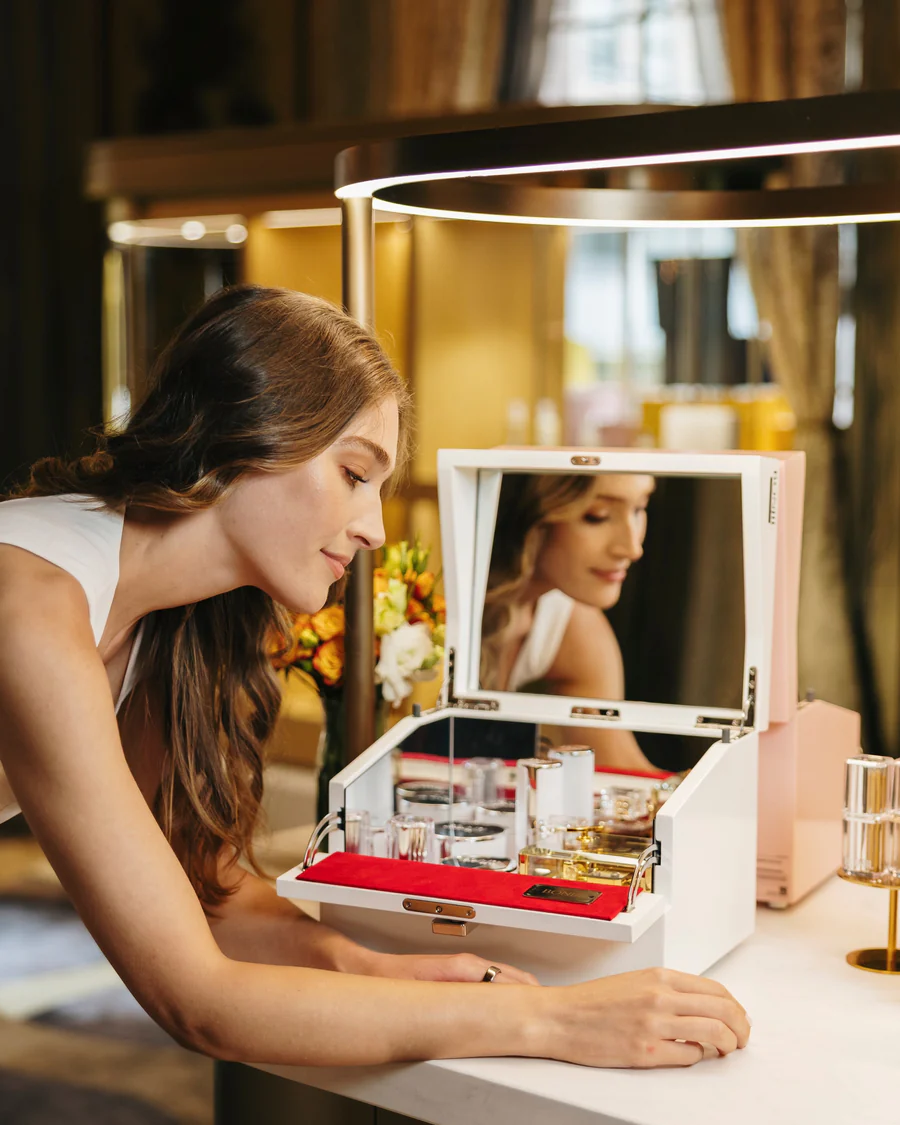
BONJIL's Perfection Éternelle Collection supports natural anti-aging by merging neurocosmetic science with a multisensory ritual designed to address both skin physiology and stress-related aging. Each product in the collection targets visible signs of aging, including fine lines, loss of firmness, and uneven tone, through carefully formulated active ingredients.
The ritualistic application method matters as much as the formulation itself. Since psychological stress triggers cortisol release that degrades collagen and hyaluronan in dermal fibroblasts, according to a study published in the Journal of Investigative Dermatology, transforming daily skincare into a calming sensory experience may help counteract stress-driven skin damage. BONJIL frames this philosophy as "Beauty, Felt With Every Sense," encouraging mindful, slow application that engages touch, scent, and sound through its companion Music Box collection. For those seeking natural wrinkle reduction, this integrated approach addresses aging from multiple angles simultaneously.

What Are the Key Takeaways About Natural Ways to Reduce Wrinkles?
The key takeaways about natural ways to reduce wrinkles center on consistency across multiple lifestyle and skincare strategies:
-
Protect against UV exposure daily, since photoaging accounts for up to 80% to 90% of visible facial aging signs.
-
Maintain skin hydration through barrier-supportive products and adequate water intake.
-
Prioritize quality sleep, as even one day of deprivation measurably reduces skin hydration levels.
-
Manage chronic stress, which elevates cortisol and accelerates collagen breakdown.
-
Choose proven natural ingredients such as bakuchiol, vitamin C, hyaluronic acid, and peptides.
-
Eat antioxidant-rich foods and limit sugar to prevent glycation-related collagen stiffening.
-
Practice regular facial massage to improve skin elasticity and tone.
-
Follow a consistent, layered skincare routine that combines these elements into an intentional daily ritual.
No single intervention eliminates wrinkles entirely. The most effective natural anti-aging strategy layers sun protection, nutrition, stress management, and high-quality skincare into a sustainable routine you maintain over time.