Aromatherapy is a holistic healing practice that uses essential oils extracted from plants to promote physical and psychological well-being through inhalation and topical absorption. Rooted in traditions stretching back to ancient Egypt and the healing practices of Hippocrates, aromatherapy engages the body's olfactory and nervous systems to produce measurable effects on mood, pain, cognition, and skin health.
This guide covers the biological mechanisms behind aromatherapy, the neuroscience and clinical evidence supporting it, its wide-ranging benefits, the most effective essential oils and application methods, aromatherapy's connection to skincare, and essential safety precautions.
Aromatherapy works through two primary pathways. Inhaled essential oil molecules bind to olfactory receptors and send signals directly to the limbic system, triggering the release of neurotransmitters like serotonin and dopamine. Lipophilic terpenes such as linalool and 1,8-cineole also absorb through the skin into the bloodstream, producing systemic anti-inflammatory and cognitive effects.
Clinical research validates these mechanisms. Randomized controlled trials show significant reductions in anxiety scores, while polysomnography studies confirm that lavender inhalation extends total sleep time and improves sleep efficiency. Ambient fragrances have also been shown to sharpen accuracy on cognitive tasks, and topical essential oil formulations reduce both pain markers and pro-inflammatory cytokines.
Each essential oil carries a distinct chemical profile that determines its therapeutic value. Lavender's linalool content drives its calming properties; eucalyptus's 1,8-cineole provides anti-inflammatory and respiratory support; tea tree oil meets ISO quality standards for antimicrobial efficacy. Application methods including diffusion, topical use, massage, and steam inhalation each deliver these compounds through different pathways.
Aromatherapy and skincare converge through neurocosmetics, where bioactive botanical ingredients interact with the skin-brain axis to support both barrier function and emotional well-being. Proper safety practices, from dilution guidelines to age-specific precautions, ensure these benefits are enjoyed without risk.
What Is Aromatherapy?
Aromatherapy is a holistic healing practice that uses essential oils extracted from plants to promote physical and psychological well-being. Its roots stretch across ancient civilizations, and today it encompasses inhalation, topical application, and diffusion methods supported by growing scientific interest.
The practice engages the sense of smell to help relieve symptoms such as pain, headaches, and anxiety, as described by the Mayo Clinic. While often associated with relaxation, aromatherapy's scope extends into clinical, cosmetic, and emotional wellness domains. Ancient Egyptians revered scent in cosmetic, medicinal, and religious practice, while the ancient Romans treated fragrance as a status symbol, using common plants such as lavender and rose in everyday life, according to the National Association for Holistic Aromatherapy (NAHA).
Hippocrates, often called the father of modern medicine, advocated the use of aromatic plants in his healing traditions between 460 and 370 BCE, as documented in research published through the National Institutes of Health. This deep historical lineage gives aromatherapy a foundation that modern science continues to explore and validate.
The global aromatherapy market reflects this sustained relevance. Grand View Research estimated the market size at USD 9,211.7 million in 2024, projecting growth to USD 15,172.4 million by 2030 at a CAGR of 8.9%. Such expansion signals increasing consumer and clinical demand for plant-based therapeutic approaches.
It is worth noting that regulatory classification matters. Under U.S. law, the FDA considers any aromatherapy product intended for therapeutic use, such as treating disease, relieving pain, or addressing anxiety, to be regulated as a drug. Products making such claims must meet FDA approval requirements for safety and effectiveness. This distinction between cosmetic and therapeutic intent shapes how essential oils are marketed, formulated, and used across the wellness and skincare industries.
Understanding what aromatherapy is provides the foundation for exploring how essential oils interact with the body's olfactory and nervous systems.
How Does Aromatherapy Work in the Body?
Aromatherapy works in the body through two primary pathways: inhalation, which activates the olfactory and limbic systems, and dermal absorption, which delivers compounds into the bloodstream. The following sections explain each mechanism.

How Do Essential Oils Interact With the Olfactory System?
Essential oils interact with the olfactory system when volatile aromatic molecules enter the nasal cavity and bind to receptors on olfactory sensory neurons. These neurons transmit signals to the olfactory bulb, the first relay station for processing scent. From there, output signals travel directly to the limbic system, which governs emotions and memory. According to research published in Frontiers in Pharmacology, inhalation of essential oils such as bergamot, lavender, and lemon can trigger the brain to release neurotransmitters like serotonin and dopamine, while lavender exerts calming effects by modulating GABAergic neurotransmission. Certain essential oil constituents, including limonene, linalool, and 1,8-cineole, are also capable of crossing the blood-brain barrier to exert direct anti-inflammatory and antioxidant effects on the central nervous system. This dual action, both neurochemical and neuroprotective, makes inhalation one of the most efficient delivery methods in aromatherapy.
How Does Inhalation Trigger a Response in the Limbic System?
Inhalation triggers a response in the limbic system because the olfactory pathway bypasses the thalamus and connects directly to limbic structures responsible for emotion, memory, and autonomic regulation. When scent molecules reach the olfactory bulb, signals propagate to the amygdala and hippocampus within milliseconds. This rapid, unfiltered connection explains why a single scent can instantly evoke a memory or shift an emotional state. EEG research has confirmed that inhaling specific essential oils activates signals across different frequency bands in various brain regions, providing neurophysiological evidence for how fragrance influences brain function. For most people, this limbic shortcut is what makes aromatherapy feel immediate and instinctive rather than gradual.
How Does Aromatherapy Affect the Nervous System?
Aromatherapy affects the nervous system by modulating both sympathetic and parasympathetic activity through neurochemical pathways. Calming oils like lavender promote parasympathetic dominance, slowing heart rate and lowering cortisol, while stimulating oils like peppermint can increase alertness by engaging sympathetic tone. It is worth noting that under U.S. law, if an aromatherapy product is intended for therapeutic use, such as claims to relieve pain, relax muscles, or treat anxiety, the FDA regulates it as a drug requiring approval for safety and effectiveness. This regulatory distinction underscores the potency these compounds can have on nervous system function. Choosing high-quality, properly tested essential oils matters precisely because their neurological effects are real and measurable.
How Are Essential Oils Absorbed Through the Skin?
Essential oils are absorbed through the skin when their small, lipophilic molecular structures penetrate the stratum corneum and enter the dermal bloodstream. According to research published in Natural Product Communications, terpenes such as linalool and 1,8-cineole can be detected in human blood plasma after dermal application, with 1,8-cineole specifically shown to improve attentional performance speed when applied topically. Clinical studies measuring transepidermal water loss (TEWL) have also demonstrated that specific essential oil formulations reduce water loss and promote skin barrier homeostasis. However, not all topical application is without risk; certain citrus essential oils contain bergapten, a phototoxic compound that can cause severe skin reactions when exposed to ultraviolet light. Proper dilution with carrier oils and awareness of photosensitivity guidelines remain essential for safe dermal use.
Understanding these body-level mechanisms reveals why the quality of essential oils directly shapes their therapeutic potential.
What Is the Science Behind Aromatherapy?
The science behind aromatherapy spans neuroscience, clinical research, and organic chemistry. The following sections explore how scent physically changes the brain, how the amygdala drives emotional responses, what clinical trials reveal about efficacy, and how volatile organic compounds produce measurable therapeutic effects.
What Does Neuroscience Research Say About Scent and the Brain?
Neuroscience research says that scent produces measurable structural and functional changes in the brain. Inhaling specific aromas does not simply create a pleasant sensation; prolonged exposure can physically reshape neural tissue. A 2024 randomized controlled study published in ScienceDirect's Brain Research found that continuous scent inhalation over a prolonged period significantly increased gray matter volume of the whole brain and the posterior cingulate cortex subregion in healthy women. The posterior cingulate cortex plays a central role in memory retrieval and emotional processing. These findings suggest aromatherapy may offer neuroprotective benefits that extend well beyond momentary relaxation, pointing toward lasting structural improvements in brain regions tied to cognition and mood regulation.

What Role Does the Amygdala Play in Aromatherapy Responses?
The amygdala plays a central role in aromatherapy responses by processing the emotional significance of inhaled scents. As part of the limbic system, the amygdala evaluates whether an odor signals safety, pleasure, or threat. Functional magnetic resonance imaging (fMRI) has demonstrated that the human amygdala exhibits large, statistically significant increases in bilateral activity during exposure to aversive olfactory stimuli, participating in the hedonic processing of scents. Pleasant essential oil aromas can activate the amygdala in ways that promote calm and positive emotional states. This direct scent-to-emotion pathway, which bypasses conscious thought, helps explain why aromatherapy can shift mood almost instantaneously.
What Does Clinical Evidence Say About Essential Oil Efficacy?
Clinical evidence says that essential oil efficacy is supported by controlled trials demonstrating measurable physiological and psychological outcomes. Researchers have moved beyond anecdotal reports to document specific, reproducible effects. According to a study published in Evidence-Based Complementary and Alternative Medicine, the major component of eucalyptus essential oil, 1,8-cineole (eucalyptol), is recognized for its potent anti-inflammatory properties and has been shown to reduce preoperative anxiety when inhaled. Clinical trials across multiple essential oils consistently show reductions in validated anxiety scales and inflammation biomarkers. For practitioners and consumers alike, this growing body of controlled research provides a credible foundation for integrating aromatherapy into wellness routines.
How Do Volatile Organic Compounds Produce Therapeutic Effects?
Volatile organic compounds produce therapeutic effects through their distinct molecular structures, which determine how they interact with biological systems. Essential oils are complex mixtures of VOCs categorized by functional groups:
-
Alcohols, such as linalool, provide calming and antimicrobial activity.
-
Aldehydes contribute anti-inflammatory and sedative properties.
-
Ketones support mucolytic and wound-healing functions.
-
Esters, like linalyl acetate, deliver antispasmodic and relaxing effects.
High-quality lavender essential oil (Lavandula angustifolia) typically contains linalool at 33.6–40.5% and linalyl acetate at 10.8–13.6%, according to research published in MDPI Molecules. These specific concentrations are what make chemical profiling essential for predicting therapeutic outcomes with any reliability.
Understanding the chemistry behind volatile compounds bridges the gap between traditional use and modern clinical application.
What Are the Benefits of Aromatherapy?
The benefits of aromatherapy span stress reduction, sleep improvement, mood enhancement, pain relief, cognitive support, and skin health. The following subsections break down each benefit with supporting evidence.
How Does Aromatherapy Help Reduce Stress and Anxiety?
Aromatherapy helps reduce stress and anxiety by activating the limbic system through inhaled essential oil molecules, which can modulate neurotransmitter activity and lower physiological stress markers. Oils such as lavender, bergamot, and ylang-ylang are among the most widely used for calming effects. When inhaled, these compounds influence serotonin and GABA pathways, promoting a measurable shift toward relaxation. For anyone building a daily wellness ritual, even a brief aromatic pause can interrupt the stress cycle more effectively than most people expect.
How Does Aromatherapy Improve Sleep Quality?
Aromatherapy improves sleep quality by promoting relaxation through olfactory stimulation that calms the central nervous system before and during rest. Lavender is the most studied oil for this purpose. A 2023 clinical study published in the Journal of the Chinese Medical Association found that lavender-based essential oil inhalation extended total sleep time and improved sleep efficiency in participants with poor sleep quality as measured by the Pittsburgh Sleep Quality Index (PSQI). Because scent bypasses conscious thought and acts directly on brain regions governing rest, incorporating aromatherapy into a nightly ritual offers a non-pharmacological path to deeper, more restorative sleep.
How Does Aromatherapy Affect Mood and Emotional Wellbeing?
Aromatherapy affects mood and emotional wellbeing by stimulating the release of neurotransmitters linked to positive emotional states. Citrus oils like orange and lemon are commonly associated with uplifting effects, while floral oils such as rose and geranium support emotional balance. Because scent is processed through brain areas that govern both emotion and memory, a familiar fragrance can shift mood almost instantly. This connection between scent and feeling is precisely why intentional aromatic rituals hold lasting value beyond simple fragrance enjoyment.
How Does Aromatherapy Support Pain and Inflammation Relief?
Aromatherapy supports pain and inflammation relief through both topical and inhalation pathways that target inflammatory mediators and pain perception. Essential oils containing compounds like menthol, eugenol, and linalool can interact with pain receptors and reduce pro-inflammatory cytokines when applied to affected areas. Eucalyptus and peppermint are frequently used for muscular discomfort, while ginger and frankincense target deeper inflammatory responses. For chronic conditions, consistent topical application as part of a broader wellness routine tends to yield the most noticeable results over time.
How Does Aromatherapy Enhance Focus and Cognitive Function?
Aromatherapy enhances focus and cognitive function by delivering stimulating volatile compounds that influence attentional processing in the brain. Peppermint and rosemary are the oils most associated with mental clarity. According to research published in Food Quality and Preference, ambient fragrances significantly improved accuracy on cognitive tasks such as the Stroop task, although reaction times remained unchanged, suggesting a specific enhancement of mental focus rather than processing speed. This distinction matters: aromatherapy sharpens precision, making it a practical tool during demanding mental work.
How Does Aromatherapy Benefit Skin Health?
Aromatherapy benefits skin health by delivering bioactive compounds that support barrier function, hydration, and microbial balance when properly diluted and applied topically. Tea tree oil is valued for its antimicrobial properties, while chamomile and lavender soothe irritation. Certain essential oil formulations have been shown to reduce transepidermal water loss, helping maintain skin hydration and integrity. For those seeking skincare that engages both body and mind, aromatherapy-infused formulations bridge functional efficacy with the sensory dimension of a complete ritual.
What Are the Most Effective Essential Oils Used in Aromatherapy?
The most effective essential oils used in aromatherapy include lavender, chamomile, eucalyptus, peppermint, rose, frankincense, and tea tree. Each oil contains distinct bioactive compounds that determine its therapeutic profile.
Lavender
Lavender essential oil (Lavandula angustifolia) is widely regarded as the most versatile oil in aromatherapy. Its therapeutic effects stem primarily from two compounds: linalool and linalyl acetate. According to a study published in MDPI Molecules, high-quality lavender oil typically contains linalool at 33.6–40.5% and linalyl acetate at 10.8–13.6%, which are responsible for its calming, analgesic, and sleep-promoting properties. These constituents modulate GABAergic neurotransmission, producing the sedative effect that makes lavender a foundational oil for relaxation blends and bedtime rituals.
Chamomile
Chamomile essential oil is prized for its soothing anti-inflammatory properties. German chamomile contains two key bioactive compounds: chamazulene, which gives the oil its distinctive blue color, and bisabolol, as identified by research published in Springer's Inflammopharmacology journal. These terpene-based constituents work synergistically to calm irritated skin and ease tension. Roman chamomile, though chemically distinct, shares a gentle profile suitable for sensitive applications. For anyone building a calming aromatherapy routine, chamomile pairs particularly well with lavender.
Eucalyptus
Eucalyptus essential oil is best known for its respiratory and anti-inflammatory benefits. Its major component, 1,8-cineole (eucalyptol), drives these effects. According to a study published in Evidence-Based Complementary and Alternative Medicine, 1,8-cineole is recognized for potent anti-inflammatory properties and has been shown in clinical studies to reduce preoperative anxiety when inhaled. This makes eucalyptus valuable beyond congestion relief; it supports mental clarity and calm under stress. Eucalyptus remains one of the most clinically studied oils in aromatherapy practice.
Peppermint
Peppermint essential oil (Mentha piperita) delivers stimulating, cooling, and analgesic effects. Its chemical complexity is notable. According to GC-MS profiling published in MDPI Beverages, commercial peppermint oils contain up to 112 compounds, with menthol levels ranging from 0.1% to 25.2% depending on cultivar and processing method. Menthol activates cold-sensitive receptors in the skin and nasal passages, producing the characteristic cooling sensation. This makes peppermint especially effective for headache relief and mental alertness, though quality varies significantly between sources.
Rose
Rose essential oil is one of the most complex and precious oils in aromatherapy. Producing a single ounce requires thousands of rose petals, which contributes to its premium cost. Rose oil contains over 300 identified compounds, including citronellol and geraniol, that contribute to its mood-elevating and skin-nourishing properties. Traditionally associated with emotional balance and heart-centered wellness, rose oil is frequently used in formulations targeting anxiety, grief, and hormonal fluctuations. Its rich, floral scent also makes it a cornerstone ingredient in luxury skincare rituals.
Frankincense
Frankincense essential oil contains boswellic acids and other terpenes studied for their ability to modulate inflammatory pathways, as noted in research published in Springer's Inflammopharmacology journal. Historically used in meditation and spiritual practices, frankincense promotes deep breathing and mental grounding. Its anti-inflammatory profile also makes it a popular choice for mature skin formulations. When inhaled, frankincense supports a contemplative state that complements mindfulness-based skincare routines. Few oils match its ability to bridge physical and emotional wellbeing.
Tea Tree
Tea tree oil (Melaleuca alternifolia) is standardized by ISO 4730, which requires a minimum terpinen-4-ol content of 30% and a maximum 1,8-cineole content of 15% to ensure antimicrobial efficacy and safety. This standardization, referenced in ISO documentation, makes tea tree one of the most quality-controlled essential oils available. Its broad-spectrum antimicrobial activity targets bacteria, fungi, and viruses, positioning it as a practical choice for blemish-prone skin and household applications.
Understanding each oil's unique chemistry helps guide selection for specific wellness goals, from calming rituals to respiratory support and skin care.

What Are the Different Methods of Aromatherapy Application?
The different methods of aromatherapy application are diffusion, topical application, massage therapy, and steam inhalation. Each method delivers essential oil compounds to the body through distinct pathways.
How Does Diffusion Deliver Aromatherapy Benefits?
Diffusion delivers aromatherapy benefits by dispersing essential oil molecules into the surrounding air, where they can be inhaled and absorbed through the respiratory system. Common diffuser types include ultrasonic, nebulizing, evaporative, and heat-based models.
Ultrasonic diffusers use water and vibrations to create a fine mist, while nebulizing diffusers break oils into micro-particles without water for a more concentrated output. Evaporative models rely on airflow across a pad or filter. For most home environments, ultrasonic and nebulizing diffusers offer the most consistent aromatic coverage without degrading the oil's volatile compounds through excessive heat.
How Does Topical Application Work in Aromatherapy?
Topical application works in aromatherapy by allowing essential oil compounds to absorb directly through the skin and enter the bloodstream. Because essential oils are highly concentrated, they require dilution in a carrier oil before skin contact.
Common carrier oils include jojoba, sweet almond, and coconut oil. Standard dilution ranges from 1% to 3% for adults, depending on the essential oil and intended use. Pulse points such as the wrists, temples, and behind the ears are popular application sites due to the thin skin and proximity to blood vessels. A patch test on a small area is always recommended before broader use.
How Is Aromatherapy Used During Massage Therapy?
Aromatherapy is used during massage therapy by blending diluted essential oils into the massage medium, combining the mechanical benefits of tissue manipulation with transdermal and inhalation-based absorption. The practitioner selects oils based on the client's goals, whether relaxation, muscle recovery, or mood support.
According to Grand View Research, the global aromatherapy market was estimated at USD 9,211.7 million in 2024 and is projected to reach USD 15,172.4 million by 2030, growing at a CAGR of 8.9%. This growth reflects increasing integration of aromatherapy into professional wellness and massage settings. Aromatherapy massage remains one of the most effective delivery methods because it activates both dermal absorption and olfactory pathways simultaneously.
How Does Steam Inhalation Work for Aromatherapy?
Steam inhalation works for aromatherapy by suspending essential oil molecules in hot water vapor, which carries them directly into the nasal passages and respiratory tract. According to the National Association for Holistic Aromatherapy, a common adult protocol involves adding up to 6 drops of essential oil to each ounce of boiling water, then inhaling for 5 to 10 minutes while covering the head with a towel.
This method concentrates the aromatic compounds in an enclosed space around the face, intensifying exposure to the volatile molecules. It is particularly well suited for respiratory support and sinus relief. Eyes should remain closed throughout the process to avoid irritation from the steam.
With application methods understood, knowing how aromatherapy connects to skincare reveals additional benefits.

What Is the Connection Between Aromatherapy and Skincare?
The connection between aromatherapy and skincare lies in shared botanical ingredients that deliver both therapeutic scent and active skin benefits. The following sections explore how plant extracts serve dual purposes and how fragrance elevates the skincare ritual.
How Do Botanical Extracts Bridge Aromatherapy and Skincare?
Botanical extracts bridge aromatherapy and skincare by providing bioactive compounds that benefit both the olfactory system and the skin simultaneously. Essential oils from lavender, chamomile, and rose contain terpenes and antioxidants that soothe skin while delivering calming aromas. This dual functionality means a single plant-derived ingredient can reduce inflammation on the skin's surface and trigger a relaxation response through inhalation. Neurocosmetics, a growing category within this intersection, takes the concept further. According to a 2021 study published in MDPI Cosmetics, neurocosmetics is defined as a category of skincare products formulated with bioactive ingredients that interact with the skin's nervous system and the skin-brain axis to influence emotional well-being and cutaneous homeostasis. For skincare brands grounded in sensory science, this convergence represents more than a trend; it reflects the biological reality that skin and brain share common pathways.
How Does Scent Influence the Skincare Experience?
Scent influences the skincare experience by transforming a functional routine into a multisensory ritual that engages both body and mind. When fragrant botanical compounds reach olfactory receptors during application, they activate limbic system pathways tied to emotion and memory. This means the simple act of applying a serum or cream can elicit calm, comfort, or invigoration depending on the scent profile. Thoughtfully chosen aromas encourage slower, more intentional application, which itself promotes better product absorption and mindful self-care. The emotional associations formed through repeated scent exposure also build deeper personal connections to a skincare practice over time. For anyone seeking both visible skin results and genuine emotional benefit, scent is not a secondary feature; it is a core functional element.
With aromatherapy's role in skincare clarified, understanding proper safety precautions ensures these benefits are enjoyed responsibly.
What Safety Precautions Should You Follow With Aromatherapy?
The safety precautions you should follow with aromatherapy include proper dilution, age-appropriate use, patch testing, and avoiding internal ingestion during pregnancy. Key guidelines cover skin sensitivity, photoxicity risks, and vulnerable populations.
Essential oils are highly concentrated plant extracts, and their potency demands careful handling. Always dilute essential oils in a carrier oil before topical application; undiluted use can cause skin irritation, sensitization, or chemical burns. A standard dilution of 1–3% is generally recommended for adults.
Certain citrus essential oils contain bergapten (5-methoxypsoralen), a phototoxic compound that can cause severe skin reactions when applied topically and then exposed to ultraviolet light. If using oils such as bergamot or lemon on the skin, avoid direct sun exposure for at least 12–24 hours.
Age-specific precautions are critical. According to Johns Hopkins Medicine, peppermint essential oil should not be used on children under 30 months of age due to an increased risk of seizures. Eucalyptus and rosemary oils also require caution around young children because of their high 1,8-cineole content, which can affect breathing.
Pregnant and breastfeeding women should avoid ingesting essential oils, as sufficient research to confirm internal safety for the developing baby does not yet exist. Even topical use during pregnancy warrants consultation with a healthcare provider, since some compounds can cross the placental barrier.
Additional precautions to follow include:
-
Perform a patch test on a small area of skin 24 hours before full application.
-
Store essential oils away from heat, light, and children to preserve potency and prevent accidental ingestion.
-
Never apply essential oils near the eyes, inner ears, or mucous membranes.
-
Consult a qualified aromatherapist or physician if you have asthma, epilepsy, or other chronic conditions.
-
Use only pure, GC-MS tested oils to avoid synthetic adulterants that may cause adverse reactions.
For anyone new to aromatherapy, starting with low concentrations and fewer oils reduces the likelihood of unexpected sensitivities. Prioritizing safety allows aromatherapy to remain an effective, enjoyable practice rather than a source of harm. Understanding these precautions sets the foundation for integrating scent into a thoughtful, multisensory skincare ritual.
How Can a Multisensory Skincare Ritual Enhance Aromatherapy?
A multisensory skincare ritual can enhance aromatherapy by engaging touch, scent, sight, and sound simultaneously, amplifying the neurological and emotional benefits of essential oils. The following sections explore BONJIL's neurocosmetic approach and key takeaways.
Can BONJIL's Neurocosmetic Approach Deepen Aromatherapy Benefits?
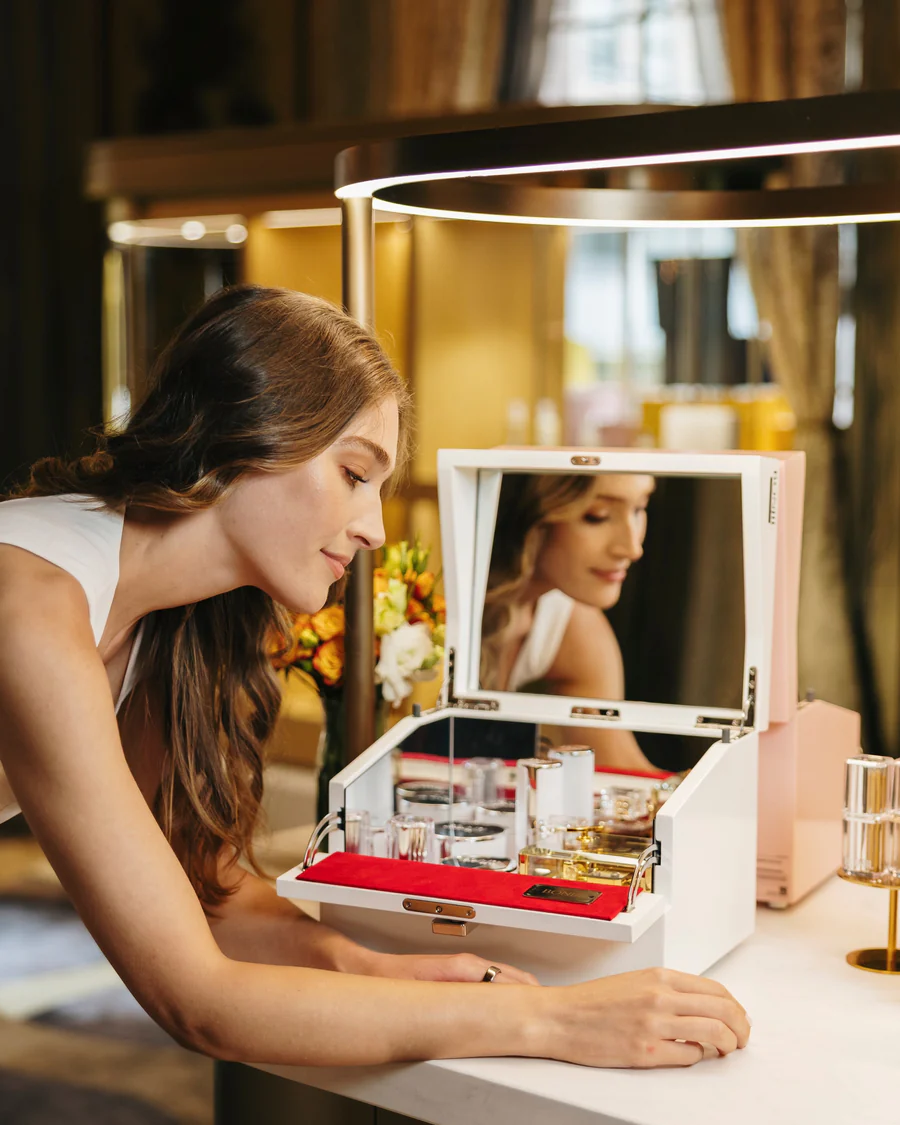
Yes, BONJIL's neurocosmetic approach can deepen aromatherapy benefits by formulating skincare products with bioactive ingredients that interact with the skin-brain axis. Neurocosmetics represents a category of skincare designed to influence emotional wellbeing and cutaneous homeostasis through the skin's nervous system. BONJIL builds on this science by transforming daily skincare into a deliberate sensory ritual. Each product engages multiple senses at once: botanical aromas activate olfactory pathways, luxurious textures stimulate tactile nerve receptors, and the BONJIL Music Box provides calming auditory cues. This layered stimulation creates a richer neurological response than scent alone can achieve. For anyone seeking to elevate aromatherapy beyond simple diffusion, integrating it into a mindful skincare ritual is one of the most practical and rewarding approaches available.
What Are the Key Takeaways About How Aromatherapy Works?
The key takeaways about how aromatherapy works center on three core mechanisms:
-
Olfactory-limbic pathway activation: Inhaled essential oil molecules bind to receptors in the nasal epithelium and send signals directly to the limbic system, triggering neurotransmitter release that influences mood, stress, and sleep.
-
Dermal absorption: Terpenes such as linalool and 1,8-cineole penetrate the skin, enter the bloodstream, and produce systemic anti-inflammatory and cognitive effects.
-
Volatile compound bioactivity: The therapeutic profiles of essential oils depend on their specific chemical constituents, which is why sourcing and quality standards matter.
According to the National Association for Holistic Aromatherapy (NAHA), aromatherapy integrates these pathways to support both physical and psychological wellbeing. Pairing aromatherapy with a consistent, multisensory skincare ritual strengthens these benefits through sustained, intentional engagement with scent.