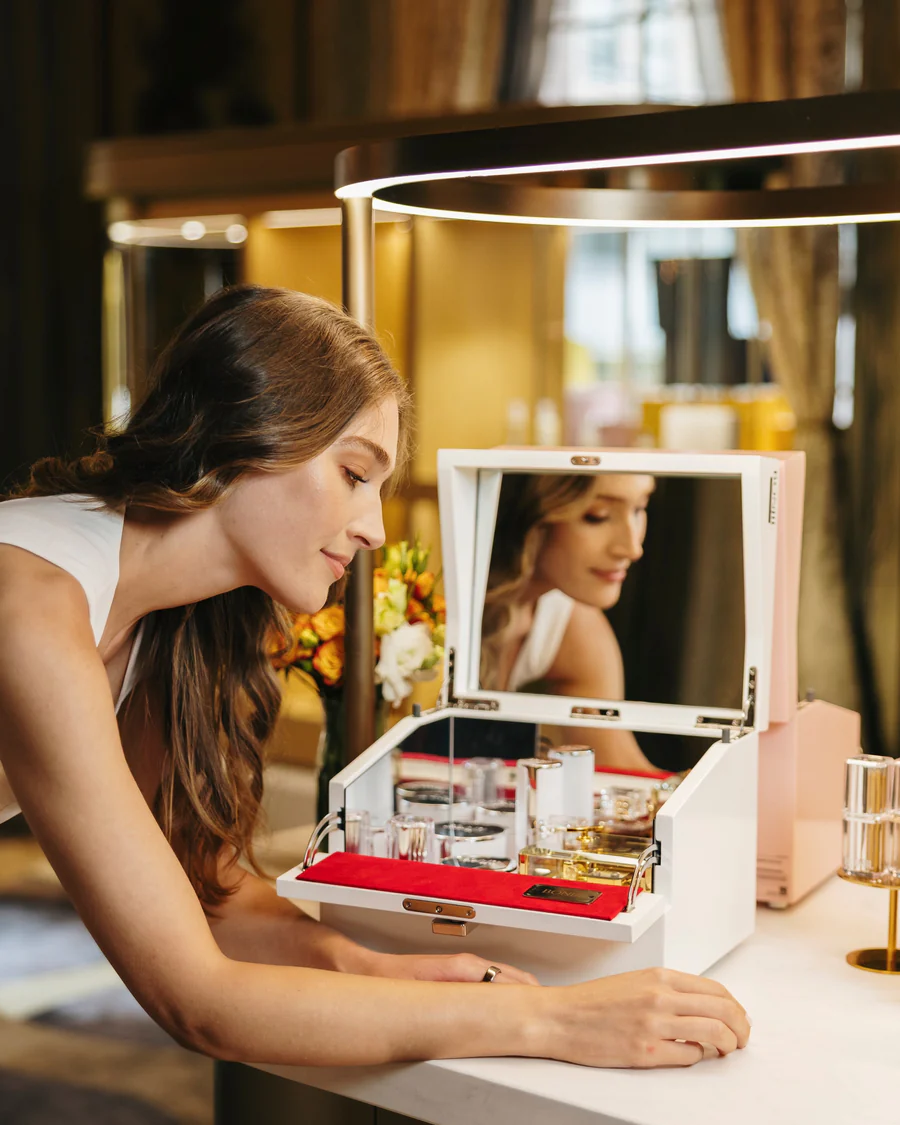
Neurocosmetics for rosacea are skincare formulations designed to target the communication pathways between facial sensory nerves and the brain, addressing the neurogenic inflammation that drives flushing, burning, and persistent redness. Rather than treating surface symptoms alone, these products work along the skin-brain axis to calm overactive nerve signaling at its source.
This guide covers the science behind rosacea's neurogenic mechanisms, the most reviewed neurocosmetic ingredients, expert and user perspectives on real-world results, common criticisms of the category, product selection for reactive skin, and how sensory skincare rituals fit into a comprehensive management plan.
Rosacea is driven by dysfunctional neuropeptide activity, particularly CGRP and substance P, which trigger vasodilation and inflammation through sensory C fibers. Stress compounds this process by activating TRPV1 receptors already upregulated in rosacea skin, making conventional topicals insufficient for many sufferers.
The ingredients generating the most clinical attention include niacinamide for barrier repair and erythema reduction, neurosensory peptides that modulate capillary dilation, TRPV1 receptor blockers that interrupt abnormal flushing cascades, and adaptogens like Reishi that regulate cortisol-driven neuroinflammation.
Dermatologists view neurocosmetics as scientifically promising yet still evolving; most position them as complementary to prescriptions rather than replacements. User reviews reflect this: mild rosacea responds most consistently, while moderate to severe cases benefit primarily when neurocosmetics are layered alongside clinical treatments.
Choosing the right formulation requires avoiding sensory-activating ingredients like menthol and capsaicin derivatives, prioritizing lightweight textures, and selecting fragrance-free or low-sensory options that protect rather than provoke reactive skin.
What Are Neurocosmetics and How Do They Differ from Traditional Skincare?
Neurocosmetics are cosmetic products designed to target the communication pathways between the skin and the nervous system. They differ from traditional skincare by addressing neurosensory mechanisms rather than surface-level symptoms alone. The distinctions involve their scientific foundation, active ingredients, and intended outcomes.
Traditional skincare typically focuses on hydrating, exfoliating, or protecting the skin's outermost layers. Neurocosmetics take a fundamentally different approach. According to a report in Clinics in Dermatology, bidirectional communication between the skin and brain has emerged as a promising scientific paradigm in dermatology and cosmetic medicine, with neurocosmetics designed to target neurocutaneous and neuroimmune mechanisms. Rather than simply moisturizing or reducing visible blemishes, these formulations interact with sensory nerve endings, neuropeptide receptors, and stress-response pathways embedded within the skin itself.

The key differences between neurocosmetics and traditional skincare include:
-
Target layer: Traditional products act on the epidermis and stratum corneum, while neurocosmetics engage cutaneous nerve fibers and neuroinflammatory pathways.
-
Active mechanisms: Conventional formulas rely on emollients, humectants, and antioxidants; neurocosmetics use neurosensory peptides, TRPV1 modulators, and adaptogenic compounds.
-
Intended outcome: Standard skincare treats visible symptoms such as dryness or uneven tone, whereas neurocosmetics aim to calm the nervous system's contribution to skin reactivity.
-
Sensory experience: Traditional products prioritize texture and fragrance for appeal; neurocosmetics intentionally leverage sensory input to influence neurological well-being alongside skin health.
This distinction matters significantly for conditions like rosacea, where neurogenic inflammation drives much of the visible damage. For anyone dealing with persistent flushing or burning that standard creams cannot resolve, the neurocosmetic model offers a more targeted framework. Understanding why rosacea responds particularly well to this approach requires examining the skin-brain connection more closely.
Why Is Rosacea Particularly Suited to a Neurocosmetic Approach?
Rosacea is particularly suited to a neurocosmetic approach because the condition is fundamentally driven by neurogenic mechanisms, including dysfunctional nerve signaling, neuropeptide overactivity, and stress-triggered inflammation. The following subsections explore the skin-brain connection, neuropeptide involvement, and stress-induced neurogenic pathways.
How Does the Skin-Brain Connection Influence Rosacea Flare-Ups?
The skin-brain connection influences rosacea flare-ups through bidirectional communication between cutaneous sensory nerves and the central nervous system. When the brain perceives stress, anxiety, or emotional triggers, it sends signals that activate sensory nerve fibers in facial skin. These activated nerves release inflammatory mediators that cause vasodilation, flushing, and burning sensations characteristic of rosacea episodes.
This neurocutaneous loop means that emotional states directly worsen skin symptoms, while visible flare-ups increase psychological distress, perpetuating the cycle. Because rosacea operates along this nerve-driven axis rather than through purely surface-level dysfunction, topical approaches that only address skin barrier or bacteria miss the underlying neural driver. Neurocosmetics target this connection at its source, making them a logical strategy for a neurologically mediated condition.
What Role Do Neuropeptides Play in Rosacea Inflammation?
Neuropeptides play a central role in rosacea inflammation by acting as chemical messengers that trigger vasodilation, immune cell recruitment, and pain signaling in facial skin. Calcitonin gene-related peptide (CGRP) is among the most significant. CGRP, a proinflammatory neuropeptide expressed in unmyelinated sensory nerve fibers, directly promotes the erythema and flushing that define rosacea.
According to research published in the Journal of the European Academy of Dermatology and Venereology, local administration of CGRP induces skin reddening, and even low intravenous doses cause flushing, confirming its role in rosacea-associated erythema. Substance P, another key neuropeptide, amplifies this response by increasing microvascular permeability. Neurocosmetic formulations that modulate these neuropeptide pathways address rosacea inflammation at its neurogenic origin rather than merely suppressing visible symptoms.
How Does Stress-Induced Neurogenic Inflammation Trigger Rosacea?
Stress-induced neurogenic inflammation triggers rosacea through a cascade that begins with TRPV1 receptor activation on sensory neurons. TRPV1 activation stimulates C fibers to release vasoactive peptides, including CGRP and substance P, which cause vasodilation, plasma extravasation, and inflammation in facial tissue. Chronic stress compounds this process by elevating cortisol levels, further destabilizing immune regulation and skin barrier integrity.

This neurogenic subtype responds poorly to standard treatments. As reported in Annals of Dermatology, neurogenic rosacea, first described in 2011, is characterized by marked neurovascular dysregulation and poor responsiveness to conventional therapies, with neuromodulators used in only 16% of cases due to limited evidence. Adaptogens like Reishi help counteract this pathway by regulating cortisol and reducing stress-driven inflammation. For rosacea that resists traditional interventions, neurocosmetics targeting these stress-nerve-skin pathways offer a more mechanistically aligned option.
With the neurogenic basis of rosacea established, the next step is examining which neurocosmetic ingredients address these pathways most effectively.
What Neurocosmetic Ingredients Are Most Reviewed for Rosacea?
The neurocosmetic ingredients most reviewed for rosacea include niacinamide, neurosensory peptides, TRPV1 receptor blockers, and adaptogens. Each targets a different point along the neuroinflammatory cascade that drives rosacea symptoms.

How Does Niacinamide Calm Neurosensory Pathways in Rosacea?
Niacinamide calms neurosensory pathways in rosacea by strengthening the stratum corneum barrier and reducing inflammatory mediators that trigger erythema. A compromised barrier allows environmental irritants to activate sensory nerve endings more easily, perpetuating the cycle of flushing and irritation.
According to a study published in Clinical, Cosmetic and Investigational Dermatology, rosacea subjects treated with a formulation containing niacinamide, hyaluronic acid, and probiotic fractions showed significant erythema improvement at both 15 days (p<0.01) and 30 days (p<0.001), alongside measurable gains in skin hydration and reduced transepidermal water loss. Separate research confirms that niacinamide-containing moisturizers improve barrier function with no significant side effects and good long-term tolerability.
For rosacea-prone skin, niacinamide stands out as one of the most evidence-supported neurocosmetic actives available today.
What Do Reviews Say About Neurosensory Peptides for Redness?
Reviews say neurosensory peptides for redness show promising results, particularly for calming reactive, sensitive skin prone to visible flushing. These peptides work by modulating sensory nerve signaling at the cutaneous level, intercepting inflammatory cascades before they manifest as redness.
According to research published in Pharmaceuticals, palmitoyl tripeptide-8 significantly reduced the number of dilated capillaries and the size of dilated vessels in skin explants exposed to substance P. Other commonly reviewed peptides in sensitive skin formulations include acetyl dipeptide-1 cetyl ester and acetyl tetrapeptide-15. While clinical data specific to rosacea remains limited, the mechanism of action aligns directly with the neurogenic inflammation that characterizes the condition. Peptide-based neurocosmetics deserve closer attention from formulators targeting rosacea.
How Effective Are TRPV1 Receptor Blockers for Rosacea Flushing?
TRPV1 receptor blockers are effective for rosacea flushing because they target a receptor that is upregulated in rosacea patients, directly reducing neuronal activation and the abnormal vasodilation responsible for persistent redness. When TRPV1 fires excessively, it triggers sensory C fibers to release vasoactive peptides that amplify inflammation.
According to research in Frontiers in Pharmacology, TRPV1 antagonists can block erythema and burning caused by capsaicin exposure while also demonstrating anti-anxiety effects that may benefit rosacea patients dealing with stress-triggered flares. Botanically derived TRPV1-modulating ingredients are also gaining traction; a two-center randomized controlled trial found that a Centella asiatica facial mask used three times weekly for six weeks significantly improved flushing, skin dryness, and lesion severity in rosacea patients (p<0.05).
What Do Users Report About Adaptogens in Neurocosmetic Rosacea Care?
Users report that adaptogens in neurocosmetic rosacea care help reduce stress-related flare-ups and promote calmer, more resilient skin over time. The appeal of adaptogens lies in their ability to modulate the body's stress response, which directly influences neurogenic inflammation in rosacea-prone skin.
According to research published in Molecules, extracts of Rhodiola rosea, Eleutherococcus senticosus, and Withania somnifera decrease expression of genes governing pro-inflammatory leukotriene biosynthesis, while also modulating NF-κB signaling pathways. Reishi mushroom, another widely reviewed adaptogen, helps regulate cortisol levels with antioxidant and anti-inflammatory properties that soothe irritated skin and reduce redness. Although large-scale clinical trials specific to rosacea are still needed, adaptogens address the stress-inflammation axis that conventional topicals often overlook.
Understanding these ingredient categories helps clarify which neurocosmetic products align with specific rosacea triggers.
What Do Dermatologists and Experts Think About Neurocosmetics for Rosacea?
Dermatologists and experts think neurocosmetics for rosacea represent a scientifically promising but still-evolving approach. Clinical interest centers on how these formulations target the neurogenic pathways underlying rosacea, though experts note the evidence base remains limited. The following subsections were not included in the provided outline, so this section addresses the H2 directly.
The dermatological community increasingly recognizes the skin-brain axis as a valid framework for understanding rosacea. According to a 2025 review in Clinics in Dermatology, bidirectional communication between the skin and brain has emerged as a promising scientific paradigm in dermatology and cosmetic medicine, with neurocosmetics designed to target neurocutaneous and neuroimmune mechanisms. This positions neurocosmetics as more than a marketing trend; they are rooted in observable neuroinflammatory biology.
Expert opinion, however, remains cautiously optimistic rather than fully endorsing. Clinicians point to several factors shaping their perspective:
-
Neurocosmetic ingredients like niacinamide, neurosensory peptides, and TRPV1-targeting compounds have individual clinical support, but few large-scale trials evaluate them specifically within neurocosmetic formulations for rosacea.
-
The current evidence base for neuromodulators in rosacea is limited primarily to small case reports and retrospective case-control studies, with no standardized treatment protocols.
-
Most dermatologists view neurocosmetics as complementary to prescription treatments rather than standalone solutions, particularly for moderate to severe subtypes.
-
Neurogenic rosacea, characterized by marked neurovascular dysregulation, responds poorly to conventional therapies, which makes neuroscience-informed skincare an area of genuine clinical curiosity.
For practitioners who treat rosacea daily, the appeal of neurocosmetics lies in addressing what traditional topicals often miss: the sensory and stress-mediated triggers that perpetuate flare cycles. Calming overactive nerve signaling through cosmetic formulations offers a low-risk adjunctive strategy, especially for patients whose skin reacts to pharmacological interventions. This nuanced stance suggests neurocosmetics occupy a meaningful, if still developing, place in comprehensive rosacea management. Understanding expert perspectives helps frame realistic expectations when evaluating real user reviews.
What Are Real User Reviews and Opinions on Neurocosmetics for Rosacea?
Real user reviews and opinions on neurocosmetics for rosacea vary by severity level. Mild cases report the most consistent satisfaction, while moderate to severe cases show mixed results. The following sections break down feedback by rosacea severity and long-term use.
What Do Users With Mild Rosacea Say About Neurocosmetic Results?
Users with mild rosacea say neurocosmetic results are generally positive, particularly with niacinamide-based formulations targeting early-stage redness and sensitivity. Because mild rosacea affects a broad population (global prevalence sits at 5.1%, peaking in the 25-to-39 age group at 3.7%), user feedback spans diverse skin types and demographics. According to a double-blind, randomized clinical trial published in Dermatology Research and Practice, 4% niacinamide was effective in approximately 40% of rosacea patients, showing outstanding clinical results. This aligns with user reports describing reduced baseline redness and improved skin comfort within weeks.
The underlying science supports these experiences. Elevated plasma CGRP levels in rosacea patients confirm a neurogenic component that neurocosmetics are specifically designed to address through neurocutaneous and neuroimmune mechanisms. For mild presentations, where neurogenic inflammation is less entrenched, these targeted formulations appear to deliver the most reliable improvements.
What Do Users With Moderate to Severe Rosacea Report?
Users with moderate to severe rosacea report more inconsistent results from neurocosmetics alone. Many describe partial improvement in stinging and background redness, yet persistent papules, pronounced flushing, and vascular changes often remain. According to research published in the Annals of Dermatology, the current evidence base for neuromodulators in rosacea is limited primarily to small case reports and retrospective case-control studies, with no standardized treatment protocols. This evidence gap mirrors the mixed feedback from users managing more advanced disease.
Most users in this category find neurocosmetics work best as complementary products alongside prescription therapies rather than standalone solutions. Expecting a cosmetic product to resolve deeply established neurovascular dysregulation sets unrealistic benchmarks. For moderate to severe rosacea, neurocosmetics serve a supportive role in daily barrier maintenance and sensory comfort.
How Do Long-Term Users Rate Neurocosmetics Compared to Prescriptions?
Long-term users rate neurocosmetics favorably for daily tolerability and sensory comfort, though most do not consider them direct replacements for prescriptions. Users who have maintained neurocosmetic routines for several months consistently highlight fewer reactive episodes and improved baseline skin texture compared to using conventional moisturizers alone.
Where prescriptions like topical azelaic acid or oral doxycycline target active inflammation with clinical-grade potency, neurocosmetics excel in the maintenance phase: calming neurosensory pathways, reinforcing the skin barrier, and reducing trigger sensitivity between flares. The most satisfied long-term users treat both categories as complementary layers rather than competing options. This layered strategy represents the most practical framework for sustained rosacea management.
With real user perspectives established, understanding common criticisms helps set realistic expectations for neurocosmetic products.
What Are the Most Common Criticisms of Neurocosmetics for Rosacea?
The most common criticisms of neurocosmetics for rosacea center on limited clinical evidence, low active peptide concentrations, inconsistent results, and premium pricing that may not reflect proven efficacy.
-
Insufficient large-scale clinical trials. Most supporting evidence comes from small case reports or in-vitro studies, not the large randomized controlled trials dermatologists require before endorsing a product category for a chronic condition like rosacea.
-
Low peptide concentrations in commercial formulas. According to a 2021 analysis published in Pharmaceuticals, peptides appeared in only 17% of 88 facial cosmetics marketed for sensitive skin, with palmitoyl tripeptide-8, acetyl dipeptide-1 cetyl ester, and acetyl tetrapeptide-15 being the most commonly used. When peptides are included, their concentrations often remain undisclosed, making it difficult for consumers to assess potency.
-
Inconsistent user outcomes. Because rosacea subtypes and triggers vary widely, a neurocosmetic that calms one person's neurogenic flushing may produce no measurable change for another. This variability fuels skepticism, particularly among those with moderate to severe presentations.
-
Premium pricing without guaranteed results. Neurocosmetic products frequently carry luxury-tier price points, yet the absence of standardized efficacy benchmarks means consumers bear the financial risk of trial and error.
-
Marketing claims outpacing science. Terms like "neuro-calming" and "skin-brain axis repair" sound compelling, yet they sometimes lack the rigorous regulatory definitions that phrases such as "anti-inflammatory" carry in pharmaceutical contexts. This gap between marketing language and verifiable science remains the category's most persistent credibility challenge.
For anyone evaluating this category, the smartest approach is treating neurocosmetics as a complementary layer within a broader rosacea management plan, not a standalone solution. Understanding how to select the right formulation can help bridge the gap between promise and practical benefit.
How Should You Choose a Neurocosmetic Product for Rosacea-Prone Skin?
You should choose a neurocosmetic product for rosacea-prone skin by evaluating texture, ingredient safety, and fragrance content. The following subsections cover ideal formulation textures, ingredients to avoid, and whether fragrance worsens symptoms.

What Formulation Textures Work Best for Reactive Rosacea Skin?
The formulation textures that work best for reactive rosacea skin are lightweight, water-based serums, gel creams, and fluid emulsions. Heavy occlusive balms and thick oil-based creams can trap heat against the skin, a known flushing trigger for rosacea. Lightweight vehicles absorb quickly without creating a thermal barrier on compromised capillaries.
Textures to prioritize for rosacea-prone skin include:
-
Gel creams that deliver hydration without occlusive weight.
-
Fluid emulsions that spread easily with minimal friction during application.
-
Water-based serums that allow active neurosensory peptides to penetrate without heavy carrier oils.
-
Mist formulations that require zero physical contact, reducing mechanical irritation.
For those with reactive rosacea, the application method matters as much as the formula itself; pressing product gently onto skin rather than rubbing minimizes the friction that can provoke neurogenic flare responses.
Which Ingredients Should Rosacea-Prone Skin Avoid in Neurocosmetics?
Rosacea-prone skin should avoid neurocosmetic ingredients that activate sensory nerve receptors or disrupt the skin barrier. Because neurocosmetics leverage the skin-brain axis, certain sensates designed to produce tingling or warming sensations can inadvertently trigger the very neuroinflammatory pathways rosacea sufferers need to calm.
According to Dermatology Times, neurocosmetics are designed to combine a skin benefit with a skin sensation, but for rosacea, that sensation component requires careful selection.
Key ingredients to avoid include:
-
Menthol and camphor, which activate TRPM8 cold receptors and can cause reactive flushing.
-
Capsaicin derivatives, which stimulate TRPV1 receptors already upregulated in rosacea skin.
-
High-concentration alpha hydroxy acids (above 5%), which compromise an already impaired barrier.
-
Sodium lauryl sulfate and harsh surfactants that strip protective lipids.
-
Denatured alcohol, which increases transepidermal water loss.
Selecting neurocosmetics with calming sensates rather than stimulating ones is the safest approach for reactive skin types.
Does Fragrance in Neurocosmetics Worsen Rosacea Symptoms?
Yes, fragrance in neurocosmetics can worsen rosacea symptoms. Synthetic fragrance compounds are among the most common contact sensitizers in skincare, and rosacea skin exhibits heightened neurosensory reactivity that amplifies irritant responses. Both synthetic musks and natural essential oil blends contain volatile compounds capable of triggering neurogenic inflammation through sensory nerve activation.
However, not all scent-based experiences carry equal risk. Carefully formulated aromatic elements at low concentrations, particularly those derived from calming botanical extracts, may actually support the neurocosmetic goal of stress reduction without provoking flares. The distinction lies between high-concentration synthetic fragrance mixtures and minimal, intentionally selected aromatic compounds within a barrier-supportive formula.
For rosacea-prone consumers, choosing fragrance-free or dermatologically tested low-sensory formulations remains the most reliable strategy. With texture and ingredient priorities clear, understanding how neurocosmetics complement medical treatments provides the full picture.
Can Neurocosmetics Replace Medical Treatments for Rosacea?
No, neurocosmetics cannot replace medical treatments for rosacea. They serve as complementary tools that address neuroinflammatory triggers and barrier repair, but prescription therapies remain essential for managing moderate to severe symptoms. Neurocosmetics work best when layered alongside dermatologist-guided treatment plans, filling gaps that pharmaceuticals alone do not address, such as daily barrier maintenance, stress-mediated flare prevention, and sensory comfort during routine skincare.
The distinction matters because rosacea is a chronic condition with neurogenic, vascular, and inflammatory components. Topical prescriptions like metronidazole, ivermectin, and azelaic acid target specific pathological mechanisms with clinically validated dosing and regulatory oversight that cosmetic formulations cannot match. Oral antibiotics and newer treatments address systemic inflammation that no topical neurocosmetic can reach.
Where neurocosmetics genuinely excel is in the supportive care layer. Ingredients such as niacinamide, neurosensory peptides, TRPV1-modulating compounds, and adaptogens help calm reactive skin between flares, reduce daily sensitivity, and strengthen the compromised barrier that characterizes rosacea-prone skin. According to Annals of Dermatology, neurogenic rosacea, first described in 2011, is characterized by marked neurovascular dysregulation and poor responsiveness to conventional therapies, with neuromodulators used infrequently (16%) due to limited evidence and tolerability concerns. This gap in conventional care is precisely where neurocosmetic formulations can provide meaningful support.
For mild rosacea with primarily sensory symptoms, neurocosmetics may reduce the need for prescription interventions. For moderate to severe cases, they should complement, never substitute, medical oversight. A combined approach, pairing clinical treatment with a thoughtfully designed neurocosmetic routine, represents the most practical path for long-term rosacea management. Knowing how to build that daily routine is the next step toward putting these principles into practice.
How Does a Sensory Skincare Ritual Support Rosacea-Prone Skin?
A sensory skincare ritual supports rosacea-prone skin by combining calming active ingredients with multisensory application techniques that address both neurogenic inflammation and emotional stress triggers. The following subsections explore BONJIL's approach and the key takeaways from this article.
Can BONJIL's Multisensory Neurocosmetic Rituals Benefit Rosacea-Prone Skin?
Yes, BONJIL's multisensory neurocosmetic rituals can benefit rosacea-prone skin by engaging the skin-brain axis through sensory science and intentional application. Neurocosmetics combine a skin benefit with a skin sensation, leveraging the connection between dermatological health and emotional well-being, according to Dermatology Times. BONJIL's collections, including Perfection Éternelle and La Signature Au Caviar, frame skincare as a mindful ritual rather than a purely functional routine. This ritualistic approach may help reduce stress-driven cortisol spikes that commonly trigger rosacea flare-ups. Ingredients like Centella asiatica and Reishi mushroom, both recognized for anti-inflammatory and adaptogenic properties, align well with the calming philosophy behind BONJIL's formulations. For rosacea-prone individuals seeking a gentler, experience-driven approach, this combination of sensory engagement and barrier-supportive actives offers a compelling complement to clinical treatments.
What Are the Key Takeaways About Neurocosmetics for Rosacea We Covered?
The key takeaways about neurocosmetics for rosacea covered in this article are:
-
Neurocosmetics target the skin-brain axis, addressing neurogenic inflammation that drives rosacea symptoms like flushing and burning.
-
Niacinamide, neurosensory peptides, TRPV1 receptor blockers, Centella asiatica, and adaptogens each support rosacea management through distinct mechanisms.
-
Stress-induced neuropeptide release, particularly CGRP and substance P, plays a central role in rosacea pathophysiology.
-
Real user experiences vary by severity; mild rosacea responds more consistently than moderate to severe cases.
-
Neurocosmetics complement, but do not replace, medical treatments for rosacea.
-
Sensory rituals that reduce emotional stress may indirectly calm neurogenic flare-up triggers.
For those exploring this approach, BONJIL's neurocosmetic philosophy offers a thoughtful framework for integrating science-backed ingredients with mindful skincare practice.