A neurocosmetic skincare routine is a sequenced regimen that uses neuropeptide-rich formulations and sensory rituals to target bidirectional signaling between skin and the nervous system. Each step is ordered to maximize how bioactive peptides penetrate, activate, and repair at the neurocutaneous level.
This guide covers the science behind neurocosmetics, morning and nighttime step-by-step protocols, sensory ritual techniques, key ingredients for 2026, goal-specific customization, and common mistakes that undermine results.
Neurocosmetics works through the skin-brain axis, where peripheral sensory neurons embedded in the skin transmit signals to the central nervous system. Neuropeptides like acetyl hexapeptide-8 and signal peptides modulate this communication, influencing collagen synthesis, inflammation, and barrier repair at the molecular level.
Morning and nighttime routines follow a precise thin-to-thick layering order, from cleansing and toning through neuropeptide serums, moisturizers, and SPF or overnight treatments. Sequence matters because cosmetic peptides face poor membrane permeability, and each preparatory step improves absorption for the next.
Sensory rituals involving aromatherapy, intentional facial massage, and mindful application amplify neuropeptide activity by engaging mechanoreceptors and the olfactory-limbic pathway. These techniques lower cortisol, reduce neurogenic inflammation, and create conditions where actives encounter less biological resistance.
Ingredient selection in 2026 centers on neurotransmitter-inhibiting peptides for anti-aging, adaptogens like CBD and ashwagandha for stress-reactive skin, and citral-rich botanicals for brightening through neuroendocrine pathways. Customizing peptide combinations and sensory pairings by skin goal turns a general routine into a targeted protocol.
Visible structural results, including wrinkle reduction and firmer texture, typically emerge after four to eight weeks of consistent daily use, while sensory calming and improved radiance begin from the first application.
What Are Neurocosmetics and How Do They Work on Skin?
Neurocosmetics are skincare formulations that target the communication pathways between skin and the nervous system. The sections below explain the skin-brain connection, the role of neuropeptides, and how neurotransmitters shape skin health.
How Does the Skin-Brain Connection Influence Skincare?
The skin-brain connection influences skincare by enabling bidirectional signaling between cutaneous tissue and the central nervous system. Peripheral somatosensory neurons embedded within the skin transmit nociceptive, mechanical, thermal, and pathogen-associated signals to the brain, according to research published in Advanced Sensor Research. This constant feedback loop means external stressors, irritants, or calming stimuli applied topically can trigger neurological responses that affect inflammation, barrier repair, and even emotional state. Neurocosmetic formulations leverage this axis by delivering ingredients that modulate nerve-mediated skin responses rather than treating surface symptoms alone. For skincare routines built around this science, ingredient selection and application technique both become critical variables.

What Are Neuropeptides and Why Do They Matter in 2026?
Neuropeptides are short-chain amino acid molecules, typically 3 to 30 residues long, that act as signaling messengers between nerve endings and skin cells. They regulate homeostasis, stress responses, immunity, and tissue regeneration. In 2026, neuropeptides matter because they represent the most targeted mechanism for influencing skin at the neurocutaneous level.
Key neuropeptides in neurocosmetic formulations include:
-
Acetyl hexapeptide-8 (Argireline) inhibits vesicle docking at neuromuscular synapses, reducing acetylcholine secretion and visibly softening expression wrinkles after approximately one month of use.
-
Signal peptides stimulate fibroblasts to increase collagen, elastin, fibronectin, and glycosaminoglycan production through activation of protein kinase C.
-
Palmitoyl-carnosine enhances permeation through the stratum corneum for improved wound healing across the full face.
These peptides make neurocosmetics in 2026 far more precise than traditional anti-aging actives.
How Do Neurotransmitters Affect Skin Health and Appearance?
Neurotransmitters affect skin health and appearance by regulating immune responses, inflammation, cell proliferation, and barrier integrity through nerve-to-skin signaling. As published in Clinics in Dermatology, neurocosmetics targets the skin-brain axis to enhance both skin health and emotional well-being through this bidirectional communication.
Specific neurotransmitter-linked neuropeptides play distinct roles:
-
Substance P, secreted by neurons, drives nociception and inflammation when released from nociceptive C-fibers.
-
Calcitonin gene-related peptide (CGRP) regulates vasodilation, neurogenic inflammation, and enhances keratinocyte proliferation and epidermal thickness.
-
Neuropeptide Y promotes immune cell proliferation and differentiation by activating specific receptors throughout the skin.
When innervation is impaired and neuropeptide release diminishes, keratinocyte proliferation, angiogenesis, and re-epithelialization all suffer. This is why stressed or chronically inflamed skin often looks dull, thin, and slow to heal. Neurocosmetic routines address these pathways directly, making neurotransmitter modulation one of the most clinically relevant frontiers in modern skincare.
Why Should You Follow a Step-by-Step Neurocosmetic Routine?
You should follow a step-by-step neurocosmetic routine because the sequence of application directly determines how effectively neuropeptides activate and penetrate skin. The sections below explain how routine order maximizes results and what happens when steps are skipped.
How Does Routine Order Maximize Neuropeptide Activation?
Routine order maximizes neuropeptide activation by preparing each layer of the skin to receive and respond to bioactive compounds in the correct sequence. Cleansing removes the barrier of debris so neuro-receptors become accessible. Toners then adjust the skin's pH, creating optimal conditions for peptide absorption. Serums deliver concentrated neuropeptides like acetyl hexapeptide-8 to primed skin, while moisturizers seal these actives and sustain their signaling.
According to a 2024 review in Applied Sciences, signal peptides stimulate fibroblasts to increase production of collagen, elastin, and glycosaminoglycans through activation of protein kinase C. Without proper layering, these peptides encounter the stratum corneum before it has been adequately prepared, reducing their biological response. Each step functions as a prerequisite for the next, building a cascade of neuropeptide signaling rather than isolated, inefficient application.
What Happens When You Skip Steps in a Neurocosmetic Regimen?
What happens when you skip steps in a neurocosmetic regimen is a breakdown in the delivery chain that diminishes both peptide absorption and neurological signaling. Key consequences include:
-
Skipping cleansing leaves residue on the skin that blocks neuro-receptor access, preventing neuropeptides from reaching their targets.
-
Omitting toner disrupts pH balance, which destabilizes peptide molecules before they can penetrate.
-
Applying serum without prior preparation forces peptides against an unprepared stratum corneum, severely limiting bioavailability.
-
Skipping moisturizer allows active neuropeptides to evaporate before completing their signaling cycle.
As noted in a 2025 review in Biomolecules, poor permeability through membranes remains one of the most significant drawbacks of cosmetic peptides, making delivery optimization essential. In practice, even one missed step can undermine the entire routine's efficacy, which is why consistency matters as much as ingredient quality in neurocosmetic skincare.
With routine principles established, the next step is building your morning neurocosmetic regimen.
What Should a Morning Neurocosmetic Skincare Routine Include?
A morning neurocosmetic skincare routine should include five sequential steps: gentle cleansing, neurocosmetic toning, neuropeptide serum application, neurocosmetic moisturizing, and broad-spectrum SPF protection.

Step 1: How Should You Cleanse to Prepare Neuro-Receptors?
You should cleanse to prepare neuro-receptors by using a gentle, pH-balanced cleanser that removes overnight buildup without stripping the skin's lipid barrier. Harsh surfactants can trigger neurogenic inflammation, where nerve endings release inflammatory mediators in response to irritation. A mild formula preserves the integrity of cutaneous sensory neurons, keeping them responsive to the neuropeptide actives applied in subsequent steps. Lukewarm water paired with soft, circular motions activates surface mechanoreceptors without overstimulating nociceptive pathways. This measured approach establishes a calm, receptive skin environment, which is exactly what the rest of a neurocosmetic morning sequence demands.
Step 2: How Does a Neurocosmetic Toner Prime the Skin?
A neurocosmetic toner primes the skin by rebalancing pH, delivering lightweight neuro-active compounds, and optimizing absorption pathways for heavier actives that follow. Toners formulated with calming neuropeptide precursors or adaptogenic botanicals help modulate early-morning stress signals at the cutaneous level, preparing sensory neurons for targeted serum penetration.
This priming step reflects how far the field has advanced. According to Springer, publication trends in neurocosmetics research from 2000 to 2024 show significant growth, progressing from the 1996 discovery of neurogenic inflammation via substance P to skin-brain axis research emerging from 2015 onward. For best results, pat the toner into skin rather than wiping, since gentle compression engages mechanoreceptors without disrupting the freshly cleansed barrier.
Step 3: How Should You Apply a Neuropeptide Serum?
You should apply a neuropeptide serum by dispensing a few drops onto fingertips and pressing the formula into slightly damp, toner-prepped skin. Neuropeptide serums contain bioactive peptides, typically 3 to 30 amino acids long, that act as signaling molecules regulating processes such as collagen synthesis, stress response modulation, and barrier repair. Pressing rather than rubbing ensures even distribution while minimizing friction that could degrade delicate peptide structures. Focus on areas with the most expressive muscle activity, including the forehead, around the eyes, and nasolabial folds, where neurotransmitter-inhibiting peptides deliver their strongest visible results. Allow 30 to 60 seconds of absorption time before layering the next product.
Step 4: How Does a Neurocosmetic Moisturizer Lock In Actives?
A neurocosmetic moisturizer locks in actives by forming an occlusive yet breathable barrier that prevents neuropeptide serums from evaporating before full absorption. This seal combines emollients and humectants that reinforce the skin's lipid matrix, slowing transepidermal water loss while keeping bioactive compounds in prolonged contact with cutaneous nerve endings and keratinocytes. Formulations enriched with neuro-calming ingredients, such as CBD or adaptogenic extracts, add a secondary layer of stress modulation at the skin surface. The moisturizer essentially creates a controlled environment where neuropeptides can continue signaling without interference from environmental aggressors. Apply with gentle upward strokes to support lymphatic flow.
Step 5: Why Is SPF the Final Step in a Morning Neuro Routine?
SPF is the final step in a morning neuro routine because ultraviolet radiation degrades neuropeptides, destabilizes the skin barrier, and triggers neurogenic inflammation that undermines every preceding step. Broad-spectrum sunscreen acts as a protective shield over the entire neurocosmetic stack, preserving the integrity of active peptides and calming compounds layered beneath it. Without this protection, UV-induced oxidative stress accelerates the release of pro-inflammatory neuropeptides like substance P and CGRP, effectively reversing the anti-stress benefits built through cleansing, toning, and serum application. For a neurocosmetic routine, this makes SPF non-negotiable. Choose mineral or hybrid formulas rated SPF 30 or higher, applied as the outermost layer before makeup.
With morning protection complete, the nighttime routine shifts focus toward deeper neurocosmetic repair.
What Should a Nighttime Neurocosmetic Skincare Routine Include?
A nighttime neurocosmetic skincare routine should include double cleansing, layered neurocosmetic treatments, a neuro-active night cream, and targeted eye and lip neuropeptides. Each step works with the skin-brain axis during sleep to maximize overnight repair.
Step 1: How Does Double Cleansing Reset the Nervous System?
Double cleansing resets the nervous system by removing sensory irritants from the skin's surface and creating conditions for peripheral nerve endings to shift from stress signaling to a calm, restorative state. The first cleanse, typically an oil-based formula, dissolves makeup and environmental residue. The second cleanse, often water-based, clears remaining impurities so somatosensory neurons are no longer transmitting nociceptive or irritant-associated signals to the brain.
According to a study published in Advanced Sensor Research, the skin-brain axis involves bidirectional interaction between cutaneous physiology and central nervous system activity, with peripheral somatosensory neurons embedded within the skin transmitting nociceptive, mechanical, thermal, and pathogen-associated signals to the brain. When cleansing oils incorporate calming essential oils, they can further inhibit excessive sympathetic nervous system activation, lowering cortisol and adrenaline production to encourage a more relaxed state before sleep.
Step 2: How Should You Layer Neurocosmetic Treatments at Night?
You should layer neurocosmetic treatments at night by applying products from thinnest to thickest consistency, allowing each formula's active neuropeptides to absorb without interference. The recommended order is:
-
Apply a neuropeptide-rich serum directly onto clean, slightly damp skin so signal peptides penetrate the stratum corneum efficiently.
-
Follow with any targeted treatment, such as a retinoid or adaptogenic concentrate, while the skin remains receptive.
-
Seal everything with a richer cream or overnight mask to prevent transepidermal water loss.
This thin-to-thick layering approach matters because cosmetic peptides face poor membrane permeability, and proper sequencing ensures each active reaches its target depth before heavier formulations create an occlusive barrier.
Step 3: Why Are Neuro-Active Night Creams Essential for Repair?
Neuro-active night creams are essential for repair because they deliver signal peptides and neurotransmitter-modulating compounds during the body's peak regeneration window. During sleep, cellular turnover accelerates, and signal peptides activate protein kinase C in fibroblasts, stimulating increased production of collagen, elastin, fibronectin, and glycosaminoglycans.
A well-formulated night cream also calms neurogenic inflammation, the process by which stressed nerve endings release inflammatory mediators that compromise barrier function. By combining neuropeptide technology with occlusive and humectant ingredients, these creams simultaneously support the skin's structural repair and reduce overnight stress signaling. For most skin types, this single step delivers the highest concentration of neurocosmetic actives in the entire routine.
Step 4: How Do Targeted Eye and Lip Neuropeptides Work Overnight?
Targeted eye and lip neuropeptides work overnight by delivering concentrated neurotransmitter-inhibiting peptides to the thinnest, most expression-prone areas of the face. Acetyl hexapeptide-8, commonly known as Argireline, inhibits vesicle docking at neuromuscular synapses, reducing acetylcholine secretion and consequently softening dynamic wrinkles. According to research published in Applied Sciences, visible effects from this mechanism appear after approximately one month of consistent use.
The periorbital and perioral zones lack the sebaceous density found elsewhere on the face, making them more vulnerable to dehydration and repetitive micro-contractions during sleep. Dedicated neuropeptide formulas for these areas typically combine neurotransmitter inhibitor peptides with carrier peptides that improve bioavailability at the application site. Consistent overnight application allows these specialized actives to work uninterrupted, building cumulative smoothing and firming results over successive sleep cycles.
How Does the Sensory Ritual Enhance Neurocosmetic Results?
The sensory ritual enhances neurocosmetic results by engaging the skin-brain axis through aromatherapy, intentional touch, and mindful application. These practices amplify neuropeptide activity and reduce stress-driven inflammation, making active ingredients more effective.
What Role Does Aromatherapy Play in a Neurocosmetic Routine?
Aromatherapy plays a central role in a neurocosmetic routine by stimulating the olfactory-limbic pathway, which directly influences stress hormones and neurogenic skin responses. When scent molecules reach olfactory receptors, they trigger signaling cascades that modulate neurotransmitter secretion and emotional processing.
This matters because neurogenic inflammation, triggered when nerve endings release inflammatory mediators under stress, depends on neuropeptides for fine-tuned regulation of cutaneous immune responses and barrier function, according to research published in Molecular and Cellular Neuroscience. Calming the nervous system through scent helps interrupt that inflammatory cascade before it compromises skin repair.
Signal peptides like palmitoyl tripeptide-3 work more efficiently in skin that is neurologically primed for receptivity rather than locked in a stress response. Incorporating aromatherapy before applying peptide-rich formulations creates a neuroendocrine environment where active ingredients encounter less inflammatory resistance.
How Does Touch Technique Influence Neuropeptide Release?
Touch technique influences neuropeptide release by activating specialized mechanoreceptors in the skin that respond to depth, pressure, and pace of contact. According to a 2025 study published in the Journal of Clinical Medicine, massage therapy delivers structured mechanosensory input capable of influencing brain function through these receptor pathways.
The quality of touch determines which neuropeptides are synthesized. Gentle, rhythmic pressure promotes beneficial release of substance P and CGRP from sensory neurons, which signal immune cells to support keratinocyte proliferation, angiogenesis, and re-epithelialization. When innervation is impaired or neuropeptide release diminished, these regenerative processes are compromised.
Applying serums with slow, upward facial massage strokes rather than quick patting converts a passive skincare step into an active neurocosmetic treatment. Consistent technique matters more than duration; even 60 seconds of intentional pressure can shift the skin's neuropeptide balance toward repair.

Why Does a Mindful Application Method Improve Efficacy?
A mindful application method improves efficacy because reducing psychological stress directly lowers cortisol, which otherwise degrades skin barrier function and slows cellular turnover. Adaptogens like ashwagandha reinforce this effect; clinical trials published in Advances in Therapy demonstrate that ashwagandha lowers cortisol levels and improves neuroendocrine function through formulations proven safe for stress management.
Presence during application also ensures proper product distribution and layering. When attention wanders, uneven coverage limits how peptides such as AH-8, Palmitoyl Pentapeptide-4, and GHK-Cu reach target receptors. Meanwhile, advanced nano-delivery systems, including liposomes, ethosomes, and nanoemulsions, require adequate contact time to release their payloads effectively.
Combining mindful breathing with deliberate product application creates a feedback loop: lower cortisol preserves barrier integrity, intact barriers improve peptide absorption, and better results reinforce the ritual habit. With ingredient delivery in neurocosmetics now designed to align with the skin's neurological state, how you apply matters as much as what you apply.
What Ingredients Define Neurocosmetic Formulations in 2026?
The ingredients that define neurocosmetic formulations in 2026 are neuropeptides for anti-aging, neuro-calming actives for sensitive skin, and brightening compounds that work through skin-nerve signaling pathways.
Which Neuropeptides Are Most Effective for Anti-Aging?
The most effective neuropeptides for anti-aging include signal peptides and neurotransmitter inhibitors that target wrinkle formation at the neuromuscular level. Acetyl hexapeptide-8 (Argireline) inhibits vesicle docking in neuromuscular synapses, reducing acetylcholine secretion and visibly softening expression lines. N-prolyl palmitoyl tripeptide-56 acetate stimulates production of elastin, fibronectin, and glucosaminoglycan; when combined with bakuchiol, it demonstrates notable anti-aging properties in cosmeceutical emulsions, according to research published in Molecules.
Poor membrane permeability remains a significant limitation for cosmetic peptides, making delivery innovation critical. Nano-delivery systems and lipophilic conjugation are closing this gap, yet choosing formulations engineered for bioavailability is still essential for meaningful results.
What Neuro-Calming Actives Help Sensitive or Stressed Skin?
Neuro-calming actives that help sensitive or stressed skin include cannabidiol (CBD), ashwagandha, and CGRP-modulating peptides that interrupt neurogenic inflammation cycles. CBD interacts with the skin's endocannabinoid system through CB1, CB2, TRPV channels, and PPARs, delivering anti-inflammatory and barrier-supportive effects. Ashwagandha, a well-established adaptogen, lowers cortisol levels through improved neuroendocrine function.
Stress triggers sensory nerve endings to release inflammatory mediators like substance P, amplifying redness and reactivity. Formulations that combine adaptogens with neuropeptide modulators address both the neurological trigger and the visible skin response. For reactive skin types, this dual approach often yields more consistent relief than anti-inflammatory actives alone.
Which Brightening Neurocosmetic Ingredients Are Trending?
The brightening neurocosmetic ingredients trending in 2026 are those targeting stress-induced pigmentation through neuroendocrine pathways rather than conventional melanin suppression alone. Chronic cortisol elevation accelerates uneven tone by disrupting cellular turnover and increasing inflammation. Signal peptides that activate protein kinase C enhance fibroblast metabolism, supporting faster surface renewal and improved luminosity.
Citral-rich botanical compounds from lemon and verbena essential oils act on olfactory receptors linked to the limbic system, reducing stress-related skin responses through neuroendocrine modulation. Pairing these sensory actives with peptide-based brighteners creates a two-pathway strategy: calming the neurological stress signal while accelerating visible radiance at the cellular level. Understanding these ingredient categories helps guide how you customize a neurocosmetic routine by skin goal.
How Should You Customize a Neurocosmetic Routine by Skin Goal?
You should customize a neurocosmetic routine by skin goal by selecting targeted neuropeptides, adjusting product layering order, and pairing actives with sensory rituals that address your specific concern. The following subsections cover routines for anti-aging, hydration, and brightening.
What Steps Should You Follow for Anti-Aging Neurocosmetics?
The steps you should follow for anti-aging neurocosmetics prioritize neuropeptide-rich formulations that target expression lines and collagen loss. According to a 2024 review in Applied Sciences, signal peptides counteract skin aging by stimulating fibroblasts to increase production of collagen, elastin, fibronectin, and glycosaminoglycans through activation of protein kinase C.
A focused anti-aging neurocosmetic routine includes:
-
Cleanse gently to preserve neuro-receptor sensitivity.
-
Apply a neuropeptide serum containing acetyl hexapeptide-8 or palmitoyl tripeptide-3 to targeted areas.
-
Layer a signal-peptide moisturizer to reinforce dermal matrix support.
-
Use slow, upward massage strokes to activate mechanoreceptors and promote neuropeptide synthesis.
-
Finish with SPF in the morning or a neuro-active night cream in the evening.
For most concerns related to fine lines and firmness loss, prioritizing neurotransmitter-inhibitor peptides alongside signal peptides yields the most visible compounding results over time.
What Steps Should You Follow for Hydration-Focused Neurocare?
The steps you should follow for hydration-focused neurocare center on restoring barrier function and calming stress-driven moisture loss. Chronic cortisol elevation reduces production of key skin lipids, slows cellular turnover, and increases inflammation, all of which compromise hydration. A 2021 review published in PMC/NIH confirmed that mindfulness-based stress reduction restores barrier dysfunction by reducing cutaneous cortisol and 11β-HSD1 expression.
A hydration-focused neurocosmetic sequence includes:
-
Double cleanse with a balm or oil to dissolve debris without stripping lipids.
-
Apply a neuro-calming toner with adaptogens such as CBD or ashwagandha to lower stress-related skin reactivity.
-
Layer a hydrating serum rich in glycosaminoglycans and neuro-soothing peptides.
-
Seal with a lipid-replenishing moisturizer while practicing slow, rhythmic breathing.
-
Incorporate aromatherapy with calming essential oils to reduce sympathetic nervous system activation during application.
When barrier repair is the primary goal, the sensory ritual matters as much as the actives themselves; a rushed application undermines the cortisol-lowering benefits these formulations are designed to deliver.
What Steps Should You Follow for Brightening and Radiance?
The steps you should follow for brightening and radiance combine neuropeptide actives that support epidermal turnover with sensory techniques that enhance circulation and reduce stress-related dullness. Stress impairs skin barrier function and slows cellular renewal, which contributes directly to uneven tone.
A brightening neurocosmetic routine includes:
-
Cleanse with a gentle formula that removes oxidative debris without triggering neurogenic inflammation.
-
Apply a brightening toner containing citral-rich botanicals that activate olfactory-limbic pathways, evoking calm and reducing stress-related skin responses through neuroendocrine modulation.
-
Layer a serum with peptides that support keratinocyte proliferation and epidermal thickness.
-
Use light tapping motions during moisturizer application to stimulate mechanoreceptors and boost microcirculation.
-
Protect with broad-spectrum SPF each morning to prevent UV-induced pigmentation setbacks.
Brightening routines benefit significantly from consistency in both the active ingredients and the mindful application method; irregular use disrupts the neuroendocrine feedback loop these formulations depend on.
With goal-specific routines established, understanding common pitfalls prevents undermining these results.
What Mistakes Should You Avoid in a Neurocosmetic Routine?
The mistakes you should avoid in a neurocosmetic routine include disrupting the skin-brain axis through incorrect product layering, ignoring the sensory ritual, and using incompatible active ingredients. The most common errors fall into these categories:
-
Applying neuropeptide serums after heavy occlusives. Thick creams and oils create a barrier over the stratum corneum that blocks peptide penetration. Since cosmetic peptides already suffer from poor membrane permeability, according to a 2025 review in Biomolecules, applying them out of order significantly reduces their effectiveness. Neuropeptide actives belong on clean, slightly damp skin before moisturizers seal them in.
-
Skipping the sensory component entirely. Rushing through application without intentional touch or aromatic engagement eliminates the neurological half of neurocosmetics. The skin-brain axis relies on sensory input from mechanoreceptors and olfactory pathways to modulate stress hormones and neuropeptide release. Treating a neurocosmetic routine like a conventional regimen wastes its core mechanism.
-
Mixing too many active neuropeptides in one step. Layering multiple peptide-heavy serums simultaneously does not amplify results. Different neuropeptides target distinct pathways; signal peptides stimulate collagen via protein kinase C, while neurotransmitter inhibitors like acetyl hexapeptide-8 reduce muscle contraction. Combining them without understanding their mechanisms can cause competition at receptor sites or irritation.
-
Neglecting consistency for at least 30 days. Neuropeptide-driven results require sustained signaling. Sporadic use prevents the cumulative biological response that peptides need to influence fibroblast activity and collagen synthesis meaningfully.
-
Using harsh exfoliants immediately before neuropeptide application. Aggressive chemical or physical exfoliation can trigger neurogenic inflammation, where nerve endings release inflammatory mediators like substance P and CGRP. This inflammatory cascade counteracts the calming, restorative signals that neurocosmetic formulations are designed to deliver.
-
Ignoring stress management as part of the routine. Chronic cortisol elevation impairs skin barrier function, slows cellular turnover, and increases inflammation. Without addressing the neural side of skin health through mindful application or breathwork, even the most advanced neuropeptide formulations work against a compromised biological baseline.
For most users, the single biggest mistake is treating neurocosmetics as just another product category rather than an integrated ritual. The formulations are engineered to work with your nervous system, so the method of application matters as much as the ingredients themselves. Understanding these pitfalls prepares you to evaluate realistic expectations for visible improvement.
How Long Does a Neurocosmetic Routine Take to Show Results?
A neurocosmetic routine takes anywhere from immediately to several weeks to show results, depending on the type of benefit. Sensory and neurological effects occur within minutes, while visible structural skin changes require consistent use over four to eight weeks.
The timeline splits into two distinct phases. Acute neurocosmetic benefits, such as relaxation, reduced tension, and calmer skin tone, emerge during the very first application. These immediate responses reflect the nervous system's rapid reaction to sensory stimuli like touch, scent, and neuropeptide-modulating ingredients. Longer-term results, including wrinkle reduction, improved barrier function, and collagen synthesis, depend on cumulative neuroplastic and cellular adaptation.
According to a 2025 study published in the Journal of Clinical Medicine, neuroimaging across EEG, fMRI, and fNIRS modalities confirms that massage reliably modulates central nervous system activity acutely while showing convergent signals of neuroplastic adaptation with repeated dosing, including rapid induction of relaxed states and longer-horizon changes in network normalization. This dual-timeline pattern applies directly to neurocosmetic routines that incorporate facial massage techniques.
For most users, a realistic expectation framework looks like this:
-
Day 1: Immediate sensory calming, reduced perceived stress, and enhanced skin radiance from improved circulation.
-
Weeks 1–2: Noticeable improvements in skin hydration, reduced reactivity, and a more even complexion as neuropeptide signaling normalizes.
-
Weeks 4–8: Visible reduction in fine lines, firmer texture, and stronger barrier function as cumulative peptide activity stimulates collagen and elastin production.
Consistency matters more than intensity. Daily application at the same time reinforces the neuroplastic adaptation cycle, training both skin receptors and neural pathways to respond more efficiently over time. Skipping days disrupts this cumulative signaling, potentially resetting progress on deeper structural benefits while still preserving some surface-level improvements.
For anyone building a neurocosmetic ritual, patience paired with daily commitment yields the most transformative outcomes. Integrating a multisensory approach can further amplify both the speed and depth of these results.
How Can a Multisensory Ritual Elevate Your Neurocosmetic Routine?
A multisensory ritual can elevate your neurocosmetic routine by engaging scent, touch, and mindful intention to amplify how neuropeptides and actives perform at the skin-brain axis. Below, explore how BONJIL's collections embody this approach and the essential takeaways for building your 2026 routine.
Can BONJIL's Neurocosmetic Collections Transform Your Ritual?
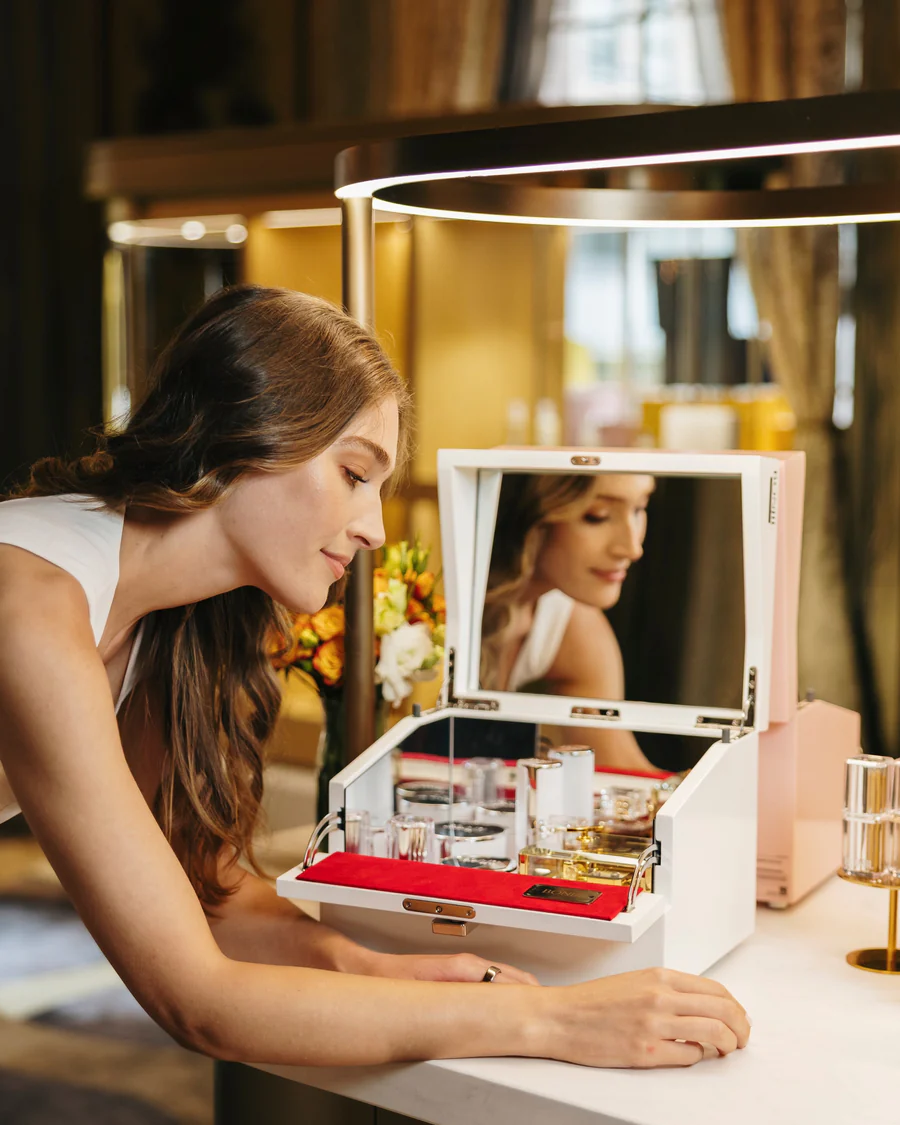
Yes, BONJIL's neurocosmetic collections can transform your ritual by uniting sensory science with luxury formulations designed around the skin-brain connection. Each collection targets a specific skin concern while engaging multiple senses simultaneously. Perfection Éternelle addresses anti-aging through neuropeptide-rich serums and creams. La Signature Au Caviar delivers intensive repair with caviar-based actives. The BONJIL Music Box collection pairs calming melodies with your application steps, creating an auditory layer that supports relaxation during product absorption.
This multisensory architecture reflects the brand's core philosophy: "Beauty, Felt With Every Sense." Rather than treating skincare as a purely functional task, BONJIL frames each step as a mindful ritual where fragrance, texture, sound, and intentional touch work together. For anyone serious about neurocosmetic results, that sensory integration is not a luxury detail; it is a mechanism that supports calmer skin through reduced stress signaling.
What Are the Key Takeaways About a Neurocosmetic Skincare Routine Step by Step in 2026?
The key takeaways about a neurocosmetic skincare routine step by step in 2026 center on three principles: sequence precision, sensory engagement, and ingredient intelligence.

-
Layer by molecular function. Cleanse to reset neuro-receptors, tone to prime pH and peptide absorption, apply neuropeptide serums before moisturizers seal actives, and finish mornings with SPF.
-
Engage the skin-brain axis at every step. Aromatherapy stimulates the olfactory-limbic pathway, intentional massage activates mechanoreceptors for neuropeptide synthesis, and mindful breathing lowers cortisol to protect barrier function.
-
Choose evidence-backed neurocosmetic actives. Neuropeptides such as acetyl hexapeptide-8, signal peptides, and neuro-calming adaptogens form the backbone of effective 2026 formulations.
-
Commit to consistency. Neuroplastic adaptation requires repeated dosing; visible peptide effects typically emerge after approximately one month of daily use.
-
Customize by skin goal. Anti-aging, hydration, and brightening routines each demand different peptide combinations and sensory pairings.
Neurocosmetics in 2026 represents more than a product category. It is a shift toward treating skincare as a psychophysiological practice where what you feel during application directly shapes what your skin becomes.