Mood boosting makeup ingredients are bioactive botanical compounds, aromatherapeutic extracts, and neurocosmetic actives that interact with the skin's nervous system and olfactory pathways to positively influence emotional state. We created this guide to cover the science of how ingredients affect mood, the specific botanicals that deliver emotional benefits, aromatherapeutic and color-based strategies, ritual-driven mental health support, and how to choose safe, effective products.
The skin absorbs ingredients through sensory nerve fibers called C-tactile afferents, which send affective signals to the brain, while volatile aromatic molecules bypass the thalamus and reach the limbic system within milliseconds. This dual pathway of dermal absorption and scent activation means that what you apply topically participates in broader neurochemical signaling that shapes how you feel.
Neurocosmetics, a rapidly growing category of beauty products, targets these neural pathways rather than surface-level concerns alone. Neuropeptides and locally produced neurotransmitters like serotonin and GABA give the skin a direct role in emotional regulation through the bidirectional skin-brain axis.
Clinically studied botanicals form the foundation of mood boosting formulations. Lavender oil produces anxiolytic effects through its terpenoid constituents, chamomile extract reduces anxiety scores in controlled trials, saffron demonstrates antidepressant efficacy comparable to synthetic alternatives, and rose damascena alleviates depressive moods through aromatherapy.
Color psychology and intentional application rituals add measurable layers to these benefits. Consistent, mindful routines reduce cortisol levels and build positive neural associations, while strategic shade selection reinforces the emotional direction of active ingredients. Pairing sensory inputs across scent, texture, color, and touch compounds the effect beyond what any single channel achieves alone.
How Do Makeup Ingredients Affect Your Mood and Emotions?
Makeup ingredients affect your mood and emotions through skin absorption, scent activation, tactile sensation, and neurochemical signaling. The following subsections explore each sensory pathway.
How Does Skin Absorption of Ingredients Trigger Emotional Responses?
Skin absorption of ingredients triggers emotional responses by activating specialized nerve fibers that send affective signals to the brain. C-tactile afferents, a class of low-threshold mechanoreceptors in the skin, support gentle, affective touch through delayed signaling that modulates and reinforces emotional perception. These fibers respond to specific temperatures and stroking velocities, meaning the physical act of applying a product can itself generate measurable emotional and physiological responses.
This connection between touch and feeling is not lost on consumers. According to a 2024 Mintel report on skincare innovations, 61% of surveyed consumers expressed interest in products designed to reduce anxiety or improve mood. When cosmetic ingredients cross the skin barrier, they engage both sensory nerve pathways and local neurochemistry, creating a dual mechanism for emotional influence that begins the moment product meets skin.
What Role Does the Olfactory System Play in Mood Enhancement?
The olfactory system plays a central role in mood enhancement because scent signals bypass the thalamus and travel directly to the limbic system, the brain's emotional processing center. This unique neural shortcut means fragrant ingredients in makeup, such as rose, lavender, or jasmine, can trigger emotional responses within milliseconds of inhalation.
Olfactory receptors in the nasal cavity convert volatile aromatic molecules into electrical signals that reach the amygdala and hippocampus. These structures govern emotional memory and stress regulation. A familiar, pleasant scent can reduce perceived stress, elevate mood, or evoke comfort before the conscious mind fully registers the aroma. For mood-focused cosmetics, fragrance formulation is not decoration; it is a functional delivery system for emotional benefit.
How Do Textures and Tactile Sensations Influence Emotional State?
Textures and tactile sensations influence emotional state by engaging the same C-tactile afferent system that processes comforting human touch. A velvety serum or a cooling gel activates these slow-conducting nerve fibers, which signal pleasure and safety to the insular cortex.
Product texture determines how long skin contact lasts and how much sensory input reaches the brain. Rich, slow-absorbing formulas extend the period of C-tactile stimulation, amplifying the calming effect. Lightweight, fast-absorbing textures create brief, invigorating sensory input. Formulators who understand this relationship can engineer emotional outcomes through viscosity, temperature, and spreadability alone. Texture is not merely cosmetic elegance; it is a measurable lever for emotional regulation during application.
What Is the Neuroscience Behind Topical Ingredients and Mood?
The neuroscience behind topical ingredients and mood centers on the skin's ability to produce neurotransmitters independently. Human skin cells express tryptophan hydroxylase, the enzyme required for serotonin synthesis. Epidermal cells also contain GABA-synthesizing enzymes, meaning the skin functions as a peripheral neuroendocrine organ.
When topical ingredients support or stimulate these local pathways, they can influence both skin health and emotional state simultaneously. Adaptogens, botanical extracts, and certain peptides interact with cutaneous receptors that feed into the central nervous system through the skin-brain axis. This bidirectional communication network means that what you apply topically does not stay local; it participates in broader neurochemical signaling that shapes how you feel.
Understanding these mechanisms transforms ingredient selection from a purely cosmetic decision into one with genuine emotional consequences.
What Is Neurocosmetics and Why Does It Matter for Emotional Wellbeing?
Neurocosmetics is a category of beauty products designed to interact with the skin's nervous system to influence mood and emotional state. The sections below explore how neurocosmetics differ from conventional products, the role of neuropeptides in mood regulation, and how the skin-brain axis bridges beauty and emotions.
How Do Neurocosmetics Differ from Traditional Cosmetics?
Neurocosmetics differ from traditional cosmetics by targeting the skin's neural pathways rather than only addressing surface-level concerns like hydration, pigmentation, or texture. Traditional cosmetics improve appearance. Neurocosmetics go further, formulating with bioactive compounds that engage sensory receptors and neurotransmitter activity within the skin itself.
This distinction has driven rapid market growth. According to a 2024 Grand View Research report, the global neurocosmetics market was estimated at USD 1.94 billion and is expected to grow at a CAGR of 8.5% from 2025 to 2030, with projections reaching USD 4.5 billion by 2034. That trajectory reflects a fundamental shift: consumers increasingly want products that make them feel better, not just look better.
What Are Neuropeptides and How Do They Regulate Mood Through Skin?
Neuropeptides are small protein-like molecules that nerve cells use to communicate, and they regulate mood through skin by acting as chemical messengers between cutaneous nerve endings and the central nervous system. The skin produces neuropeptides such as substance P, beta-endorphins, and oxytocin-related peptides, each capable of modulating pain perception, stress response, and emotional tone.
When topical ingredients stimulate neuropeptide release, the effects extend beyond the skin's surface. Structured beauty routines amplify this process; repeated positive sensory experiences train the brain to associate skincare rituals with feelings of calm, comfort, and grounding, according to research from Sarah Chapman Skincare. Over time, these neurochemical associations can meaningfully support daily stress management.
How Does the Skin-Brain Axis Connect Beauty to Emotions?
The skin-brain axis connects beauty to emotions through a bidirectional communication network linking cutaneous sensory receptors to the central nervous system. Skin is the body's largest sensory organ, densely innervated with nerve fibers that relay tactile, thermal, and chemical signals directly to brain regions governing mood, including the insular cortex and limbic system.
This connection means that what you apply to your skin can influence how you feel emotionally. Ingredients that activate specific receptors, whether through scent, texture, or bioactive compounds, generate neural signals that shape emotional state in real time. For brands rooted in sensory science, this axis represents the biological foundation for why intentional formulation choices genuinely matter.
Understanding this neural bridge between skin and emotion sets the stage for identifying which specific ingredients deliver measurable mood-boosting effects.

Which Mood Boosting Ingredients Should You Look for in Makeup?
The mood boosting ingredients you should look for in makeup include rose extract, lavender oil, chamomile extract, jasmine absolute, vanilla-derived compounds, cacao-derived ingredients, saffron extract, adaptogenic botanicals, CBD and hemp seed oil, and vitamin D precursors.

Rose Extract
Rose extract is a mood boosting ingredient valued for its calming and antidepressant properties. Rosa damascena, the most widely used species in cosmetics, contains compounds that interact with the olfactory system to reduce stress perception. Its delicate floral scent activates limbic pathways associated with emotional regulation. Rose-infused formulations also deliver antioxidant protection, making this botanical a dual-purpose addition to any mood-enhancing makeup routine.
Lavender Oil
Lavender oil is one of the most researched mood boosting ingredients in topical beauty products. According to NIH research, lavender essential oil's primary terpenoid constituents, linalool and linalyl acetate, produce anxiolytic effects through inhibition of voltage-gated calcium channels, reduction of 5HT1A receptor activity, and increased parasympathetic tone. These compounds penetrate cell membranes rapidly after topical application, reaching measurable serum concentrations. For makeup formulations, even trace amounts of lavender oil can promote a sense of calm during application.
Chamomile Extract
Chamomile extract is a gentle botanical ingredient known for reducing anxiety when applied topically or inhaled. In a randomized, double-blind, placebo-controlled trial published by NIH with 57 participants over 8 weeks, chamomile extract showed significantly greater reduction in mean total Hamilton Anxiety Rating scores compared to placebo (p=0.047). In makeup, chamomile pairs anti-inflammatory skin benefits with subtle mood-soothing effects, making it especially suitable for sensitive skin formulations designed to calm both complexion and mind.
Jasmine Absolute
Jasmine absolute is a concentrated floral extract prized for its uplifting and confidence-boosting aroma. Unlike many calming botanicals, jasmine stimulates alertness while simultaneously reducing tension. Its rich, sweet scent profile triggers the release of feel-good neurotransmitters when inhaled during makeup application. This makes jasmine absolute particularly effective in products designed for morning routines, where both energy and emotional warmth are welcome.
Vanilla-Derived Compounds
Vanilla-derived compounds are mood boosting ingredients that evoke comfort and emotional warmth through olfactory association. Vanillin, the primary aromatic molecule, has been linked to reduced stress markers and increased feelings of relaxation. The familiar, sweet scent triggers positive memory recall, which amplifies its calming effect. In makeup formulations, vanilla pairs well with richer textures, creating a multisensory experience that feels indulgent and emotionally grounding.
Cacao-Derived Ingredients
Cacao-derived ingredients are mood enhancing compounds rich in theobromine, flavonoids, and polyphenols. Theobromine acts as a mild stimulant that promotes alertness without jitteriness. Cacao's antioxidant profile also supports skin health by neutralizing free radicals. The warm, familiar aroma of cacao activates reward centers in the brain, reinforcing positive emotional associations during application. These qualities make cacao a compelling ingredient for products that aim to uplift and energize.
Saffron Extract
Saffron extract is a potent mood boosting ingredient with clinical evidence supporting its antidepressant effects. An NIH meta-analysis of 7 randomized controlled trials found saffron effective in treating mild to moderate major depressive disorder, with efficacy comparable to synthetic antidepressants. Crocin and safranal, saffron's active compounds, modulate serotonin metabolism. While concentrations in makeup are lower than therapeutic doses, saffron's presence adds both a luxurious golden hue and genuine emotional wellness value to formulations.
Adaptogenic Botanicals
Adaptogenic botanicals are plant-based ingredients that help the body resist physical and emotional stress. Common adaptogens found in makeup include ashwagandha, rhodiola, and holy basil. Ashwagandha, in particular, has demonstrated topical benefits. These ingredients work by modulating cortisol and supporting the skin's stress response at a cellular level. For mood boosting makeup, adaptogens offer a functional layer that addresses both skin resilience and emotional equilibrium simultaneously.
CBD and Hemp Seed Oil
CBD and hemp seed oil are cannabinoid-based ingredients increasingly used in mood boosting cosmetics. CBD interacts with endocannabinoid receptors present in skin cells, helping regulate inflammation and stress responses locally. Hemp seed oil provides essential fatty acids that nourish the skin barrier. Together, they create a calming sensory profile. Regulatory status varies by region, so formulations must comply with local guidelines, but the soothing potential of these ingredients makes them popular in wellness-oriented beauty.
Vitamin D Precursors
Vitamin D precursors are ingredients that support the skin's natural ability to synthesize vitamin D when exposed to UV light. Low vitamin D levels correlate with mood disorders, including seasonal affective patterns. Ingredients like ergosterol and 7-dehydrocholesterol serve as building blocks for this process. While makeup alone cannot replace sun exposure or supplementation, formulations containing vitamin D precursors add a functional wellness dimension that aligns skincare with broader emotional health goals.
How Do Aromatherapeutic Ingredients in Makeup Elevate Mood?
Aromatherapeutic ingredients in makeup elevate mood by delivering volatile compounds through inhalation and dermal absorption, directly influencing the nervous system. The following subsections cover calming essential oil blends, energizing scent profiles, and citrus-based stress relief.

Which Essential Oil Blends Are Most Effective for Calm?
The essential oil blends most effective for calm combine lavender, chamomile, and rose extracts. Lavender contains linalool and linalyl acetate, which produce anxiolytic effects through inhibition of voltage-gated calcium channels and increased parasympathetic tone. According to research published through NIH/PMC, these constituents rapidly penetrate cell membranes after topical application, reaching serum concentrations exceeding 100 ng/mL in healthy volunteers.
Chamomile and rose damascena complement lavender well in calming blends. When layered into makeup formulations, these botanicals create a sustained aromatic release throughout wear. For anyone building a mood-focused beauty routine, a lavender-chamomile-rose combination offers the most research-supported calming profile available in cosmetic ingredients today.
Which Scent Profiles Best Support Energizing Effects?
The scent profiles that best support energizing effects include peppermint, eucalyptus, rosemary, and citrus notes such as lemon, grapefruit, and sweet orange. These volatile compounds stimulate alertness by activating olfactory receptors linked to sympathetic nervous system arousal.
Peppermint and eucalyptus contain menthol and eucalyptol, respectively, both associated with heightened mental clarity. Rosemary's camphoraceous profile supports focus during sustained tasks. Citrus top notes provide an immediate sensory lift due to their rapid volatility, making them especially effective in products applied during morning routines. Blending a citrus top note with rosemary or peppermint creates a layered energizing effect that sustains throughout application.
How Do Citrus-Based Ingredients Reduce Stress and Anxiety?
Citrus-based ingredients reduce stress and anxiety through limonene, a terpene abundant in lemon, bergamot, and orange essential oils. Limonene interacts with the olfactory system to modulate cortisol production, promoting a measurable shift toward relaxation. Its rapid evaporation rate means the calming signal reaches the brain almost instantly upon product application.
Bergamot stands out among citrus oils for its dual calming and uplifting properties, partly because it also contains linalool, the same anxiolytic compound found in lavender. This overlap makes bergamot a versatile choice in mood-boosting formulations. In practice, citrus ingredients work best when paired with grounding base notes to extend their emotional benefits beyond the initial application moment.
With aromatherapeutic pathways established, color psychology adds another sensory dimension to mood-boosting makeup.
What Role Does Color Psychology Play Alongside Mood Boosting Ingredients?
Color psychology plays a complementary role alongside mood boosting ingredients by amplifying the emotional effects of cosmetic formulations through visual stimulation. The colors you wear on your skin can influence confidence, energy, and perceived dominance, creating a layered sensory experience when paired with botanicals that target mood through scent and absorption.
Choosing makeup shades intentionally turns a beauty routine into a multisensory wellness practice. Warm reds can project assertiveness, while cool blues may sharpen mental focus. When these color choices align with mood boosting ingredients like lavender, rose, or saffron, the result is a dual-pathway approach to emotional wellbeing: one channel works through neurochemistry, the other through visual perception.
According to research published by the National Institutes of Health on color and psychological functioning, wearing red in sport contests conveys dominance and leads to competitive advantage, with red increasing appraisals of aggressiveness and dominance in the wearer. This principle extends naturally to cosmetics; a bold red lip or blush shade can reinforce feelings of power and self-assurance during high-stakes moments.
Blue tones operate differently. Blue light exposure activates the melanopsin photoreceptor system, which stimulates brain structures involved in sub-cortical arousal and higher-order attentional processing. Although cosmetic pigments differ from direct light exposure, cooler-toned makeup shades are often associated with calm focus and mental clarity in everyday perception.
Pairing these color-driven psychological effects with mood boosting ingredients creates what might be called an "emotional stack." Consider the combination possibilities:
-
Red or warm coral shades paired with energizing citrus or jasmine absolute for confidence and uplift.
-
Soft pink or rose tones combined with Rosa damascena extract for calm self-assurance.
-
Cool lavender hues layered with lavender oil formulations for relaxation and anxiety relief.
-
Warm golden or saffron-toned products matched with saffron extract for mood elevation.
This intentional layering is one of the most underutilized strategies in emotional beauty. Most consumers select shades based on aesthetics alone, yet the psychological impact of color choice can either reinforce or undermine the mood benefits of active ingredients. Aligning both channels toward the same emotional outcome produces a more coherent sensory experience.
For brands rooted in neurocosmetics, this intersection of color science and ingredient efficacy represents a meaningful frontier. Understanding how mood boosting ingredients interact with the emotional signals of color helps transform makeup from a surface-level routine into a deliberate tool for emotional regulation.
How Do Mood Boosting Makeup Ingredients Support Mental Health Routines?
Mood boosting makeup ingredients support mental health routines by turning daily application into a structured self-care practice that reduces stress, improves absorption, and stimulates feel-good neurochemistry. The following subsections explore mindful rituals, intentional application, and the serotonin connection.
Can a Mindful Makeup Ritual Reduce Daily Stress?
Yes, a mindful makeup ritual can reduce daily stress. Consistent beauty routines promote stability, mindfulness, and confidence. The dedicated time spent caring for skin allows individuals to decompress, functioning as an effective stress management technique that reduces cortisol levels, according to research published by SLMD Skincare.
When mood boosting ingredients like lavender oil or chamomile extract are part of that ritual, the calming effect compounds. The brain begins associating the routine with feelings of safety and grounding. Slowing down during application, focusing on scent and texture, shifts the nervous system from a reactive state toward a parasympathetic, restorative one. For anyone managing daily anxiety, this five-minute practice often delivers more consistent relief than sporadic relaxation attempts.
How Does Intentional Application Enhance Ingredient Absorption?
Intentional application enhances ingredient absorption by increasing skin contact time and activating sensory receptors that improve dermal uptake. Rushing through makeup application limits how thoroughly active botanicals interact with the skin barrier.
Gentle, deliberate strokes warm the skin's surface and promote blood flow, which helps mood boosting compounds penetrate more effectively. Pressing a serum-infused primer into the skin, rather than quickly swiping it on, allows ingredients like rose extract or adaptogenic botanicals to settle into the epidermis. Mindful technique also engages C-tactile afferents, specialized nerve fibers tuned to slow, gentle touch, which reinforces the emotional benefit alongside the topical one. Intentionality transforms a cosmetic step into an active delivery method.
What Is the Connection Between Self-Care Rituals and Serotonin?
The connection between self-care rituals and serotonin lies in how repeated positive experiences condition the brain to release feel-good neurotransmitters. Structured beauty routines help individuals create a sense of control, and over time the brain associates these skincare rituals with feelings of calm and comfort, as noted by Sarah Chapman Skincare.
Human skin itself contains tryptophan hydroxylase, the enzyme responsible for serotonin synthesis. When mood boosting makeup ingredients nourish the skin during a ritualized routine, they may support both local serotonin activity in the epidermis and the broader neurological reward response. This dual pathway makes consistent self-care rituals uniquely powerful for emotional regulation, reinforcing why routine matters as much as the ingredients themselves.
With rituals established, selecting ingredients matched to specific emotional needs sharpens these benefits further.
Which Mood Boosting Ingredients Work Best for Specific Emotional Needs?
The mood boosting ingredients that work best for specific emotional needs depend on the targeted emotional state. The following subsections match key ingredients to anxiety relief, joy, focus, calm relaxation, and emotional resilience.
Which Ingredients Help Relieve Anxiety and Nervous Tension?
The ingredients that help relieve anxiety and nervous tension include lavender oil, chamomile extract, and CBD-infused formulations. Lavender oil contains linalool and linalyl acetate, two terpenoids that produce anxiolytic effects by inhibiting voltage-gated calcium channels and increasing parasympathetic tone, according to research published by the National Institutes of Health. Chamomile works through similar calming pathways, while CBD interacts with the endocannabinoid system to quiet overactive stress signaling. When these botanicals appear in makeup formulations, the combination of topical absorption and olfactory input creates a dual-pathway approach to easing tension. For anyone prone to nervous energy throughout the day, choosing products rich in these ingredients turns routine application into a grounding moment.
Which Ingredients Promote Feelings of Joy and Uplift?
The ingredients that promote feelings of joy and uplift are saffron extract, rose extract, and citrus-derived compounds. A meta-analysis of seven randomized controlled trials published by the NIH found saffron effective in treating mild to moderate depression, with efficacy comparable to synthetic antidepressants. Rose damascena contributes mood-brightening aromatic compounds, while citrus oils like bergamot and sweet orange stimulate alertness through olfactory pathways that influence limbic system activity. Cacao-derived ingredients add another dimension; their phenylethylamine content mimics the brain's natural "feel-good" chemistry. Layering these ingredients into a morning makeup ritual can set an emotionally uplifting tone before the day even begins.
Which Ingredients Support Focus and Mental Clarity?
The ingredients that support focus and mental clarity include rosemary extract, peppermint oil, and blue-light-aligned color pigments. Rosemary contains 1,8-cineole, a compound associated with improved cognitive performance and sustained attention. Peppermint oil delivers a cooling menthol sensation that sharpens alertness through trigeminal nerve stimulation. Even color selection matters here; research published by the NIH indicates blue light exposure activates the melanopsin photoreceptor system, facilitating alertness and enhancing performance on sustained-attention tasks. Formulations pairing stimulating botanicals with cool-toned pigments create a synergy between scent, sensation, and visual cue. For demanding workdays, these ingredients offer a practical cognitive edge embedded directly in your beauty routine.
Which Ingredients Encourage Calm and Restful Relaxation?
The ingredients that encourage calm and restful relaxation are vanilla-derived compounds, chamomile extract, and adaptogenic botanicals like ashwagandha. Vanilla's warm, familiar scent profile activates comfort-associated neural pathways, making it especially effective in evening skincare and makeup removal rituals. Chamomile reinforces this calming effect through both aromatic and topical channels. Ashwagandha deserves particular attention as an adaptogen; a randomized, double-blind study published by the NIH showed topical ashwagandha root extract improved skin hydration by over 20% compared to roughly 9.5% for placebo, suggesting that calming adaptogens deliver measurable physical benefits alongside their stress-modulating properties. Pairing these ingredients with slow, intentional application amplifies their relaxation potential.
Which Ingredients Build Confidence and Emotional Resilience?
The ingredients that build confidence and emotional resilience include rose extract, saffron, and vitamin D precursors, often working alongside the psychological effects of color. Rose damascena aromatherapy has been shown to reduce depression scores significantly in intervention groups compared to placebo. Warm, bold pigments also play a role; NIH-published research on color and psychological functioning found that wearing red conveys dominance and increases appraisals of aggressiveness and confidence in the wearer. Vitamin D precursors support baseline mood regulation by facilitating serotonin synthesis pathways. True emotional resilience, however, builds over time through consistent ritual. Products combining bioactive botanicals with intentional color choices offer both immediate presence and long-term emotional reinforcement.
With specific ingredients matched to each emotional need, scientific validation becomes the next consideration.
Are Mood Boosting Makeup Ingredients Backed by Scientific Research?
Mood boosting makeup ingredients are increasingly backed by scientific research, particularly in aromatherapy and botanical extract studies. The following subsections examine clinical evidence for topical mood enhancement and the reliability of aromatherapy research in cosmetics.
What Do Clinical Studies Say About Topical Mood Enhancement?
Clinical studies say that topical mood enhancement through botanical ingredients produces measurable psychological benefits. Rosa damascena aromatherapy, one of the most studied mood-active botanicals, demonstrates particularly strong results. According to research published in PMC, Rosa damascena aromatherapy effectively alleviates anxiety and depressive moods in both healthy individuals and those with mood disorders, with intervention groups showing statistically significant depression score reductions (from 10.1 ± 10.7 to 3.9 ± 4.6) compared to placebo groups.
These findings suggest that plant-derived compounds common in luxury cosmetics can shift emotional states through clinically verifiable pathways, not just subjective perception.
How Reliable Is the Evidence for Aromatherapy in Cosmetics?
The evidence for aromatherapy in cosmetics is promising but carries important limitations. Most clinical trials on mood-active botanicals use concentrated therapeutic doses, while cosmetic formulations typically contain lower concentrations. Placebo-controlled designs remain the gold standard, yet many studies rely on small sample sizes or short intervention periods.
Still, the consistency of positive outcomes across multiple botanicals and study designs strengthens the overall body of evidence. For consumers seeking mood-supportive cosmetics, products formulated with clinically studied ingredients at meaningful concentrations offer the strongest foundation for real emotional benefit.
Understanding this evidence base helps guide smarter product choices built on science rather than marketing claims alone.
How Do You Choose Safe and Effective Mood Boosting Products?
You choose safe and effective mood boosting products by checking certifications, reading ingredient labels, and avoiding synthetic compounds linked to hormonal or neurological disruption. The following sub-sections cover quality certifications and ingredients to avoid.
What Certifications Indicate Quality in Mood Enhancing Cosmetics?
Certifications that indicate quality in mood enhancing cosmetics include USDA Organic, COSMOS, EWG Verified, Leaping Bunny, and ECOCERT. Each validates a different aspect of product safety and ingredient integrity.
Key certifications to look for:
-
USDA Organic confirms at least 95% organic ingredients, reducing exposure to synthetic pesticides.
-
COSMOS (IATCL) verifies natural and organic formulations meet strict European processing standards.
-
EWG Verified ensures products are free from chemicals on EWG's unacceptable list, including endocrine disruptors.
-
Leaping Bunny certifies cruelty-free testing practices across the entire supply chain.
-
NSF/ANSI 305 provides third-party verification for personal care products labeled as containing organic ingredients.
For mood boosting formulations specifically, certifications matter more than marketing claims. A product labeled "calming" or "mood enhancing" without third-party verification may contain synthetic fragrances that counteract the emotional benefits of botanicals like lavender or chamomile.
Which Synthetic Ingredients Should You Avoid for Emotional Health?
Synthetic ingredients you should avoid for emotional health include synthetic musks, phthalates, parabens, formaldehyde-releasing preservatives, and artificial fragrances. These compounds can interfere with endocrine function and neurological pathways that regulate mood.
Ingredients to check labels for:
-
Phthalates (DEP, DBP, DEHP) are plasticizers linked to hormonal disruption that can affect serotonin regulation.
-
Synthetic fragrances (listed as "parfum" or "fragrance") often contain dozens of undisclosed chemicals, some of which trigger headaches, anxiety, and sensory irritation.
-
Parabens (methylparaben, propylparaben) mimic estrogen and may disrupt the hormonal balance that supports emotional stability.
-
Formaldehyde releasers (DMDM hydantoin, quaternium-15) can cause sensitization reactions that heighten stress responses in the skin.
When a product replaces natural aromatherapeutic compounds with synthetic alternatives, the mood boosting potential diminishes significantly. True emotional benefit comes from bioactive botanicals, not chemical imitations of their scent profiles. Prioritizing clean formulations ensures mood enhancing ingredients can work as intended.
With product safety addressed, multisensory beauty rituals can further amplify these emotional benefits.
How Can Multisensory Beauty Rituals Enhance Mood Boosting Benefits?
Multisensory beauty rituals enhance mood boosting benefits by engaging touch, scent, sound, and visual cues simultaneously during product application. The sections below explore how BONJIL's sensory approach supports emotional wellbeing and summarize the key takeaways about mood boosting makeup ingredients.

Can BONJIL's Sensory Skincare Rituals Boost Emotional Wellbeing?
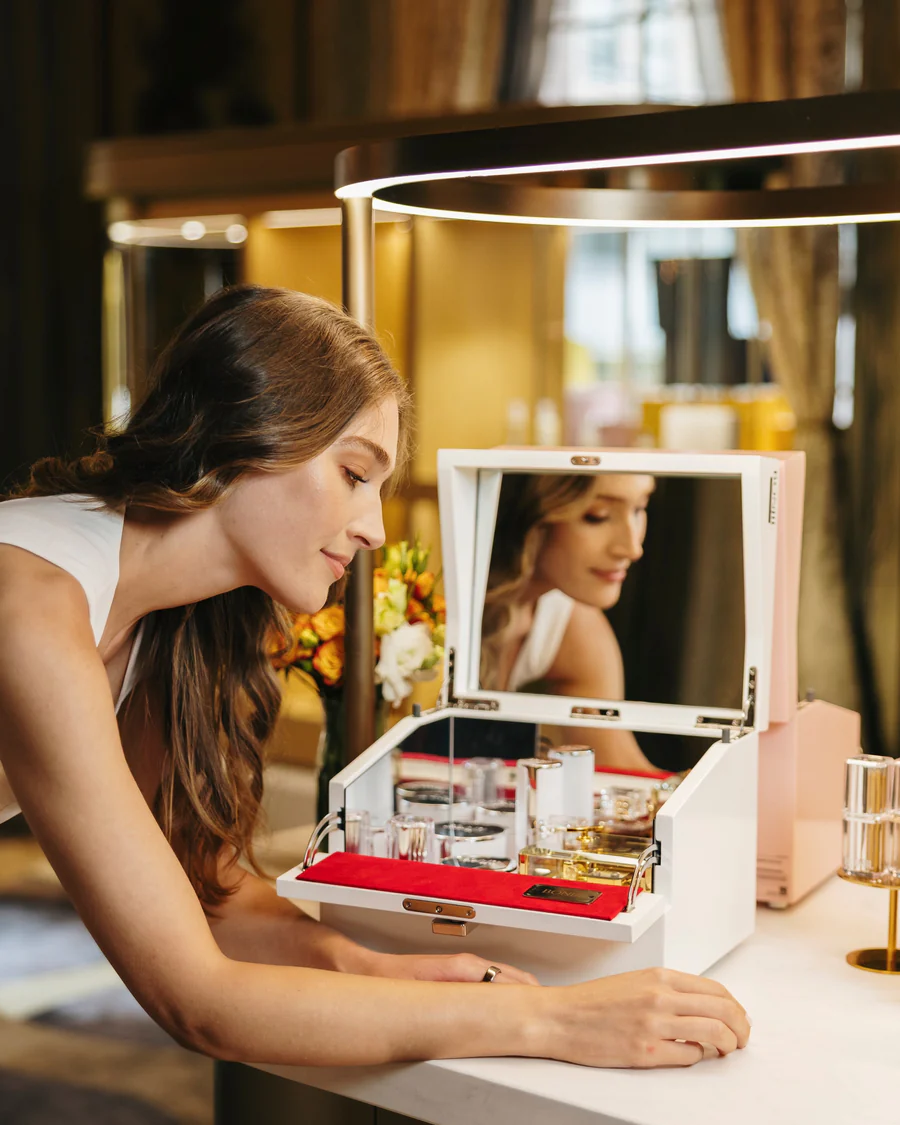
Yes, BONJIL's sensory skincare rituals can boost emotional wellbeing by activating multiple neurological pathways during each application. BONJIL designs its luxury skincare collections around neurocosmetics, combining botanically rich formulations with intentional textures and aromatherapeutic profiles that transform routine application into a mindful ceremony.
The science supports this approach. According to research published in the International Journal of Cosmetic Science, C-tactile afferents are tuned to specific temperatures and stroking velocities, with interpersonal stroking touch targeted to C-tactile afferent activation producing measurable emotional and physiological responses. BONJIL's Music Box collection adds an auditory dimension, pairing calming melodies with skincare rituals to deepen the sensory experience.
For those seeking genuine emotional benefit from their beauty routine, layering sensory inputs rather than relying on a single channel creates a compounding effect that isolated products simply cannot match.
What Are the Key Takeaways About Mood Boosting Makeup Ingredients?
The key takeaways about mood boosting makeup ingredients center on three core principles:
-
Ingredients interact with the nervous system directly. Botanicals such as lavender, chamomile, rose, and saffron produce measurable anxiolytic and mood-regulating effects through dermal absorption and olfactory signaling.
-
The skin-brain axis is a real biological pathway. Skin cells produce neurotransmitters like serotonin and GABA, meaning topical formulations can influence emotional state at a cellular level.
-
Ritual amplifies ingredient efficacy. Consistent, mindful application routines reduce cortisol, build positive neural associations, and turn skincare into a reliable self-care anchor.
-
Multisensory engagement compounds the benefits. Combining scent, texture, color, and sound during application activates more emotional processing pathways than any single sensory input alone.
Choosing products with clinically supported mood boosting ingredients, then applying them with deliberate sensory attention, offers the strongest foundation for emotional wellbeing through beauty.