A high-end neurocosmetic routine is a structured skincare practice that uses bioactive, neuropeptide-rich formulations to simultaneously improve skin health and regulate emotional wellbeing through the skin-brain axis.
This guide covers the science of neurocosmetic signaling, the neurochemistry behind mood elevation during skincare, core luxury ingredients, routine structure for morning energy and evening calm, multisensory amplification techniques, and targeted skin concern solutions.
Neurocosmetics work by engaging neural receptors directly in the skin. Cannabinoid, serotonergic, and dopaminergic receptors on epidermal cells respond to specific bioactive ingredients, triggering neurotransmitter activity that influences both complexion and emotional state.
Fragrance, texture, and ritualistic repetition each activate distinct neurological pathways. Aromatic compounds reach the limbic system to shift mood, while gentle rhythmic touch stimulates oxytocin and endorphin release. Consistent sensory cues train the nervous system to lower cortisol over time.
Neuropeptides like acetyl hexapeptide-8, adaptogenic botanicals such as ashwagandha, mood-enhancing essential oil complexes, and bioactive messenger peptides form the ingredient foundation. Each targets both visible skin concerns and the stress biology that compromises barrier function.
Structuring a routine into energizing morning and calming evening sequences, with intentional timing of 60 to 90 seconds per step, maximizes sensory depth without sacrificing daily practicality. Pairing application with diaphragmatic breathwork and intentional touch compounds neurological benefits.
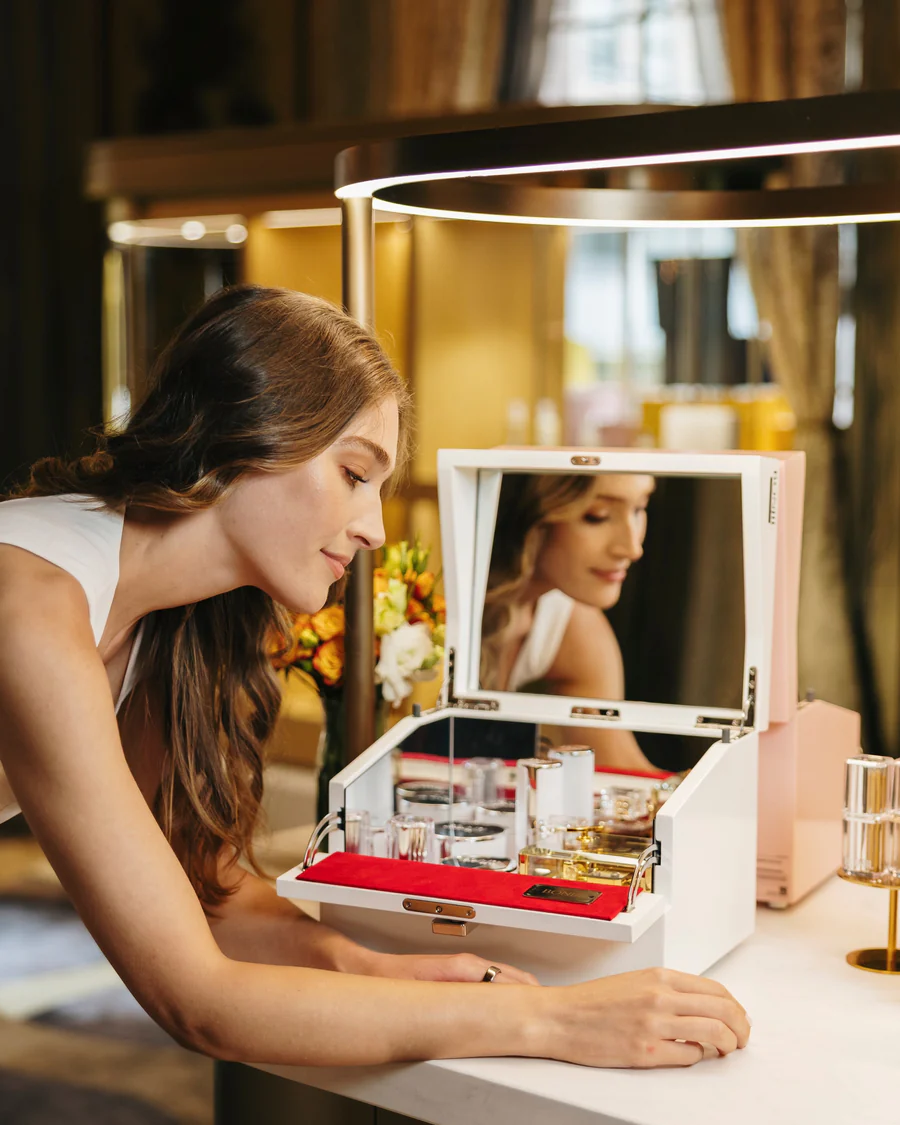
Sound, tactile technique, and visual ritual design complete the multisensory framework. We explore how layering these sensory inputs, as BONJIL does through its Music Box skincare experience, transforms product application into purposeful emotional infrastructure for both skin and mind.
What Are Neurocosmetics and How Do They Work on Skin and Mind?
Neurocosmetics are bioactive skincare products that modulate the connection between skin and the nervous system. The sections below explain how these ingredients interact with skin receptors, which neurotransmitters they activate, and how the skin-brain axis influences emotional wellbeing.

How Do Neurocosmetic Ingredients Interact with Skin Receptors?
Neurocosmetic ingredients interact with skin receptors by targeting the neuro-immuno-cutaneous system, a network of neural pathways embedded directly in the skin. According to Skin Link Consulting, neurocosmetics are defined as nontoxic, bioactive products designed to work at a neurological level without systemic absorption, modulating this system through specific ingredients that influence neural receptors.
Key receptor types targeted by neurocosmetic formulas include:
-
Cannabinoid receptors CB1 and CB2 modulate inflammation, peripheral nociception, sebum production, and local immune responses.
-
Serotonergic and dopaminergic receptors on keratinocytes and melanocytes use the same signaling cascades as the nervous system for cell proliferation, pigmentation, and mood regulation.
This receptor-level precision is what separates neurocosmetics from conventional topicals; the ingredients communicate with nerve endings rather than simply sitting on the skin's surface.
What Neurotransmitters Are Activated by Neurocosmetic Formulas?
The neurotransmitters activated by neurocosmetic formulas include serotonin, dopamine, and endocannabinoids. Epidermal cells such as keratinocytes and melanocytes synthesize these signaling molecules locally, creating a cutaneous neurotransmitter network that mirrors the central nervous system.
Serotonin produced in the skin regulates cell proliferation and contributes to a sense of calm. Dopamine influences pigmentation pathways and reward-related sensory feedback during product application. Endocannabinoids, binding to CB1 and CB2 receptors, help control inflammatory responses and pain perception. By formulating with ingredients that stimulate these specific pathways, neurocosmetic products create measurable neurochemical shifts at the point of application, not just cosmetic improvement.
How Does the Skin-Brain Axis Influence Emotional Wellbeing?
The skin-brain axis influences emotional wellbeing through bidirectional communication mediated by sensory receptors, nerve endings, neuropeptides, and neurotransmitters synthesized by epidermal cells. When skin receptors detect specific stimuli from neurocosmetic ingredients, they send signals through peripheral nerves to the central nervous system, triggering emotional and physiological responses.
This communication loop means that topical skincare is never purely superficial. Irritation or inflammation in the skin can elevate cortisol and heighten stress perception, while soothing, receptor-targeted formulations can promote parasympathetic activation and emotional calm. For anyone building a high-end routine, understanding this axis reframes skincare from a cosmetic task into a genuine tool for mood regulation.
With the science of skin-brain communication established, the next step is understanding why luxury neurocosmetic rituals elevate mood.
Why Does a High-End Neurocosmetic Routine Elevate Mood?
A high-end neurocosmetic routine elevates mood by engaging sensory pathways that trigger neurochemical responses in the brain. Fragrance, texture, and ritualistic repetition each contribute distinct emotional benefits.
How Do Fragrance and Texture Trigger Positive Emotions?
Fragrance and texture trigger positive emotions by activating olfactory and somatosensory pathways that communicate directly with the brain's limbic system. When aromatic compounds reach olfactory receptors, they send signals to the amygdala and hippocampus, regions governing emotional memory and pleasure. Rich, velvety textures applied to the skin stimulate mechanoreceptors that relay tactile pleasure signals through the same neural networks. This dual sensory input creates an immediate shift in emotional state. For anyone building a luxury skincare ritual, selecting formulations with intentional scent profiles and carefully engineered textures is one of the most effective ways to turn a routine into a genuine mood-enhancing practice.
What Role Do Endorphins and Oxytocin Play During Skincare?
Endorphins and oxytocin play a central role during skincare by acting as the body's natural mood-elevating neurochemicals. Gentle, rhythmic facial massage stimulates cutaneous nerve endings, prompting the release of beta-endorphins that reduce pain perception and promote feelings of wellbeing. Oxytocin, often associated with bonding and comfort, increases through intentional self-touch and warm product application. Together, these neurochemicals lower perceived stress and foster a sense of calm. The deliberate, nurturing quality of a high-end skincare ritual amplifies this neurochemical cascade far beyond what a rushed routine can achieve.
How Does Ritualistic Repetition Reduce Cortisol Levels?
Ritualistic repetition reduces cortisol levels by conditioning the nervous system to associate specific sensory cues with relaxation. When the same sequence of scent, touch, and movement is performed consistently, the brain anticipates calm, shifting the body toward parasympathetic dominance. According to research published in MDPI, inhalation of lavender essential oil significantly increases theta, alpha, and beta brain wave activity linked to relaxation while reducing salivary cortisol and increasing plasma levels of brain-derived neurotrophic factor (BDNF). Adaptogenic botanicals like ashwagandha further support this cortisol-lowering effect when incorporated into routine formulations. Consistency transforms a skincare step into a reliable stress-management tool, compounding emotional benefits over time. With cortisol effectively managed, the skin itself becomes more receptive to active ingredients.
What Ingredients Define a Luxury Neurocosmetic Routine?
The ingredients that define a luxury neurocosmetic routine include neuropeptides, adaptogenic botanicals, mood-enhancing essential oil complexes, and bioactive peptides. Each targets both skin physiology and neurological pathways.

Neuropeptides
Neuropeptides are short-chain amino acid sequences that modulate communication between skin cells and the nervous system. In neurocosmetic formulations, synthetic neuropeptides mimic the body's own signaling molecules to influence visible skin behavior.
According to a 2025 study published in MDPI's International Journal of Molecular Sciences, a formulation containing 10% acetyl hexapeptide-8 demonstrated a 49% reduction in wrinkle depth after four weeks of daily facial application. This peptide works by limiting excessive muscle micro-contractions at the neuromuscular junction, softening expression lines without invasive procedures. For those building a results-driven ritual, neuropeptides represent one of the most targeted actives available in luxury skincare today.
Adaptogenic Botanicals
Adaptogenic botanicals are plant-derived compounds that help the body regulate its stress response by modulating cortisol and other stress hormones. In neurocosmetic formulations, adaptogens such as ashwagandha, rhodiola, and holy basil address the physiological link between chronic stress and skin degradation.
A randomized, double-blind, placebo-controlled study published in PMC found that high-concentration full-spectrum ashwagandha root extract significantly reduced stress and anxiety by lowering serum cortisol levels. When incorporated into topical or aromatherapeutic skincare, these botanicals help interrupt the cortisol cascade that accelerates collagen breakdown, dullness, and barrier compromise. Adaptogens are among the most underutilized ingredients in premium skincare, offering compounding benefits when used consistently within a ritualized routine.
Mood-Enhancing Essential Oil Complexes
Mood-enhancing essential oil complexes are aromatic blends formulated to activate olfactory-limbic pathways, directly influencing emotional state during skincare application. Common neurocosmetic oils include lavender, bergamot, ylang-ylang, and neroli.
As documented by MDPI, inhalation of lavender essential oil significantly increases theta, alpha, and beta brain wave activity associated with relaxation and focus, while reducing salivary cortisol and increasing plasma levels of brain-derived neurotrophic factor (BDNF). These neurochemical shifts transform a simple application step into a genuine mood-regulating practice. Well-calibrated oil complexes distinguish luxury neurocosmetics from conventional fragrance-forward products.
Bioactive Peptides for Skin Barrier and Stress Response
Bioactive peptides for skin barrier and stress response are functional peptide sequences that reinforce cutaneous resilience while mediating the skin's reaction to psychological and environmental stressors. Messenger peptides like palmitoyl tripeptide-1 stimulate collagen renewal pathways critical to barrier integrity.
This dual function is best understood through the brain-gut-skin axis (BGSA), a tripartite regulatory network where cutaneous homeostasis is maintained by microbial metabolites, cytokine networks, neuropeptides, and hypothalamic-pituitary-adrenal (HPA) axis signaling, as described in a 2025 Frontiers in Immunology review. Bioactive peptides intervene at multiple points along this axis, making them foundational to any routine designed to address both visible skin health and the underlying stress biology that compromises it.
With these core ingredients mapped, the next step is structuring them into an effective daily sequence.
How Should You Structure a High-End Neurocosmetic Routine?
You should structure a high-end neurocosmetic routine by dividing it into an energizing morning sequence and a calming evening sequence, with intentional timing for each step. The subsections below cover morning energy, evening calm, and optimal step duration.

What Is the Ideal Morning Neurocosmetic Sequence for Energy?
The ideal morning neurocosmetic sequence for energy follows a layered approach that activates alerting sensory pathways in the skin. Because skin cells express dopaminergic receptors using the same signaling cascades as the nervous system, morning formulations can prime both complexion and focus simultaneously.
A structured morning sequence includes:
-
Cleanse with a cooling, citrus-noted formula to stimulate TRP channels responsive to temperature change.
-
Apply a neuropeptide-rich serum containing bioactive peptides that support skin barrier repair and cellular renewal.
-
Layer a lightweight moisturizer with adaptogenic botanicals to buffer the cortisol surge typical of early waking hours.
-
Finish with SPF and a brief upward-pressing massage to encourage circulation and reinforce the ritual's sensory engagement.
Each step should engage a different sense, progressing from scent to texture to tactile application. This sensory layering turns a functional routine into a neurocosmetic experience that sets an energized emotional tone for the day.
What Is the Ideal Evening Neurocosmetic Sequence for Calm?
The ideal evening neurocosmetic sequence for calm reverses the morning's activating logic, shifting the nervous system toward parasympathetic dominance. According to research published by MDPI, inhalation of lavender essential oil significantly increases theta and alpha brain wave activity associated with relaxation while reducing salivary cortisol and increasing plasma levels of brain-derived neurotrophic factor.
An effective evening sequence includes:
-
Double-cleanse with a warm, balm-to-oil formula featuring calming essential oil complexes like lavender or chamomile.
-
Apply a peptide treatment serum to support overnight collagen renewal and neuropeptide signaling.
-
Massage a rich night cream using slow, downward strokes to activate vagal tone through intentional touch.
-
Close the ritual with slow diaphragmatic breathing while allowing the final layer to absorb fully.
This descending sensory arc, moving from warmth to weight to stillness, mirrors the nervous system's natural transition into rest.
How Long Should Each Step Last to Maximize Sensory Benefits?
Each step should last between 60 and 90 seconds to maximize sensory benefits. Shorter application windows reduce the skin's exposure to mood-modulating aromatic compounds and limit tactile receptor engagement. Longer durations risk disrupting the ritual's rhythm without proportional neurological gain.
Timing considerations by step:
-
Cleansing: 60 seconds allows sufficient contact time for aromatic notes to reach olfactory receptors.
-
Serum application: 30 to 60 seconds of gentle pressing helps neuropeptides interact with cutaneous neural receptors.
-
Moisturizer or night cream: 60 to 90 seconds of slow, rhythmic massage maximizes both absorption and parasympathetic activation.
-
Closing breathwork: Two to three slow nasal breaths, roughly 30 seconds, consolidate the calming neurological response.
A complete routine of four to six minutes strikes the balance between sensory depth and daily practicality. For most people, consistency matters more than duration; a shorter ritual performed daily delivers stronger cumulative mood and skin benefits than an elaborate routine done sporadically.
With routine structure established, understanding what distinguishes neurocosmetics from traditional luxury skincare clarifies why these sequences work.
What Makes Neurocosmetics Different from Traditional Luxury Skincare?
Neurocosmetics differ from traditional luxury skincare by targeting neural receptors in the skin to influence both complexion and emotional state simultaneously. Traditional luxury formulas focus on surface-level hydration, anti-aging actives, and aesthetic texture. Neurocosmetics go further, engaging the skin-brain axis to modulate mood, stress response, and sensory perception through bioactive ingredients designed to interact with the nervous system.
Traditional luxury skincare delivers premium ingredients like hyaluronic acid, retinol, and botanical extracts to improve visible skin quality. These formulations prioritize measurable outcomes: reduced wrinkle depth, improved elasticity, enhanced radiance. The experience may feel indulgent, but the mechanism of action stays at the dermal and epidermal level.
Neurocosmetics operate on a fundamentally different principle. According to Skin Link Consulting, neurocosmetics are defined as nontoxic, bioactive products designed to work at a neurological level without systemic absorption, modulating the neuro-immuno-cutaneous system through specific ingredients that influence neural receptors in the skin. This means the formulation communicates directly with the nervous system through the skin's own receptor network.
The key distinctions between these two categories include:
-
Mechanism of action. Traditional luxury skincare treats skin tissue directly, while neurocosmetics engage neural pathways, neuropeptides, and neurotransmitter receptors expressed by skin cells.
-
Intended outcome. Conventional formulas target visible skin concerns. Neurocosmetic formulas address both skin health and emotional wellbeing as interconnected goals.
-
Ingredient philosophy. Traditional products rely on established cosmeceutical actives. Neurocosmetics incorporate adaptogens, neuropeptides, and sensory-active compounds that influence the skin-brain axis.
-
Sensory design. Where traditional luxury brands use fragrance and texture for pleasure, neurocosmetic brands engineer these elements to trigger specific neurological responses, such as cortisol reduction or parasympathetic activation.
-
Ritual integration. Standard skincare routines emphasize application steps. Neurocosmetic routines are structured as intentional, multisensory rituals where timing, breathwork, and tactile technique amplify the neurological effect.
For discerning consumers, this distinction matters because it reframes what skincare can accomplish. A traditional serum hydrates; a neurocosmetic serum hydrates while simultaneously calming the nervous system through receptor-level signaling. The product does not just sit on the skin. It communicates with it.
This neurological dimension is what positions neurocosmetics as the next evolution in luxury skincare, moving beyond what skin looks like to address how skin and mind feel together. Understanding this difference is essential before exploring how multisensory elements like sound, touch, and visual ritual design deepen these neurological benefits.
How Does a Multisensory Experience Enhance Neurocosmetic Results?
A multisensory experience enhances neurocosmetic results by engaging multiple neural pathways simultaneously, amplifying both the skin's receptivity and the brain's relaxation response. The sections below explore how sound, touch, and visual ritual design each contribute to this amplification.
How Does Sound Influence Skin Absorption and Relaxation?
Sound influences skin absorption and relaxation by modulating brainwave activity and shifting the nervous system toward a parasympathetic state. Specific frequencies can entrain neural oscillations, creating conditions where stress hormones decrease and skin becomes more receptive to active ingredients. According to a 2025 study published in PMC, rhythmic multisensory stimulation at 40 Hz, including light, sound, and tactile inputs, has been shown to strengthen gamma oscillations and impact brain function and behavioral outcomes.
Calming soundscapes during product application lower cortisol while deepening focus on the ritual itself. This is why brands like BONJIL pair skincare with curated musical compositions through offerings like the BONJIL Music Box. When the auditory environment is intentionally designed, each step of a routine carries greater neurological weight.
Why Does Tactile Application Technique Matter for Mood?
Tactile application technique matters for mood because deliberate, slow touch activates mechanoreceptors and C-tactile afferent nerve fibers that signal comfort and safety to the brain. Gentle, rhythmic pressure during product application stimulates oxytocin release and lowers sympathetic nervous system activity.
The difference between hastily patting on a serum and using intentional, flowing strokes is measurable at the neurological level. Slow application paired with diaphragmatic breathing amplifies this effect; a 2025 review in Wiley Online Library found that slow, nasal, diaphragmatic breathing practices significantly improve vagal tone, heart rate variability, and parasympathetic activity while reducing cortisol. Treating application as purposeful self-touch, rather than a mechanical step, transforms skincare into genuine mood regulation.
How Does Visual Ritual Design Deepen the Skincare Experience?
Visual ritual design deepens the skincare experience by engaging the brain's pattern-recognition and reward systems, turning routine into ceremony. Consistent visual cues, such as elegant packaging, a dedicated space, and an ordered product sequence, signal the brain to shift into a relaxed, anticipatory state before any product touches the skin.
This psychological priming is not superficial. When the environment looks intentional, the brain assigns greater significance to the actions performed within it, strengthening the ritual's emotional imprint over time. For most people, curating even a minimal visual setup yields disproportionate returns in consistency and emotional engagement. Combining visual intention with sound and tactile awareness completes the multisensory framework that makes neurocosmetic routines measurably more effective than conventional skincare.
What Skin Concerns Can a Neurocosmetic Routine Address?
A neurocosmetic routine can address aging, dehydration, dullness, and stress-triggered skin conditions. The following sections cover how neuropeptides target fine lines, how sensory formulations restore glow, and how calming neural pathways can soothe reactive skin.
How Does a Neurocosmetic Routine Target Aging and Fine Lines?
A neurocosmetic routine targets aging and fine lines by delivering neuropeptides that modulate muscle contractions and stimulate collagen renewal at the cellular level. Acetyl hexapeptide-8, one of the most studied neurocosmetic actives, inhibits repetitive micro-contractions that deepen expression lines over time. According to a 2025 study published in MDPI's International Journal of Molecular Sciences, a formulation containing 10% acetyl hexapeptide-8 demonstrated a 49% reduction in wrinkle depth after four weeks of daily application. Unlike conventional anti-aging products that work purely on the skin's surface, neurocosmetic peptides intercept the neural signaling that causes lines to form in the first place. This mechanism-first approach makes neuropeptide routines particularly effective for preventive aging strategies.
How Does a Neurocosmetic Routine Improve Hydration and Glow?
A neurocosmetic routine improves hydration and glow by calming neural stress signals that disrupt the skin's moisture barrier. When sensory nerve endings in the epidermis detect environmental stressors, they can trigger inflammatory cascades that weaken barrier lipids and increase transepidermal water loss. Neurocosmetic formulations counteract this cycle through adaptogenic botanicals and soothing neuropeptides that downregulate stress-driven inflammation. The result is a barrier that retains moisture more efficiently, producing visible luminosity. Sensory elements like cooling textures and aromatic compounds further support this process; pleasant tactile input activates parasympathetic pathways that reduce cortisol-mediated barrier disruption. For most skin types, consistent neurocosmetic use yields noticeably improved radiance within weeks.
Can Stress-Related Skin Conditions Respond to Neurocosmetics?
Yes, stress-related skin conditions can respond to neurocosmetics because these formulations target the neural pathways that amplify inflammatory flare-ups. Conditions such as rosacea, eczema, and stress-triggered acne share a common aggravator: overactivated sensory receptors that escalate inflammation. As documented in MDPI's Cosmetics journal, Transient Receptor Potential channels, such as TRPV1 and TRPA1, act as sensory ion channels in the skin that respond to heat, cold, and pH changes to regulate pain, itch, and inflammation. Neurocosmetic ingredients that modulate TRP channel activity can reduce the exaggerated inflammatory response these receptors provoke under chronic stress. This neural-level intervention complements traditional soothing ingredients, offering a dual-action approach that addresses both the trigger and the symptom.
With specific skin concerns mapped to neurocosmetic solutions, choosing the right products becomes the next priority.
What Should You Look for When Investing in Neurocosmetic Products?
When investing in neurocosmetic products, you should look for verified ingredient transparency and sensory formulation quality. These two factors separate genuinely effective neurocosmetics from conventional luxury skincare with neurological marketing claims.
How Do You Evaluate Ingredient Transparency at the Luxury Tier?
You evaluate ingredient transparency at the luxury tier by examining three core areas: disclosed active concentrations, substantiated neurocosmetic claims, and third-party validation. Premium products should list specific neuropeptide percentages and bioactive compound concentrations rather than hiding behind proprietary blend language.
Key transparency indicators to assess include:
-
Full INCI listings with active ingredient concentrations clearly stated
-
Clinical trial data or peer-reviewed references supporting neurological claims
-
Compliance with regulatory standards requiring truthful, non-misleading substantiation
According to CIRS Group, under EU and US regulations, all cosmetic claims, including those for neurocosmetics, must be truthful, non-misleading, and substantiated by scientific evidence or clinical trial data. With a market projected to reach USD 4.5 billion by 2034, the influx of new entrants makes scrutinizing ingredient transparency more important than ever for discerning buyers.
Why Does Sensory Formulation Quality Matter More Than Packaging?
Sensory formulation quality matters more than packaging because neurocosmetics depend on texture, scent, and bioactive delivery to engage neural receptors in the skin. Elegant packaging attracts initial attention, but the formulation itself determines whether a product activates the neurological pathways that define this category.
Qualities that signal superior sensory formulation include:
-
Textures engineered for specific absorption rates and tactile feedback during application
-
Fragrance profiles built from functional botanicals, not synthetic masking agents
-
Layered sensory experiences where scent, feel, and visible results work together
A beautifully boxed product with a thin, generic texture fails the fundamental promise of neurocosmetics. For consumers investing at the luxury tier, prioritizing what happens on the skin over what sits on the shelf yields far better mood and skin outcomes. Understanding these quality markers prepares you to pair neurocosmetics with mindfulness techniques that amplify their effects.
How Can Mindfulness Practices Amplify a Neurocosmetic Routine?
Mindfulness practices amplify a neurocosmetic routine by deepening the neurological response that sensory formulations initiate. Breathwork and intentional touch each enhance this effect in distinct ways.
What Breathwork Techniques Pair with Skincare Application?
The breathwork techniques that pair with skincare application are slow, nasal, diaphragmatic patterns performed during product use. According to a study published in Wiley Online Library, slow nasal diaphragmatic breathing significantly improves vagal tone, heart rate variability, and parasympathetic activity while reducing stress biomarkers like cortisol. This physiological shift creates an ideal state for neurocosmetic ingredients to interact with calmed neural receptors rather than stress-primed ones. A simple approach involves inhaling for four counts through the nose while applying serum, holding briefly, then exhaling for six counts during gentle facial massage. This synchronized rhythm transforms each skincare step into a parasympathetic activation point.
How Does Intentional Touch Change Skin and Emotional Outcomes?
Intentional touch changes skin and emotional outcomes by converting passive product application into targeted sensory stimulation. Deliberate, slow pressure activates mechanoreceptors in the dermis that send calming signals through the skin-brain axis. Rather than rushing through a routine, focused facial movements with consistent tempo encourage local microcirculation and support ingredient absorption. The emotional shift is equally significant; when attention stays anchored to tactile sensation, the nervous system registers safety, which lowers sympathetic arousal. For those building a neurocosmetic ritual, pairing intentional touch with high-quality sensory formulations creates a compounding effect where both skin repair and emotional regulation improve simultaneously.
With mindfulness techniques integrated, the full neurocosmetic ritual becomes even more purposeful.
How Can BONJIL's Multisensory Approach Elevate Your Neurocosmetic Ritual?
BONJIL's multisensory approach can elevate your neurocosmetic ritual by integrating texture, scent, and sound into each step, transforming skincare into a purposeful sensory experience. The following sections explore BONJIL's Music Box concept and the essential takeaways for building a mood-enhancing routine.

Can BONJIL's Music Box Skincare Experience Enhance Mood During Your Routine?
Yes, BONJIL's Music Box skincare experience can enhance mood during your routine by layering calming auditory stimulation over tactile and olfactory inputs. BONJIL reimagines skincare as a multisensory ritual, and the Music Box collection provides elegantly designed boxes with soothing melodies intended as a backdrop to each application step.
This auditory layer matters because rhythmic sensory stimulation has measurable neurological effects. A 2024 study published in PMC found that rhythmic multisensory stimulation at 40 Hz, combining light, sound, and tactile inputs, strengthened gamma oscillations and influenced brain function and behavioral outcomes. While the Music Box operates as a calming complement rather than a clinical device, the principle holds: pairing sound with intentional touch deepens the ritual's emotional resonance.
For those already practicing a neurocosmetic routine, adding structured sound creates a consistent sensory anchor. Over time, the melody itself can become a cue that shifts the nervous system toward relaxation before application even begins.
What Are the Key Takeaways About Building a High-End Neurocosmetic Routine for Mood and Skin?
The key takeaways about building a high-end neurocosmetic routine for mood and skin center on three principles: ingredient intelligence, sensory layering, and ritualistic consistency.
-
Choose neuroactive formulations over purely functional ones. Neuropeptides, adaptogens, and mood-enhancing essential oils engage the skin-brain axis, addressing both visible concerns and emotional wellbeing simultaneously.
-
Layer sensory inputs deliberately. Fragrance, texture, sound, and intentional touch each activate distinct neural pathways. Combining them amplifies the calming or energizing effect of every step.
-
Build repeatable rituals. Consistent timing, sequence, and breathwork train the nervous system to associate your routine with stress reduction, compounding benefits over weeks.
-
Prioritize ingredient transparency. Luxury pricing should reflect bioactive quality and clinical substantiation, not packaging alone.
-
Treat skincare as emotional infrastructure. The routine you build is not just about skin; it is a daily framework for regulating mood, reducing cortisol, and cultivating presence.
BONJIL's philosophy, "Beauty, Felt With Every Sense," captures this integration. By designing products around sensory science and ritual, BONJIL offers a framework where every application becomes a moment of intentional self-care that serves both complexion and calm.