Hyaluronic acid is a naturally occurring polysaccharide that binds up to 1,000 times its weight in water, making it the most powerful humectant available in modern skincare. This guide covers the science behind hyaluronic acid, its core skin benefits, the different molecular types used in formulations, skin-type compatibility, proper application methods, ingredient synergies and conflicts, common myths, and how luxury sensory rituals can elevate results.
As a glycosaminoglycan present in nearly every human tissue, hyaluronic acid maintains hydration, supports structural integrity, and depletes significantly with age and UV exposure. Understanding its biology reveals why topical replenishment is so effective.
Its benefits span deep hydration, fine line reduction, barrier strengthening, texture improvement, sensitivity relief, enhanced elasticity, and wound healing support. Each function targets a distinct layer or process within the skin.
Not all hyaluronic acid performs equally. High molecular weight variants form a protective surface film, while low molecular weight and hydrolyzed forms penetrate deeper epidermal layers for sustained plumping. Bio-fermented and sodium hyaluronate options offer purity and absorption advantages that influence formulation quality.
Every skin type responds well to hyaluronic acid, from dry and dehydrated complexions that need moisture replenishment to oily and acne-prone skin that benefits from lightweight, non-comedogenic hydration. Mature and sensitive skin types gain particular value from its biocompatibility and restorative properties.
Proper application technique, strategic ingredient pairing with peptides, vitamin C, ceramides, and retinol, and awareness of combinations to avoid all determine how effectively hyaluronic acid performs within a daily routine.
What Is Hyaluronic Acid and Why Does Your Skin Need It?
Hyaluronic acid is a naturally occurring polysaccharide that retains moisture, supports skin structure, and maintains tissue hydration. The sections below cover its natural presence in the body, what separates it from other humectants, and why levels decline with age.
How Does Hyaluronic Acid Occur Naturally in the Body?
Hyaluronic acid occurs naturally in the body as a glycosaminoglycan polysaccharide composed of alternating residues of d-glucuronic acid and N-acetyl-d-glucosamine, forming a linear polysaccharide chain. Rather than concentrating in one location, this molecule distributes throughout nearly every tissue.
According to Cleveland Clinic, the highest concentrations are found in the umbilical cord (4,100 μg/g), followed by the synovial fluid of joints (1,400–3,600 μg/g) and the vitreous humor of the eyes (140–338 μg/g). Regulatory bodies including the FDA and EU generally recognize hyaluronic acid as safe for topical cosmetic use, provided it meets established purity standards and concentration limits. Its biological ubiquity explains why skincare formulators rely on it so heavily.
What Makes Hyaluronic Acid Different From Other Humectants?
Hyaluronic acid is different from other humectants because of its exceptional water-binding capacity, biological compatibility, and tissue-repair properties. Common humectants like glycerin and propylene glycol attract surface moisture, yet they lack the structural biological functions hyaluronic acid performs within living tissue.
Beyond hydration, hyaluronic acid actively supports wound recovery. A clinical study published in the International Journal of Molecular Sciences found that a hyaluronic acid-based gel increased the amelioration rate of hard-to-heal wounds from 0.291 after 7 days to 0.561 after 56 days, promoting granulation and re-epithelialization. This dual role as both humectant and reparative agent is what positions hyaluronic acid in a category of its own within skincare formulation.
Why Does Your Skin Lose Hyaluronic Acid With Age?
Your skin loses hyaluronic acid with age because of a marked disappearance of epidermal hyaluronic acid over time. Although some hyaluronic acid remains in the dermis, this depletion contributes to dehydration, atrophy, and loss of elasticity characteristic of aged skin.
Topical replenishment can offset this decline significantly. A clinical study published in the Journal of Clinical and Aesthetic Dermatology found that a topical cream with micronized hyaluronic acid technology improved skin hydration by 24% at 4 weeks and 38.9% at 12 weeks post-treatment. Combining hyaluronic acid with complementary ingredients like peptides, ceramides, and vitamin C can further enhance results, since each demonstrates strong independent efficacy in periorbital skin concerns.
Understanding why hyaluronic acid depletes naturally sets the stage for exploring its specific skin benefits.

What Are the Key Benefits of Hyaluronic Acid for Skin?
The key benefits of hyaluronic acid for skin include deep hydration, wrinkle reduction, barrier strengthening, improved texture, soothing sensitivity, enhanced elasticity, and wound healing support.

How Does Hyaluronic Acid Hydrate and Plump the Skin?
Hyaluronic acid hydrates and plumps the skin by drawing moisture from the surrounding environment into the epidermis. As a powerful humectant, it attracts and holds water molecules within the skin's layers, creating a reservoir of hydration that visibly fills out the complexion. When skin cells are fully hydrated, they expand slightly, which produces that coveted plump, dewy appearance. This effect is most noticeable on areas where volume loss is common, including the cheeks and under-eye region. For those experiencing dull or flat-looking skin, consistent hyaluronic acid use restores a healthy, bouncy quality that other moisturizing agents struggle to replicate.
How Does Hyaluronic Acid Reduce Fine Lines and Wrinkles?
Hyaluronic acid reduces fine lines and wrinkles by flooding dehydrated skin cells with moisture, which smooths the skin's surface. Fine lines often appear more prominent when the skin lacks adequate hydration; once moisture levels are restored, these creases become less visible. The plumping effect fills in shallow wrinkles from within, creating a smoother topography without invasive procedures. Over time, well-hydrated skin also maintains better structural integrity, which slows the formation of new expression lines. This combination of immediate smoothing and long-term protective hydration makes hyaluronic acid one of the most practical anti-aging actives for daily use.
How Does Hyaluronic Acid Strengthen the Skin Barrier?
Hyaluronic acid strengthens the skin barrier by reinforcing the outermost protective layer and reducing trans-epidermal water loss. A compromised barrier allows moisture to escape and irritants to penetrate, leading to dryness and sensitivity. According to research published in Clinical, Cosmetic and Investigational Dermatology, a single application of a hyaluronic acid-based formulation significantly improved skin hydration for up to 24 hours while simultaneously improving skin barrier function. By locking moisture within the stratum corneum, hyaluronic acid helps maintain the lipid matrix that keeps environmental aggressors out. This protective effect is particularly valuable during harsh weather or after exfoliation.
How Does Hyaluronic Acid Improve Skin Texture and Tone?
Hyaluronic acid improves skin texture and tone by delivering sustained hydration that promotes smoother, more even-looking skin. When moisture levels are balanced across the face, rough patches soften and uneven areas appear more uniform. Dehydrated skin often looks dull with visible flakiness, and adequate hydration addresses both issues simultaneously. Well-moisturized skin also reflects light more evenly, which contributes to a brighter, more radiant complexion. For anyone dealing with post-blemish marks or uneven pigmentation, pairing hyaluronic acid with targeted treatments creates a smoother canvas that enhances overall product absorption.
How Does Hyaluronic Acid Soothe Sensitive or Irritated Skin?
Hyaluronic acid soothes sensitive or irritated skin by providing gentle, non-irritating hydration that calms inflammation. Because it occurs naturally in the body, the skin recognizes it readily without triggering adverse reactions. This biocompatibility makes hyaluronic acid suitable for even the most reactive skin types, including those prone to redness, rosacea, or post-procedure sensitivity. By maintaining optimal moisture levels, it supports the skin's natural repair processes and reduces the tightness often associated with irritation. Unlike many active ingredients that can sting compromised skin, hyaluronic acid delivers comfort alongside efficacy, which is why dermatologists frequently recommend it during recovery periods.
How Does Hyaluronic Acid Enhance Skin Elasticity and Firmness?
Hyaluronic acid enhances skin elasticity and firmness by maintaining the hydrated environment that collagen and elastin fibers need to function properly. These structural proteins rely on adequate moisture to retain their flexibility and resilience. When the skin's hyaluronic acid levels decline, the support matrix weakens, and sagging becomes more apparent. Replenishing this hydration helps the dermal scaffold stay supple and responsive. Although hyaluronic acid does not directly stimulate collagen synthesis, the well-hydrated conditions it creates allow existing fibers to perform at their best, preserving a firmer, more lifted appearance over time.
How Does Hyaluronic Acid Support Wound Healing and Repair?
Hyaluronic acid supports wound healing and repair by regulating inflammation and promoting tissue regeneration at the injury site. It plays a natural role in every phase of wound recovery, from the initial inflammatory response to final tissue remodeling. According to a study published in Health Science Reports, hyaluronic acid treatment in silver dressings for wound management resulted in a complete healing rate of 58.27% after 12 weeks. By creating a moist healing environment, it accelerates cell migration and new tissue formation. For everyday skin concerns like minor cuts or post-acne lesions, this regenerative capacity translates into faster, cleaner recovery.
With these core benefits established, the next step is understanding which type of hyaluronic acid delivers each advantage most effectively.
What Are the Different Types of Hyaluronic Acid in Skincare?
The different types of hyaluronic acid in skincare are high molecular weight HA, low molecular weight HA, sodium hyaluronate, hydrolyzed hyaluronic acid, and bio-fermented hyaluronic acid. Each type differs in molecular size, penetration depth, and skin benefits.

High Molecular Weight Hyaluronic Acid
High molecular weight hyaluronic acid (HMW-HA) is a form of HA with a molecular weight greater than 1,500 kDa. According to Stanford Chemicals, HMW-HA offers different penetration depths and biological effects compared to low molecular weight HA, which falls below 1,000 kDa. Because HMW-HA molecules are too large to penetrate the epidermis, they form a protective film on the skin surface that prevents trans-epidermal water loss (TEWL). This film-forming action delivers immediate surface hydration and barrier protection. With HA's capacity to bind up to 1,000 times its weight in water, HMW-HA is particularly effective for locking moisture against the skin. For anyone seeking visible plumping without deep penetration, this type remains a reliable starting point.
Low Molecular Weight Hyaluronic Acid
Low molecular weight hyaluronic acid (LMW-HA) is a form of HA with a molecular weight below 1,000 kDa. Its smaller molecular size allows it to penetrate beyond the skin's surface into deeper epidermal layers. Once absorbed, LMW-HA enhances cellular hydration from within, supporting cell adhesion and proliferation at a level HMW-HA cannot reach. This deeper action makes it especially useful for addressing fine lines and improving skin firmness over time. Products combining both LMW-HA and HMW-HA tend to deliver more comprehensive results, hydrating multiple skin layers simultaneously.
Sodium Hyaluronate
Sodium hyaluronate is the sodium salt form of hyaluronic acid. It has a lower molecular weight than standard HA, which gives it superior skin penetration. Because the sodium salt structure is more stable and water-soluble, formulators frequently prefer it in serums and lightweight moisturizers. Sodium hyaluronate absorbs quickly without leaving a heavy residue, making it well suited for layering under other active ingredients. Its bioavailability is one reason it appears so frequently on skincare ingredient lists, often more commonly than pure hyaluronic acid itself.
Hydrolyzed Hyaluronic Acid
Hydrolyzed hyaluronic acid is a form of HA that has been broken down into ultra-small fragments through enzymatic or chemical hydrolysis. These micro-fragments penetrate the deepest of all topical HA types, reaching the lower epidermis where they stimulate moisture retention at a cellular level. This makes hydrolyzed HA particularly effective for long-term anti-aging benefits, including sustained plumping and improved skin texture. Because of its deep penetration, it pairs well with surface-level HMW-HA in multi-weight formulations. For those prioritizing lasting hydration over immediate surface effects, hydrolyzed HA offers the most targeted delivery.
Bio-Fermented Hyaluronic Acid
Bio-fermented hyaluronic acid is a form of HA produced through bacterial fermentation rather than animal-derived extraction. This production method yields a purer, more consistent molecule with controlled molecular weight. Bio-fermentation also aligns with vegan and cruelty-free formulation standards, which increasingly matters to conscious consumers. The resulting HA integrates seamlessly into clean beauty formulations without sacrificing efficacy. Most premium skincare brands now source bio-fermented HA as their standard, making it the most widely used production method in modern cosmeceuticals.
Understanding these HA types helps you choose formulations that target your specific skin concerns and layer effectively within your routine.
Which Skin Types Benefit Most From Hyaluronic Acid?
Hyaluronic acid benefits all skin types because it is a naturally occurring substance already present in human tissue. The following sections cover how it specifically helps dry, oily, mature, and sensitive skin.
How Does Hyaluronic Acid Benefit Dry or Dehydrated Skin?
Hyaluronic acid benefits dry or dehydrated skin by drawing moisture into the epidermis and holding it there. As a powerful humectant, it replenishes water content that compromised or depleted barriers fail to retain on their own. According to a clinical evaluation published in Dermatology and Therapy, a topical hyaluronic acid serum applied to 40 females with Fitzpatrick skin types I–VI demonstrated significant improvements in smoothness (64%), plumping (60%), and overall global assessment (43%) by week 6. For chronically dry skin, this moisture-binding capacity makes hyaluronic acid one of the most reliable first steps in restoring a healthy, supple complexion.
How Does Hyaluronic Acid Benefit Oily or Acne-Prone Skin?
Hyaluronic acid benefits oily or acne-prone skin by delivering lightweight, non-comedogenic hydration without adding excess oil. Many people with oily skin skip moisturizing entirely, which can trigger increased sebum production as the skin compensates for surface dryness. Hyaluronic acid breaks this cycle. According to research published in the Journal of Investigative Dermatology, laboratory studies have shown that hyaluronic acid treatment can reduce abnormal oil gland growth and sebum formation. Because it hydrates through water attraction rather than occlusive oils, it balances moisture levels without clogging pores. For acne-prone individuals, this makes it a far safer hydrating ingredient than heavier creams or oil-based formulas.
How Does Hyaluronic Acid Benefit Mature or Aging Skin?
Hyaluronic acid benefits mature or aging skin by replenishing the moisture reserves that decline with age and UV exposure. As published in the International Journal of Molecular Sciences, extrinsic skin aging caused by UV radiation triggers increased expression of hyaluronidases HYAL-1, -2, and -3, which degrade the skin's natural hyaluronic acid homeostasis. This accelerated breakdown leads to volume loss, deeper wrinkles, and reduced elasticity. Topical hyaluronic acid counteracts these effects by restoring surface hydration and supporting plumper, firmer-looking skin. For anyone noticing fine lines or loss of facial fullness, consistent use of hyaluronic acid addresses one of the root biochemical causes of visible aging.
How Does Hyaluronic Acid Benefit Sensitive or Reactive Skin?
Hyaluronic acid benefits sensitive or reactive skin by providing gentle, biocompatible hydration that rarely triggers irritation. Because hyaluronic acid occurs naturally in human skin at concentrations of approximately 400–500 μg per gram of tissue, the body recognizes it as a native substance rather than a foreign ingredient. This makes allergic reactions or sensitization extremely uncommon. Unlike active ingredients such as retinoids or exfoliating acids, hyaluronic acid carries no risk of chemical irritation, peeling, or redness. It also supports barrier repair, which is especially valuable for reactive skin prone to transepidermal water loss. For those who struggle with ingredient sensitivities, hyaluronic acid provides reliable hydration without compromising an already fragile skin barrier.
With each skin type addressed, the next consideration is how to apply hyaluronic acid correctly within your routine.
How Should You Apply Hyaluronic Acid in Your Skincare Routine?
You should apply hyaluronic acid after cleansing and toning, on damp skin, as part of both morning and evening routines. The sections below cover optimal timing, skin preparation, and ideal frequency.

High Molecular Weight Hyaluronic Acid
High molecular weight hyaluronic acid (HMW-HA) is a form of HA with a molecular weight greater than 1,500 kDa. According to Stanford Chemicals, HMW-HA offers different penetration depths and biological effects compared to low molecular weight HA, which falls below 1,000 kDa. Because HMW-HA molecules are too large to penetrate the epidermis, they form a protective film on the skin surface that prevents trans-epidermal water loss (TEWL). This film-forming action delivers immediate surface hydration and barrier protection. With HA's capacity to bind up to 1,000 times its weight in water, HMW-HA is particularly effective for locking moisture against the skin. For anyone seeking visible plumping without deep penetration, this type remains a reliable starting point.
Low Molecular Weight Hyaluronic Acid
Low molecular weight hyaluronic acid (LMW-HA) is a form of HA with a molecular weight below 1,000 kDa. Its smaller molecular size allows it to penetrate beyond the skin's surface into deeper epidermal layers. Once absorbed, LMW-HA enhances cellular hydration from within, supporting cell adhesion and proliferation at a level HMW-HA cannot reach. This deeper action makes it especially useful for addressing fine lines and improving skin firmness over time. Products combining both LMW-HA and HMW-HA tend to deliver more comprehensive results, hydrating multiple skin layers simultaneously.
Sodium Hyaluronate
Sodium hyaluronate is the sodium salt form of hyaluronic acid. It has a lower molecular weight than standard HA, which gives it superior skin penetration. Because the sodium salt structure is more stable and water-soluble, formulators frequently prefer it in serums and lightweight moisturizers. Sodium hyaluronate absorbs quickly without leaving a heavy residue, making it well suited for layering under other active ingredients. Its bioavailability is one reason it appears so frequently on skincare ingredient lists, often more commonly than pure hyaluronic acid itself.
Hydrolyzed Hyaluronic Acid
Hydrolyzed hyaluronic acid is a form of HA that has been broken down into ultra-small fragments through enzymatic or chemical hydrolysis. These micro-fragments penetrate the deepest of all topical HA types, reaching the lower epidermis where they stimulate moisture retention at a cellular level. This makes hydrolyzed HA particularly effective for long-term anti-aging benefits, including sustained plumping and improved skin texture. Because of its deep penetration, it pairs well with surface-level HMW-HA in multi-weight formulations. For those prioritizing lasting hydration over immediate surface effects, hydrolyzed HA offers the most targeted delivery.
Bio-Fermented Hyaluronic Acid
Bio-fermented hyaluronic acid is a form of HA produced through bacterial fermentation rather than animal-derived extraction. This production method yields a purer, more consistent molecule with controlled molecular weight. Bio-fermentation also aligns with vegan and cruelty-free formulation standards, which increasingly matters to conscious consumers. The resulting HA integrates seamlessly into clean beauty formulations without sacrificing efficacy. Most premium skincare brands now source bio-fermented HA as their standard, making it the most widely used production method in modern cosmeceuticals.
Understanding these HA types helps you choose formulations that target your specific skin concerns and layer effectively within your routine.
Which Skin Types Benefit Most From Hyaluronic Acid?
Hyaluronic acid benefits all skin types because it is a naturally occurring substance already present in human tissue. The following sections cover how it specifically helps dry, oily, mature, and sensitive skin.
How Does Hyaluronic Acid Benefit Dry or Dehydrated Skin?
Hyaluronic acid benefits dry or dehydrated skin by drawing moisture into the epidermis and holding it there. As a powerful humectant, it replenishes water content that compromised or depleted barriers fail to retain on their own. According to a clinical evaluation published in Dermatology and Therapy, a topical hyaluronic acid serum applied to 40 females with Fitzpatrick skin types I–VI demonstrated significant improvements in smoothness (64%), plumping (60%), and overall global assessment (43%) by week 6. For chronically dry skin, this moisture-binding capacity makes hyaluronic acid one of the most reliable first steps in restoring a healthy, supple complexion.
How Does Hyaluronic Acid Benefit Oily or Acne-Prone Skin?
Hyaluronic acid benefits oily or acne-prone skin by delivering lightweight, non-comedogenic hydration without adding excess oil. Many people with oily skin skip moisturizing entirely, which can trigger increased sebum production as the skin compensates for surface dryness. Hyaluronic acid breaks this cycle. According to research published in the Journal of Investigative Dermatology, laboratory studies have shown that hyaluronic acid treatment can reduce abnormal oil gland growth and sebum formation. Because it hydrates through water attraction rather than occlusive oils, it balances moisture levels without clogging pores. For acne-prone individuals, this makes it a far safer hydrating ingredient than heavier creams or oil-based formulas.
How Does Hyaluronic Acid Benefit Mature or Aging Skin?
Hyaluronic acid benefits mature or aging skin by replenishing the moisture reserves that decline with age and UV exposure. As published in the International Journal of Molecular Sciences, extrinsic skin aging caused by UV radiation triggers increased expression of hyaluronidases HYAL-1, -2, and -3, which degrade the skin's natural hyaluronic acid homeostasis. This accelerated breakdown leads to volume loss, deeper wrinkles, and reduced elasticity. Topical hyaluronic acid counteracts these effects by restoring surface hydration and supporting plumper, firmer-looking skin. For anyone noticing fine lines or loss of facial fullness, consistent use of hyaluronic acid addresses one of the root biochemical causes of visible aging.
How Does Hyaluronic Acid Benefit Sensitive or Reactive Skin?
Hyaluronic acid benefits sensitive or reactive skin by providing gentle, biocompatible hydration that rarely triggers irritation. Because hyaluronic acid occurs naturally in human skin at concentrations of approximately 400–500 μg per gram of tissue, the body recognizes it as a native substance rather than a foreign ingredient. This makes allergic reactions or sensitization extremely uncommon. Unlike active ingredients such as retinoids or exfoliating acids, hyaluronic acid carries no risk of chemical irritation, peeling, or redness. It also supports barrier repair, which is especially valuable for reactive skin prone to transepidermal water loss. For those who struggle with ingredient sensitivities, hyaluronic acid provides reliable hydration without compromising an already fragile skin barrier.
With each skin type addressed, the next consideration is how to apply hyaluronic acid correctly within your routine.
How Should You Apply Hyaluronic Acid in Your Skincare Routine?
You should apply hyaluronic acid after cleansing and toning, on damp skin, as part of both morning and evening routines. The sections below cover optimal timing, skin preparation, and ideal frequency.

When Should You Apply Hyaluronic Acid in Your Routine?
You should apply hyaluronic acid in your routine immediately after cleansing and toning, before heavier creams or oils. This ingredient is a water-based humectant, so it performs best when applied early in your layering sequence. Placing it beneath moisturizers and sunscreens allows those occlusive layers to lock in the hydration hyaluronic acid draws to the skin. According to a study published in the Journal of Cosmetic Dermatology, the appropriate time, dose, and frequency of moisturizer application are critical factors in optimizing skin physiological parameters. In the morning, follow with SPF; at night, seal with a nourishing cream or facial oil.
Should You Apply Hyaluronic Acid to Damp or Dry Skin?
You should apply hyaluronic acid to damp skin, not dry skin. Because hyaluronic acid is a humectant, it actively pulls moisture from its surroundings. When applied to dry skin in low-humidity environments, it can draw water from deeper skin layers instead of the atmosphere, potentially leaving skin feeling tighter. Lightly misting your face with water or applying the serum immediately after cleansing, while skin is still damp, gives hyaluronic acid abundant surface moisture to bind. Dermatologists and formulators generally recommend this damp-skin method to maximize humectant properties across all climates and skin types. Sealing with a moisturizer afterward ensures that captured hydration stays locked in.
How Often Should You Use Hyaluronic Acid?
You should use hyaluronic acid once or twice daily, in both your morning and evening skincare routines. Hyaluronic acid is gentle enough for everyday application because it is a naturally occurring polysaccharide already present in the body, not an exfoliating acid. Consistent daily use delivers cumulative hydration benefits over time. Unlike active ingredients such as retinol or chemical exfoliants that require gradual introduction, hyaluronic acid rarely causes irritation, making it suitable for sensitive skin from the start. For those new to this ingredient, beginning with once daily and observing how the skin responds is a practical approach before increasing to twice-daily application.
With a solid application routine established, pairing hyaluronic acid with complementary ingredients amplifies its results.
What Ingredients Work Best With Hyaluronic Acid?
The ingredients that work best with hyaluronic acid include peptides, vitamin C, ceramides, and retinol. Each pairing targets a different skin concern while amplifying hydration.

How Do Peptides and Hyaluronic Acid Work Together?
Peptides and hyaluronic acid work together by addressing hydration and structural support simultaneously. Peptides are short chains of amino acids that signal skin cells to produce collagen and elastin. When paired with hyaluronic acid, peptides penetrate more effectively into well-hydrated skin, boosting their firming and smoothing effects. Hyaluronic acid creates an optimal moisture environment, while peptides strengthen the underlying protein matrix. This combination is particularly effective for fine lines and loss of firmness, since neither ingredient interferes with the other's mechanism of action.
How Does Vitamin C Complement Hyaluronic Acid?
Vitamin C complements hyaluronic acid by adding potent antioxidant protection to deep hydration. Vitamin C neutralizes free radicals caused by UV exposure and pollution, while hyaluronic acid replenishes moisture that environmental stressors deplete. According to a 2021 review in Molecules, combining hyaluronic acid with vitamins such as A, C, and E in cosmeceutical formulations provides enhanced antioxidant protection and additional anti-aging benefits. Applying vitamin C serum first, followed by hyaluronic acid on damp skin, allows both actives to work without competition. Together, they brighten skin tone and reinforce hydration in a single routine.
How Do Ceramides Enhance Hyaluronic Acid Results?
Ceramides enhance hyaluronic acid results by sealing in the moisture that hyaluronic acid attracts. Ceramides are lipids that form the structural backbone of the skin barrier, filling gaps between skin cells to prevent water loss. While hyaluronic acid pulls water into the skin, ceramides lock it there by reinforcing the lipid matrix. This pairing is especially valuable for dry, compromised, or sensitive skin where barrier integrity is weakened. Layering a ceramide-rich moisturizer over a hyaluronic acid serum creates a hydration system that both attracts and retains water.
Can You Use Retinol and Hyaluronic Acid Together?
Yes, you can use retinol and hyaluronic acid together safely and effectively. Retinol accelerates cell turnover and stimulates collagen production, but it often causes dryness, flaking, and irritation during the adjustment period. Hyaluronic acid counteracts these side effects by delivering intense hydration without interfering with retinol's activity. Applying hyaluronic acid before or after retinol helps buffer sensitivity while maintaining retinol's anti-aging efficacy. For those new to retinol, this combination makes the ingredient far more tolerable, reducing the likelihood of abandoning the routine prematurely.
With the right ingredient pairings established, knowing which combinations to avoid protects your results.
What Ingredients Should You Avoid Combining With Hyaluronic Acid?
The ingredients you should avoid combining with hyaluronic acid include high-concentration acids at low pH levels, strong exfoliants, and certain drying alcohols. While hyaluronic acid is one of the most compatible actives in skincare, a few pairings can compromise its hydrating performance or irritate skin.
-
High-concentration AHAs and BHAs (below pH 3.5): Glycolic acid, salicylic acid, and lactic acid at strong concentrations create an extremely acidic environment that can destabilize hyaluronic acid's moisture-binding capacity and increase sensitivity.
-
Drying alcohols: Denatured alcohol (alcohol denat.) and isopropyl alcohol strip surface moisture, directly counteracting hyaluronic acid's humectant function.
-
High-concentration retinoids applied simultaneously: While retinol pairs well when layered correctly, applying potent prescription retinoids like tretinoin at the same time can cause excessive dryness and barrier disruption that overwhelms hyaluronic acid's soothing benefits.
-
Strong astringents: Witch hazel extracts with high alcohol content or harsh toners can dehydrate skin before hyaluronic acid has a chance to draw in moisture.
The issue is rarely the ingredient itself; rather, it is the concentration, pH, and layering order that create problems. Separating strong actives by applying them at different times of day preserves hyaluronic acid's ability to hydrate effectively. For most routines, applying hyaluronic acid first to damp skin, then following with other treatments after absorption, prevents negative interactions.
Understanding which combinations to avoid sets the stage for addressing widespread misconceptions about this ingredient.
What Are Common Myths About Hyaluronic Acid?
Common myths about hyaluronic acid include claims that it is a harsh chemical, that it only benefits dry skin, and that all formulations work the same way. The following subsections debunk the most persistent misconceptions with scientific evidence.
Is Hyaluronic Acid a Harsh Chemical?
No, hyaluronic acid is not a harsh chemical. The word "acid" in its name misleads many consumers into assuming it exfoliates or irritates like glycolic or salicylic acid. Hyaluronic acid is actually a naturally occurring glycosaminoglycan polysaccharide already present throughout the human body, including skin, joints, and eyes. It functions as a gentle hydrator rather than a chemical exfoliant.
According to Fixderma Skincare, this misconception persists because consumers associate the word "acid" with harsh chemicals, when hyaluronic acid is essential for maintaining skin hydration and structural integrity. Regulatory bodies like the FDA and EU generally recognize it as safe for topical applications. For anyone hesitant about "acids" in skincare, this ingredient is among the most universally tolerated.
Does Hyaluronic Acid Only Work for Dry Skin?
No, hyaluronic acid does not only work for dry skin. This myth overlooks its versatility across all skin types, including oily and acne-prone complexions. Because hyaluronic acid is a lightweight humectant rather than a heavy emollient, it delivers hydration without clogging pores or adding excess oil.
According to a study published in the Journal of Investigative Dermatology, hyaluronic acid treatment can reduce abnormal oil gland growth and sebum formation, suggesting direct benefits for oily skin. Key skin types that benefit include:
-
Dry or dehydrated skin, which gains deep moisture replenishment.
-
Oily or acne-prone skin, which receives non-comedogenic hydration and sebum regulation.
-
Mature skin, which recovers lost volume and elasticity.
-
Sensitive skin, which tolerates hyaluronic acid without irritation.
Can Hyaluronic Acid Replace a Moisturizer?
No, hyaluronic acid cannot replace a moisturizer. As a humectant, hyaluronic acid draws water to the skin, but it does not seal that moisture in. Without an occlusive or emollient layer applied afterward, the water it attracts can evaporate, especially in dry or low-humidity environments.
A complete hydration routine pairs hyaluronic acid with a moisturizer containing ingredients such as ceramides, squalane, or shea butter. These occlusives lock in the hydration that hyaluronic acid delivers. Thinking of hyaluronic acid as a standalone moisturizer often leads to disappointing results, particularly during colder months when environmental humidity drops significantly.
Do All Hyaluronic Acid Products Deliver the Same Results?
No, all hyaluronic acid products do not deliver the same results. Molecular weight, concentration, and formulation quality significantly influence efficacy. High-molecular-weight hyaluronic acid (greater than 1,500 kDa) forms a protective surface film, while low-molecular-weight variants (less than 1,000 kDa) penetrate deeper into the skin for plumping from within.
Product vehicle matters as well. Serums typically deliver higher concentrations than creams, and multi-weight formulations that blend several molecular sizes tend to address both surface hydration and deeper dermal needs simultaneously. Choosing a product based solely on the ingredient name, without considering its molecular profile, often results in underwhelming outcomes. With the global hyaluronic acid market expanding rapidly, product quality varies widely, making informed selection essential for visible results.
How Does Hyaluronic Acid Compare to Other Anti-Aging Ingredients?
Hyaluronic acid compares to other anti-aging ingredients by serving as the foundational hydration molecule that amplifies the efficacy of actives like retinol, vitamin C, and peptides. The sections below explore its unique role and market dominance.
Hyaluronic acid occupies a distinct position in the anti-aging landscape. While retinol accelerates cell turnover and vitamin C neutralizes free radicals, hyaluronic acid delivers deep hydration that these ingredients cannot replicate. Peptides signal collagen production, and ceramides reinforce lipid barriers, yet neither matches hyaluronic acid's water-binding capacity. Rather than competing with these actives, hyaluronic acid creates the optimal hydrated environment that allows them to perform more effectively.
According to a 2021 review published in Molecules, the combination of hyaluronic acid with vitamins A, C, and E, plant extracts, and peptides in cosmeceutical formulations provides enhanced antioxidant protection and amplified anti-aging benefits. This synergistic relationship is what sets hyaluronic acid apart: it functions both as a standalone hydrator and as a performance enhancer for nearly every other active in a routine.
The market reflects this versatility. Hyaluronic acid market size was estimated at USD 11.50 billion in 2025 and is projected to reach USD 20.36 billion by 2033, according to Grand View Research. No other single anti-aging ingredient commands comparable market share, which underscores its foundational role in modern skincare formulation.
For those building a results-driven anti-aging regimen, hyaluronic acid is not an alternative to ingredients like retinol or vitamin C; it is the essential base layer that makes them work harder. Understanding this complementary dynamic helps guide smarter product choices, including formulations designed around sensory rituals.
How Can a Luxury Sensory Skincare Ritual Maximize Hyaluronic Acid?
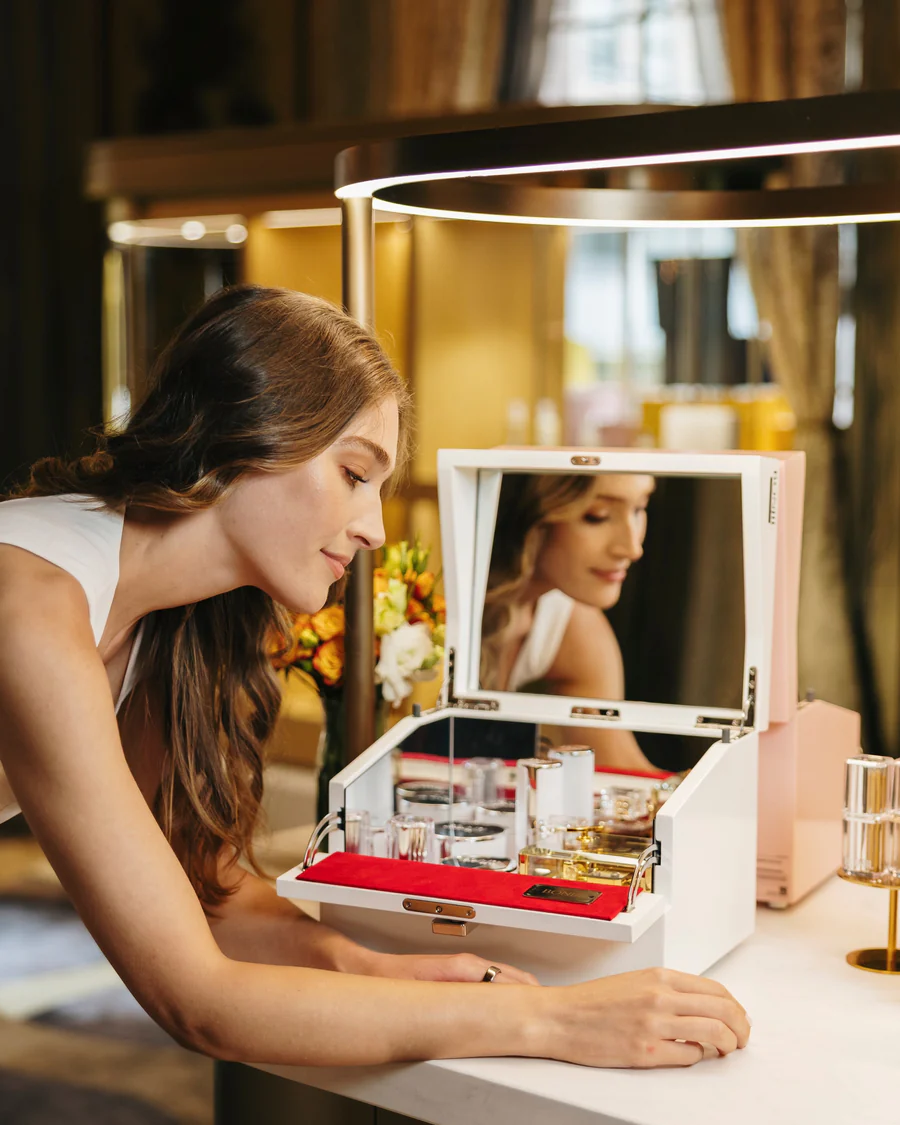
A luxury sensory skincare ritual can maximize hyaluronic acid by pairing it with peptide-rich formulations and mindful, multi-step application. Below, explore how BONJIL's collections enhance hyaluronic acid results and the essential takeaways from this guide.
Can BONJIL's Peptide-Infused Collections Enhance Hyaluronic Acid?
Yes, BONJIL's peptide-infused collections can enhance hyaluronic acid by combining bioactive peptides with a sensory ritual designed to optimize ingredient absorption. According to a 2021 review published in Molecules, the combination of hyaluronic acid with peptides and vitamins in cosmeceutical formulations provides additional biological effects, such as enhanced antioxidant protection and anti-aging benefits. BONJIL collections like Perfection Éternelle and La Signature Au Caviar deliver peptide-rich formulas that complement hyaluronic acid's hydration capacity. Applying these products to damp skin as part of a mindful, multisensory routine allows hyaluronic acid to draw moisture effectively while peptides support structural repair. For those seeking both clinical results and an elevated experience, this layered approach transforms daily skincare into a ritual that works at every level.
What Are the Key Takeaways About Hyaluronic Acid Benefits?
The key takeaways about hyaluronic acid benefits center on its unmatched hydration, broad skin-type compatibility, and synergy with active ingredients:
-
Hyaluronic acid binds up to 1,000 times its weight in water, making it the most effective humectant available in skincare.
-
Epidermal hyaluronic acid depletes with age, making consistent topical replenishment essential for maintaining hydration, elasticity, and firmness.
-
Multiple molecular weights target different skin layers, from surface barrier protection to deeper dermal plumping.
-
All skin types benefit, including oily, sensitive, mature, and dehydrated complexions.
-
Pairing hyaluronic acid with peptides, vitamin C, and ceramides amplifies anti-aging and barrier-strengthening results.
-
Applying hyaluronic acid to damp skin and layering an occlusive seal maximizes moisture retention.
Prioritizing hyaluronic acid within a thoughtfully designed routine is one of the most reliable strategies for long-term skin health. BONJIL's neurocosmetic approach brings this science to life through sensory rituals that make consistency effortless.