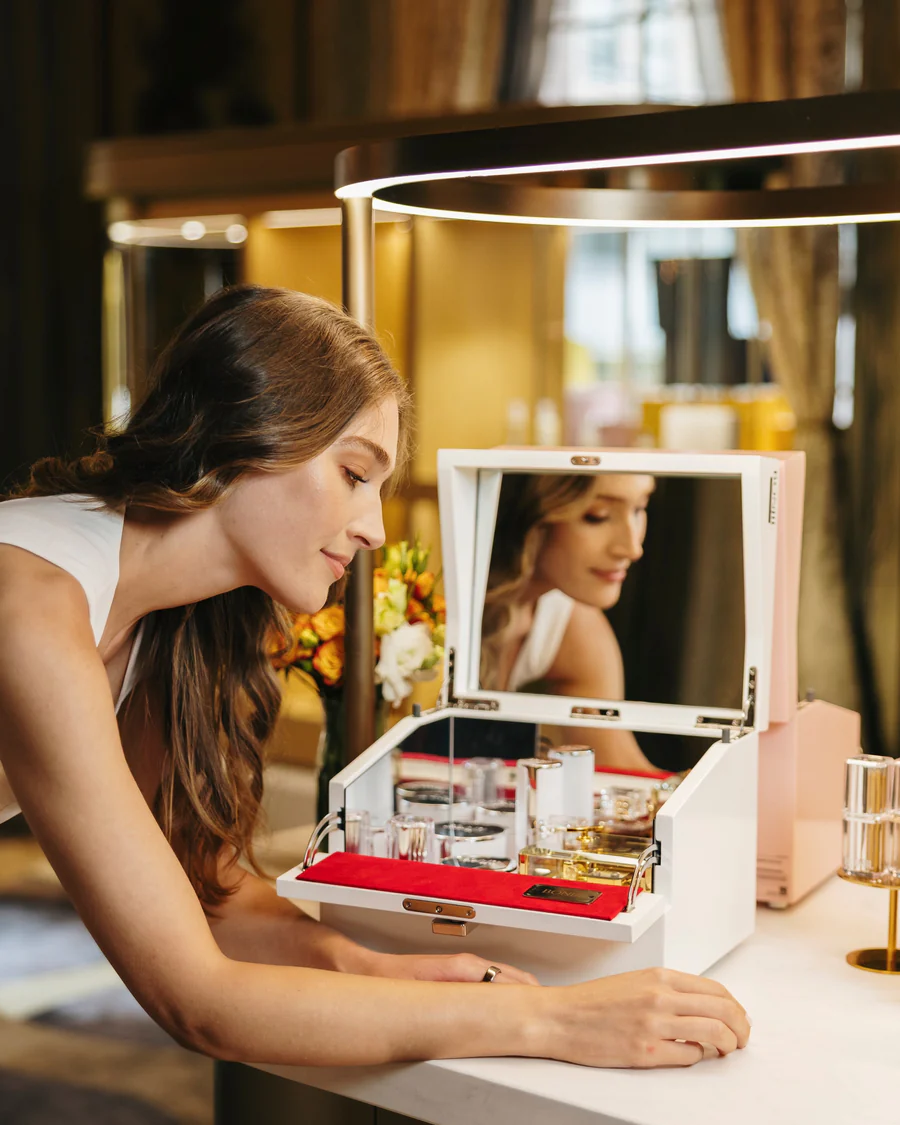
Skincare for mental health is the practice of using intentional, sensory-rich skincare rituals to reduce stress, support emotional balance, and protect skin from the physiological damage chronic tension causes.
This guide covers the biological connection between skin and the nervous system, structured routines for daily stress relief, the role of sensory experience and mindfulness in calming the body, targeted ingredients for stress-damaged skin, the emotional power of ritualistic self-care, and how neurocosmetics bridge skincare with neurological well-being.
The skin and brain communicate through a bidirectional pathway called the skin-brain axis, where cortisol released during stress directly impairs barrier function, triggers inflammation, and accelerates aging. Conditions like acne, rosacea, and atopic dermatitis can all be triggered or worsened through this system.
A stress-relief skincare routine pairs simple morning and nighttime steps with deliberate pacing and self-compassion. Anchoring the practice to existing habits and limiting products to a few essentials prevents the routine itself from becoming a source of pressure.
Touch, scent, and texture each activate distinct calming pathways in the nervous system. Facial massage increases parasympathetic activity, botanical aromatherapy stimulates the limbic system through the olfactory cortex, and varied product textures ground attention in the present moment.
Plant-derived anti-inflammatory ingredients, lipid-restoring barrier repair actives, and antioxidant compounds address the three main categories of stress-related skin damage: redness, dehydration, and oxidative aging.
Transforming skincare from a mechanical habit into a mindful ritual strengthens emotional resilience, builds self-worth, and complements professional mental health care. Neurocosmetic formulations designed to engage multiple senses simultaneously deepen this therapeutic effect by working at the intersection of skin science and nervous system regulation.
Why Is There a Connection Between Skin Health and Mental Health?
There is a connection between skin health and mental health because the skin and brain share a bidirectional communication pathway that links emotional stress directly to skin barrier function. The sections below explain how stress damages skin, what the skin-brain axis is, and how anxiety and depression manifest visibly.
How Does Stress Physically Affect Your Skin?
Stress physically affects your skin by triggering the hypothalamic-pituitary-adrenal (HPA) axis, which floods the body with cortisol. This hormone disrupts multiple layers of skin function simultaneously.
According to research published in the Cureus Journal (NIH PMC), psychological stress impairs keratinocyte differentiation, causing stressed keratinocytes to fail to replace cells normally produced during differentiation, which negatively affects the skin's protective function.
The damage extends beyond surface-level disruption. Cortisol reduces lipids and structural proteins in the epidermis, leading to:
-
Decreased stratum corneum hydration
-
Increased transepidermal water loss
-
Weakened skin barrier integrity
-
Accelerated oxidative damage from excess reactive oxygen species
Oxidative stress, driven by excessive reactive oxygen species produced in mitochondria, has also been linked to age-related loss of skin elasticity. These compounding effects make chronic stress one of the most underestimated threats to long-term skin health.
What Is the Skin-Brain Axis and Why Does It Matter?
The skin-brain axis is a bidirectional communication system where the central nervous system and the skin continuously exchange signals through neural, hormonal, and immune pathways. This axis explains why emotional states show up physically on the skin, and why skin conditions can worsen psychological distress in return.

When stress activates the HPA axis, cortisol release directly affects skin barrier function, immune response, and inflammatory status. Conditions like psoriasis, atopic dermatitis, acne, contact dermatitis, and rosacea can all be triggered or aggravated through this pathway. The field of psychodermatology studies these connections specifically. For anyone building a skincare practice around mental wellness, understanding this axis is essential; it confirms that caring for skin is not superficial but neurologically significant.
How Do Chronic Anxiety and Depression Show Up on Your Skin?
Chronic anxiety and depression show up on your skin through persistent inflammation, impaired barrier repair, and heightened sensitivity. When the sympathetic nervous system remains chronically activated, skin struggles to recover from daily damage.
Visible manifestations include:
-
Increased redness and inflammatory flare-ups
-
Dull, dehydrated skin from elevated transepidermal water loss
-
Breakouts driven by stress-triggered hormonal shifts
-
Slower wound healing and compromised cell turnover
These are not cosmetic inconveniences; they reflect deeper physiological disruption. According to research published in the International Journal of Molecular Sciences (NIH PMC), inhalation of lavender and chamomile essential oils decreased levels of depression, anxiety, and stress in older adults, with anxiolytic effects associated with suppression of sympathetic nervous system activity. This finding highlights how sensory interventions can address both the emotional root and the skin-level symptoms simultaneously.
Cultivating self-compassion alongside consistent skincare also plays a role, as research links self-compassionate behavior to reduced symptoms of stress, depression, and anxiety. With these biological connections established, building a targeted skincare routine becomes a practical next step.
What Is a Skincare Self-Care Routine for Stress Relief?
A skincare self-care routine for stress relief is a structured daily practice that pairs skin-nourishing steps with calming, intentional moments to reduce tension. The sections below cover morning steps for a calm start, nighttime rituals for relaxation, and strategies for building consistency.
What Morning Skincare Steps Help Set a Calm Tone for the Day?
Morning skincare steps that help set a calm tone for the day include gentle cleansing, hydrating with antioxidant-rich products, and applying sunscreen, all performed with deliberate, unhurried attention. Each step becomes an anchor point that shifts focus away from anticipatory stress.
A simple morning sequence might follow this order:
-
Splash the face with lukewarm water or use a mild, fragrance-free cleanser.
-
Apply a hydrating serum containing antioxidants like vitamin C or tocopherol.
-
Moisturize with a barrier-supporting cream to lock in hydration.
-
Finish with broad-spectrum sunscreen.
Keeping the routine to four steps or fewer prevents it from feeling like a chore. What matters most is the pace; even two minutes of slow, focused application can activate a sense of presence that carries into the rest of the morning.

What Nighttime Skincare Rituals Promote Relaxation Before Sleep?
Nighttime skincare rituals promote relaxation before sleep by combining barrier-repair products with sensory cues that signal the body to wind down. This transition from activity to rest is where skincare and stress relief intersect most naturally.
Effective nighttime rituals include:
-
Double cleansing to remove the day's buildup, starting with an oil-based cleanser followed by a gentle water-based formula.
-
Applying a nourishing night cream or facial oil containing plant-derived ingredients, which have demonstrated anti-inflammatory and antioxidant effects on skin, according to a study published in the International Journal of Molecular Sciences.
-
Incorporating light facial massage using upward, circular motions for one to two minutes during product application.
-
Dimming lights and avoiding screens while products absorb, reinforcing the wind-down signal.
The repetition of these steps each evening creates a reliable pre-sleep ritual, conditioning the mind to associate skincare with calm. For most people, this sensory transition is more effective than abruptly trying to fall asleep after a stimulating evening.
How Do You Build Consistency Without Adding More Stress?
You build consistency without adding more stress by simplifying your routine, anchoring it to existing habits, and releasing the pressure of perfection. Overcomplicating a regimen is the fastest way to abandon it.
Practical strategies include:
-
Start with two to three products maximum. Expansion can come later once the habit feels effortless.
-
Anchor skincare to a behavior you already do daily, such as brushing your teeth, so it requires no extra decision-making.
-
Accept imperfect days. Skipping a step occasionally does not erase the benefits of the routine overall.
-
Keep products visible and accessible. Reducing friction between intention and action makes follow-through more likely.
Self-compassion plays a direct role here. Treating a missed night as a minor event, rather than a failure, sustains long-term adherence far better than rigid self-discipline. The goal is a routine that feels restorative, not obligatory.
With a consistent routine established, the sensory qualities of each product begin to deepen the stress-relief effect.
Why Does the Sensory Experience of Skincare Reduce Stress?
The sensory experience of skincare reduces stress by activating the parasympathetic nervous system through touch, scent, and texture. Each sensory channel offers a distinct pathway to calm the body and quiet the mind.

How Does Touch and Facial Massage Lower Cortisol Levels?
Touch and facial massage lower cortisol levels by activating parasympathetic pathways that shift the body from a stress response into a state of rest and recovery. Gentle, repetitive pressure on facial muscles sends calming signals through sensory nerve fibers to the brain, counteracting the fight-or-flight cascade.
A study published in Biomedical Research found that facial massage reduced anxiety and negative mood status while increasing parasympathetic nervous activity in 32 healthy women over a 45-minute session. This makes even a few minutes of intentional facial massage during cleansing or moisturizing a practical stress-relief tool. Consistent pressure and slow, upward strokes tend to yield the strongest calming effect.
Why Do Scent and Aromatherapy in Skincare Calm the Nervous System?
Scent and aromatherapy in skincare calm the nervous system by stimulating the vagus nerve, which is the main component of the parasympathetic nervous system. The vagus nerve oversees crucial bodily functions, including mood regulation, immune response, digestion, and heart rate, according to a 2018 review in Frontiers in Psychiatry.
When botanical fragrances in skincare reach the olfactory cortex, they activate regions of the limbic system responsible for emotional processing. This neurological pathway explains why inhaling lavender or chamomile during a skincare ritual can lower anxiety almost immediately. Neurocosmetics, first defined by Prof. Misery in 2000 as topical products exhibiting activity on the cutaneous nervous system, leverage this same principle by formulating ingredients that work at a neurological level.
How Do Textures and Application Rituals Ground You in the Moment?
Textures and application rituals ground you in the moment by directing attention to physical sensations, which interrupts repetitive stress-related thought patterns. The cool weight of a cream, the silky glide of a serum, or the slight tingle of an active ingredient each demand present-moment awareness from the brain.
This sensory engagement functions as an accessible form of mindfulness. When you focus on how a product feels against your skin, your attention shifts away from anxious thoughts and into the body. Layering products in a deliberate sequence reinforces this effect; each step becomes a small anchor point that deepens focus and extends the calming window. With rituals shaped by multisensory design, skincare moves beyond surface care into genuine emotional regulation.
What Is Mindful Skincare and How Does It Differ From a Routine?
Mindful skincare is the practice of bringing full sensory awareness and intention to each step of your regimen, transforming a routine into a therapeutic ritual. The sections below explore how to practice mindfulness during application, the role of intentional breathing, and whether slowing down benefits both skin and mood.
How Do You Practice Mindfulness During Each Skincare Step?
You practice mindfulness during each skincare step by directing complete attention to the sensory details of every product interaction. Rather than rushing through cleansing, toning, and moisturizing on autopilot, this approach asks you to notice specific sensations as they happen.
Key practices for each step include:
-
Observing the temperature of water on your skin during cleansing.
-
Feeling the texture of each product as it absorbs, from lightweight serums to richer creams.
-
Noticing the scent profile as you warm a product between your palms before application.
-
Using slow, deliberate strokes during application instead of hurried patting.
-
Pausing briefly between steps to register how your skin feels before moving on.
This single-task focus separates mindful skincare from a conventional routine, where the same products are applied with little conscious engagement.
What Role Does Intentional Breathing Play in a Skincare Ritual?
Intentional breathing plays a central role in a skincare ritual by activating the parasympathetic nervous system, which shifts the body from a stress response into a state of calm. Pairing slow, controlled breaths with each application step anchors attention in the present moment.
When skincare products contain essential oils, breathing becomes especially impactful. According to research published in the International Journal of Molecular Sciences, the odorant signal from essential oils transmits into the olfactory cortex, where it stimulates regions of the limbic system responsible for mood regulation and emotional processing. Inhaling slowly over a botanical-rich product, then exhaling as you press it into the skin, creates a layered sensory experience that reinforces relaxation with each step.
Can Slowing Down Your Routine Improve Both Skin and Mood?
Yes, slowing down your routine can improve both skin and mood. On the psychological side, deliberate pacing reduces the sense of urgency that fuels daily stress, creating a pocket of calm that resets emotional tension. On the dermatological side, unhurried application gives active ingredients more consistent contact with the skin's surface.
According to research in the International Journal of Molecular Sciences, plant oils demonstrate anti-inflammatory and antioxidant effects on the skin, promote wound healing, and repair the skin barrier. Gentle, extended application supports these benefits because the stratum corneum functions like a brick wall, with corneocytes as "bricks" and intercellular lipid lamellae as "mortar" maintaining barrier integrity. Rushing through this process can leave protective layers inadequately nourished.
With mindful techniques established, choosing the right ingredients amplifies both the emotional and skin-health benefits of this approach.
Which Skincare Ingredients Help With Stress-Related Skin Concerns?
Skincare ingredients that help with stress-related skin concerns target three key areas: inflammation, barrier damage, and oxidative aging. Under psychological stress, elevated 11β-hydroxysteroid dehydrogenase type I (11β-HSD1) levels increase stratum corneum cortisol, which compromises skin integrity and raises transepidermal water loss.
What Ingredients Soothe Stress-Induced Inflammation and Redness?
Ingredients that soothe stress-induced inflammation and redness include naturally derived botanicals such as ashwagandha, saffron, l-theanine, and tocopherol. These plant-based actives deliver anti-inflammatory and antioxidant benefits that calm reactive, stress-sensitized skin.
A 2022 study published in the Journal of Clinical Medicine found that average facial redness decreased significantly in a topical group at 8 weeks (p < 0.001) and in a combined oral-topical group at both 4 weeks (p < 0.05) and 8 weeks (p < 0.001) when using products containing naturally derived ingredients. For persistently reactive skin, combining calming botanicals with gentle formulations often produces better results than relying on a single active ingredient alone.
Which Hydrating Ingredients Repair a Damaged Stress Barrier?
Hydrating ingredients that repair a damaged stress barrier include ceramides, hyaluronic acid, plant oils, and emollients that restore the stratum corneum's lipid structure. Cortisol decreases the content of lipids and structural proteins in epidermal layers, resulting in decreased stratum corneum hydration and increased transepidermal water loss (TEWL).
The stratum corneum functions like a brick wall: corneocytes act as "bricks" while intercellular lipid lamellae serve as "mortar" maintaining barrier integrity. According to a study in the International Journal of Molecular Sciences, emollient use for conditions such as atopic dermatitis improves barrier function by restoring hydration and reducing TEWL. Prioritizing lipid-replenishing ingredients is one of the most effective strategies when stress has visibly compromised your skin's moisture retention.
What Antioxidants Protect Skin From Cortisol-Driven Aging?
Antioxidants that protect skin from cortisol-driven aging include vitamins C and E, niacinamide, and polyphenol-rich plant extracts. These compounds act as free radical scavengers, preventing the cellular damage that accelerates premature aging under chronic stress.
According to a review in Advanced Pharmaceutical Bulletin, antioxidants help prevent and treat both intrinsic and extrinsic skin aging by reducing oxidative stress that triggers cellular senescence and photoaging. Excessive reactive oxygen species produced during mitochondrial oxidative phosphorylation are the main drivers of this process, gradually degrading skin elasticity. Building antioxidant protection into a daily routine addresses the invisible oxidative burden that stress quietly imposes on skin over time.
With the right ingredients addressing inflammation, barrier repair, and oxidative damage, skincare rituals can become a meaningful form of emotional self-care.
How Does Turning Skincare Into a Ritual Improve Emotional Well-Being?
Turning skincare into a ritual improves emotional well-being by introducing mindfulness, sensory engagement, and intentional self-prioritization into daily life. The following sections explore what separates rituals from habits, how multisensory experiences amplify therapeutic benefits, and why personal rituals strengthen self-worth.
What Makes a Beauty Ritual Different From a Daily Habit?
A beauty ritual is different from a daily habit because it involves conscious intention, sensory awareness, and emotional presence rather than automatic repetition. A habit operates on autopilot; you cleanse your face without registering the texture, temperature, or scent. A ritual, by contrast, engages multiple senses simultaneously.
This distinction matters neurologically. According to a study published in Frontiers in Neurology, multisensory integration enables the brain to combine information from different sensory modalities while enhancing perception through coordinated neural activity across multiple brain regions. When you deliberately notice the warmth of a cleanser, the fragrance of botanical oils, and the pressure of your fingertips, the experience shifts from mechanical task to meaningful practice. That sensory layering is what transforms routine skincare into something emotionally restorative.
How Do Multisensory Experiences Deepen the Therapeutic Effect?
Multisensory experiences deepen the therapeutic effect by activating multiple neural pathways simultaneously, which amplifies both emotional regulation and present-moment awareness. When touch, scent, sight, and texture converge during a skincare ritual, the brain processes these inputs as a unified experience rather than isolated signals.
Scent reaches the limbic system, influencing mood. Gentle facial pressure stimulates parasympathetic activity. Cool or warm textures ground attention in the body. Together, these sensory channels create a compounding calming effect that a single-sense experience cannot replicate. For anyone managing daily stress, this layered approach turns a five-minute routine into genuine nervous system support. Products designed with intentional sensory profiles, such as aromatic botanicals and rich textures, make this effect more accessible.
Why Does Prioritizing a Personal Ritual Build Self-Worth?
Prioritizing a personal ritual builds self-worth because it sends a consistent signal that your well-being deserves dedicated time and attention. Each session reinforces the belief that caring for yourself is not indulgent; it is necessary.
According to a review in Clinical Psychology Review, mindfulness produces positive psychological effects including increased subjective well-being, reduced emotional reactivity, and improved behavioral regulation. A skincare ritual practiced mindfully cultivates exactly these outcomes. The repetition matters: committing to this practice daily creates a reliable anchor of self-directed care, even on difficult days. Over time, that consistency strengthens self-compassion, which research consistently links to lower stress and greater emotional resilience. For many, the ritual becomes proof of a quiet promise kept to oneself.
With rituals reinforcing emotional health, the next step is understanding how skincare fits alongside professional mental health support.
Can Skincare Routines Complement Professional Mental Health Care?
Yes, skincare routines can complement professional mental health care by serving as a structured, sensory-rich self-care practice that reinforces therapeutic goals. Skincare rituals do not replace therapy, medication, or clinical treatment. They function as an accessible daily anchor that supports emotional regulation between sessions. Consistent self-care habits, including mindful skincare, give individuals a tangible way to practice self-compassion and stress management techniques recommended by mental health professionals.
According to research published in Psychology Research and Behavior Management (2023), self-compassion is consistently associated with benefits for mental health and well-being across diverse populations, with self-compassionate people better able to handle stressful situations. A structured skincare ritual becomes one practical vehicle for cultivating that self-compassion daily. For anyone navigating anxiety, depression, or chronic stress, pairing professional care with intentional self-care rituals creates a more holistic support system. The key is framing skincare not as a cure, but as a complementary practice that strengthens the emotional groundwork therapy builds.
How Can Neurocosmetics Elevate Your Skincare Self-Care Practice?
Neurocosmetics can elevate your skincare self-care practice by engaging the cutaneous nervous system through bioactive ingredients and multisensory formulation. The sections below explore how BONJIL applies this science and summarize the article's core takeaways.

Can BONJIL's Multisensory Skincare Rituals Enhance Stress Relief?
Yes, BONJIL's multisensory skincare rituals can enhance stress relief by combining neurocosmetic formulations with sensory-rich application experiences. BONJIL designs each product to engage touch, scent, sound, and visual aesthetics simultaneously, transforming routine application into a calming, intentional ritual.
According to research published in the Heliyon Journal (Cell Press), multisensory design leads to higher engagement, promotion of loyalty, and treatment adherence by differentiating topical skincare brands and enhancing the overall sensory experience of skincare rituals. BONJIL embodies this principle through collections like Perfection Éternelle and the BONJIL Music Box, which pairs calming melodies with skincare application.
When the brain integrates information from multiple sensory channels at once, perception deepens and the nervous system shifts toward a relaxed state. For anyone seeking stress relief that extends beyond surface-level skincare, this layered sensory approach offers a meaningful advantage over single-dimension products.
What Are the Key Takeaways About Skincare for Mental Health?
The key takeaways about skincare for mental health center on the powerful, bidirectional relationship between skin and the nervous system. Stress disrupts the skin barrier, triggers inflammation, and accelerates aging, while intentional skincare rituals can calm the mind, lower cortisol, and restore both skin and emotional balance.
The most actionable insights from this topic include:
-
The skin-brain axis means that managing stress directly improves skin health, and caring for skin supports mental well-being.
-
Sensory elements like touch, scent, and texture activate the parasympathetic nervous system, shifting the body from stress into recovery.
-
Botanical and antioxidant ingredients address stress-driven skin damage while reinforcing the barrier cortisol weakens.
-
Mindful, ritualistic skincare builds consistency, self-compassion, and emotional resilience more effectively than rushed routines.
-
Neurocosmetic products work at the neurological level, making them uniquely suited to bridging skincare and mental health goals.
For most people, the simplest path forward is choosing products that engage multiple senses and applying them with deliberate presence. BONJIL specializes in exactly this intersection, offering neurocosmetic formulations designed to nourish skin while calming the mind through ritual and sensory science.