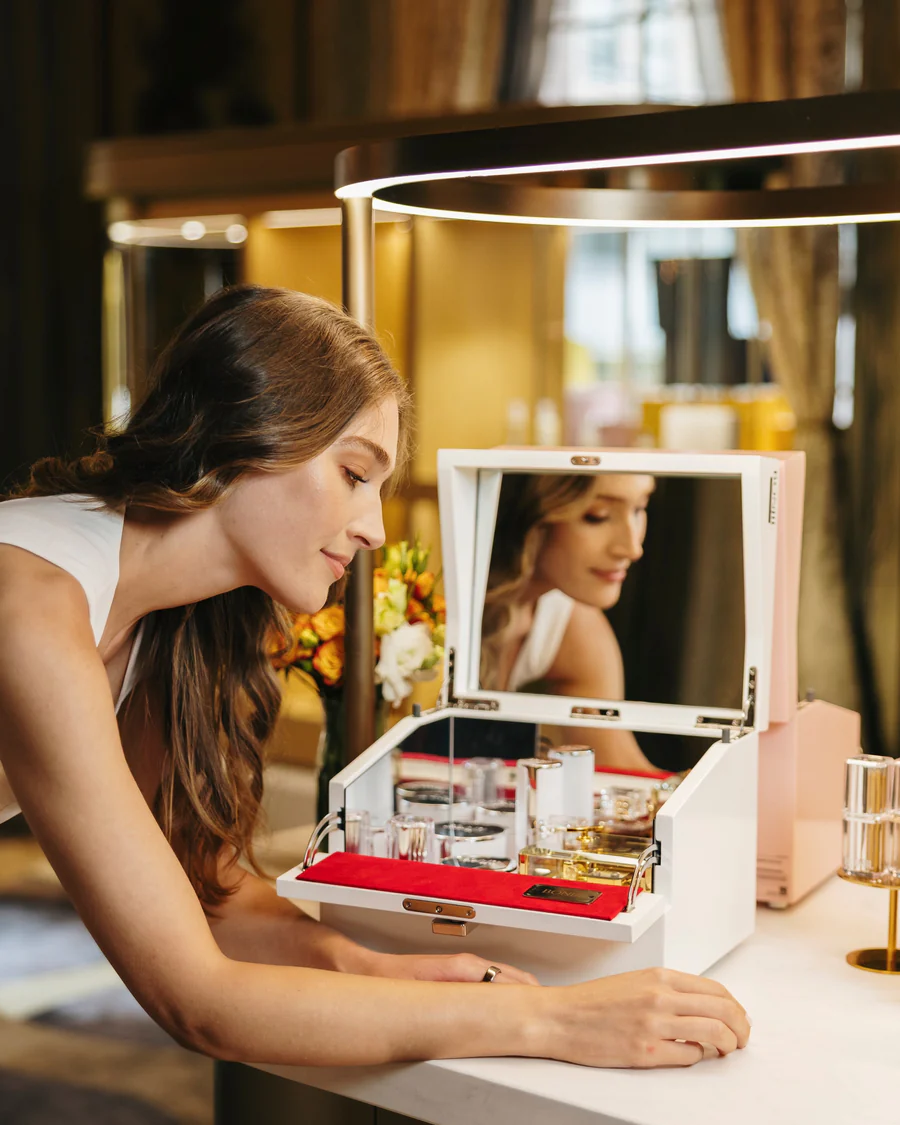
Neurocosmetics are skincare formulations that interact with the skin's nervous system, and when combined with prebiotics, they target acne through both neurological stress pathways and microbial rebalancing simultaneously.
This guide covers the skin-brain connection and its role in breakouts, microbiome science behind acne, how prebiotics restore bacterial balance, the neurocosmetic difference from conventional treatments, clinical evidence supporting this approach, and building an effective prebiotic skincare ritual.
Stress signals trigger neuropeptides like corticotropin-releasing hormone (CRH) and melanocortin-1 receptor (MC-1R) in the skin, which stimulate sebocytes to overproduce oil and launch inflammatory cascades that drive persistent breakouts.
The skin microbiome directly influences acne through microbial diversity; when beneficial bacteria decline and pathogenic Cutibacterium acnes phylotypes dominate, immune responses escalate and pores become chronically inflamed.
Prebiotic ingredients, including fructooligosaccharides and alpha-glucan oligosaccharide, selectively feed protective bacteria through competitive exclusion rather than killing microbes indiscriminately, which strengthens the skin barrier and regulates sebum composition.
Unlike conventional treatments that risk antibiotic resistance and microbial disruption, neurocosmetic prebiotic formulations calm neurogenic inflammation while supporting the skin's ecology, addressing root causes across the gut-skin-brain axis.
Clinical research shows prebiotics reduce both inflammatory and non-inflammatory lesions by over 34%, and individuals with stress-reactive, sensitive, or hormonally influenced acne respond particularly well to this dual-action strategy when sustained over a consistent four to twelve week routine.
What Are Neurocosmetics and Why Do They Matter for Acne?
Neurocosmetics are skincare formulations designed to interact with the skin's nervous system, targeting the neurological pathways that influence skin health. For acne, this matters because stress signals, neuropeptides, and neurogenic inflammation all contribute to breakout severity. The following subsections explore the skin-brain connection, the role of neuropeptides, and how stress signaling worsens acne.
How Does the Skin-Brain Connection Influence Acne?
The skin-brain connection influences acne through a bidirectional communication network where the central nervous system and cutaneous nerve endings exchange chemical signals that directly affect sebaceous gland activity, inflammation, and barrier function. The skin contains its own neuroendocrine system, producing many of the same stress hormones and neurotransmitters found in the brain. When psychological stress activates this system, the skin responds locally by increasing sebum output and triggering inflammatory cascades. This overlap explains why emotional distress so often precedes flare-ups, making the skin-brain axis a compelling target for neurocosmetic intervention.

What Role Do Neuropeptides Play in Acne Formation?
Neuropeptides play a central role in acne formation by acting as molecular messengers that link nervous system activity to inflammatory and sebaceous responses within the skin. According to research published in Dermato-endocrinology (PMC, National Institutes of Health), neuropeptides such as the complete corticotropin-releasing hormone (CRH) system and melanocortin-1 receptor (MC-1R) are involved in the pathogenesis of acne. CRH stimulates sebocyte lipid production, while MC-1R modulates inflammatory tone in skin cells. These peptides essentially translate neural stress signals into the biological processes that drive excess oil, redness, and lesion development, which is precisely why neurocosmetic formulations aim to modulate neuropeptide activity at the skin level.
How Does Stress Signaling Through the Skin Worsen Breakouts?
Stress signaling through the skin worsens breakouts by activating local neuroendocrine pathways that amplify inflammation and sebum overproduction. When the skin perceives stress, sensory nerve fibers release substance P and other pro-inflammatory neuropeptides directly into surrounding tissue. These molecules stimulate sebaceous glands, enlarge pores, and recruit immune cells that intensify swelling around clogged follicles. Chronic stress sustains this cycle, keeping the skin in a prolonged inflammatory state where breakouts persist and healing slows. For acne-prone individuals, even low-grade psychological tension can maintain this feedback loop. Neurocosmetic strategies that calm these cutaneous stress pathways offer a fundamentally different approach to managing persistent, stress-driven acne.
What Is the Skin Microbiome and How Does It Relate to Acne?
The skin microbiome is the complex community of bacteria, fungi, and viruses living on the skin's surface, and it relates to acne through its direct influence on inflammation, sebum regulation, and barrier integrity. A balanced microbiome protects against breakouts, while disruption fuels them.
How Does a Balanced Skin Microbiome Prevent Acne?
A balanced skin microbiome prevents acne by maintaining microbial diversity that keeps pathogenic strains in check and supports the skin's natural defenses. Beneficial bacteria compete with acne-causing organisms for nutrients and adhesion sites, limiting their overgrowth.
According to research published in Antioxidants (PMC, National Institutes of Health), prebiotic oligosaccharides modulate the skin microbiome and microbiota-host interactions, delivering antioxidant, anti-inflammatory, and wound-healing benefits that attenuate acne and enhance skin hydration. These protective functions reduce the inflammatory cascade before breakouts can take hold. When microbial equilibrium is maintained, sebocytes and keratinocytes are less likely to trigger excessive immune responses, keeping pores clearer and skin calmer.
What Happens When the Skin Microbiome Becomes Dysbiotic?
The skin microbiome becomes dysbiotic when microbial diversity collapses and opportunistic bacteria dominate the ecosystem. This imbalance triggers a chain reaction that worsens acne through several mechanisms:
-
Protective commensal bacteria decline, leaving pathogenic strains unchecked.
-
The skin barrier weakens, increasing transepidermal water loss and sensitivity.
-
Sebocytes produce excess sebum in response to microbial signals, clogging pores.
-
Pro-inflammatory cytokines surge as the immune system reacts to the altered microbial landscape.
Harsh topical treatments, environmental stressors, and overwashing are common triggers of dysbiosis. Once established, this disrupted state becomes self-reinforcing; inflammation feeds bacterial overgrowth, which generates more inflammation. Breaking this cycle requires restoring diversity rather than simply eliminating bacteria.
Which Bacteria Are Most Linked to Acne Development?
The bacteria most linked to acne development are specific phylotypes of Cutibacterium acnes (formerly Propionibacterium acnes). Not all strains of C. acnes cause breakouts; certain virulent phylotypes colonize sebaceous follicles and trigger disproportionate immune responses.
Stress compounds bacterial acne pathogenesis significantly. A study published in Clinical, Cosmetic and Investigational Dermatology (PMC, National Institutes of Health) found that an increase in stress severity strongly correlated with an increase in acne severity (p<0.01). This connection highlights how psychological stress alters skin conditions that favor pathogenic C. acnes dominance. Staphylococcus epidermidis also plays a role, though its relationship with acne is more nuanced, sometimes protective and sometimes contributory depending on strain balance.
Understanding which bacterial strains drive breakouts points toward targeted interventions like prebiotics over broad-spectrum approaches.
How Do Prebiotics Help Manage Acne-Prone Skin?
Prebiotics help manage acne-prone skin by selectively nourishing beneficial bacteria, restoring microbial balance, and reinforcing the skin barrier. The following subsections explain how prebiotics differ from probiotics, rebalance the microbiome, which ingredients work best, and how barrier strength prevents breakouts.

How Do Prebiotics Differ From Probiotics in Skincare?
Prebiotics differ from probiotics in skincare by functioning as nutrient substrates for existing beneficial microorganisms rather than introducing live bacteria to the skin's surface. Probiotics are formulations containing live or inactivated microbes applied topically. Prebiotics, by contrast, are non-living compounds, typically oligosaccharides or plant-derived fibers, that feed the skin's resident beneficial flora.
This distinction matters for acne-prone skin because prebiotics work with the microbiome already present, encouraging commensal bacteria to thrive without the stability challenges that live probiotic cultures face in cosmetic formulations. For most acne-prone individuals, prebiotics offer a more practical starting point because they support the skin's own ecosystem rather than attempting to transplant external organisms.
How Do Prebiotics Restore Microbial Balance on Acne Skin?
Prebiotics restore microbial balance on acne skin by selectively promoting beneficial commensal bacteria while limiting the dominance of pathogenic strains. According to a study published in Antioxidants (PMC, National Institutes of Health), prebiotic oligosaccharides modulate the skin microbiome and microbiota-host interactions, delivering anti-inflammatory, antioxidant, and wound-healing benefits that attenuate acne and enhance hydration.
When beneficial species receive adequate nourishment, they outcompete inflammatory strains through competitive exclusion. This shift reduces the microbial imbalance, known as dysbiosis, that drives breakout cycles. Rather than eliminating bacteria indiscriminately, as harsh treatments often do, prebiotics recalibrate the ecosystem so protective species can keep inflammatory populations in check.
Which Prebiotic Ingredients Are Most Effective for Acne?
The prebiotic ingredients most effective for acne include:
-
Fructooligosaccharides (FOS): These short-chain sugars selectively feed beneficial skin bacteria and help suppress inflammatory microbial overgrowth.
-
Galactooligosaccharides (GOS): Derived from lactose, GOS promotes commensal bacterial diversity on the skin's surface.
-
Inulin: A plant-derived polysaccharide that serves as a fermentable substrate for protective microorganisms, supporting barrier function.
-
Alpha-glucan oligosaccharide: This glucose-based prebiotic encourages beneficial species while reducing adhesion of harmful bacteria to the skin.
When selecting prebiotic skincare for acne, prioritizing formulations that combine oligosaccharide prebiotics with soothing, non-comedogenic bases tends to yield the most consistent results across varying skin types.
How Do Prebiotics Strengthen the Skin Barrier Against Breakouts?
Prebiotics strengthen the skin barrier against breakouts by fostering microbial populations that produce short-chain fatty acids and antimicrobial peptides on the skin's surface. These metabolites lower the skin's pH, reinforce the acid mantle, and tighten lipid layer integrity.
A compromised barrier allows irritants and pathogens to penetrate more easily, triggering inflammatory responses that worsen acne. By promoting beneficial bacteria that actively maintain this protective layer, prebiotics reduce transepidermal water loss and keep the stratum corneum resilient. Healthy barrier function also prevents the overproduction of sebum that often occurs as a compensatory response to dehydration, a cycle frequently overlooked in conventional acne management.
With barrier integrity supported, neurocosmetic formulations can address the neurogenic inflammation pathways that distinguish this approach from standard treatments.
How Does the Neurocosmetic Approach to Prebiotics Differ From Conventional Acne Treatments?
The neurocosmetic approach to prebiotics differs from conventional acne treatments by targeting the gut-skin-brain axis rather than suppressing symptoms alone. The following subsections explore axis-level signaling, microbiome disruption risks, and neurogenic inflammation control.
How Do Neurocosmetic Prebiotics Address the Gut-Skin-Brain Axis?
Neurocosmetic prebiotics address the gut-skin-brain axis by modulating microbial, neural, and immune pathways simultaneously. Rather than isolating one trigger, these formulations nourish beneficial skin flora while calming stress-driven neuropeptide cascades that amplify sebum production and inflammation.
Stress severity strongly correlates with acne severity at a statistically significant level (p<0.01), according to a study published in Clinical, Cosmetic and Investigational Dermatology. This connection explains why purely topical interventions often fall short. When prebiotics feed commensal bacteria and simultaneously quiet neurogenic stress signals, the entire axis stabilizes. For acne-prone skin caught in a stress-breakout loop, this multi-pathway strategy addresses root causes that single-target treatments routinely miss.
Why Do Conventional Acne Treatments Often Disrupt the Microbiome?
Conventional acne treatments often disrupt the microbiome because broad-spectrum antibiotics and harsh actives eliminate beneficial bacteria alongside acne-causing strains. Benzoyl peroxide, topical antibiotics, and oral tetracyclines reduce pathogenic Cutibacterium acnes populations but simultaneously strip microbial diversity that keeps skin resilient.
This indiscriminate action creates a problematic cycle. Once commensal species are depleted, opportunistic organisms colonize the skin more easily, often triggering rebound breakouts or sensitization. A 2025 analysis in Frontiers in Microbiology found that antibiotic resistance rates in C. acnes isolates reached 77% for clarithromycin in certain regions, attributed to overuse of antibiotics in acne treatment. Neurocosmetic prebiotic formulations avoid this collateral damage by selectively feeding protective microbes instead of killing broadly.
How Do Neurocosmetic Formulations Calm Neurogenic Inflammation?
Neurocosmetic formulations calm neurogenic inflammation by interrupting stress-activated neuropeptide pathways, such as the corticotropin-releasing hormone (CRH) system and melanocortin-1 receptor (MC-1R), that drive inflammatory cascades in the skin. Research published in Dermato-endocrinology suggests that neuropeptides including the complete CRH system and MC-1R are involved in the pathogenesis of acne.
When psychological stress activates these pathways, sebocytes and keratinocytes release pro-inflammatory mediators that worsen breakouts. Neurocosmetic prebiotics work on two fronts: they support microbial populations that produce calming postbiotic metabolites, while sensory-active ingredients quiet neural overactivity at the skin surface. This dual mechanism makes them particularly well suited for stress-reactive, acne-prone complexions.
With the neurocosmetic framework established, examining the clinical evidence behind prebiotics for acne reveals how these mechanisms translate into measurable results.
What Does the Science Say About Prebiotics for Acne?
The science shows prebiotics for acne work by restoring microbial diversity, reducing inflammatory signaling, and lowering lesion counts. Below, clinical evidence, sebum-related effects, and scarring outcomes clarify what current research supports.
What Do Clinical Studies Show About Prebiotic Efficacy on Acne?
Clinical studies show prebiotic efficacy on acne centers on correcting the microbial imbalances that drive inflammation. According to a review published in the American Journal of Clinical Dermatology, inflammatory acne is related to a loss of diversity among Cutibacterium acnes phylotypes, not simply an overgrowth of the bacterium itself. When diversity collapses, dominant pathogenic strains activate toll-like receptors TLR-2 and TLR-4 on sebocytes and keratinocytes, triggering pro-inflammatory cytokines IL-6, IL-8, and IL-12.
Prebiotics address this cascade at its source by selectively nourishing beneficial microbial strains, which helps restore phylotype diversity and dampen the immune overreaction. For acne-prone skin, this mechanism is arguably more sustainable than antimicrobial approaches that further reduce microbial variety.
How Do Prebiotics Affect Sebum Production and Pore Health?
Prebiotics affect sebum production and pore health by modulating the microbial environment around sebaceous glands. When beneficial bacteria thrive, they produce short-chain fatty acids that help regulate sebocyte activity and lipid composition. This shift can reduce the thick, oxidation-prone sebum associated with clogged pores.
A balanced microbiome also limits the biofilm formation that traps sebum inside follicles. Prebiotics support commensal organisms that compete with pathogenic strains for follicular space, keeping pores clearer without stripping the skin's natural lipid layer. For anyone dealing with persistent congestion, this microbiome-first strategy offers a gentler path than aggressive sebum-suppressing ingredients.
Can Prebiotics Reduce Acne Scarring and Post-Inflammatory Marks?
Yes, prebiotics can reduce acne scarring and post-inflammatory marks by lowering the inflammatory burden that worsens tissue damage. According to a study published in the Journal of Cosmetic Dermatology, acne lesions significantly reduced across non-inflammatory lesions, inflammatory lesions, and total lesions after treatment, declining by 36.0%, 34.5%, and 35.9% respectively.
Fewer active lesions mean less trauma to surrounding tissue, which directly limits the hyperpigmentation and textural irregularities that follow breakouts. By calming inflammation before it escalates, prebiotic-supported skin heals with less residual marking. This preventive angle is often underestimated; reducing scar formation at the inflammatory stage is far more effective than treating established scars after the fact.
With clinical evidence supporting prebiotic mechanisms, the next consideration is identifying who benefits most from this neurocosmetic approach.
Who Benefits Most From a Neurocosmetic Prebiotic Approach to Acne?
People with stress-driven breakouts, reactive skin, and hormonally influenced acne benefit most from a neurocosmetic prebiotic approach. Each skin profile responds differently to this dual-action strategy.
Does Stress-Related Acne Respond Better to Neurocosmetic Prebiotics?
Stress-related acne responds notably well to neurocosmetic prebiotics because this approach targets both the neurological trigger and the microbial consequence simultaneously. Conventional treatments address surface-level bacteria or inflammation, while neurocosmetic prebiotics work to calm stress-activated neuropeptide signaling and restore microbial diversity at the same time.
A study published in Clinical, Cosmetic and Investigational Dermatology found that an increase in stress severity strongly correlated with an increase in acne severity (p<0.01). Since stress elevates CRH and substance P in the skin, which then disrupts sebum regulation and microbial balance, a formulation that soothes neural pathways while feeding beneficial flora addresses the root cycle rather than a single symptom. For individuals whose breakouts flare predictably with anxiety or tension, this makes neurocosmetic prebiotics a particularly well-matched strategy.
Can Sensitive or Reactive Skin Types Use Prebiotic Neurocosmetics?
Yes, sensitive or reactive skin types can use prebiotic neurocosmetics. Prebiotics are non-living substrates that selectively nourish beneficial microorganisms without introducing live bacterial strains, making them inherently gentle. Unlike harsh actives such as benzoyl peroxide or retinoids, prebiotic ingredients support the skin barrier rather than stripping it.
Reactive skin often involves compromised barrier function and heightened neurogenic inflammation. Neurocosmetic formulations address both issues by calming sensory nerve responses and reinforcing microbial equilibrium. Key prebiotic components, including oligosaccharides and inulin, work without lowering skin pH aggressively or causing irritation. For those who have exhausted conventional acne treatments due to sensitivity, this gentler mechanism offers a viable path forward.
Are Neurocosmetic Prebiotics Effective for Hormonal Acne?
Neurocosmetic prebiotics are effective as a complementary support for hormonal acne, though they do not replace endocrine-level interventions. Hormonal acne involves androgen-driven sebum overproduction, which prebiotics alone cannot regulate. However, the neurogenic inflammation and microbial dysbiosis that amplify hormonal breakouts fall squarely within the neurocosmetic prebiotic framework.
Hormonal fluctuations elevate stress neuropeptides in the skin, creating a secondary inflammatory cascade on top of the androgenic trigger. By calming this neural component and supporting diverse bacterial populations, prebiotic neurocosmetics reduce the severity and duration of hormonally triggered lesions. They work best when paired with hormonal management strategies, functioning as the topical layer that addresses what systemic treatments cannot reach at the skin surface.
Understanding which skin profiles benefit most helps determine the right routine structure and ingredient combinations.
How Should You Build a Neurocosmetic Prebiotic Skincare Routine for Acne?
You should build a neurocosmetic prebiotic skincare routine for acne by layering microbiome-supportive products within a calming, sensory ritual. The following subsections cover essential steps, realistic timelines, and ingredient conflicts to avoid.
What Steps Should a Prebiotic Acne Routine Include?
A prebiotic acne routine should include these core steps:
-
Gentle prebiotic cleanser. Use a mild, pH-balanced formula that removes excess sebum without stripping beneficial bacteria from the skin surface.
-
Prebiotic-infused serum or essence. Apply a concentrated treatment containing prebiotic oligosaccharides to nourish commensal microbes and calm neurogenic inflammation.
-
Lightweight moisturizer with barrier-repair actives. Lock in hydration using a non-comedogenic cream that reinforces the skin barrier while feeding protective flora.
-
Broad-spectrum SPF (morning only). Shield the microbiome from UV-induced oxidative stress that can trigger inflammatory cascades.
-
Mindful, multisensory application. Engage calming textures, soothing scents, and intentional touch to downregulate stress neuropeptides at the skin level.
Consistency matters more than complexity. For most acne-prone individuals, prioritizing microbiome balance over aggressive actives yields steadier, longer-lasting results.

How Long Does It Take for Prebiotic Skincare to Improve Acne?
Prebiotic skincare typically takes four to eight weeks to show visible improvement in acne. Unlike conventional treatments that target bacteria aggressively, prebiotics work by gradually restoring microbial diversity and strengthening the skin barrier. Initial shifts in skin texture and reduced redness often appear within the first two to three weeks.
Because the neurocosmetic approach also addresses stress-mediated pathways, results can vary with individual stress levels and skin sensitivity. Those with mild to moderate acne frequently notice reduced breakout frequency sooner, while deeper inflammatory lesions may require a full 8 to 12 week cycle. Patience during this microbiome rebalancing phase is essential; switching products too early can reset progress entirely.
Which Ingredients Should You Avoid Combining With Prebiotics?
The ingredients you should avoid combining with prebiotics include harsh antimicrobials, strong exfoliating acids at high concentrations, and alcohol-heavy formulations. These actives can undermine the very microbial ecosystem that prebiotics are designed to support.
Specific conflicts to watch for:
-
Benzoyl peroxide kills bacteria indiscriminately, reducing both harmful and beneficial microbes that prebiotics feed.
-
High-concentration salicylic or glycolic acid (above 2% BHA or 10% AHA) can disrupt the skin barrier and create an inhospitable environment for commensal flora.
-
Denatured alcohol or harsh sulfate cleansers strip lipids and beneficial organisms from the skin surface.
According to the U.S. Food and Drug Administration, the FDA does not pre-approve cosmetic products or ingredients, meaning consumers must evaluate formulation compatibility themselves. Understanding how prebiotic-friendly routines differ from conventional acne regimens helps protect your investment in microbiome health.
How Can a Multisensory Skincare Ritual Enhance Prebiotic Acne Care?
A multisensory skincare ritual can enhance prebiotic acne care by combining stress-reducing sensory experiences with microbiome-supportive formulations. The following sections explore how BONJIL's collections support acne-prone skin and summarize the article's key takeaways.
Can BONJIL's Neurocosmetic Collections Support Acne-Prone Skin?
Yes, BONJIL's neurocosmetic collections can support acne-prone skin by integrating sensory science with skincare formulations designed around the skin-brain connection. Each collection transforms daily application into a mindful ritual, engaging sight, sound, touch, and scent to calm the nervous system during use.
This approach matters because stress directly worsens breakouts. Reducing cortisol-driven skin responses through intentional, calming rituals complements the microbiome-balancing work of prebiotic ingredients. BONJIL's Music Box collection, for example, provides soothing auditory cues that turn cleansing and moisturizing steps into moments of genuine relaxation.
For acne-prone skin that flares under emotional pressure, pairing neurocosmetic ritual design with prebiotic actives addresses both the neurogenic and microbial dimensions of breakouts simultaneously.
What Are the Key Takeaways About Neurocosmetics Prebiotics and Acne?
The key takeaways about neurocosmetics, prebiotics, and acne center on three interconnected principles:
-
The skin-brain axis drives acne. Neuropeptides and stress signaling trigger sebum overproduction and inflammation, making neurogenic factors a root cause rather than a secondary concern.
-
Prebiotics restore microbial balance. Rather than eliminating bacteria indiscriminately, prebiotic ingredients selectively nourish beneficial microorganisms that keep pathogenic strains in check.
-
Sensory rituals reduce stress-driven flares. Neurocosmetic formulations that engage multiple senses lower the neurological stress responses that worsen breakouts.
-
Conventional treatments carry trade-offs. Antibiotic-based approaches risk microbial disruption and resistance, while prebiotic strategies work with the skin's ecology.
-
Consistency matters more than intensity. A gentle, ritual-based prebiotic routine sustained over weeks delivers more lasting results than aggressive short-term interventions.
Approaching acne through neurocosmetics and prebiotics together represents a shift from symptom suppression to systemic skin wellness.