Neurocosmetic ingredients are bioactive compounds that interact with the skin's nervous system to influence both appearance and sensory well-being. Unlike traditional actives that target surface-level symptoms, these ingredients modulate neurotransmitters, neuropeptides, and stress hormones directly within skin cells.
This guide covers how neurocosmetics work through the skin-brain axis, the most effective extracts and oils in this category, the role of neuropeptides in formulations, concern-specific ingredient selection, sourcing and formulation science, clinical evidence behind efficacy claims, and how multisensory rituals amplify results.
Neurocosmetic extracts range from cortisol-inhibiting botanicals like Neurophroline (derived from wild indigo) to dopamine-activating blue lotus and endorphin-stimulating Happybelle-PE. Synthetic peptides such as Acetyl Hexapeptide-8 reduce expression lines by modulating muscle contractions at the neuromuscular junction, while adaptogens like Rhodiola Rosea shield skin from environmental stress.
Botanical oils serve a complementary function, reinforcing the lipid barrier surrounding cutaneous nerve endings. Jojoba oil mirrors human sebum composition, squalane restores barrier function rapidly, and hemp seed oil supplies fatty acids in an optimal ratio that supports both skin integrity and neuro-skin signaling.
Formulation science determines whether these actives reach their targets. Nanoencapsulation technologies, including niosomes and solid lipid nanoparticles, enhance stability and penetration of fragile neuropeptides through the stratum corneum.
Clinical validation separates credible neurocosmetic products from marketing claims. Placebo-controlled trials, in-vitro cortisol inhibition assays, and instrument-based skin measurements provide the evidence base that regulatory bodies require for cosmetic (not therapeutic) claims.
What Are Neurocosmetic Ingredients and How Do They Work?
Neurocosmetic ingredients are bioactive compounds that interact with the skin's nervous system to influence both appearance and sensory well-being. The sections below explain how these ingredients communicate with cutaneous nerves, the skin-brain axis they rely on, and what sets them apart from conventional actives.
How Do Neurocosmetic Ingredients Communicate With the Skin's Nervous System?
Neurocosmetic ingredients communicate with the skin's nervous system by targeting receptors on sensory nerve endings and keratinocytes embedded throughout the epidermis and dermis. According to MDPI, neurocosmetics are nontoxic, bioactive topical products that contain ingredients designed to work at a neurological level. When applied, these compounds bind to neurotransmitter receptors, neuropeptide receptors, or ion channels in cutaneous nerve fibers. This binding can modulate the release of signaling molecules such as substance P, calcitonin gene-related peptide, and beta-endorphins. The result is a measurable shift in local nerve activity that influences inflammation, muscle micro-tension, and comfort perception directly at the application site.
What Is the Skin-Brain Axis in Neurocosmetics?
The skin-brain axis in neurocosmetics is the bidirectional communication pathway linking the cutaneous nervous system to the central nervous system. Skin cells share a common embryological origin with neurons, both developing from the ectoderm. This shared lineage allows keratinocytes and melanocytes to produce neurotransmitters, including serotonin, dopamine, and cortisol. Signals generated at the skin surface travel through sensory afferent nerves to the brain, while the brain sends efferent signals back that affect skin physiology. Stress perceived by the brain can trigger cortisol release in skin cells, accelerating collagen degradation and barrier dysfunction. Neurocosmetic formulations leverage this loop, calming local stress responses before they cascade centrally.

How Do Neurocosmetic Ingredients Differ From Traditional Skincare Actives?
Neurocosmetic ingredients differ from traditional skincare actives by targeting the neurological signaling pathways within skin rather than acting solely on structural or biochemical processes. Traditional actives like hyaluronic acid, retinol, or glycolic acid work by hydrating the extracellular matrix, stimulating collagen synthesis, or accelerating cell turnover. Neurocosmetics, by contrast, modulate neurotransmitter activity, neuropeptide release, or stress-hormone production at the cellular level.
Key distinctions include:
-
Traditional actives address visible symptoms such as dryness, wrinkles, or uneven tone through direct chemical interaction with skin tissue.
-
Neurocosmetic actives address the neurological triggers behind those symptoms, such as cortisol-driven inflammation or muscle micro-contractions.
-
Traditional formulations rarely influence sensory perception, while neurocosmetics are designed to alter how skin "feels" at the nerve level.
For formulators prioritizing root-cause skincare, neurocosmetic actives offer a complementary layer that conventional ingredients simply cannot replicate. Understanding these mechanisms makes it easier to evaluate the specific extracts that deliver neurocosmetic benefits.
What Are the Most Effective Neurocosmetic Extracts?
The most effective neurocosmetic extracts include botanical and bioactive compounds that interact with the skin's nervous system to reduce stress signals, boost feel-good neurotransmitters, or protect against environmental aggressors. The following extracts represent the leading actives in this category.

Neurophroline
Neurophroline is a patented extract derived from wild indigo (Tephrosia purpurea) that targets stress at the cellular level. It operates through a dual-axis approach, inhibiting local cortisol production directly inside skin cells while stimulating beta-endorphin release and activating anti-stress protein expression via the Nrf2 pathway, according to GOA Skincare. This combination makes Neurophroline one of the most compelling neurocosmetic actives available, addressing both the biochemical cause of stress-related skin damage and the sensory perception of well-being simultaneously.
Blue Lotus Extract
Blue lotus extract is a neurocosmetic botanical prized for its calming and mood-enhancing properties. The blue lotus flower contains apomorphine, a psychoactive compound that acts as a dopamine agonist, instilling happy and euphoric feelings, as reported by Healthline. In topical formulations, this dopaminergic activity translates to soothing sensory signals at the skin level. The extract's ability to promote a sense of calm makes it particularly suited for products designed around relaxation rituals.
Happybelle-PE
Happybelle-PE is a phyto-endorphin complex based on monk's pepper (Vitex agnus-castus). According to Mibelle Biochemistry, this active is known for its mood-enhancing activity, fighting signs of aging in combination with antioxidant and moisturizing factors. By stimulating endorphin-like responses in skin cells, Happybelle-PE bridges the gap between emotional well-being and visible anti-aging results. Few ingredients address both dimensions this effectively within a single complex.
Dragosine Plus
Dragosine Plus is a neurocosmetic active based on L-Carnosine that protects skin against blue light damage. Dragosine lowers reactive oxygen species (ROS) values and reduces the number of melan-A positive cells, which are indicators of oxidation and pigmentation, as recognized by a Symrise IFSCC poster award. Given how pervasive screen exposure has become, this extract addresses a modern skin stressor that most traditional actives overlook entirely.
Lotus Japonicus Extract
Lotus japonicus extract is derived from a leguminous model plant rich in bioactive secondary metabolites. According to a 2024 study published in PubMed Central, Lotus japonicus produces a wide variety of secondary metabolites with biological activities that could be explored for the treatment of human diseases. In neurocosmetics, these metabolites offer antioxidant and soothing properties that support skin resilience under stress.
Edelweiss Extract
Edelweiss extract (Leontopodium alpinum) is a high-altitude botanical with powerful antioxidant and anti-aging properties. A clinical test published in PubMed Central demonstrated that constant application of Leontopodium alpinum callus culture extract improved anti-periorbital wrinkles, skin elasticity, dermal density, and skin thickness compared with a placebo. The plant's adaptation to extreme UV and oxidative conditions at high elevations gives its extract a natural concentration of protective compounds that few lowland botanicals can match.
Rhodiola Rosea Extract
Rhodiola Rosea extract is an adaptogenic botanical that helps skin cope with environmental and psychological stress. According to the Research Journal of Topical and Cosmetic Sciences, Rhodiola Rosea helps reduce the negative effects of stress on the body and protect the skin from damaging environmental factors. Its adaptogenic mechanism works by modulating cortisol pathways, making it a natural complement to peptide-based neurocosmetic actives.
Calmosensine
Calmosensine is a biomimetic peptide that targets sensory nerve endings in the skin. Calmosensine SP modulates the perception of unpleasant sensations, enhances well-being, and alleviates tension to prevent the onset of expression lines and wrinkles, as described by Croda Beauty. By calming sensory neurons directly, this peptide works at the intersection of comfort and anti-aging, a defining characteristic of neurocosmetic formulation philosophy.
Acetyl Hexapeptide-8
Acetyl Hexapeptide-8, also known as Argireline, is a synthetic peptide that targets wrinkle formation by reducing muscle contractions. It functions similarly to botulinum neurotoxin (Botox) but in a topical, non-invasive format, as noted by Natural Organic Skincare. This neuromodulating mechanism makes Argireline one of the most widely recognized peptides in neurocosmetic anti-aging products.
Blackcurrant Seed Extract
Blackcurrant seed extract provides essential fatty acids that support the skin's lipid barrier and nervous system function. Blackcurrant seed oil typically contains 12% to 15% gamma-linolenic acid (GLA), an omega-6 fatty acid that plays a crucial role in maintaining healthy skin, according to Doctors Nutrition. GLA deficiency has been linked to impaired barrier function and increased sensitivity, making this extract a valuable neurocosmetic ingredient for reactive skin types. Beyond extracts, neurocosmetic oils offer complementary lipid-based benefits for skin and nerve health.
What Are the Best Neurocosmetic Oils for Skin and Nerve Health?
The best neurocosmetic oils for skin and nerve health are botanical and bio-identical oils that nourish the skin barrier while supporting sensory nerve function. The following subsections cover rosehip seed oil, marula oil, squalane, hemp seed oil, jojoba oil, bakuchiol oil, blue tansy oil, and neroli essential oil.

Rosehip Seed Oil
Rosehip seed oil is a cold-pressed botanical rich in trans-retinoic acid and essential fatty acids that support skin renewal and nerve-adjacent tissue repair. A clinical study published in MDPI's Cosmetics journal showed that topical treatment with 100% rosehip seed oil effectively improved skin hydration levels and significantly improved the appearance of post-surgical scars, including erythema, discoloration, and atrophy. Its high linoleic acid content helps reinforce the lipid matrix surrounding cutaneous nerve endings, making it particularly suited for neurocosmetic formulations targeting both visible repair and sensory comfort.
Marula Oil
Marula oil is a lightweight, fast-absorbing oil extracted from the fruit kernels of the Sclerocarya birrea tree. According to research published on ResearchGate, fresh marula juice and its oil exhibit significant antioxidant activity, with the juice containing on average four times more antioxidants than orange or pomegranate juice. This potent antioxidant profile helps protect cutaneous nerve fibers from oxidative stress. Marula oil's oleic acid content also enhances skin penetration, allowing neurocosmetic actives in a formulation to reach deeper dermal layers more effectively.
Squalane
Squalane is a stable, hydrogenated form of squalene, a lipid naturally produced by human sebocytes. In a comparative study, squalane achieved transepidermal water loss normalization (below 15 g/m²/h) at a median of 22.3 hours, nearly twice as fast as marula oil at 41.7 hours. This rapid barrier restoration makes squalane especially valuable in neurocosmetic products designed for post-procedure or sensitized skin. Because it mirrors the skin's own lipid composition, squalane calms sensory nerve irritation without occluding pores.
Hemp Seed Oil
Hemp seed oil provides omega-6 and omega-3 fatty acids in an ideal 3:1 ratio, making it a highly beneficial source for skin health and brain function, as noted by The Trost. This specific fatty acid balance supports the phospholipid membranes surrounding peripheral nerve endings in the dermis. Gamma-linolenic acid in hemp seed oil also modulates inflammatory signaling pathways that can trigger sensory discomfort. For neurocosmetic formulations, this dual action on both structural lipid repair and neuroinflammatory modulation is exceptionally valuable.
Jojoba Oil
Jojoba oil is a liquid wax ester extracted from the seeds of Simmondsia chinensis. Cold-pressed jojoba oil shares 89.3% structural homology with human sebum, allowing it to mimic natural skin oils and repair the skin barrier effectively, according to research published in Authorea. This close molecular resemblance means jojoba integrates seamlessly into the stratum corneum without disrupting the delicate nerve-rich microenvironment beneath. For sensitive or reactive skin types, this bio-identical compatibility makes jojoba one of the most versatile carrier oils in neurocosmetic skincare.
Bakuchiol Oil
Bakuchiol oil is a meroterpene derived from the seeds and leaves of Psoralea corylifolia. A randomized, double-blind study published in PubMed demonstrated that bakuchiol is comparable to retinol in its ability to improve photoaging, including wrinkles and hyperpigmentation, but is significantly better tolerated with less irritation. This reduced irritation potential is critical in neurocosmetics, where triggering sensory nerve discomfort undermines the calming, well-being-focused goals of a formulation. Bakuchiol delivers retinoid-like renewal without the neurogenic inflammation that retinol commonly provokes.
Blue Tansy Oil
Blue tansy oil is a steam-distilled essential oil from Tanacetum annuum, prized for its deep blue color and calming properties. Blue tansy oil contains chamazulene at concentrations up to 30%, providing potent anti-inflammatory and antioxidant properties compared to German chamomile at roughly 5%, as reported by eOil.co.za. Chamazulene inhibits leukotriene synthesis, which directly reduces neurogenic inflammation in skin tissue. This makes blue tansy oil particularly effective for soothing reactive, nerve-sensitized complexions within a neurocosmetic ritual.
Neroli Essential Oil
Neroli essential oil is steam-distilled from the blossoms of Citrus aurantium (bitter orange). A study published in PMC found that inhalation of 0.1% or 0.5% neroli oil for five minutes twice daily for five days significantly decreased serum cortisol levels and blood pressure in postmenopausal women. This cortisol-lowering effect connects directly to the neurocosmetic principle of reducing stress hormones that accelerate skin aging. When incorporated into topical formulations or used alongside skincare rituals, neroli bridges aromatherapeutic nervous system benefits with visible skin improvement.
With these oils profiled, understanding how neuropeptides function in formulations reveals another layer of neurocosmetic science.
Which Neuropeptides Are Used in Neurocosmetic Formulations?
Neuropeptides used in neurocosmetic formulations include endorphin-boosting compounds, stress-reducing actives, and neurotransmitter-modulating peptides. Each category targets a distinct pathway in the skin-brain axis.
What Role Do Endorphin-Boosting Neuropeptides Play in Skincare?
Endorphin-boosting neuropeptides play a critical role in skincare by stimulating the skin's own feel-good signaling pathways. Beta-endorphin, the body's natural opioid peptide, promotes cellular renewal and reduces inflammation when released locally in skin tissue. Ingredients like Happybelle-PE, a phyto-endorphin complex derived from monk's pepper, trigger this endorphin response topically. The result is skin that appears more radiant and resilient, partly because endorphin signaling counteracts the dulling effects of chronic low-grade stress on cell turnover. For anyone building a neurocosmetic routine, prioritizing endorphin-activating ingredients offers visible skin benefits alongside a genuine sense of comfort during application.
How Do Stress-Reducing Neuropeptides Protect Skin From Cortisol Damage?
Stress-reducing neuropeptides protect skin from cortisol damage by interrupting the hormonal cascade that breaks down collagen and impairs barrier function. Elevated cortisol accelerates skin aging, triggers sensitivity, and slows wound healing. Neurophroline operates through a dual-axis approach, inhibiting local cortisol production directly inside skin cells while stimulating beta-endorphin release and activating anti-stress protein expression via the Nrf2 pathway, according to GOA Skincare. Adaptogenic botanicals complement this peptide action. Rhodiola Rosea reduces the negative effects of stress on the body and shields skin from damaging environmental factors. Together, these ingredients create a layered defense: neuropeptides suppress cortisol at the cellular level while adaptogens bolster the skin's broader stress resilience.
What Are Neurotransmitter-Modulating Peptides in Anti-Aging Products?
Neurotransmitter-modulating peptides in anti-aging products are synthetic or biomimetic peptides that alter how nerve signals reach facial muscles. Acetyl Hexapeptide-8, commonly known as Argireline, reduces muscle contractions by interfering with SNARE complex assembly at the neuromuscular junction, softening expression lines through a mechanism similar to botulinum neurotoxin. Calmosensine SP takes a different approach: it modulates the perception of unpleasant sensations and alleviates facial tension, preventing the onset of expression lines before they form. These peptides represent the most targeted tools in neurocosmetic anti-aging, offering measurable wrinkle reduction without invasive procedures.
With neuropeptide mechanisms clarified, understanding which ingredients address specific skin concerns adds further precision to formulation choices.
What Neurocosmetic Ingredients Target Specific Skin Concerns?
Neurocosmetic ingredients target specific skin concerns by modulating the skin-brain axis to address aging, dehydration, uneven tone, and stress-related sensitivity. The following sub-sections break down the best actives for each concern.

Which Neurocosmetic Ingredients Are Best for Anti-Aging?
The neurocosmetic ingredients best for anti-aging are those that reduce muscle micro-contractions and stimulate skin repair through neurological pathways. Acetyl hexapeptide-8 (Argireline) targets expression wrinkle formation by reducing muscle contractions, functioning through a mechanism similar to botulinum neurotoxin. Calmosensine SP modulates the perception of unpleasant sensations and alleviates tension to prevent the onset of expression lines. Bakuchiol provides a gentler, plant-derived alternative that addresses photoaging, including wrinkles and hyperpigmentation. Edelweiss extract further supports anti-aging by improving skin elasticity and dermal density. These ingredients work on the neurosensory level rather than through conventional exfoliation or simple hydration, making them especially suited for long-term wrinkle prevention strategies.
Which Neurocosmetic Ingredients Are Best for Hydration?
The neurocosmetic ingredients best for hydration are those that restore barrier function while calming neurogenic pathways that contribute to moisture loss. Squalane reinforces the lipid barrier and normalizes transepidermal water loss efficiently. Jojoba oil, which shares 89.3% structural homology with human sebum, mimics natural skin oils and repairs the barrier effectively. Rosehip seed oil improves skin hydration levels while also addressing discoloration. Hemp seed oil supplies omega-6 and omega-3 fatty acids in an optimal 3:1 ratio, supporting both barrier integrity and neuro-skin signaling. When the nervous system perceives environmental stress, moisture loss accelerates; hydrating neurocosmetic oils counteract this cycle by soothing sensory receptors alongside replenishing lipids.
Which Neurocosmetic Ingredients Are Best for Brightening?
The neurocosmetic ingredients best for brightening are those that address pigmentation through stress-modulation and antioxidant defense rather than harsh chemical lightening. Dragosine Plus (L-carnosine) protects skin against blue light by lowering reactive oxygen species and reducing melan-A positive cells, which are direct indicators of oxidation-driven pigmentation. Neurophroline inhibits local cortisol production inside skin cells, addressing the stress-pigmentation connection at its hormonal source. Marula oil delivers significant antioxidant activity that neutralizes free radicals contributing to dull, uneven skin tone. This neurological approach to brightening is particularly valuable because cortisol-driven inflammation often triggers melanin overproduction, a pathway that conventional vitamin C serums alone cannot fully interrupt.
Which Neurocosmetic Ingredients Are Best for Sensitive or Stressed Skin?
The neurocosmetic ingredients best for sensitive or stressed skin are those that calm neurosensory overactivity and reduce inflammation-triggering signals. Rhodiola rosea, known for its adaptogenic properties, helps reduce the negative effects of stress on the body and protects skin from damaging environmental factors. Blue tansy oil contains chamazulene at concentrations up to 30%, providing potent anti-inflammatory and antioxidant properties. Blackcurrant seed oil supplies 12% to 15% gamma-linolenic acid, an omega-6 fatty acid critical for calming reactive skin.
Advanced delivery systems also play a role in efficacy for sensitized skin. According to a 2022 review published on Authorea, nanoencapsulation technologies such as liposomes, niosomes, and solid lipid nanoparticles enhance the stability and skin penetration of bioactive peptides and botanical extracts. Niosomes in particular offer higher stability than traditional liposomes, ensuring gentle yet effective delivery for compromised barriers. With targeted ingredients and optimized delivery identified, the next consideration is how these actives are sourced and formulated for maximum potency.
How Are Neurocosmetic Ingredients Sourced and Formulated?
Neurocosmetic ingredients are sourced from botanicals, bioactive peptides, and lipid-rich oils, then formulated using advanced delivery systems to reach skin nerve receptors. The sections below cover bioavailability factors and how extraction methods influence potency.
What Makes a Neurocosmetic Ingredient Bioavailable to Skin Receptors?
A neurocosmetic ingredient becomes bioavailable to skin receptors when its molecular size, lipophilicity, and delivery vehicle allow penetration past the stratum corneum to reach sensory nerve endings. Small, lipid-soluble molecules cross the skin barrier more efficiently than large, water-soluble compounds.
Nanoencapsulation technologies such as liposomes, niosomes, and solid lipid nanoparticles enhance the stability and skin penetration of bioactive peptides and botanical extracts, according to a 2024 review published on Authorea. Niosomes, formed by non-ionic surfactants, offer particularly high stability compared to traditional liposomes, making them well suited for delivering fragile neuropeptides like Acetyl Hexapeptide-8 to target receptors.
Formulation pH, emulsion type, and co-solvent selection also determine whether an active reaches its intended receptor site intact. Without proper encapsulation, even the most potent neurocosmetic compound can degrade before interacting with cutaneous nerve fibers.
How Does Extraction Method Affect Neurocosmetic Potency?
Extraction method affects neurocosmetic potency by determining how much bioactive compound survives processing with its molecular structure intact. Cold-pressing, supercritical CO₂ extraction, and solvent-based methods each yield different concentrations of active constituents.
Cold-pressed jojoba oil, for instance, retains 89.3% structural homology with human sebum, preserving its barrier-repair capacity in a way that heat-based refining would diminish. Supercritical CO₂ extraction isolates volatile terpenes and flavonoids without thermal degradation, which is critical for compounds like chamazulene in blue tansy oil. Solvent extraction can capture a broader spectrum of secondary metabolites but risks leaving residues that compromise skin safety.
For neurocosmetic formulations specifically, gentle extraction preserves the delicate neuropeptide and phytochemical structures that interact with skin receptors. Prioritizing extraction integrity is one of the most underrated factors in building genuinely effective neurocosmetic products. Understanding these formulation principles sets the stage for evaluating the clinical evidence behind neurocosmetic efficacy.
What Does the Science Say About Neurocosmetic Ingredient Efficacy?
The science behind neurocosmetic ingredient efficacy draws on clinical trials, in-vitro testing, and regulatory validation frameworks. The following subsections examine the clinical evidence supporting key extracts and how manufacturers test and validate their claims.
What Clinical Evidence Supports Neurocosmetic Extracts?
Clinical evidence supporting neurocosmetic extracts comes from randomized controlled trials, in-vitro studies, and comparative analyses across multiple ingredient categories. Several extracts now have published data demonstrating measurable skin outcomes beyond subjective perception.
According to a clinical test published in PMC, constant application of Leontopodium alpinum callus culture extract improved anti-periorbital wrinkles, skin elasticity, dermal density, and skin thickness compared with a placebo. Bakuchiol has also been validated through a randomized, double-blind study demonstrating comparable photoaging improvement to retinol, with significantly less irritation. Rosehip seed oil showed effective hydration improvement and visible scar reduction in clinical evaluation.
While this body of evidence is growing, most neurocosmetic clinical trials remain small in scale. For formulators serious about ingredient selection, prioritizing extracts with published, placebo-controlled data remains the most reliable approach to building effective products.
How Are Neurocosmetic Claims Tested and Validated?
Neurocosmetic claims are tested and validated through a combination of in-vitro assays, clinical trials, and strict regulatory compliance. Manufacturers must demonstrate that each claim relates to the appearance and condition of the skin rather than a therapeutic outcome.
According to ScienceDirect, neurocosmetic claims must be strictly cosmetic; they cannot imply therapeutic or medicinal effects, or the product may be classified as a drug by regulatory bodies like the FDA. In the EU, compliance with Regulation (EC) No 1223/2009 requires a Responsible Person and a Product Information File documenting safety and efficacy data.
Testing methods typically include:
-
In-vitro cell culture assays measuring biomarkers such as cortisol inhibition or beta-endorphin release.
-
Instrument-based skin measurements evaluating hydration, elasticity, and transepidermal water loss.
-
Double-blind, placebo-controlled human trials comparing active formulations against controls.
The distinction between a validated neurocosmetic claim and a marketing assertion often comes down to whether instrument-based or placebo-controlled data supports it. Understanding how neurocosmetic science is validated sets the stage for applying these ingredients in a purposeful skincare ritual.
How Can a Multisensory Skincare Ritual Enhance Neurocosmetic Benefits?
A multisensory skincare ritual can enhance neurocosmetic benefits by engaging multiple sensory pathways simultaneously, amplifying the skin-brain connection that neurocosmetic ingredients activate. The following sections explore how BONJIL approaches this philosophy and the essential takeaways from this guide.
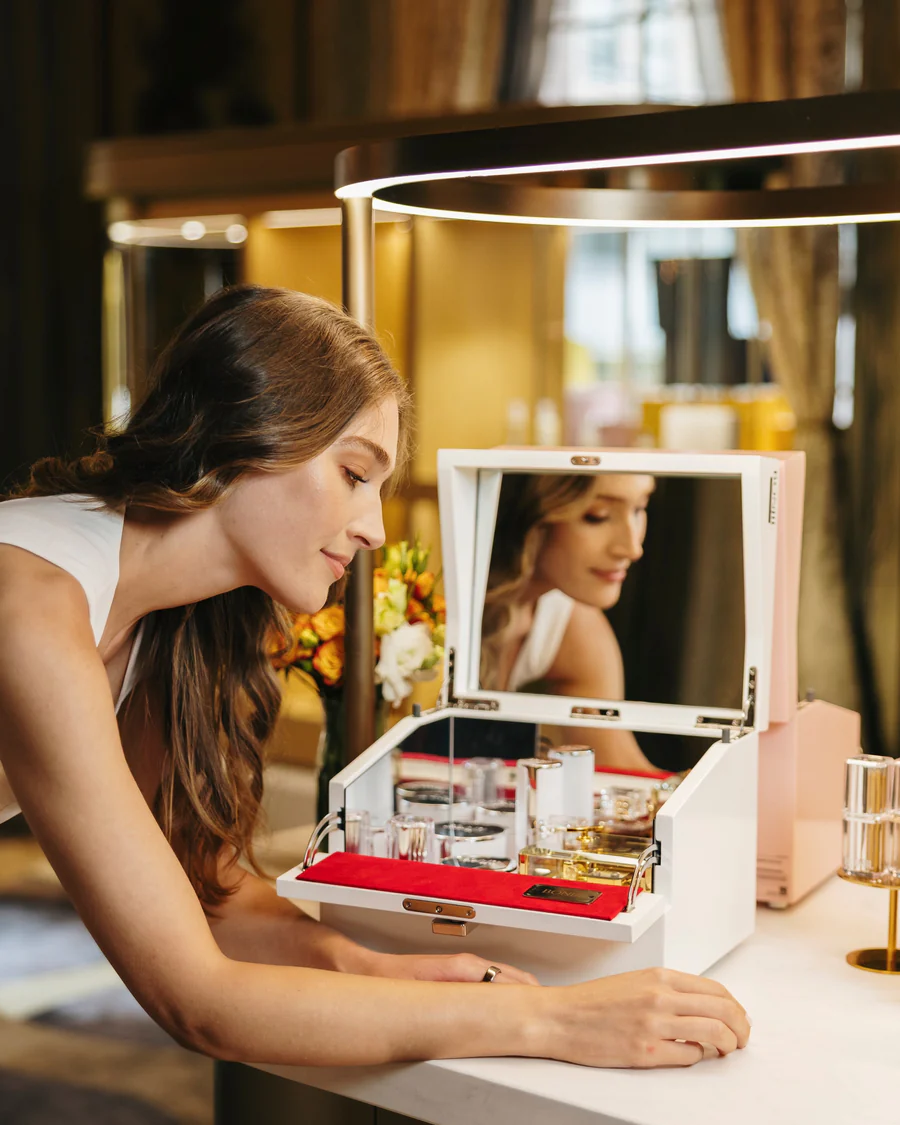
Can BONJIL's Neurocosmetic Collections Elevate Your Skin-Brain Connection?
Yes, BONJIL's neurocosmetic collections can elevate your skin-brain connection by combining sensory science with luxurious ritual design. Each collection targets a specific skin concern while engaging touch, scent, and even sound to deepen the neurological response. The Perfection Éternelle and La Signature Au Caviar collections pair potent bioactive ingredients with textures and aromas crafted to promote calm and well-being. BONJIL's Music Box collection takes this further, providing calming melodies as a soothing backdrop to skincare application. This multisensory layering reinforces the neurochemical shifts that neurocosmetic extracts and oils initiate, turning daily skincare into a mindful ritual that supports both skin health and emotional balance.
What Are the Key Takeaways About Neurocosmetic Ingredients, Extracts, and Oils?
The key takeaways about neurocosmetic ingredients, extracts, and oils center on their unique ability to influence skin health through neurological pathways. The most important points from this guide include:
-
Neurocosmetic ingredients work at the intersection of the skin and nervous system, modulating neurotransmitters, neuropeptides, and stress hormones directly within skin cells.
-
Targeted extracts like Neurophroline inhibit cortisol production while stimulating beta-endorphin release, addressing stress-related skin damage at its neurochemical source.
-
Botanical oils such as jojoba, hemp seed, and rosehip deliver essential fatty acids that reinforce barrier function while supporting the skin-brain axis.
-
Neuropeptides like Acetyl Hexapeptide-8 and Calmosensine reduce expression lines by modulating muscle contractions and sensory perception.
-
Formulation science, including nanoencapsulation with liposomes and niosomes, determines how effectively these bioactives reach skin receptors.
For most consumers exploring this category, prioritizing products that combine multiple neurocosmetic mechanisms, sensory engagement, and advanced delivery systems yields the most meaningful results. BONJIL integrates these principles across every collection, reimagining skincare as beauty felt with every sense.