Rosacea is a chronic facial inflammatory skin disease driven by neurovascular dysfunction, barrier impairment, and immune dysregulation that makes sensitive skin uniquely vulnerable to flares. TRPV1 receptors on sensory nerves and keratinocytes sit at the center of this reactivity, releasing vasoactive neuropeptides like CGRP and substance P in response to a wide range of everyday stimuli.
This guide covers rosacea's underlying mechanisms and subtypes, environmental and dietary triggers, emotional and stress-related pathways, ingredient safety for reactive skin, and neurocosmetic strategies for relief.
Rosacea affects sensitive skin through a self-reinforcing cycle: a compromised barrier increases transepidermal water loss, which activates sensory nerve endings and amplifies inflammation. Four distinct subtypes, including erythematotelangiectatic, papulopustular, phymatous, and ocular, each present different symptoms, though overlapping features are common.
Sun exposure, extreme temperatures, wind, and indoor heating destabilize the skin barrier through UV-induced inflammatory cascades and moisture depletion. Alcohol, spicy foods, hot beverages, and histamine-rich foods compound these effects by activating TRPV1 channels and triggering mast cell degranulation.
Psychological stress and poor sleep fuel flares through a peripheral HPA-like axis in keratinocytes that processes stress independently of the central nervous system. Anxiety sustains sympathetic activation, keeping facial blood vessels dilated and creating a visible feedback loop.
Fragrances, chemical exfoliants, harsh surfactants, and retinoids strip protective lipids and provoke neurogenic irritation in already compromised skin. Replacing these with barrier-supportive, neuropeptide-modulating ingredients like niacinamide, hyaluronic acid, and probiotic fractions offers measurable improvement.
Neurocosmetics address rosacea by targeting the bidirectional skin-brain axis, interrupting neural cascades before flushing occurs. Sensory skincare rituals pair calming formulations with mindful application to downregulate sympathetic nervous activity, transforming daily routines into nervous system regulation practices.
What Is Rosacea and Why Does It Affect Sensitive Skin?
Rosacea is a chronic facial inflammatory skin disease that disproportionately impacts sensitive skin due to barrier dysfunction, neurovascular irregularities, and heightened reactivity. The sections below explore the skin barrier's role, neurovascular contributions, and the link between sensitivity and flares.
What Role Does the Skin Barrier Play in Rosacea?
The skin barrier plays a critical role in rosacea by failing to retain moisture and block irritants effectively. Increased dermal vasodilation contributes to elevated transepidermal water loss (TEWL), which stimulates keratinocyte proliferation and amplifies the inflammatory response, according to research published in Anais Brasileiros de Dermatologia. This compromised barrier allows environmental irritants, microorganisms, and allergens to penetrate more easily, triggering immune activation beneath the surface. Mast cells, which reside abundantly in skin tissue, connect innate immunity, nerves, and blood vessels during this process. For rosacea-prone skin, even mild disruptions to barrier integrity can initiate a cascade of redness and irritation that healthy skin would otherwise resist.
How Does Neurovascular Dysfunction Contribute to Rosacea?
Neurovascular dysfunction contributes to rosacea by creating abnormal communication between sensory nerves and facial blood vessels. Transient receptor potential vanilloid (TRPV1) receptors, found on sensory nerves and keratinocytes, are activated by triggers such as spicy foods, hot drinks, alcohol, and ultraviolet radiation. Once activated, TRPV1 channels release substance P and calcitonin gene-related peptide (CGRP), both vasoactive neuropeptides that dilate blood vessels and promote visible flushing. As reported in The Journal of Clinical and Aesthetic Dermatology, these receptors respond to a wide range of stimuli including vanilla, cinnamon, and caffeine. This neurogenic mechanism explains why rosacea flares often feel unpredictable; the nervous system itself amplifies what would otherwise be minor sensory input.
What Is the Connection Between Skin Sensitivity and Rosacea Flares?
The connection between skin sensitivity and rosacea flares is a self-reinforcing cycle where barrier weakness and neural hyperreactivity amplify each other. When the compromised skin barrier permits irritant penetration, sensory nerve endings become overstimulated. Stress-induced neurogenic inflammation accelerates this cycle through TRPV1 receptor activation on sensory neurons, stimulating C fibers to release CGRP and substance P. These neuropeptides worsen vasodilation, increase inflammation, and further degrade barrier function. A study spanning 20 countries and 50,552 individuals found rosacea prevalence reaches 5.1% overall, confirming how widespread this sensitivity-driven condition has become. Recognizing this interconnected loop is essential for choosing skincare that calms both the barrier and the nervous system simultaneously.
Understanding these foundational mechanisms helps clarify which external triggers provoke the most damage.
What Are the Different Types of Rosacea?
The different types of rosacea are erythematotelangiectatic, papulopustular, phymatous, and ocular. Each type presents distinct symptoms, though overlapping features are common across subtypes.
Erythematotelangiectatic Rosacea
Erythematotelangiectatic rosacea (ETR), classified as subtype I, is the most recognized form of this condition. ETR produces persistent central facial erythema and visible telangiectasia, the small dilated blood vessels that create a web-like pattern across the cheeks and nose. Flushing episodes are frequent and often triggered by temperature changes, emotional stress, or specific foods. Patients with ETR typically report heightened skin sensitivity, with burning or stinging sensations accompanying visible redness. According to a study published by the National Center for Biotechnology Information (NCBI), rosacea is characterized as a common, almost exclusively facial inflammatory skin disease, with ETR designated as the foundational subtype. Because symptoms can be mistaken for general skin sensitivity, ETR often goes undiagnosed for years.
Papulopustular Rosacea
Papulopustular rosacea (PPR), classified as subtype II, produces inflammatory papules and pustules alongside persistent facial redness. These bumps closely resemble acne, which frequently leads to misdiagnosis. Unlike acne vulgaris, however, PPR lacks comedones (blackheads and whiteheads). Flares tend to concentrate on the central face, particularly the cheeks, chin, and forehead. The underlying inflammation involves mast cells, which, as noted by Frontiers in Medicine, connect innate immunity, nerves, and blood vessels in rosacea development. PPR can be particularly distressing because visible pustules compound the emotional burden already associated with chronic redness. Recognizing the absence of comedones remains the clearest clinical distinction between PPR and traditional acne.
Phymatous Rosacea
Phymatous rosacea (PhR), classified as subtype III, causes skin thickening and irregular surface nodularities, most commonly on the nose. This presentation, known as rhinophyma, results from progressive fibrosis and sebaceous gland enlargement over time. Although rhinophyma is the most recognized manifestation, phymatous changes can also affect the chin, forehead, cheeks, and ears. PhR develops more frequently in men and typically emerges after years of undertreated rosacea. The phenotype-based classification model, proposed by researchers published in Frontiers in Medicine, now supplements traditional subtyping because clinical features often overlap between categories. Early intervention is critical; once significant tissue remodeling occurs, corrective procedures may become necessary.
Ocular Rosacea
Ocular rosacea affects the eyes and eyelids, producing symptoms such as dryness, grittiness, burning, tearing, and visible blood vessel dilation on the sclera. This type can occur independently or alongside other rosacea subtypes. Blepharitis and recurrent styes are common complications. Ocular rosacea is frequently underdiagnosed because patients and clinicians may not connect eye symptoms with a skin condition. Left unmanaged, chronic ocular inflammation can lead to corneal damage and vision complications. For anyone experiencing persistent eye irritation alongside facial redness, a comprehensive evaluation that considers both dermatologic and ophthalmologic factors is essential.
Understanding which rosacea type is present helps guide both trigger management and targeted skincare choices.

What Environmental Triggers Cause Rosacea Flare-Ups?
Environmental triggers cause rosacea flare-ups by activating dermal vasodilation and inflammatory cascades in sensitized skin. The most common environmental factors include sun exposure, extreme temperatures, wind, low humidity, and indoor heating.
How Does Sun Exposure Trigger Rosacea?
Sun exposure triggers rosacea by inducing keratinocyte damage through ultraviolet radiation, which activates TRPV1 receptors on sensory nerves and releases inflammatory neuropeptides. According to a study published in the Journal of Cosmetic Dermatology, UVB radiation leads to the release of cathelicidin LL-37 and double-stranded RNA, increasing endothelial cell expression of adhesion molecules like ICAM and VCAM, which promotes an influx of neutrophils and monocytes. This inflammatory cascade amplifies erythema and persistent flushing. Broad-spectrum mineral sunscreen with zinc oxide remains one of the most effective daily defenses for rosacea-prone skin, yet it is frequently underestimated as a cornerstone step rather than an optional addition.
How Does Extreme Heat or Cold Worsen Rosacea?
Extreme heat or cold worsens rosacea by destabilizing the skin's thermoregulatory response and intensifying dermal vasodilation. Heat causes blood vessels to dilate rapidly, flushing the face with increased blood flow. Cold temperatures constrict surface vessels, and when skin rewarms, rebound dilation triggers visible flaring. As reported in Anais Brasileiros de Dermatologia, increased vascularity and dermal vasodilation contribute to elevated transepidermal water loss, which stimulates keratinocyte proliferation and fuels the inflammatory response. Rapid temperature transitions, such as moving between heated interiors and freezing outdoor air, tend to provoke more intense flares than sustained exposure to either extreme alone.
How Does Wind and Low Humidity Aggravate Rosacea?
Wind and low humidity aggravate rosacea by stripping moisture from the skin's outermost layers, weakening the barrier that protects against irritants. When humidity drops, transepidermal water loss accelerates, leaving rosacea-prone skin dehydrated and more reactive to secondary triggers. Wind compounds this effect by physically disrupting the lipid film on the skin surface. The resulting barrier compromise allows environmental irritants to penetrate more easily, activating sensory nerve endings and provoking flushing. Protective measures, such as barrier-repair moisturizers and physical shields like scarves, help buffer the skin against these conditions.
How Does Indoor Heating Affect Rosacea-Prone Skin?
Indoor heating affects rosacea-prone skin by creating a low-humidity microenvironment that accelerates moisture evaporation from the skin surface. Forced-air systems and radiators reduce ambient humidity well below the levels comfortable for a compromised skin barrier. This sustained dryness increases transepidermal water loss, making the skin more susceptible to irritation and reactive flushing. Because indoor heating also raises ambient temperature gradually, it can provoke subtle but persistent vasodilation that compounds background redness throughout the day. Using a humidifier and applying occlusive, barrier-supportive formulations can help counteract these effects.
Understanding how environmental conditions destabilize rosacea-prone skin makes it easier to recognize how dietary triggers compound the problem.

What Dietary Triggers Should Rosacea Sufferers Avoid?
Rosacea sufferers should avoid alcohol, spicy foods, hot beverages, and histamine-rich foods. Each of these dietary triggers activates specific inflammatory pathways that cause flushing, burning, and persistent redness.
How Does Alcohol Consumption Trigger Rosacea?
Alcohol consumption triggers rosacea by promoting vasodilation and activating TRPV1 receptors on sensory nerves, which release inflammatory neuropeptides such as substance P and CGRP. These compounds dilate facial blood vessels, producing visible flushing and prolonged erythema. According to a study published in the Journal of the American Academy of Dermatology, increased alcohol intake was associated with increased rosacea incidence, with white wine and spirits carrying a significantly higher risk (hazard ratio 1.53 for intake exceeding 30 g/day). Not all alcoholic beverages carry equal risk; red wine and spirits tend to provoke more intense flares than lighter options like beer. For anyone managing rosacea, even moderate alcohol reduction can meaningfully decrease flare frequency.
How Do Spicy Foods Cause Rosacea Flares?
Spicy foods cause rosacea flares by delivering capsaicin, the active compound in chili peppers, which directly activates TRPV1 channels on sensory nerves. Once activated, these channels stimulate a warmth response in the skin and trigger the release of vasoactive neuropeptides, including CGRP and substance P. The result is rapid facial flushing, burning sensations, and heightened erythema. According to a National Rosacea Society survey of 1,066 patients, spicy foods ranked as the second most commonly reported trigger at 45%. Common culprits include:
-
Hot sauces and chili-based seasonings
-
Black and white pepper in large amounts
-
Curry pastes and cayenne powder
-
Horseradish and wasabi
Gradually reducing spice levels, rather than eliminating flavor entirely, is often the most sustainable approach for rosacea-prone individuals.
How Do Hot Beverages Affect Rosacea Symptoms?
Hot beverages affect rosacea symptoms by raising core body temperature and activating thermosensitive TRPV1 receptors on facial sensory nerves. As reported in The Journal of Clinical and Aesthetic Dermatology, TRPV1 receptors respond to hot drinks by releasing substance P and CGRP, which dilate blood vessels and intensify redness. The thermal stimulus itself, rather than the beverage's ingredients, is the primary driver. Coffee, tea, and hot chocolate can all provoke flushing when consumed at high temperatures. Allowing beverages to cool to lukewarm before drinking significantly reduces this thermal trigger without requiring people to eliminate their daily routine entirely.
How Does Histamine in Foods Worsen Rosacea?
Histamine in foods worsens rosacea by stimulating mast cell degranulation and amplifying the inflammatory cascade in facial skin. Mast cells reside throughout the dermis and serve as a critical link between innate immunity, nerves, and blood vessels in rosacea development, as noted by research published in Frontiers in Medicine. When histamine-rich foods enter the system, they promote vasodilation and increase vascular permeability, producing flushing and swelling. Common high-histamine foods include:
-
Aged cheeses and fermented dairy
-
Cured meats such as salami and prosciutto
-
Fermented foods like sauerkraut and kimchi
-
Red wine and vinegar-based condiments
Keeping a food diary to identify individual histamine thresholds is one of the most practical steps for managing diet-related flares. Understanding these dietary triggers makes it easier to address the emotional and stress-related factors that also inflame rosacea.
What Emotional and Stress-Related Triggers Inflame Rosacea?
Emotional and stress-related triggers inflame rosacea by activating neurogenic pathways that drive facial flushing, inflammation, and barrier disruption. The key triggers include psychological stress, anxiety, and poor sleep quality.
How Does Psychological Stress Activate Rosacea Pathways?
Psychological stress activates rosacea pathways through neurogenic inflammation that begins at the skin's own stress-processing system. Keratinocytes produce CRH, ACTH, cortisol, and their receptors, forming a peripheral HPA-like axis that operates independently of the central nervous system to process stress locally, according to a report published by Covalo Personal Care. This localized stress response triggers TRPV1 receptor activation on sensory neurons, stimulating C fibers to release vasoactive peptides like CGRP and substance P. These neuropeptides dilate blood vessels and recruit inflammatory cells, producing the persistent redness characteristic of stress-driven flares. For rosacea-prone skin, even moderate psychological tension can set this cascade in motion repeatedly.
How Does Anxiety Increase Facial Flushing in Rosacea?
Anxiety increases facial flushing in rosacea by sustaining elevated sympathetic nervous system activity, which keeps facial blood vessels in a dilated state. Mast cells, which reside abundantly in facial skin, serve as a critical link between innate immunity, nerves, and blood vessels in rosacea development, as identified in research published by Frontiers in Medicine. When anxiety persists, these mast cells release histamine and other pro-inflammatory mediators that amplify vascular reactivity. The cycle becomes self-reinforcing: visible flushing heightens social anxiety, which further stimulates the neurovascular response. This emotional feedback loop is one reason rosacea patients report significantly lower quality-of-life scores compared to healthy controls.
How Does Poor Sleep Quality Worsen Rosacea Over Time?
Poor sleep quality worsens rosacea over time by impairing the skin's ability to regulate inflammation and repair barrier function. Sleep deprivation elevates cortisol levels, which disrupts the peripheral HPA-like axis in keratinocytes and prolongs neurogenic inflammation. Chronically poor sleep also increases transepidermal water loss, a factor that stimulates keratinocyte proliferation and sustains the inflammatory response. Without adequate rest, the skin never fully exits its stress-reactive state, making TRPV1 receptors more sensitive to subsequent triggers. Prioritizing consistent, restorative sleep is one of the most underestimated strategies for reducing flare frequency in rosacea-prone skin.
Understanding how emotional triggers fuel rosacea clarifies why ingredient selection matters just as much as stress management.

What Skincare Ingredients Should Rosacea-Prone Skin Avoid?
Rosacea-prone skin should avoid fragrances, alcohol-based toners, chemical exfoliants, harsh surfactants, and retinoids. Each ingredient category disrupts the skin barrier or triggers neurogenic inflammation through distinct mechanisms.
How Do Fragrances and Alcohol-Based Ingredients Irritate Rosacea?
Fragrances and alcohol-based ingredients irritate rosacea by penetrating the already compromised skin barrier and triggering sensory nerve activation. Synthetic fragrances contain volatile compounds that stimulate TRPV1 receptors on keratinocytes, prompting the release of pro-inflammatory neuropeptides such as substance P and CGRP. This cascade amplifies flushing and burning sensations.
Alcohol-based toners, particularly those containing denatured alcohol or witch hazel, strip protective lipids from the stratum corneum. According to Forefront Dermatology, harsh chemicals to be avoided in rosacea skincare include fragrances, witch hazel, and alcohol-based toners. The resulting lipid depletion increases transepidermal water loss, leaving skin more reactive to subsequent triggers. Fragrance-free, alcohol-free formulations remain the safest baseline for rosacea-prone routines.
How Do Chemical Exfoliants Affect Rosacea-Prone Skin?
Chemical exfoliants affect rosacea-prone skin by accelerating cell turnover on a barrier that is already thin and inflamed. Alpha-hydroxy acids (glycolic acid, lactic acid) and beta-hydroxy acids (salicylic acid) lower the skin's pH aggressively, dissolving intercellular lipids that rosacea skin cannot replenish quickly enough.
This forced exfoliation exposes deeper epidermal layers to environmental irritants, intensifying erythema and stinging. For most rosacea phenotypes, even low-concentration acid toners create cumulative damage over weeks of use. Gentle enzymatic alternatives or barrier-supportive ingredients like niacinamide and hyaluronic acid offer a far more practical path to skin refinement without provoking inflammatory rebound.
How Do Harsh Surfactants Damage the Rosacea Skin Barrier?
Harsh surfactants damage the rosacea skin barrier by stripping essential ceramides and natural moisturizing factors during cleansing. Sodium lauryl sulfate (SLS) and sodium laureth sulfate (SLES) are the most common offenders, found in foaming cleansers and gel washes.
These anionic surfactants solubilize the lipid bilayer that holds corneocytes together, increasing transepidermal water loss. As published in Anais Brasileiros de Dermatologia, increased dermal vasodilation contributes to elevated transepidermal water loss, which stimulates keratinocyte proliferation and amplifies the inflammatory response. Rosacea-prone skin benefits from micellar waters or cream-based cleansers with mild non-ionic surfactants that cleanse without compromising barrier integrity.
How Do Retinoids Interact With Active Rosacea?
Retinoids interact with active rosacea by accelerating epidermal turnover at a rate the inflamed barrier cannot sustain. Retinol and prescription-strength tretinoin increase cell proliferation in the basal layer, which, on healthy skin, produces a rejuvenating effect. On rosacea-affected skin, however, this rapid turnover strips the already fragile outer layers and intensifies burning, peeling, and persistent redness.
Retinoids also upregulate local blood flow, compounding the vasodilation that defines erythematotelangiectatic rosacea. Until active inflammation subsides, gentler alternatives such as bakuchiol or peptide-based serums deliver anti-aging benefits without the neurogenic irritation retinoids provoke.
Understanding which ingredients to eliminate is the first step; the next is exploring what neurocosmetic science can offer instead.
What Is Neurocosmetics and How Does It Address Rosacea?
Neurocosmetics is a skincare discipline that leverages the bidirectional skin-brain axis to modulate neural and inflammatory pathways linked to rosacea. The following sections explain how this science targets the skin-brain connection, which ingredients calm rosacea-related inflammation, and how neuropeptide-modulating compounds reduce flushing.
How Does Neurocosmetic Science Target the Skin-Brain Axis?
Neurocosmetic science targets the skin-brain axis by modulating neural, inflammatory, and psychosocial pathways to improve both dermatologic function and emotional well-being. According to a Modern Aesthetics report, neurocosmetics leverage this bidirectional communication system, recognizing that skin cells both send and receive signals from the nervous system.
This approach matters for rosacea because sensory neurons in facial skin communicate directly with the central nervous system, creating feedback loops that amplify flushing and inflammation. Rather than addressing surface symptoms alone, neurocosmetic formulations interrupt these neural cascades at their origin. For rosacea-prone skin, where stress and environmental stimuli constantly activate nerve endings, this deeper intervention represents a meaningful shift from conventional topical care.
What Neurocosmetic Ingredients Help Calm Rosacea Inflammation?
Neurocosmetic ingredients that help calm rosacea inflammation include niacinamide, hyaluronic acid, probiotic fractions, and phytofermented botanical extracts. A study published in Clinical, Cosmetic and Investigational Dermatology found that rosacea subjects treated with a formulation containing niacinamide, hyaluronic acid, and probiotic fractions showed significant erythema improvement at both 15 days (p<0.01) and 30 days (p<0.001).
These ingredients work through complementary mechanisms:
-
Niacinamide strengthens the impaired skin barrier while reducing inflammatory mediator release.
-
Hyaluronic acid restores moisture to counteract the increased transepidermal water loss common in rosacea.
-
Probiotic fractions rebalance the skin's microbial environment, calming immune overactivity.
-
Phytofermented botanicals, such as jasmine flower extract, activate PIEZO ion channels to promote soothing oxytocin release.
How Do Neuropeptide-Modulating Compounds Reduce Flushing?
Neuropeptide-modulating compounds reduce flushing by interrupting the release of vasoactive peptides, such as substance P and CGRP, from sensory nerve endings. These peptides dilate facial blood vessels and amplify the persistent redness characteristic of rosacea.
TRPV1 receptors on sensory nerves and keratinocytes play a central role in this process. When activated by triggers like heat, stress, or capsaicin, TRPV1 channels stimulate C fibers to release CGRP and substance P, initiating neurogenic inflammation. Compounds that desensitize or block TRPV1 activation effectively reduce this cascade before visible flushing occurs. For individuals whose rosacea symptoms resist conventional treatments, targeting neuropeptide signaling offers a more precise strategy that addresses the neurological root of vascular reactivity.
Understanding these neurocosmetic mechanisms sets the stage for applying them within a structured sensory skincare ritual.

How Does a Sensory Skincare Ritual Help Manage Rosacea?
A sensory skincare ritual helps manage rosacea by engaging tactile, olfactory, and visual pathways that calm stress-driven inflammation. The following subsections explore how mindful application reduces flares and how multisensory experiences regulate nervous system response.
How Does Mindful Application Reduce Stress-Induced Flares?
Mindful application reduces stress-induced flares by shifting the nervous system away from the fight-or-flight state that activates rosacea's inflammatory cascade. Stress triggers TRPV1 receptor activation on sensory neurons, stimulating C fibers to release vasoactive peptides like CGRP and substance P, which drive flushing and burning. Slow, intentional product application interrupts this cycle by redirecting attention to gentle tactile sensations rather than anxious thought patterns. According to Sarah Chapman London, small rituals that are grounding, tactile, and familiar meaningfully influence the nervous system, reducing stress levels and supporting skin health through sensory experiences. For rosacea-prone skin, this deliberate pace also prevents the friction and pressure that mechanical irritation causes during rushed routines.
How Does Multisensory Experience Regulate Nervous System Response?
Multisensory experience regulates nervous system response by engaging multiple sensory channels simultaneously, creating a calming feedback loop between skin and brain. According to clinical insights published in Modern Aesthetics, mindfulness-based stress reduction impacts skin inflammation biomarkers by engaging sensory pathways through texture, temperature-reactive ingredients, or aromatherapeutic compounds like lavender and jasmine. Neurocosmetic formulations designed with this principle use carefully selected scents, cooling textures, and soothing visual aesthetics to downregulate sympathetic nervous activity. When the nervous system receives consistent calming input across touch, scent, and sight, cortisol output decreases and the peripheral HPA-like axis in keratinocytes processes less stress locally. This integrated approach makes sensory skincare particularly valuable for managing neurogenic rosacea symptoms that resist conventional interventions.
Understanding how sensory rituals calm inflammation opens the door to exploring targeted neurocosmetic solutions.
How Can BONJIL's Neurocosmetic Rituals Support Rosacea-Prone Skin?
BONJIL's neurocosmetic rituals can support rosacea-prone skin by combining sensory science formulations with mindful application practices that address both neural and inflammatory pathways. The following sections explore how BONJIL's collections align with calming rosacea-reactive skin and summarize the article's core takeaways.
Can BONJIL's Sensory Science Collections Help Calm Rosacea?
Yes, BONJIL's Sensory Science Collections can help calm rosacea by integrating neurocosmetic principles into every product ritual. BONJIL formulates its skincare around the bidirectional skin-brain axis, using multisensory textures and carefully selected ingredients designed to soothe reactive skin rather than aggravate it. Collections like Perfection Éternelle and La Signature Au Caviar prioritize barrier-supportive, fragrance-conscious formulations suited for sensitivity.
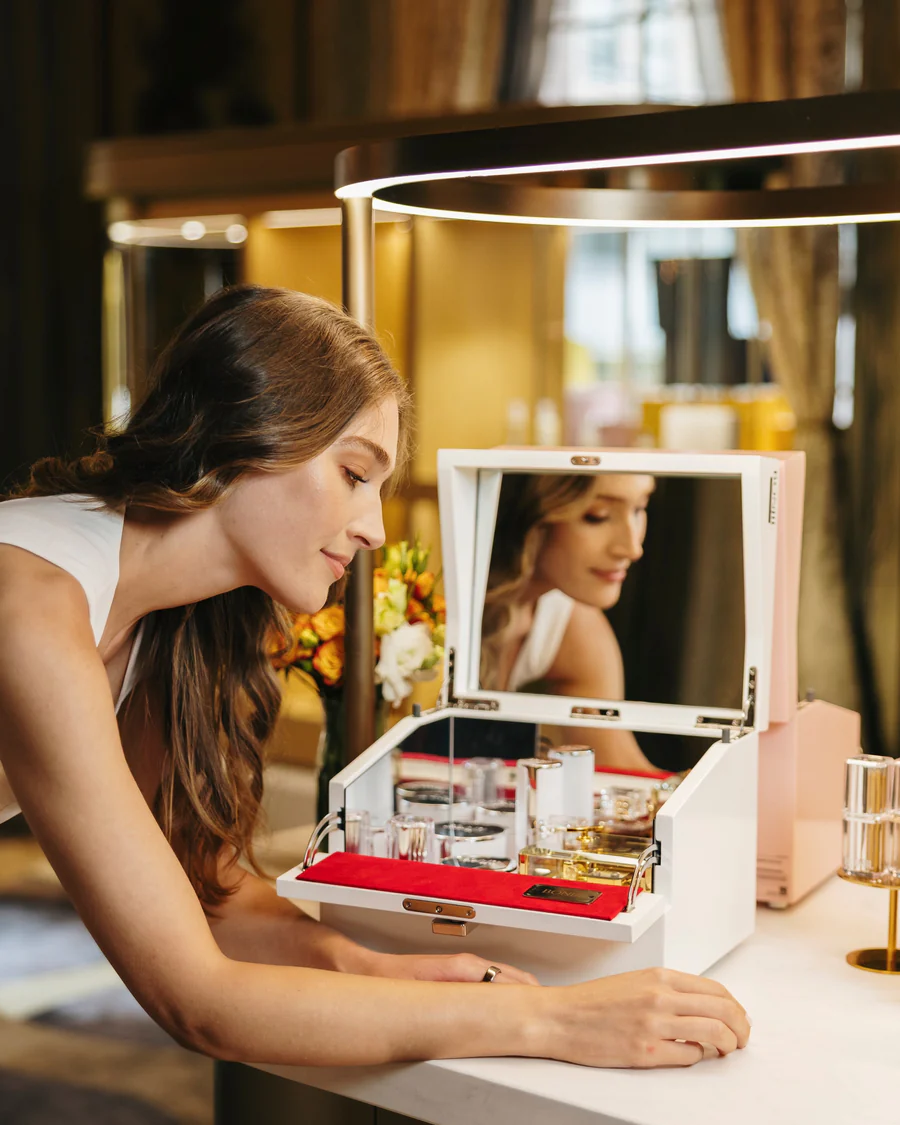
What makes BONJIL's approach particularly relevant is the ritualistic framework. According to a 2026 report in Modern Aesthetics, mindfulness-based stress reduction impacts skin inflammation biomarkers by engaging sensory pathways through texture, temperature-reactive ingredients, or aromatherapeutic compounds like lavender and jasmine. BONJIL builds this science into each step, pairing calming formulas with the BONJIL Music Box to create grounding, tactile routines that help regulate nervous system activity during application.
For rosacea-prone skin, this combination of gentle formulation and intentional ritual is especially valuable. Stress remains one of the most persistent rosacea triggers, and a skincare routine that doubles as a calming sensory experience addresses the condition from both sides.
What Are the Key Takeaways About Rosacea Triggers and Neurocosmetic Relief?
The key takeaways about rosacea triggers and neurocosmetic relief center on understanding root causes and choosing skincare that works with the nervous system rather than against it.
-
Rosacea is a chronic inflammatory condition driven by neurovascular dysfunction, barrier impairment, and immune dysregulation involving TRPV1 receptors, mast cells, and neuropeptides like CGRP and substance P.
-
Environmental factors such as UV exposure, extreme temperatures, and wind compromise the skin barrier and amplify flushing.
-
Dietary triggers, including alcohol, spicy foods, and hot beverages, activate sensory nerve pathways that provoke visible flares.
-
Psychological stress and poor sleep quality fuel neurogenic inflammation through the skin's own peripheral HPA-like axis.
-
Harsh skincare ingredients, such as fragrances, retinoids, alcohol-based toners, and chemical exfoliants, destabilize already compromised rosacea skin.
-
Neurocosmetics offer a distinct approach by modulating the skin-brain axis, calming neural signaling, and reducing stress-driven inflammation simultaneously.
-
Sensory skincare rituals transform daily routines into nervous system regulation practices, addressing rosacea at the neurological level.
Managing rosacea effectively requires more than avoiding triggers; it demands a skincare philosophy that soothes the nervous system while protecting the skin barrier. BONJIL's neurocosmetic rituals unite these priorities into a single, sensory-rich experience designed for skin that needs both gentleness and intention.